Tax policy discussions in 2026 are expanding beyond traditional debates about rates and deductions. Economists are exploring new approaches that address long-term fiscal sustainability, global tax coordination, technological change, and economic inequality. As several provisions from the Tax Cuts and Jobs Act near expiration, policymakers are evaluating reforms that could reshape how the U.S. tax system supports growth, investment, and public finances.
Why Tax Policy Is Entering a New Phase
Tax policy debates in the United States often intensify during periods of economic transition. In 2026, policymakers are confronting multiple pressures at once: expiring tax provisions, rising federal debt, global tax competition, and a rapidly evolving digital economy.
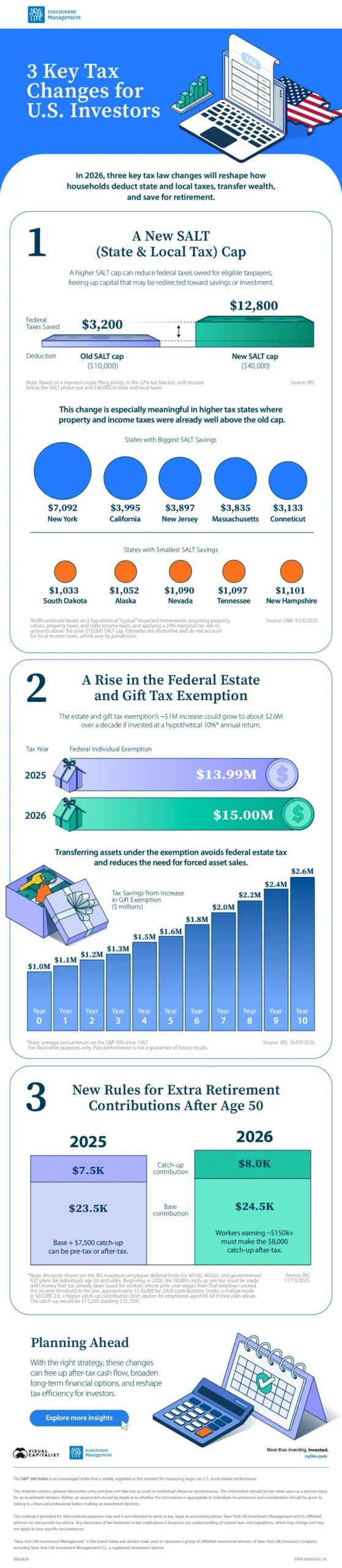
Several individual and small-business provisions enacted under the Tax Cuts and Jobs Act are scheduled to expire soon, forcing lawmakers to reconsider how the tax system should evolve. At the same time, federal fiscal projections published by the Congressional Budget Office show growing pressure on long-term government finances.
Economists working in fields such as Public Economics and Macroeconomics are therefore discussing a broader set of policy options than in previous tax debates.
Instead of focusing only on marginal tax rates, current discussions often examine how tax policy can influence innovation, workforce participation, and long-term economic productivity.
For households and business owners, these debates may shape tax rules that affect financial planning for years to come.
A Shift Toward Growth-Focused Tax Policy
One major theme in recent economic research is designing tax policy that supports long-term growth without significantly worsening fiscal deficits.
Investment and productivity growth remain key drivers of economic expansion. Economists frequently analyze how tax incentives influence business decisions about research, infrastructure, and equipment.
Policies designed to encourage investment often include:
- Accelerated depreciation for capital equipment
- Research and development tax credits
- Investment incentives tied to domestic manufacturing
- Tax advantages for emerging industries
For example, a U.S. semiconductor company deciding where to build a new fabrication plant may consider tax incentives alongside workforce availability and supply-chain logistics.
Economists often note that predictable and stable tax policy may matter just as much as tax levels themselves. Businesses tend to invest more when long-term policy environments are clear.
The Debate Over Corporate Tax Competitiveness
Corporate taxation remains one of the most debated aspects of tax policy in 2026.
In recent years, policymakers have tried to balance two competing priorities:
- Maintaining global competitiveness for American companies
- Ensuring corporations contribute adequate tax revenue
When the United States reduced its corporate tax rate under the 2017 reform, the goal was to bring the country closer to international norms. However, global tax competition continues to evolve.
Economists now discuss several policy questions:
- Should the U.S. corporate tax rate remain unchanged?
- How should multinational corporations be taxed on global profits?
- What role should international tax agreements play?
- How can tax rules prevent profit shifting across borders?
These discussions have become increasingly important as companies expand internationally and digital business models grow more prominent.
New Attention on Pass-Through Businesses
While large corporations often dominate tax policy headlines, small businesses remain central to the U.S. economy.
According to data published by the U.S. Small Business Administration, small firms account for the majority of businesses in the United States and employ tens of millions of workers.
Many of these businesses operate as pass-through entities, meaning profits are taxed on the owner’s personal income tax return.
A major topic in 2026 tax debates involves the future of the Qualified Business Income deduction, which allows eligible business owners to deduct up to 20 percent of qualifying income.
Economists are examining whether extending, modifying, or replacing this deduction would influence:
- Small-business hiring
- Capital investment
- Entrepreneurial activity
- Local economic growth
For example, a small construction firm evaluating whether to expand its workforce may factor tax deductions into its financial projections.
Tax Policy and the Future of Work
Another topic gaining attention among economists involves how tax policy interacts with changing labor markets.
The growth of freelance work, digital platforms, and remote employment has complicated traditional tax structures.
Policy analysts are exploring several potential reforms designed to address these shifts, including:
- Simplified tax filing rules for gig workers
- Adjustments to self-employment tax structures
- Expanded retirement savings incentives for independent workers
- Clarification of tax obligations for digital income
These changes could make the tax system easier to navigate for millions of Americans participating in non-traditional employment.
Addressing Long-Term Federal Budget Pressures
Fiscal sustainability is another major focus of tax policy discussions in 2026.
Federal spending commitments—including healthcare programs, retirement benefits, and interest on national debt—are projected to grow significantly in coming decades.
According to projections from the Congressional Budget Office, policymakers must balance economic incentives with stable revenue sources to manage long-term fiscal pressures.
Economists generally evaluate tax proposals based on several criteria:
- Revenue generation
- Economic growth effects
- Distribution of tax burdens
- Administrative complexity
These considerations often produce competing policy recommendations, which explains why tax reform debates can become lengthy and politically complex.
Expanding the Use of Targeted Tax Credits
Another evolving approach in tax policy involves targeted tax credits aimed at encouraging specific types of economic activity.
Recent policy proposals have focused on incentives related to:
- Clean energy development
- Domestic manufacturing investment
- Technological research
- Infrastructure modernization
For example, tax credits for clean energy projects can encourage companies to invest in renewable power facilities or energy-efficient manufacturing processes.
Economists often analyze whether targeted credits effectively influence behavior or simply reward investments that would have occurred anyway.
Despite these debates, such credits remain a popular policy tool because they can direct investment toward specific national priorities.
Real-World Examples of Tax Policy in Action
To understand the real-world implications of tax policy, consider how different economic actors respond to incentives.
A mid-sized logistics company evaluating automation technology may calculate how depreciation rules affect the cost of upgrading equipment.
A startup founder deciding where to launch a new technology firm may compare tax incentives across different states or countries.
A household planning retirement savings might adjust contributions depending on tax advantages associated with certain accounts.
In each case, tax policy becomes one factor among many shaping financial and investment decisions.
While taxes rarely determine economic outcomes alone, they can influence how quickly businesses invest, how much workers save, and where companies choose to expand.
Frequently Asked Questions
1. Why are economists discussing new tax policy approaches in 2026?
Several major tax provisions are approaching expiration, prompting economists and policymakers to evaluate alternative policy frameworks.
2. Will tax rates change in the near future?
Tax rates could change depending on whether expiring provisions are extended or replaced by new legislation.
3. Why do economists emphasize investment incentives?
Investment drives productivity growth, which is a major contributor to long-term economic expansion.
4. How do tax policies affect small businesses?
Tax deductions, credits, and pass-through taxation rules can influence hiring, investment, and expansion decisions.
5. What is the Qualified Business Income deduction?
It allows eligible business owners to deduct up to 20 percent of certain business income from taxable income.
6. Why are corporate taxes debated so frequently?
Corporate taxes influence both government revenue and international investment decisions.
7. How does tax policy affect gig workers?
Freelancers often face different tax obligations, including self-employment taxes and estimated quarterly payments.
8. Why are targeted tax credits used in policy?
They encourage investment in areas policymakers consider economically or strategically important.
9. How do economists evaluate tax reforms?
They analyze effects on growth, revenue, fairness, and administrative simplicity.
10. Where can Americans follow updates on tax policy?
Government agencies, research institutions, and congressional reports frequently publish policy analysis and updates.
The Strategic Choices Shaping the Future of U.S. Tax Policy
Tax policy in 2026 is evolving beyond traditional debates about tax rates. Economists are examining how the tax system can support innovation, adapt to changing labor markets, and maintain long-term fiscal stability.
As policymakers evaluate new approaches, the outcome will influence investment patterns, wage growth, and federal revenue for years to come. For individuals and businesses alike, understanding these evolving discussions can help inform long-term financial and strategic planning.
Core Signals Emerging From the 2026 Tax Policy Conversation
- Expiring tax provisions are driving major policy discussions
- Economists are focusing more on growth-oriented tax incentives
- Corporate tax competitiveness remains a key issue
- Small-business deductions continue to shape entrepreneurship
- Fiscal sustainability is becoming a central consideration