Tax policy plays a central role in shaping economic activity. Changes to tax rates, deductions, and incentives can influence business investment decisions, wage growth, and long-term productivity. Economists and policy analysts are closely examining how evolving U.S. tax rules could affect corporate investment, small business expansion, labor markets, and economic growth across the coming decade.
Why Tax Policy Matters for the Broader Economy
Tax policy is often discussed in terms of government revenue or household tax bills. Yet economists emphasize that tax rules also shape incentives throughout the economy. When businesses decide whether to hire workers, build new facilities, or invest in technology, tax considerations frequently play a role.
This relationship between taxation and economic activity has been studied for decades within the field of Public Economics. Analysts examine how tax structures influence behavior, including investment decisions, savings patterns, and labor participation.
In the United States, changes to federal tax policy can have broad economic consequences because they affect businesses of every size. According to research frequently cited by the Congressional Budget Office, shifts in tax rules can alter incentives for capital investment, which in turn affects productivity and wage growth.
Understanding these connections helps explain why policymakers and economists closely analyze the potential economic effects of tax reforms.
How Tax Changes Influence Business Investment
Investment by businesses—whether in equipment, research, or new facilities—is one of the main drivers of long-term economic growth. Tax rules can significantly influence how companies evaluate these investments.
When tax policy allows businesses to deduct investment costs more quickly, the effective cost of capital falls. This can encourage companies to expand operations or adopt new technologies sooner.
Several tax provisions have historically been used to encourage investment:
- Accelerated depreciation for equipment purchases
- Immediate expensing of certain capital investments
- Tax credits for research and development
- Incentives tied to domestic manufacturing
For example, a mid-sized manufacturing company considering a $2 million equipment purchase may find the investment more attractive if tax rules allow the cost to be deducted immediately rather than gradually over many years.
Economists note that such incentives can accelerate investment timing, which may increase productivity across the broader economy.
The Connection Between Investment and Wages
While investment policies often focus on businesses, their effects can extend to workers as well.
Higher levels of capital investment typically increase worker productivity. When employees have access to better tools, technology, and infrastructure, they are often able to produce more output per hour.
This relationship is studied within Labor Economics and is commonly referred to as capital deepening. Over time, higher productivity can support higher wages.
For instance, if a logistics company invests heavily in automation and data systems, its workforce may become more efficient. In competitive labor markets, some of those productivity gains may be reflected in wages or improved compensation packages.
However, economists caution that wage effects can vary depending on industry conditions, labor supply, and broader economic factors.
Corporate Tax Rates and Global Competitiveness
Corporate tax policy remains one of the most widely debated elements of tax reform. Policymakers often balance two competing goals: maintaining international competitiveness while generating sufficient revenue for public spending.
The United States significantly reduced its federal corporate tax rate in 2017 under the Tax Cuts and Jobs Act. The rate dropped from 35 percent to 21 percent, placing the U.S. closer to the average among developed economies.
Policy analysts continue to debate how corporate tax rates influence investment decisions.
Some economists argue that lower corporate tax rates can encourage companies to locate investment within the United States. Others note that factors such as infrastructure, workforce quality, and regulatory stability also play major roles.
Key questions being discussed among analysts include:
- How sensitive business investment is to corporate tax rates
- Whether moderate increases would meaningfully affect investment
- How international tax coordination affects multinational firms
Because large corporations often operate globally, tax policy decisions may influence where companies conduct research, build factories, or expand production.
The Role of Small Businesses in Economic Growth
Small businesses are responsible for a significant portion of job creation in the United States. According to the U.S. Small Business Administration, small firms account for roughly 44 percent of U.S. economic activity.
Many small businesses operate as pass-through entities, meaning their profits are taxed on the owner’s personal income tax return rather than at the corporate level.
Changes to tax rules affecting pass-through income can influence small business decisions in several ways:
- Hiring additional employees
- Expanding into new markets
- Purchasing equipment or property
- Increasing wages or benefits
For example, a family-owned construction company evaluating whether to purchase new equipment might consider how tax deductions affect the overall financial return on that investment.
When tax policy supports reinvestment in businesses, analysts often expect stronger economic activity in local communities.
Tax Policy and Entrepreneurship
Another area economists examine is the relationship between tax policy and entrepreneurship. Starting a business involves risk, and tax rules can influence whether individuals feel encouraged or discouraged to pursue new ventures.
Lower effective tax rates on business income may increase the potential reward for entrepreneurs, while more complex tax systems can raise administrative burdens.
Analysts often focus on how tax rules affect:
- Start-up formation
- Access to venture capital
- Incentives for innovation
- Expansion of young companies
For instance, tax credits related to research and development have historically played a role in encouraging innovation within industries such as biotechnology, software, and clean energy.
Over time, successful start-ups can contribute significantly to economic growth through job creation and technological advancement.
Fiscal Policy and Long-Term Economic Stability
While tax incentives can stimulate economic activity, policymakers must also consider fiscal sustainability. Federal revenue from taxes helps fund public programs including infrastructure, healthcare, education, and national defense.
Balancing economic incentives with fiscal responsibility is a central challenge in tax policy design.
The Congressional Budget Office regularly analyzes how tax proposals could affect the federal budget over the coming decades. These projections help policymakers understand how changes to tax rates or deductions may influence deficits and national debt.
Economists generally evaluate tax reforms based on several factors:
- Impact on long-term economic growth
- Effects on federal revenue
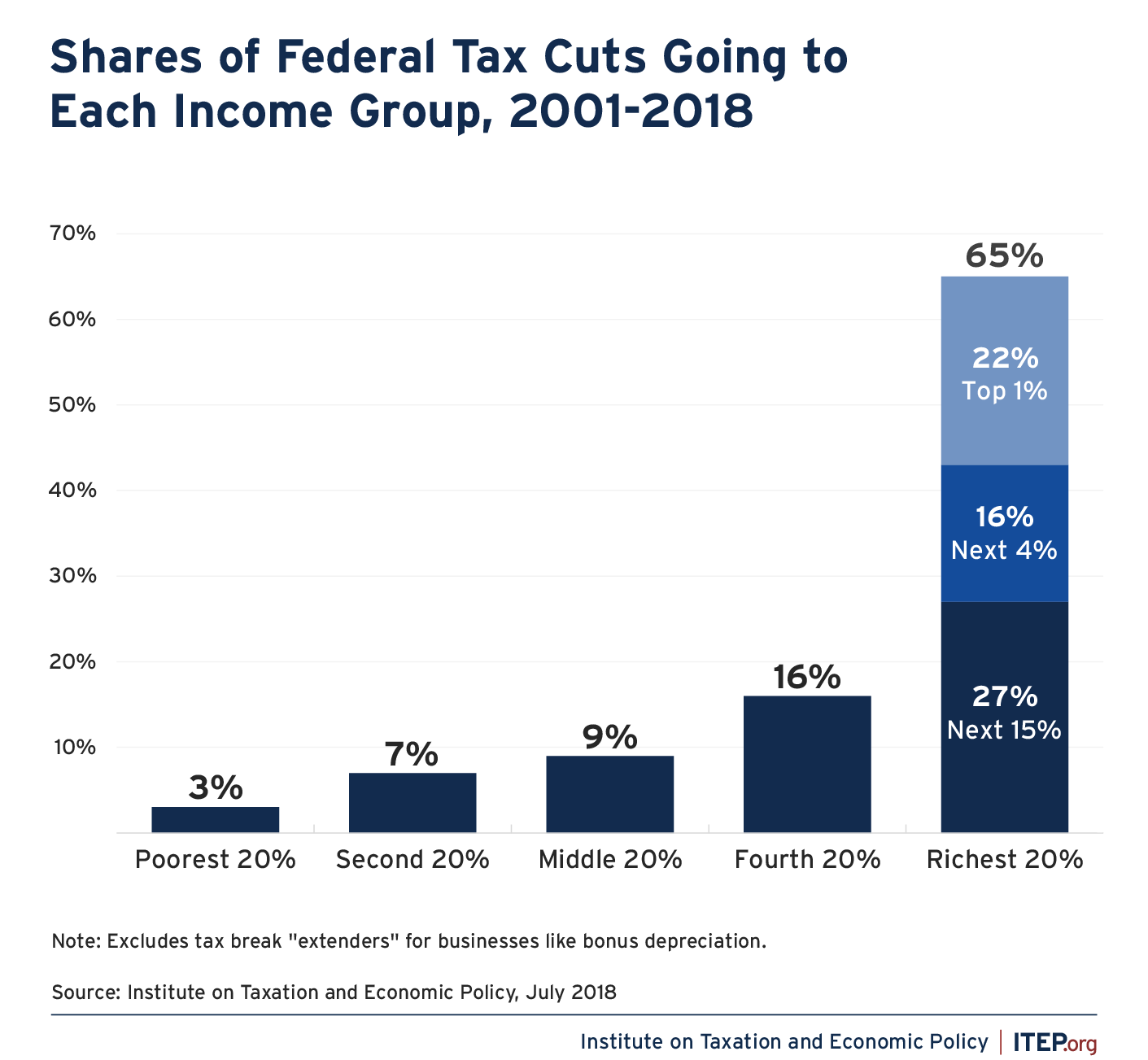
- Distribution across income groups
- Administrative complexity
Effective tax policy aims to support growth while maintaining a stable fiscal framework.
What Economists Are Watching in Upcoming Tax Debates
As policymakers consider future tax reforms, analysts are paying close attention to several emerging issues.
These include:
- Expiration of certain tax provisions in the coming years
- Changes to corporate tax rules and global tax coordination
- Incentives for domestic manufacturing and innovation
- Adjustments to pass-through business deductions
- The role of tax credits supporting clean energy and infrastructure
These policy decisions could shape investment patterns and economic growth for years to come.
For businesses and households, understanding these debates can provide useful context for financial planning.
Real-World Examples of Tax Policy Influencing Economic Decisions
To better understand the economic effects of tax policy, consider a few practical scenarios.
A technology start-up deciding whether to hire additional engineers may evaluate research tax credits that reduce development costs. A manufacturing company evaluating factory expansion might examine how depreciation rules affect its capital expenditures.
Similarly, a small restaurant chain considering a second location may review how pass-through tax rules affect the owner’s personal tax liability.
In each case, tax policy does not act alone—but it becomes one factor influencing business decisions alongside demand, financing conditions, and labor availability.
Frequently Asked Questions
1. How do tax changes affect economic growth?
Tax rules influence incentives for investment, hiring, and innovation, all of which contribute to economic growth.
2. Can lower taxes lead to higher wages?
Lower business taxes can encourage investment, which may increase worker productivity and potentially support wage growth.
3. Do corporate tax rates influence where companies invest?
Yes. Multinational companies often consider corporate tax rates when deciding where to locate investments.
4. Why do economists focus on investment incentives?
Investment drives productivity improvements, which are a key source of long-term economic growth.
5. How do tax rules affect small businesses?
Changes to deductions or pass-through taxation can influence hiring, expansion, and capital purchases.
6. What role do research tax credits play?
They encourage companies to invest in innovation and technological development.
7. Are tax policies the only factor affecting wages?
No. Wages are also influenced by labor market conditions, education levels, and economic demand.
8. Why do policymakers consider federal revenue when designing tax policy?
Government programs and services depend on tax revenue, making fiscal sustainability an important factor.
9. How often does the U.S. change tax policy?
Tax laws evolve regularly through congressional legislation, though major reforms occur less frequently.
10. Where can Americans track tax policy updates?
Government agencies and economic research institutions often publish updates on tax legislation and fiscal policy.
Economic Ripples From Tax Policy Decisions
Tax policy rarely operates in isolation. Changes to tax rules can influence business investment, worker productivity, and entrepreneurial activity, all of which shape economic growth over time.
As policymakers evaluate potential reforms, the challenge lies in balancing economic incentives with fiscal responsibility. For households, businesses, and investors, understanding these policy dynamics provides valuable insight into how future economic conditions may evolve.
Key Signals Emerging From the Investment and Tax Debate
- Business investment often responds to changes in tax incentives
- Productivity growth can influence wage trends over time
- Corporate tax policy affects global competitiveness
- Small businesses play a major role in job creation
- Fiscal sustainability remains a key consideration in tax reform