
Summary
Stocks that move significantly by the closing bell often reveal the day’s most important market signals. Today’s market movers reflected shifting expectations around interest rates, sector momentum in technology and energy, and investor reactions to earnings and economic data. Understanding why these stocks moved helps investors interpret broader market trends and prepare for the next trading session.
Why the Closing Bell Matters for Market Movers
By the time the closing bell rings on Wall Street, the most important narratives of the trading day have usually emerged. Institutional investors have adjusted positions, earnings reports have been digested, and economic data has been interpreted by analysts across the market.
The final hours of trading often reveal which stocks truly captured investor attention. A company that rises steadily throughout the day, for example, may signal sustained buying interest rather than short-term speculation.
Professional investors frequently monitor closing bell activity because:
- Large institutional trades are often executed late in the session
- Index funds rebalance positions before markets close
- Algorithmic trading strategies react to late-day price movements
- Analysts update end-of-day reports based on final closing prices
According to the New York Stock Exchange and NASDAQ trading data, the final hour of trading often accounts for a significant share of total daily volume, reflecting how institutional investors finalize positions.
Understanding which stocks stood out at the close can help investors identify broader trends forming across sectors.
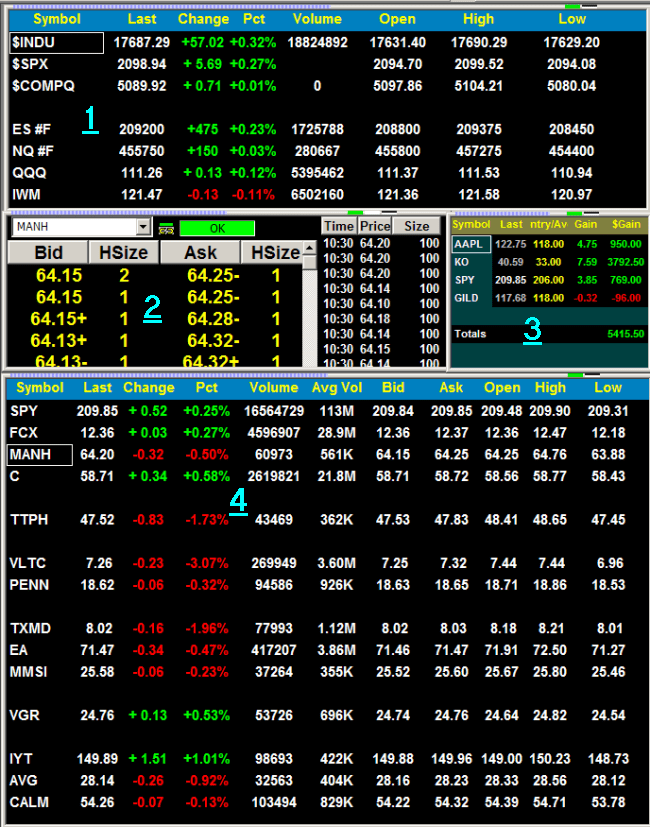
Major Themes Behind Today’s Market Movers
Several market themes typically drive the stocks that stand out by the end of the day. Even when individual companies dominate headlines, their movements often reflect larger forces shaping the market.
1. Earnings Surprises
Corporate earnings remain one of the most powerful catalysts for market movement. When companies report stronger-than-expected results, institutional investors often respond quickly.
Positive earnings surprises can trigger:
- Increased analyst price targets
- Institutional buying activity
- Sector-wide momentum
Conversely, disappointing earnings frequently lead to sharp declines as investors reassess valuations.
For example, companies that significantly outperform earnings estimates reported by FactSet often experience strong trading activity throughout the day.
2. Economic Data and Federal Reserve Expectations
Market movers are frequently tied to new economic data releases.
Investors closely watch indicators such as:
- Inflation reports from the Bureau of Labor Statistics
- Employment data
- Retail sales numbers
- Manufacturing activity indexes
These indicators shape expectations about interest rates set by the Federal Reserve.
When economic data signals stronger growth or persistent inflation, sectors like banking, energy, or commodities may see stronger activity by the closing bell.
3. Technology Sector Momentum
Technology companies frequently dominate daily market mover lists because they represent a large share of major indexes such as the S&P 500 and the NASDAQ Composite.
Large-cap tech firms can move entire indexes when their shares shift meaningfully.
Examples of catalysts include:
- AI-related announcements
- Cloud revenue growth
- Semiconductor demand forecasts
- Analyst upgrades
When major tech companies rally, the broader market often follows.
4. Energy and Commodity Price Changes
Energy stocks frequently appear among market movers when oil or natural gas prices shift.
Crude oil price fluctuations influence companies involved in exploration, production, and refining. When oil prices rise, energy stocks often gain momentum by the close.
Energy activity is frequently tied to benchmark prices like:
- West Texas Intermediate
- Brent Crude
Because energy companies contribute significantly to market indexes, price changes in commodities can ripple across the broader market.

Stocks That Typically Lead the Closing Bell Movers List
While daily market movers change constantly, several types of companies frequently dominate the list.
Large-Cap Technology Companies
Mega-cap technology firms often influence the entire market due to their weight in major indexes.
Companies such as:
- Apple Inc.
- Microsoft
- NVIDIA
can drive significant index movements even with modest percentage gains.
These companies attract strong institutional interest because they represent stable revenue growth and global technology leadership.
Semiconductor Firms
Semiconductor stocks have gained particular attention in recent years due to global demand for artificial intelligence, data centers, and advanced computing.
Companies like Advanced Micro Devices and Intel often move strongly when new industry forecasts emerge.
Because chips power everything from smartphones to AI infrastructure, semiconductor trends often signal broader technology demand.
Financial Institutions
Bank stocks frequently appear among market movers when interest rate expectations shift.
Institutions such as:
- JPMorgan Chase
- Bank of America
- Goldman Sachs
can move sharply when economic outlooks change.
Higher interest rates often improve bank profitability through wider lending margins, which can trigger increased investor interest.
How Professional Investors Interpret Market Movers
Experienced investors rarely view market movers in isolation. Instead, they analyze why stocks moved and whether the trend may continue.
Professional analysts typically consider three questions:
- Was the price move driven by fundamental news or short-term speculation?
- Did trading volume confirm the move?
- Did the movement influence the broader sector?
For example, if a semiconductor company rises 8% but the rest of the chip sector remains flat, the move may reflect company-specific news rather than an industry trend.
However, if several companies across the same sector rise together, analysts often interpret that as sector momentum.
What Market Movers Can Reveal About Investor Sentiment
Daily market movers often serve as a real-time indicator of investor psychology.
Strong gains across growth stocks may suggest rising optimism about economic expansion or technological innovation. Meanwhile, sharp gains in defensive sectors like utilities or healthcare can indicate cautious investor sentiment.
Key sentiment indicators often include:
- Market breadth (how many stocks rise vs fall)
- Volume trends during rallies or declines
- Sector leadership patterns
When these signals align with major market movers, they can reveal how institutional investors are positioning portfolios.
Practical Ways Individual Investors Track Market Movers
Individual investors have access to many of the same tools used by professionals.
Popular platforms provide real-time lists of market movers, including:
- Yahoo Finance
- Bloomberg
- CNBC
These platforms track:
- Top gainers and losers
- Most active stocks
- Volume spikes
- Sector performance
Investors often combine these tools with chart analysis to better understand price movements.
Example Scenario: A Typical Market Movers Day
Consider a common market scenario.
Early in the day, inflation data comes in slightly below expectations. Investors interpret the report as positive for interest rate stability.
Technology stocks begin rising in the morning session. Semiconductor companies lead gains after analysts raise AI demand forecasts.
Later in the afternoon:
- Energy stocks climb as oil prices increase
- Bank stocks move modestly higher
- Defensive sectors remain stable
By the closing bell, technology companies dominate the market movers list while broader indexes finish the day higher.
This pattern often reflects institutional confidence in growth sectors.
Risks of Chasing Market Movers
While market movers attract attention, experienced investors caution against buying stocks solely because they appear on daily leaderboards.
Common risks include:
- Buying after a stock has already peaked
- Reacting to short-term news cycles
- Ignoring valuation fundamentals
Instead, many investors use market movers as a starting point for deeper research.
Understanding why a stock moved can reveal potential opportunities—but disciplined analysis remains essential.

Frequently Asked Questions
What are market movers in the stock market?
Market movers are stocks that experience significant price or trading volume changes during a trading session. These movements are often driven by earnings reports, economic data, analyst upgrades, or major news events.
Why do analysts focus on closing bell movers?
Closing prices represent the final consensus value after a full trading day. Institutional investors often execute large trades late in the session, making closing bell activity especially informative.
What sectors produce the most market movers?
Technology, energy, healthcare, and financial sectors frequently produce market movers because they contain large companies with significant market influence.
How can investors track daily market movers?
Investors can track market movers through financial news platforms, brokerage dashboards, and stock screening tools that highlight the day’s biggest gainers, losers, and most active stocks.
Do market movers influence major indexes?
Yes. Large companies with heavy index weightings can influence indexes such as the S&P 500 or NASDAQ when their stock prices change significantly.
Are market movers good investment opportunities?
They can be, but not always. Some moves reflect temporary news events rather than long-term trends. Investors typically analyze fundamentals before making decisions.
Why do stocks move more near the closing bell?
Late-day trading often includes institutional portfolio adjustments, index rebalancing, and algorithmic strategies reacting to price signals.
What role does trading volume play in market movers?
Volume confirms the strength of a price move. A stock rising on strong volume generally indicates broader investor participation.
Can economic reports trigger market movers?
Yes. Inflation data, employment numbers, and Federal Reserve announcements frequently trigger large stock movements across multiple sectors.
How should long-term investors use market mover data?
Long-term investors often use daily market movers to identify emerging trends and potential research candidates rather than making immediate trading decisions.
Reading the Signals Behind the Closing Bell
Market movers at the close of trading often provide valuable clues about where investor attention is shifting. While daily headlines may highlight individual companies, the broader story typically involves economic expectations, sector momentum, and institutional positioning.
By understanding why stocks move—and how those movements fit into larger market trends—investors can better interpret daily market activity and approach future trading sessions with greater clarity.
Key Points to Remember
- The closing bell often reflects the most meaningful trading activity of the day
- Earnings reports and economic data frequently drive major stock moves
- Technology and energy sectors commonly dominate daily movers
- Institutional investors play a major role in late-day trading activity
- Market movers can reveal broader sector and sentiment trends