Summary
Midday market movers are stocks experiencing unusual trading activity during the middle of the trading session. These moves often reflect breaking news, earnings updates, analyst changes, macroeconomic data, or sector momentum. Understanding why certain companies surge or decline intraday helps investors interpret market sentiment, manage risk, and identify short-term opportunities without reacting impulsively to volatility.
Why Midday Market Movers Matter to Investors
The U.S. stock market rarely moves in a straight line from opening bell to closing bell. Instead, the most informative signals often appear around midday, when the early reaction to overnight news has settled and institutional investors begin adjusting positions.
Midday market movers are companies experiencing unusually large price changes, trading volumes, or volatility during this period. These shifts frequently reflect new information entering the market or evolving interpretations of existing news.
For individual investors, observing midday activity provides context that early-morning price swings may lack. By the middle of the session:
- Analysts may release new commentary
- Companies may issue press releases
- Economic data may reshape expectations
- Institutional trading desks may rebalance portfolios
The result is a clearer signal about whether a stock’s movement is driven by lasting catalysts or simply by opening-bell volatility.
What Typically Causes Stocks to Move Midday?
Several factors commonly trigger midday momentum in U.S. equities. While the catalyst may vary, most intraday moves fall into a handful of recognizable categories.
1. Earnings Reactions and Forward Guidance
Corporate earnings reports remain one of the biggest drivers of intraday market movement.
Companies that report earnings before the market opens may initially spike or drop during pre-market trading. But the real direction sometimes emerges midday after analysts host conference calls and institutions digest the details.
For example, when companies like Apple, Tesla, or Amazon report quarterly results, the first reaction may focus on revenue or earnings per share. By midday, however, investors often shift attention to guidance for the next quarter or year.
This deeper analysis can significantly change price momentum.
2. Analyst Ratings and Price Target Changes
Investment banks regularly publish research notes throughout the trading day.
An unexpected upgrade from a major firm—such as Goldman Sachs, Morgan Stanley, or JPMorgan—can trigger midday buying. Conversely, downgrades or lowered price targets can cause rapid declines.
Institutional investors pay close attention to these updates because they often include new forecasts, industry analysis, or insights from company management.
3. Breaking News and Corporate Announcements
Companies frequently release important announcements during trading hours, including:
- Mergers and acquisitions
- Product launches
- Leadership changes
- Regulatory developments
- Strategic partnerships
Consider how pharmaceutical companies react when clinical trial results are released midday. Positive results can send shares soaring, while negative outcomes can erase billions in market value within minutes.
Economic Data and Macro Events
Not all midday market movement originates from individual companies.
Macroeconomic data releases can rapidly shift sentiment across multiple sectors. In the United States, several major economic reports are published late morning Eastern Time, including:
- Consumer confidence reports
- Housing data
- Treasury auctions
- Federal Reserve commentary
These updates often influence interest rate expectations, which in turn affect sectors like banking, technology, and real estate.
For instance, stronger-than-expected economic data may push Treasury yields higher. That can cause technology stocks to decline midday because higher yields reduce the present value of future earnings.
Sector Rotation During the Trading Day
Another common explanation for midday market movers is sector rotation.
Institutional investors frequently rebalance portfolios during the trading session. As economic conditions evolve, they may shift capital between sectors such as:
- Technology
- Energy
- Financials
- Healthcare
- Consumer discretionary
For example, rising oil prices can spark midday rallies in energy companies like ExxonMobil or Chevron while pressuring airline stocks that depend heavily on fuel costs.
These rotations may not reflect company-specific news but rather changing macro expectations.
How Professional Traders Identify Midday Movers
Professional trading desks rely on sophisticated tools to identify unusual market activity. However, individual investors can monitor similar signals using widely available platforms.
Key indicators include:
• Unusual trading volume – Stocks trading several times their average daily volume
• Price momentum – Significant percentage gains or losses within a few hours
• News alerts – Real-time corporate announcements or analyst updates
• Options activity – Sudden spikes in call or put buying
• Relative sector performance – A stock outperforming its entire industry group
Many brokerage platforms and financial news services maintain real-time “top movers” lists that update throughout the day.
Examples of Typical Midday Market Movers
Although the specific companies change daily, certain types of stocks frequently appear among midday movers.
High-Growth Technology Companies
Technology stocks often experience large intraday swings because valuations depend heavily on growth expectations.
When companies like Nvidia, Microsoft, or Meta Platforms release new product announcements or AI-related updates, traders react quickly. Momentum traders and institutional funds both contribute to rapid price shifts.
Biotech and Pharmaceutical Firms
Biotechnology companies are particularly prone to dramatic midday moves.
Clinical trial updates, FDA decisions, and regulatory announcements can instantly alter the perceived value of drug pipelines. A single update may double a company’s market capitalization—or erase it.
Retail and Consumer Brands
Retail companies frequently move midday following sales reports, holiday forecasts, or analyst commentary.
For instance, companies such as Target, Walmart, or Nike may react strongly to updates on consumer spending trends or supply chain developments.
The Role of Institutional Investors
One reason midday activity matters is that institutional investors often dominate trading during this period.
Large asset managers—such as pension funds, hedge funds, and mutual funds—may wait until after the opening volatility fades before executing significant trades.
These institutions analyze:
- Earnings calls
- Analyst revisions
- Sector trends
- Macro data
When large funds begin adjusting positions, trading volume increases and stock prices can accelerate sharply.
For individual investors, recognizing this shift helps explain why stocks sometimes reverse direction between morning and afternoon.
Managing Risk When Trading Intraday Movers
While midday movers can create opportunities, they also involve elevated risk. Sudden price swings may reverse quickly, particularly if traders overreact to early information.
Investors should approach intraday volatility with discipline.
Practical guidelines include:
• Avoid chasing momentum blindly
Stocks that spike early may retrace by afternoon.
• Confirm the catalyst
Understand why a stock is moving before entering a trade.
• Use position sizing carefully
Limit exposure when trading highly volatile names.
• Watch liquidity and spreads
Thinly traded stocks can move dramatically but may be difficult to exit.
• Focus on long-term fundamentals
Intraday moves should not override long-term investment strategy.
Experienced traders often treat midday activity as a signal rather than an automatic buy or sell trigger.
How News Platforms Track Midday Movers
Financial media outlets dedicate entire segments to midday market activity because investors value rapid insight into shifting market sentiment.
Common data sources include:
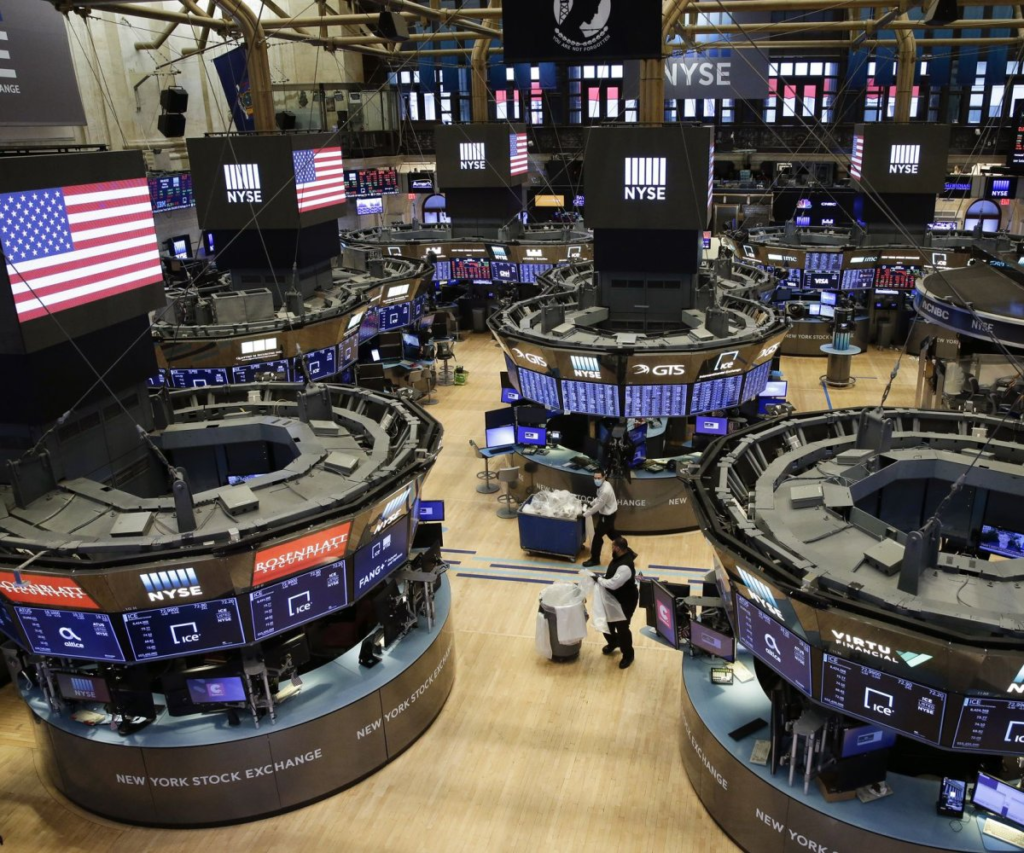
- Exchange trading data from the NYSE and Nasdaq
- Institutional order flow analytics
- Real-time earnings releases
- Economic data feeds
- Analyst research notes
These insights are aggregated into lists such as “Top Gainers,” “Top Losers,” and “Most Active Stocks,” helping investors quickly identify where attention is concentrating.
Why Midday Trends Often Predict the Closing Direction
Although markets can reverse late in the day, midday trends frequently provide clues about where the session may end.
By noon Eastern Time:
- Overnight news has been priced in
- Major economic releases have been digested
- Institutional traders are active
If a stock continues gaining strength during midday despite profit-taking, it often signals sustained demand. Conversely, persistent selling pressure may indicate broader negative sentiment.
This is why professional traders monitor midday price action closely—it often reveals whether early moves are strengthening or fading.
Frequently Asked Questions
What is a midday market mover?
A midday market mover is a stock experiencing significant price movement or unusually high trading volume during the middle of the trading session, typically between late morning and early afternoon Eastern Time.
Why do stocks move more during midday?
Midday moves often occur when analysts release research updates, economic data becomes available, or institutional investors begin executing large trades after the opening volatility settles.
Are midday stock moves reliable trading signals?
They can provide useful information, but they are not always reliable. Investors should evaluate the underlying catalyst rather than reacting solely to price movement.
What sectors produce the most midday movers?
Technology, biotechnology, and energy frequently generate large intraday moves because they respond quickly to news, earnings updates, and commodity prices.
Do professional traders watch midday market activity?
Yes. Many trading desks monitor midday momentum because it often reflects institutional trading decisions and evolving market sentiment.
Where can investors track midday movers?
Financial news platforms, brokerage dashboards, and stock-market apps commonly display real-time lists of top gainers, losers, and most active stocks.
Are midday movers better for day trading?
They are commonly used by day traders because volatility creates opportunities, but the risk of rapid reversals is also higher.
Can long-term investors benefit from midday analysis?
Yes. Observing intraday reactions helps investors understand how the market interprets company news and economic developments.
Why do stocks sometimes reverse after moving midday?
Reversals may occur due to profit-taking, new information, or institutional traders closing positions later in the session.
Do earnings reports cause midday market moves?
Yes. Even when earnings are released before the market opens, the full impact often unfolds midday after analysts and institutional investors analyze conference calls and financial details.
Reading the Signals Behind Intraday Market Momentum
Midday market movers provide a window into how information flows through the financial system. By the middle of the trading session, early speculation has often given way to deeper analysis from institutional investors, analysts, and professional traders.
For investors, understanding these shifts is less about chasing volatility and more about interpreting market signals. The companies appearing on midday mover lists reflect the stories the market is actively processing—earnings surprises, economic signals, technological innovation, and evolving consumer trends.
Recognizing why certain stocks attract attention during the trading day can sharpen market awareness, improve decision-making, and help investors stay grounded amid the noise of daily price swings.
Quick Insights From Today’s Midday Activity
• Midday market movers reveal how investors interpret breaking news and financial data.
• Institutional trading often intensifies after morning volatility settles.
• Earnings reactions frequently evolve throughout the trading day.
• Sector rotation can shift momentum between industries.
• Intraday volatility requires disciplined risk management.