
Summary
Market movers are stocks, sectors, or macro events that significantly influence trading activity and investor sentiment. Understanding why prices move—whether due to earnings reports, economic data, policy decisions, or sector trends—helps investors interpret market signals more effectively. This guide explains how to identify today’s market movers, what drives them, and how investors can analyze them with discipline and context.
Understanding What “Market Movers” Really Means
In everyday financial reporting, market movers refer to stocks, sectors, commodities, or economic events that cause noticeable price movement in financial markets during a given trading session.
These movements can affect:
- Major indexes like the S&P 500, Dow Jones Industrial Average, and Nasdaq
- Individual stocks with unusually high volume
- Entire sectors responding to news
- Broader investor sentiment
Market movers don’t always represent long-term trends. Often, they reflect short-term reactions to new information.
For example:
- A strong earnings report may cause a stock to jump 8% in one day.
- A surprise inflation reading may push the entire market lower.
- A policy announcement from the Federal Reserve may influence financial stocks.
For investors, understanding why something moved is often more important than the movement itself.
The Key Forces That Drive Daily Market Movers
Several recurring factors tend to influence market activity in the United States. These drivers appear repeatedly across trading sessions and often explain why certain stocks dominate financial headlines.
1. Corporate Earnings Reports
Quarterly earnings are among the most common catalysts for market movement.
Public companies release earnings four times a year, typically including:
- Revenue performance
- Profit margins
- Guidance for future quarters
- Updates on strategic initiatives
Even well-known companies can see large price swings if results differ from expectations.

Example:
If analysts expected earnings per share of $2.00 and a company reports $1.60, the stock may decline sharply—even if the company remains profitable.
2. Economic Data Releases
Several U.S. economic indicators frequently influence daily trading:
- Consumer Price Index (CPI)
- Nonfarm Payrolls
- Gross Domestic Product (GDP)
- Retail Sales
- Unemployment Rate
For instance, inflation data often moves markets because it influences expectations about Federal Reserve interest-rate policy.
According to the U.S. Bureau of Labor Statistics, inflation releases regularly trigger significant short-term market volatility.
3. Federal Reserve Policy Signals
Interest rate decisions from the Federal Reserve can influence the entire market.
Higher rates generally affect:
- Technology stocks
- Growth companies
- Real estate investments
- Consumer borrowing
Meanwhile, banks and financial institutions may respond differently depending on lending conditions.
Statements from the Federal Open Market Committee (FOMC) frequently become some of the most widely discussed market movers.
4. Sector-Specific Developments
Sometimes entire sectors move together.
Examples include:
- Oil price fluctuations impacting energy stocks
- Drug approval news influencing healthcare companies
- Semiconductor supply updates affecting technology stocks
Sector trends often develop over weeks or months rather than a single day.
How Investors Identify Market Movers During a Trading Day
Professional investors rarely rely on headlines alone. Instead, they track several indicators to understand what is actually driving market activity.
Common tools include:
- Volume scanners to identify stocks trading far above normal volume
- Price change filters showing large percentage moves
- Sector performance dashboards
- Economic calendars for scheduled announcements
Financial platforms such as Bloomberg, FactSet, and MarketWatch often display top gainers, losers, and most active stocks in real time.
However, experienced investors go a step further—they ask what changed in the underlying information environment.
Interpreting Market Movers Without Overreacting
Not every large price movement signals a lasting opportunity.
Short-term volatility often reflects:
- Temporary sentiment shifts
- Algorithmic trading responses
- Short-covering activity
- Liquidity changes
Long-term investors typically place market movers into one of three categories:
Short-Term Noise
Daily moves with little impact on long-term fundamentals.
Fundamental Change
Events that genuinely alter a company’s growth outlook.
Macro Impact
Broader developments affecting many companies simultaneously.
Understanding this distinction helps investors avoid impulsive decisions.
Real-World Examples of Market Movers
Example 1: Earnings Surprise
A major technology company reports quarterly results that exceed expectations.
Results:
- Revenue growth: +20%
- Cloud services growth: +35%
- Strong forward guidance
The stock rises 10% in pre-market trading and influences other companies in the same industry.
Example 2: Inflation Data Shock
The U.S. releases a CPI reading higher than economists predicted.
Immediate effects may include:
- Bond yields rising
- Growth stocks declining
- Banking stocks gaining
Investors interpret the data as a sign that interest rates may stay higher for longer.
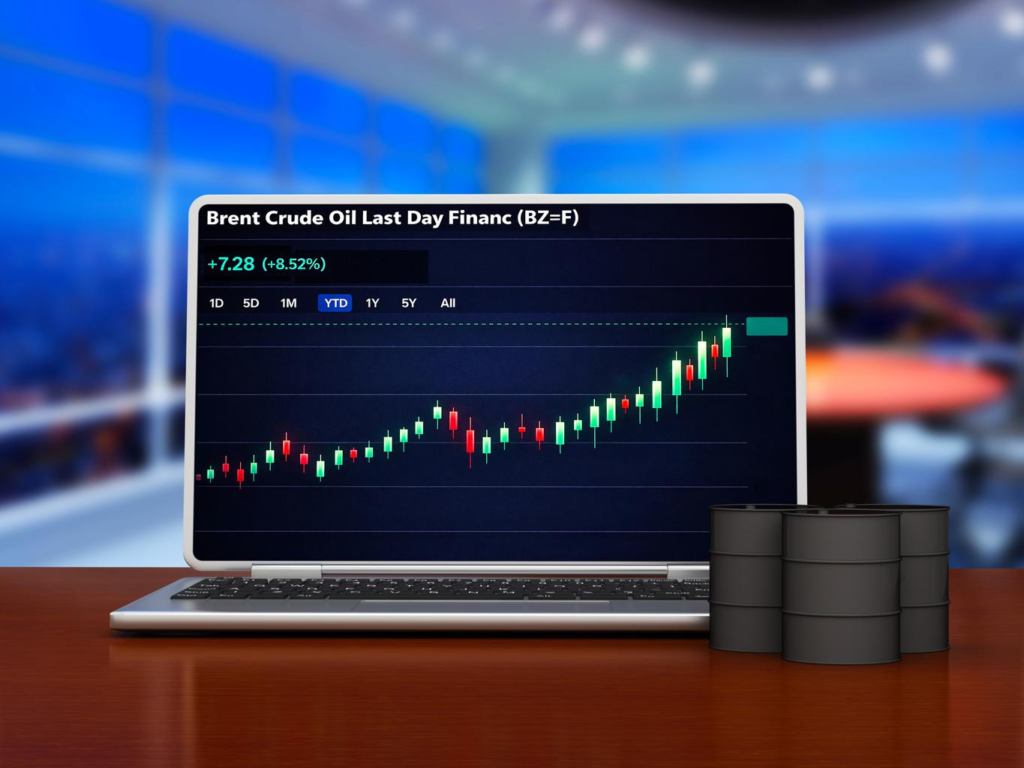
Example 3: Energy Price Movements
Oil prices rise following geopolitical developments affecting supply.
Potential market response:
- Energy companies gain
- Transportation companies decline
- Inflation expectations increase
Energy stocks frequently become market movers during such periods.
Questions Investors Commonly Ask About Market Movers
Many U.S. investors search for practical explanations rather than technical jargon. Below are common questions that appear in financial search trends.
Why do some stocks move dramatically in a single day?
Large price moves usually occur when new information changes expectations about future earnings or risk. Examples include earnings reports, regulatory decisions, mergers, or economic data releases.
Are market movers a good opportunity for investors?
Sometimes, but not always.
A stock moving quickly may reflect:
- New fundamental information
- Short-term speculation
- Temporary liquidity changes
Investors typically evaluate whether the movement reflects lasting change or temporary reaction.
How do professionals track market movers?
Institutional investors often monitor:
- Real-time news feeds
- Earnings calendars
- Economic data schedules
- Volume and price scanners
- Sector performance dashboards
These tools help separate meaningful developments from routine volatility.
Can market movers signal larger economic trends?
Yes, particularly when entire sectors move together.
For example:
- Banking stocks may react to interest rate expectations.
- Consumer companies may move based on spending trends.
- Semiconductor stocks often reflect demand for technology infrastructure.
These signals sometimes reveal broader economic shifts.
What role do algorithms play in market movement?
Algorithmic trading now accounts for a large portion of U.S. equity trading volume.
Algorithms can react to:
- Keywords in financial news
- Price thresholds
- Economic releases
While they may accelerate price movement, the underlying catalyst still matters most.
Do market movers affect index funds?
Yes.
Large companies with significant index weighting can move major benchmarks.
For example, companies in the S&P 500 technology sector often influence daily index performance due to their size.
Should long-term investors pay attention to daily movers?
Daily moves alone may not require action, but they often highlight emerging trends or structural changes worth monitoring.
How can investors avoid reacting emotionally to market movers?
Many experienced investors rely on structured approaches such as:
- Predefined investment theses
- Portfolio diversification
- Long-term time horizons
- Fundamental analysis rather than price movement alone
These frameworks help reduce impulsive decisions.
What are “most active” stocks on trading platforms?
These are stocks with the highest trading volume during the session, often indicating heightened interest from investors.
Where can investors track market movers reliably?
Common sources include:
- Financial news platforms
- Stock exchange websites
- Broker trading dashboards
- Economic data calendars
- Company earnings releases
Reliable information helps investors interpret price movement accurately.
The Role of Context in Interpreting Market Activity
Market data rarely exists in isolation. The same event may trigger different reactions depending on the broader environment.
For example:
- Strong earnings during a recession may boost a stock significantly.
- The same results during a booming economy may produce little reaction.
Investors therefore evaluate:
- Economic conditions
- Valuation levels
- Interest rate environment
- Sector momentum
Context often explains why similar news can produce different market responses.
Developing a Thoughtful Approach to Market Movers
Experienced investors generally follow a process when analyzing market activity.
Common steps include:
- Identifying the initial catalyst
- Evaluating whether the change affects long-term fundamentals
- Comparing the move to historical reactions
- Considering broader macro conditions
This structured approach helps transform daily headlines into useful insights rather than distractions.
Watching the Signals Without Chasing the Noise
Financial markets generate constant movement, but not all movement deserves equal attention.
For investors, market movers can provide valuable clues about emerging trends, shifting expectations, and sector momentum. However, interpreting them effectively requires patience, context, and disciplined analysis.
Rather than chasing the largest daily gainers or reacting to every headline, investors often benefit from asking a simple question:
Did new information genuinely change the long-term outlook?
When the answer is yes, a market mover may represent a meaningful signal rather than temporary volatility.
Key Signals Investors Should Keep in Mind
- Market movers often reflect new information entering the market
- Earnings reports remain one of the most common catalysts
- Economic data releases frequently drive short-term volatility
- Sector trends can signal broader economic developments
- Large daily moves do not always indicate lasting opportunity
- Context and long-term fundamentals remain essential