
Summary
Market movers—stocks, sectors, and assets showing significant price or volume changes—often provide early clues about broader market direction. By analyzing which companies are rising or falling and why, investors can better understand shifts in sentiment, economic expectations, and sector momentum. Today’s market movers don’t predict the future, but they frequently highlight trends that shape tomorrow’s market narrative.
Why Market Movers Matter More Than Daily Headlines
Every trading day, certain stocks stand out for unusual activity. Some jump on earnings surprises. Others fall after disappointing guidance. A few move simply because large institutional investors reposition their portfolios.
These market movers may represent only a fraction of the thousands of securities trading on U.S. exchanges, but they often reveal patterns that matter far beyond a single company.
When analysts evaluate market movers, they are usually asking a deeper question: What is the market collectively signaling about the economy, risk appetite, or future growth?
For example:
- If technology leaders rally broadly, it can suggest investors expect strong earnings growth ahead.
- If defensive sectors like utilities outperform, it may reflect rising caution.
- If small-cap stocks begin climbing rapidly, investors may be betting on economic expansion.
In this way, market movers function as real-time indicators of market sentiment.
According to research from the New York Stock Exchange and market data tracked by S&P Global, roughly 10–15% of daily trading volume often concentrates in the most actively moving stocks, underscoring their outsized influence on short-term market trends.
What Exactly Counts as a “Market Mover”?
In professional market analysis, a market mover typically refers to securities that experience unusually large price or volume changes within a trading session.
Common characteristics include:
- Significant percentage gains or losses
- Sudden increases in trading volume
- Major news events affecting valuation
- Analyst upgrades or downgrades
- Institutional investment flows
These stocks frequently appear on lists of “top gainers,” “top losers,” or “most active stocks.”
However, experienced investors rarely focus only on the price movement itself. Instead, they try to understand why the movement occurred and whether it reflects a broader market shift.

The Signals Hidden in Sector Leadership
One of the most useful insights from market movers is which sectors are leading the market.
Different sectors tend to perform best at different stages of the economic cycle.
Typical Sector Signals
- Technology and growth stocks rising: investors expect earnings growth and innovation-driven expansion.
- Financial stocks gaining momentum: confidence in economic growth and lending activity.
- Energy stocks moving higher: often tied to rising commodity demand or geopolitical shifts.
- Consumer discretionary outperforming: strong consumer spending expectations.
- Utilities and consumer staples outperforming: investors seeking stability during uncertainty.
For example, during several periods of market uncertainty in 2022 and 2023, defensive sectors saw stronger relative performance, reflecting cautious investor positioning.
Meanwhile, rallies led by companies such as NVIDIA, Apple, and Microsoft during technology surges have often coincided with broader market optimism around innovation and digital transformation.
Sector leadership changes can therefore provide early signals of evolving market themes.
Earnings Surprises and Their Ripple Effects
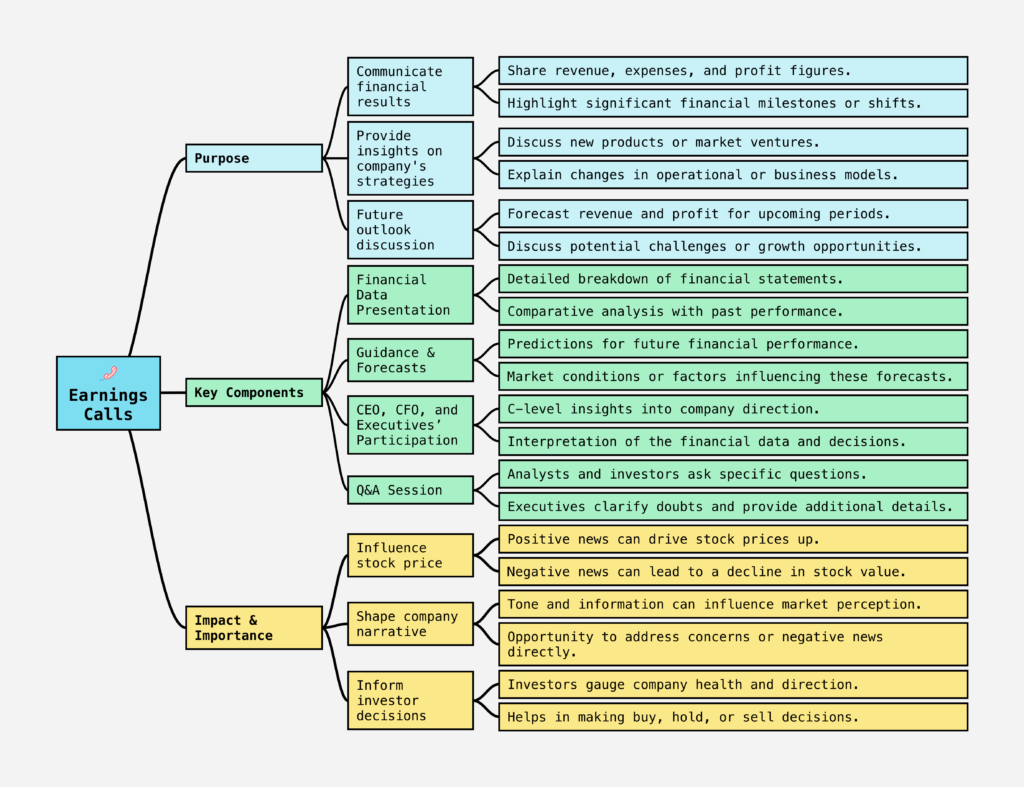
Corporate earnings announcements remain one of the most common drivers of market movers.
When companies significantly exceed or fall short of expectations, the effects can ripple far beyond a single stock.
For instance:
- A strong earnings report from a major retailer may lift the entire consumer sector.
- Weak semiconductor guidance might weigh on multiple chipmakers.
- Positive cloud-computing demand could boost technology infrastructure stocks.
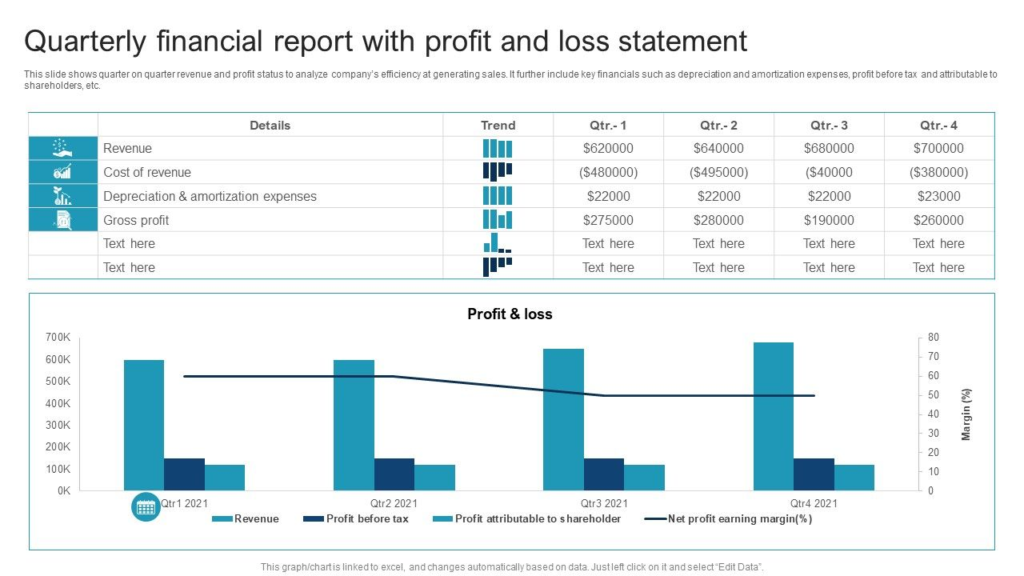
Data from FactSet regularly shows that earnings surprises can trigger price moves of 5–10% or more in a single trading session, particularly in high-growth industries.
Investors often monitor:
- revenue growth
- profit margins
- forward guidance
- management commentary
If several companies within the same sector deliver similar results, it can indicate a structural trend rather than an isolated event.
The Role of Institutional Investors
Another reason market movers matter is that many large price movements reflect institutional trading activity.
Institutional investors—including pension funds, hedge funds, and asset managers—control a large share of U.S. equity assets. According to estimates from the Investment Company Institute, institutional investors account for over 70% of U.S. equity market trading volume.
When these institutions adjust portfolios, their activity can create noticeable shifts in certain stocks.
Common triggers include:
- portfolio rebalancing
- sector rotation
- macroeconomic outlook changes
- interest rate expectations
- geopolitical developments
Because institutions manage large pools of capital, their actions can transform a single stock move into a broader market signal.
Economic Data and Market Movers
Major economic releases often trigger clusters of market movers across multiple sectors.
Key economic indicators include:
- inflation reports
- employment data
- consumer spending
- manufacturing activity
- central bank policy signals
For example, when inflation readings come in higher than expected, investors may anticipate tighter monetary policy from the Federal Reserve.
This can lead to:
- technology stocks falling
- financial stocks rising
- bond yields increasing
Conversely, weaker inflation data sometimes triggers rallies in growth stocks because lower interest rate expectations improve future valuation models.
These reactions help explain why analysts carefully observe which stocks move most after economic releases.
Market Breadth: Are Many Stocks Moving or Just a Few?
Not all market rallies—or declines—are equally healthy.
Analysts often evaluate market breadth, a measure of how widely gains or losses are distributed across the market.
Two scenarios illustrate the difference:
Narrow Market Leadership
Only a small group of large companies drives the market higher.
Possible implications:
- fragile rally
- concentrated investor confidence
- potential volatility ahead
Broad Market Participation
Many stocks across different sectors rise together.
Possible implications:
- stronger economic confidence
- sustainable momentum
- wider institutional support
Several recent market cycles have shown that broad participation typically leads to more durable bull markets, while narrow rallies sometimes struggle to maintain momentum.
How Retail Investors Can Interpret Market Movers
For individual investors, market movers can offer useful insights—if interpreted carefully.
Instead of chasing fast-moving stocks, many experienced investors use these signals to understand where capital is flowing.
Practical approaches include:
- Monitoring which sectors consistently appear among daily gainers.
- Watching for repeated earnings surprises within a specific industry.
- Observing unusual trading volume in major index components.
- Tracking analyst revisions after major market moves.
For example, if multiple infrastructure companies move higher following government spending announcements, it may suggest a longer-term theme rather than a short-term trade.
Market movers therefore work best as contextual indicators, not standalone investment decisions.
Common Misinterpretations of Market Movers
Despite their usefulness, market movers can also be misleading if viewed in isolation.
Short-term price movements often reflect temporary catalysts rather than lasting trends.
Examples include:
- speculative trading around news events
- short squeezes
- algorithmic trading spikes
- social media-driven speculation
Because of this, professional analysts usually combine market mover analysis with:
- macroeconomic data
- earnings trends
- valuation metrics
- technical indicators
This broader context helps determine whether a market move represents noise or meaningful signal.
What Today’s Market Movers May Reveal About Tomorrow
While no single trading session determines long-term market direction, clusters of market movers often highlight emerging narratives.
Some of the themes analysts frequently monitor include:
- shifting sector leadership
- changing interest rate expectations
- innovation-driven growth cycles
- consumer spending patterns
- geopolitical developments affecting commodities
When several of these signals appear simultaneously, they can shape investor expectations for weeks or even months ahead.
In many cases, market trends become visible first through daily market movers before appearing in major index movements.
Frequently Asked Questions
What are market movers in the stock market?
Market movers are stocks or assets experiencing unusually large price changes or trading volume during a specific period, often due to news, earnings reports, or broader economic developments.
Why do investors pay attention to market movers?
They often reveal shifts in investor sentiment, sector trends, and institutional capital flows that may influence broader market direction.
Do market movers predict future market performance?
Not directly. However, consistent patterns in market movers—such as sector leadership—can signal emerging trends.
Where can investors track daily market movers?
Financial news platforms, brokerage platforms, and major exchanges like the Nasdaq and the New York Stock Exchange publish daily lists of top gainers, losers, and most active stocks.
What usually causes a stock to become a market mover?
Common triggers include earnings announcements, economic data releases, analyst upgrades, mergers, and large institutional trades.
Are market movers more common during volatile markets?
Yes. Higher volatility often leads to larger price swings and more stocks appearing on daily market mover lists.
How do institutional investors influence market movers?
Because institutions manage large portfolios, their buying or selling activity can create significant price and volume changes.
Can market movers help identify new investment opportunities?
They can highlight emerging themes or sector momentum, but deeper analysis is necessary before making investment decisions.
Are small-cap stocks more likely to be market movers?
Small-cap stocks often move more dramatically due to lower liquidity, but large-cap companies can also become major market movers during significant news events.
How often should investors review market movers?
Many investors monitor them daily to stay aware of market sentiment and emerging trends.
Reading the Signals Behind the Noise
Market movers provide a valuable window into how investors are interpreting new information. While individual price swings may appear random, patterns across sectors, industries, and economic catalysts often reveal deeper trends shaping the market’s direction.
For investors who look beyond the headlines, market movers can serve as an early guide to where capital—and confidence—may be heading next.
Key Insights at a Glance
- Market movers highlight stocks experiencing unusual price or volume activity.
- Sector leadership among movers often signals broader economic expectations.
- Earnings surprises frequently trigger ripple effects across entire industries.
- Institutional trading plays a major role in creating significant market movements.
- Economic data releases can cause clusters of related market movers.
- Market breadth helps determine whether rallies are strong or fragile.
- Retail investors can use market movers to identify emerging trends.
- Short-term movements should always be evaluated within broader market context.