Recent U.S. tax policy updates—from inflation-adjusted tax brackets to evolving reporting rules and debates about expiring provisions—are influencing how Americans plan finances and run businesses. Understanding these changes can help households anticipate tax liabilities, evaluate credits and deductions, and prepare for possible reforms expected before 2025 when several major provisions of the 2017 tax law are scheduled to expire.
Why Tax Policy Updates Matter for Americans
Tax policy changes often receive attention during election cycles or major legislative debates, but smaller updates occur regularly and can significantly affect household finances. Adjustments to tax brackets, credits, deductions, and reporting requirements shape how much income Americans keep and how businesses make financial decisions.
Federal tax administration in the United States is handled by the Internal Revenue Service, which implements rules created by Congress and provides guidance to taxpayers. Even routine updates—such as inflation adjustments or new reporting standards—can affect millions of individuals.
For example, a modest increase in the standard deduction may lower taxable income for households. Meanwhile, a change in reporting rules for digital payments may require freelancers and small business owners to track income more carefully.
Understanding these updates helps Americans make informed decisions about budgeting, saving, and long-term financial planning.
Inflation Adjustments to Tax Brackets and Deductions
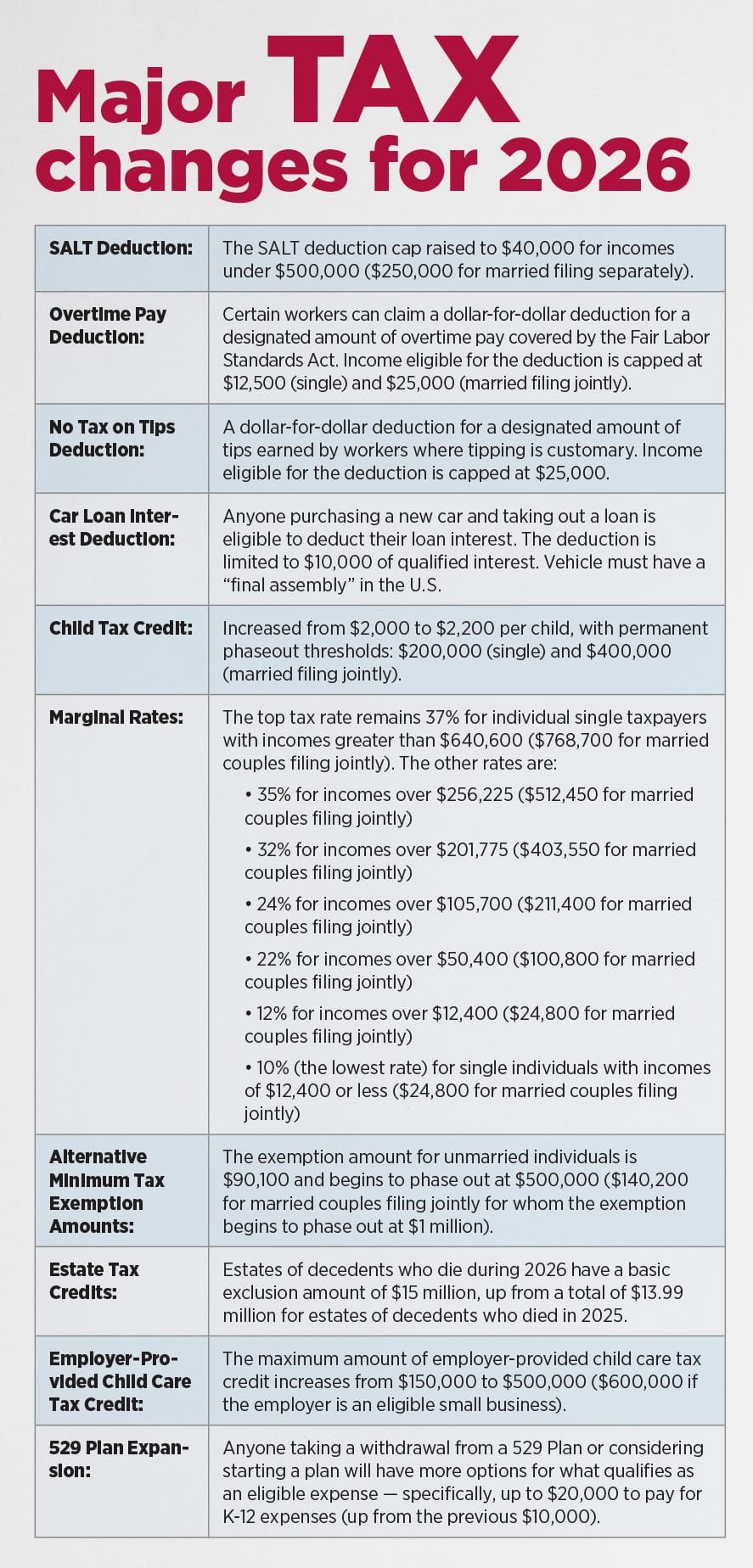
One of the most consistent annual tax updates involves inflation adjustments. These changes ensure that rising wages caused by inflation do not automatically push taxpayers into higher brackets.
Each year, federal tax brackets and standard deductions are adjusted based on inflation data.
Typical updates include:
- Higher income thresholds for tax brackets
- An increased standard deduction for individuals and couples
- Adjustments to retirement contribution limits
- Updates to certain tax credits and thresholds
For instance, when the standard deduction increases, households can reduce taxable income without itemizing deductions.
A married couple earning $85,000 annually might see a lower tax liability simply because the deduction threshold rises.
These adjustments often appear small individually but can affect overall tax burdens across millions of taxpayers.
The Expiration Timeline of the 2017 Tax Law
Much of the current tax conversation centers on the Tax Cuts and Jobs Act. The law introduced sweeping tax changes for both individuals and businesses.
However, several provisions affecting households are scheduled to expire after 2025.
If Congress does not extend them, the following changes could occur:
- Individual tax rates could revert to earlier levels
- The standard deduction could decrease
- The Child Tax Credit structure could change
- The pass-through business deduction may expire
- Estate tax exemptions may fall significantly
These potential changes are already shaping policy discussions among economists and lawmakers.
The Congressional Budget Office has noted that the expiration of these provisions could affect federal revenue and economic activity in the coming decade.
Changes Affecting Families and Household Budgets
Tax policies that affect families often attract significant attention because they directly influence household income.
The Child Tax Credit
The Child Tax Credit has been one of the most widely discussed policies in recent years. Temporary expansions during the pandemic increased the credit amount and allowed families to receive monthly payments.
Research from the U.S. Census Bureau indicated that these temporary expansions were associated with a decline in child poverty during the period they were implemented.
Although those temporary measures have expired, policymakers continue debating whether a revised version should be introduced.
Earned Income Tax Credit Updates
The Earned Income Tax Credit (EITC) supports low- and moderate-income workers by reducing tax liability and potentially increasing refunds.
Recent policy updates and proposals often focus on:
- Expanding eligibility for workers without children
- Adjusting income thresholds
- Improving access to the credit
These changes can significantly influence financial stability for working families.
Small Business Tax Updates
Small businesses represent a major portion of the American economy. According to the U.S. Small Business Administration, small businesses account for 99.9% of all U.S. companies.
Recent tax policy updates affecting small businesses include adjustments to deductions, reporting requirements, and investment incentives.
Pass-Through Business Deduction
Many small businesses operate as pass-through entities such as LLCs or S-corporations. Under current law, eligible owners may deduct up to 20% of qualified business income.
If this provision expires after 2025, many entrepreneurs could face higher taxable income.
For example:
- A consulting firm earning $200,000 annually could lose a deduction worth tens of thousands of dollars.
- A local retail store may reconsider hiring plans if tax costs increase.
Investment and Equipment Deductions
Tax rules often allow businesses to deduct equipment purchases more quickly through accelerated depreciation.
These deductions encourage investment in:
- Manufacturing equipment
- Technology upgrades
- Business vehicles
- Infrastructure improvements
Such incentives can help small businesses expand operations and improve productivity.
Gig Economy and Digital Payment Reporting
The rapid growth of the gig economy has prompted new reporting requirements for digital payments.
Millions of Americans now earn income through online platforms, freelance marketplaces, or digital payment apps.
Recent policy updates focus on improving income reporting from third-party platforms.
These rules aim to ensure that taxable income from digital sources is properly documented.
For gig workers, this means maintaining accurate records of:
- Payments received through platforms
- Business expenses
- Mileage or equipment costs
While the rules primarily target reporting accuracy, they also highlight the increasing importance of digital income streams in the U.S. economy.
Retirement Savings and Tax Policy
Tax policy also influences retirement planning. Updates to retirement contribution limits and tax treatment of savings accounts can affect long-term financial security.
Recent adjustments include higher contribution limits for:
- Employer-sponsored retirement plans
- Individual retirement accounts (IRAs)
These changes help Americans save more for retirement while reducing current taxable income.
For example, a worker contributing more to a retirement plan may reduce annual taxable income while building long-term savings.
What Economists Are Watching Next
Policy experts are monitoring several developments that could shape the next phase of U.S. tax reform.
Key areas of focus include:
- Expiration of individual tax provisions in 2025
- The future of family tax credits
- Corporate tax policy adjustments
- International tax rules affecting multinational companies
- Incentives for domestic manufacturing and innovation
These issues will likely dominate tax policy debates in the coming years.
The outcomes could influence federal revenue, economic growth, and household financial planning.
Practical Steps Americans Can Take Now
Although many future tax changes remain uncertain, individuals and businesses can take practical steps to stay prepared.
Helpful strategies include:
- Reviewing tax withholding annually
- Keeping organized financial records
- Tracking eligibility for credits and deductions
- Consulting tax professionals when making major financial decisions
For small businesses, year-round tax planning often leads to better financial outcomes than last-minute filing strategies.
Staying informed about policy updates allows taxpayers to adapt more effectively when rules change.
Frequently Asked Questions
1. What are the most recent U.S. tax policy updates?
Recent updates include inflation adjustments to tax brackets, changes to reporting requirements for digital payments, and discussions about expiring provisions from the 2017 tax law.
2. When will major tax changes occur?
Many significant provisions from the 2017 tax law are scheduled to expire after 2025 unless Congress acts.
3. How do tax bracket adjustments help taxpayers?
They prevent inflation from pushing taxpayers into higher brackets when income increases are mainly due to rising prices.
4. What is the standard deduction?
It is a fixed amount that reduces taxable income for taxpayers who do not itemize deductions.
5. How do tax credits differ from deductions?
Credits directly reduce tax owed, while deductions reduce the amount of income subject to tax.
6. Why are gig economy reporting rules changing?
The goal is to improve income reporting accuracy as more Americans earn income through digital platforms.
7. How do tax policy updates affect small businesses?
Changes can influence deductions, reporting requirements, and the cost of investment or hiring.
8. What role does the IRS play in tax policy?
The IRS administers tax laws and provides guidance to taxpayers on compliance and reporting.
9. Should taxpayers adjust withholding when policies change?
In many cases, adjusting withholding can help prevent unexpected tax bills.
10. Where can Americans track official tax updates?
Government agencies, research institutions, and federal publications provide reliable updates on tax policy changes.
Navigating the Evolving Tax Landscape
Tax policy updates rarely attract attention until filing season arrives, yet they shape many financial decisions Americans make throughout the year. Adjustments to deductions, credits, and reporting rules influence everything from household budgets to business investments.
By staying informed about recent policy updates and upcoming reform debates, taxpayers can make smarter financial choices and avoid surprises when new regulations take effect.
As policymakers consider future reforms, Americans who monitor these changes will be better positioned to adapt to an evolving tax environment.
Key Signals From Today’s Tax Policy Changes
- Inflation adjustments continue to influence tax brackets and deductions
- Several provisions from the 2017 tax law may expire after 2025
- Family tax credits remain central to policy debates
- Small-business deductions could change in future reforms
- Digital income reporting rules are expanding