Recent U.S. tax policy changes are shaping how households and small businesses plan finances, manage deductions, and prepare for future reforms. From evolving reporting rules to potential changes tied to expiring provisions in the 2017 tax law, Americans face a shifting landscape. Understanding these updates can help families budget more effectively and help business owners make informed decisions about compliance, investment, and long-term growth.
Why Tax Policy Changes Matter to Everyday Americans
Tax policy is often discussed in Washington, but its real impact appears in everyday financial decisions—how families budget, how businesses invest, and how communities grow. Changes to tax rules influence disposable income, hiring decisions, and even whether a small business expands or delays major purchases.
In the United States, federal tax policy is largely administered by the Internal Revenue Service, which interprets legislation passed by Congress and issues guidance on compliance and reporting. For individuals and businesses alike, even modest adjustments—such as changes to tax credits, reporting thresholds, or deductions—can shift financial planning strategies.
For example, a family might see a different refund amount due to updates in child tax credit rules, while a small retail shop might adjust hiring plans if deductions for equipment or payroll change.
Understanding these policy shifts helps Americans do more than stay compliant—it helps them plan.
The Policy Backdrop: A Changing Tax Landscape
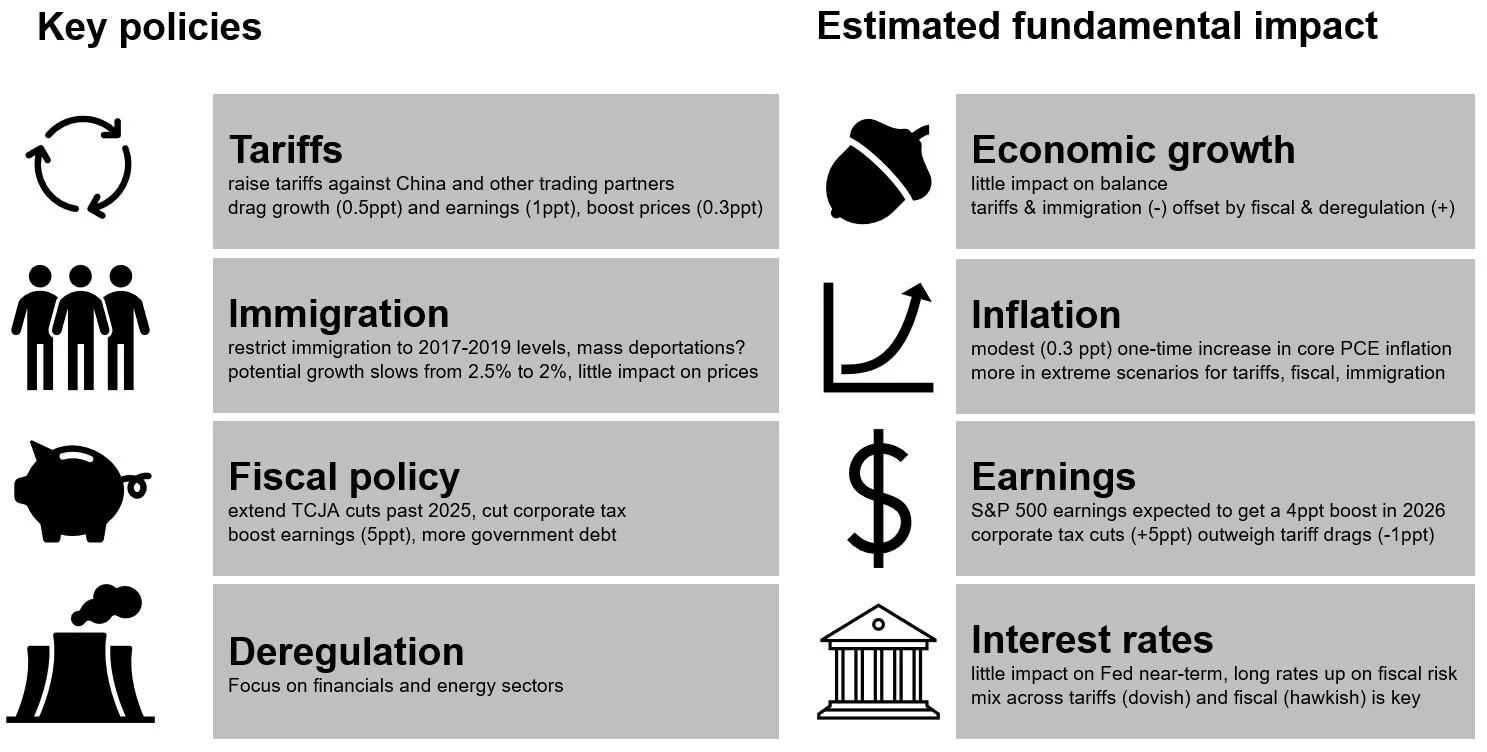
Much of today’s discussion about tax reform is linked to provisions from the Tax Cuts and Jobs Act (TCJA), which introduced sweeping tax changes in 2017.
Several provisions affecting individuals and small businesses are scheduled to expire after 2025. As a result, policymakers, economists, and business groups are debating how the next phase of tax reform should look.
Key policy conversations include:
- Whether individual tax rates introduced in 2017 should remain or revert
- The future of the Qualified Business Income (QBI) deduction
- Potential adjustments to corporate tax rates
- Changes to tax credits supporting families and workers
- Reporting requirements tied to digital payments and gig-economy income
These issues matter because they influence both household budgets and the operating environment for millions of small businesses.
What Households May Notice First
For most Americans, the immediate effects of tax policy changes show up during tax filing season or when planning monthly budgets.
1. Adjustments to Tax Credits
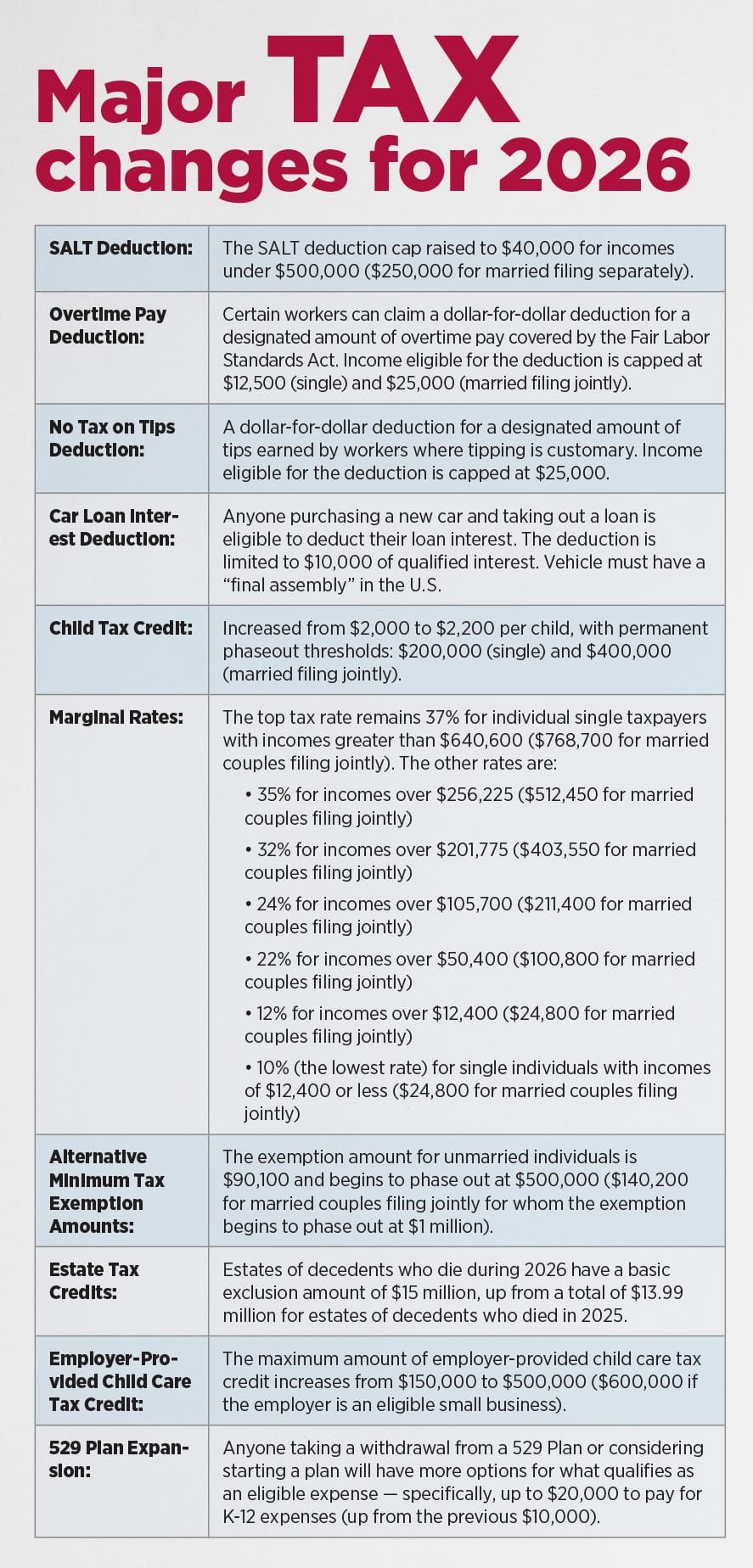
Tax credits—such as the Child Tax Credit or Earned Income Tax Credit—can significantly influence refunds or tax liabilities.
For example, expansions of the Child Tax Credit during the pandemic temporarily increased benefits for families. While those expansions have largely expired, policymakers continue debating new versions of family-focused tax credits.
Families with two children could see thousands of dollars difference in refunds depending on the final structure of these policies.
2. Standard Deduction and Bracket Changes
Tax brackets and standard deductions are adjusted annually for inflation. These adjustments can help offset the impact of rising costs.
In practical terms:
- Some households may move into a slightly lower effective tax bracket.
- Others may see reduced taxable income due to higher standard deductions.
Although these adjustments may appear modest, they can affect take-home income across millions of households.
3. Reporting Rules for Gig and Online Income
More Americans now earn income from freelancing, digital marketplaces, or app-based work. Updated reporting thresholds—particularly for digital payment platforms—mean more individuals may receive tax forms documenting earnings.
For gig workers, this shift can lead to greater visibility of income streams and a stronger need for accurate recordkeeping.
How Small Businesses Are Affected
Small businesses operate at the intersection of tax policy and economic growth. Policy adjustments influence cash flow, hiring, and long-term investment decisions.
According to federal guidance on small business taxation, maintaining accurate financial records and understanding applicable deductions is essential for compliance and financial planning.
Here are several ways tax policy changes affect small business owners.
Pass-Through Deduction Uncertainty
Many small businesses operate as pass-through entities such as LLCs, partnerships, or S-corporations. The Qualified Business Income deduction allows eligible businesses to deduct up to 20% of certain income.
If the deduction expires or changes after 2025, many business owners could face higher taxable income.
For a consulting firm earning $200,000 annually, losing that deduction could significantly increase tax obligations.
Equipment and Investment Deductions
Tax policies often allow businesses to deduct equipment purchases or investments more quickly through accelerated depreciation rules.
For example:
- Buying new machinery
- Upgrading computers or office equipment
- Investing in business vehicles
These deductions can improve short-term cash flow, encouraging businesses to invest in productivity.
Payroll and Hiring Costs
Changes to payroll tax credits or employee-related deductions can influence hiring decisions.
A small construction company, for instance, may decide whether to add new workers based partly on available tax incentives and labor cost structures.
Practical Example: A Family-Owned Business
Consider a family-owned bakery operating in Ohio.
The business generates about $350,000 in annual revenue and employs six workers. The owners also file taxes jointly as a household.
Tax policy changes could affect them in several ways:
- The business may rely on pass-through deductions to reduce taxable income.
- Equipment deductions might allow them to invest in new ovens.
- Changes to family tax credits could influence the owners’ personal finances.
In other words, a single tax reform can influence both sides of their financial life—household budgeting and business strategy.
Administrative Changes: Digital Tools and Reporting
The IRS has been expanding digital tools to make tax management easier for individuals and businesses.
New platforms allow business owners to:
- View tax account information online
- File certain returns electronically
- Communicate securely with tax representatives
- Access digital forms optimized for mobile devices
These digital services help reduce paperwork and improve communication between taxpayers and the agency.
For small business owners juggling multiple responsibilities, these changes can save valuable time.
What Economists Are Watching Next
Policy experts are closely monitoring several developments likely to shape U.S. tax policy in the coming years.
Key Areas of Focus
- Expiration of TCJA provisions in 2025
- Corporate tax rate discussions
- Future of family tax credits
- Tax treatment of gig economy income
- Investment incentives for small businesses
Each of these topics could influence both economic growth and household finances.
Smart Financial Planning During Policy Changes
When tax rules evolve, the most successful households and businesses focus on preparation rather than reaction.
A few practical strategies include:
- Reviewing tax withholding annually
- Maintaining organized financial records
- Consulting a qualified tax professional for major financial decisions
- Monitoring policy discussions ahead of scheduled changes
For small businesses, tax planning is often a year-round process rather than a once-a-year task.
Frequently Asked Questions
1. What recent tax changes affect U.S. households the most?
Inflation-adjusted tax brackets, evolving tax credit policies, and updated reporting rules for digital payments are among the most noticeable changes for households.
2. How do tax reforms affect small businesses?
They can influence deductions, hiring costs, investment decisions, and overall tax liability for pass-through entities.
3. What is the Qualified Business Income deduction?
It allows eligible small business owners to deduct up to 20% of qualified business income under current federal tax rules.
4. Are tax rules expected to change after 2025?
Yes. Several provisions from the 2017 tax law are scheduled to expire, which could reshape tax rates and deductions.
5. Why are digital payment reporting rules changing?
The goal is to improve transparency and ensure income from online platforms is accurately reported.
6. Do tax policy changes affect refunds?
Yes. Adjustments to credits, deductions, and tax brackets can influence refund amounts.
7. Should small businesses hire a tax advisor?
Many experts recommend working with a CPA or tax advisor, especially when navigating complex deductions or structural changes.
8. What records should small businesses keep for taxes?
Businesses should maintain documentation of income, expenses, payroll records, receipts, and financial statements.
9. Are tax policy changes always immediate?
Not always. Many reforms are phased in gradually or tied to future expiration dates.
10. Where can business owners find official tax guidance?
Official guidance is typically available through the Internal Revenue Service website and related federal publications.
Looking Ahead: Preparing for the Next Phase of U.S. Tax Reform
Tax policy in the United States evolves gradually, often through a series of legislative adjustments rather than a single sweeping reform. For households and small businesses, the key takeaway is preparation.
Families benefit from understanding how credits and deductions affect annual budgets. Business owners benefit from planning investments and maintaining strong financial records.
As policymakers debate the next phase of tax reform, Americans who stay informed and proactive will be best positioned to adapt.
Key Insights From Today’s Tax Policy Shifts
- Many provisions from the 2017 tax law may change after 2025
- Tax credits and deductions can significantly affect household finances
- Pass-through deductions remain crucial for small businesses
- Digital reporting and IRS tools are expanding
- Strategic planning helps households and businesses adapt to evolving tax rules