Summary
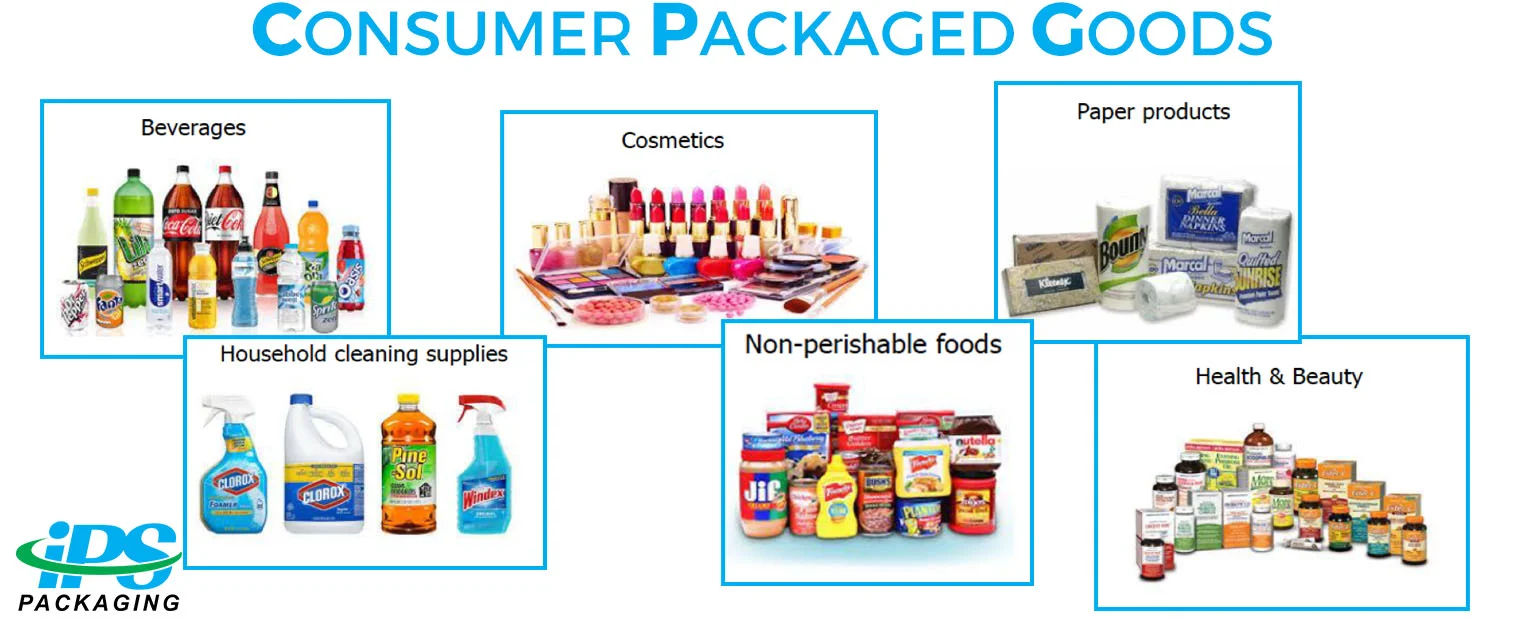
Consumer goods companies are experiencing a surge of mergers, acquisitions, brand divestitures, and strategic partnerships. Rising costs, shifting consumer preferences, digital commerce, and private-label competition are reshaping the industry. This article explains what’s fueling the activity, how companies are responding, and what investors, retailers, and consumers should understand about the evolving landscape of the U.S. consumer goods sector.
Understanding the Surge in Consumer Goods Deal Activity
The consumer goods sector has always been competitive, but the past several years have brought an unusually high level of strategic movement. Large manufacturers are selling underperforming brands, acquiring fast-growing niche companies, and forming partnerships that allow them to adapt to rapidly changing consumer expectations.
According to data from organizations like the Consumer Brands Association and PwC’s Consumer Markets Deals Insights, deal activity in consumer goods has been heavily influenced by three converging forces: consumer behavior shifts, supply chain disruptions, and the rapid expansion of digital commerce.
These changes have forced companies to rethink product portfolios, distribution models, and growth strategies. In many cases, the result is an accelerated pace of mergers and acquisitions (M&A), brand spin-offs, and joint ventures.
For example, large multinational companies have increasingly acquired emerging brands that built their reputation online through direct-to-consumer sales. Meanwhile, legacy brands that struggle to resonate with younger buyers are often divested to smaller operators specializing in brand revitalization.
This movement reflects a broader reality: consumer goods companies must remain agile to stay competitive in a market where trends can shift quickly.

Key Forces Driving Market Movement
Several structural changes are pushing consumer goods companies to rethink their strategies. While some of these forces have existed for years, their impact has intensified recently.
1. Shifting Consumer Preferences
American consumers are buying differently than they did even five years ago. Health awareness, sustainability concerns, and interest in transparency have changed how shoppers evaluate products.
Consumers increasingly prioritize:
- Clean ingredients and minimal processing
- Environmentally responsible packaging
- Ethical sourcing practices
- Transparent labeling
- Brands that align with personal values
For example, the rapid growth of plant-based foods illustrates how consumer demand can reshape entire product categories. Established food companies have responded by either launching their own plant-based lines or acquiring startups already trusted by health-conscious shoppers.
The same pattern appears in beauty and personal care, where consumers favor cruelty-free and natural formulations.
2. The Rise of Direct-to-Consumer Brands
The digital marketplace has dramatically lowered the barriers to launching consumer goods brands.
Direct-to-consumer (DTC) companies can build large audiences through social media marketing, influencer partnerships, and online marketplaces without relying on traditional retail distribution. Many of these brands grow rapidly by targeting specific niches.
Examples include:
- Subscription-based household products
- Specialized nutrition and wellness supplements
- Sustainable apparel brands
- Premium pet food startups
Once these companies reach a certain scale, they often become attractive acquisition targets for larger corporations looking to diversify their portfolios and reach younger consumers.
For major consumer goods companies, acquiring a successful DTC brand can be faster and less risky than developing a new brand internally.
3. Retail Transformation and Private Labels
Retailers have become more powerful players in the consumer goods ecosystem.
Large retail chains increasingly develop private-label brands that compete directly with national brands. These products often provide similar quality at lower prices, making them appealing during periods of economic uncertainty.
Retailers also have access to detailed customer purchasing data, allowing them to identify gaps in product offerings and develop targeted alternatives.
This shift has pressured traditional consumer goods companies to innovate more quickly and differentiate their products. In response, many companies are focusing on premiumization, niche product lines, and brand storytelling.
4. Inflation and Cost Pressures
Inflation has significantly impacted the consumer goods sector.
Higher costs for raw materials, transportation, packaging, and labor have forced companies to reassess operations. Many companies have responded with price increases, but those increases can risk losing price-sensitive customers.
To manage cost pressures, companies are increasingly:
- Consolidating manufacturing operations
- Divesting low-margin product lines
- Acquiring suppliers to secure inputs
- Investing in automation and logistics efficiency
Strategic deals often emerge from these cost-management efforts, as companies seek scale advantages that reduce operational expenses.

5. Portfolio Optimization by Major Corporations
Large consumer goods companies are increasingly focused on portfolio simplification. Instead of managing dozens or hundreds of brands, many corporations now concentrate on their most profitable and fastest-growing categories.
This strategy often leads to two types of transactions:
- Divestitures – Selling legacy brands that no longer align with the company’s strategic focus.
- Targeted acquisitions – Buying companies that expand growth categories.
For instance, a company historically focused on processed foods might sell slower-growing snack brands while acquiring companies specializing in healthier convenience foods.
This approach allows corporations to redirect capital and marketing resources toward areas with stronger long-term growth potential.
How Supply Chain Disruptions Changed Strategy
The global supply chain disruptions of the early 2020s exposed vulnerabilities across the consumer goods sector. Companies that relied heavily on single-source suppliers or overseas manufacturing faced significant delays and rising costs.
In response, many organizations began redesigning their supply networks. Strategic acquisitions and partnerships have become common tools for strengthening supply chain resilience.
Companies are increasingly pursuing:
- Vertical integration with ingredient suppliers
- Domestic manufacturing investments
- Regional distribution networks
- Technology platforms that improve demand forecasting
These changes are intended not only to reduce risk but also to improve speed-to-market for new products.
The Role of Data and Technology in Strategic Decisions
Consumer goods companies now rely heavily on advanced analytics to guide their growth strategies.
Retail sales data, social media sentiment, and e-commerce performance metrics provide real-time insights into emerging consumer preferences. This data allows companies to identify promising product categories earlier than in the past.
For example, analytics tools can reveal rapid growth in specific dietary trends or beauty ingredients. Companies can then pursue acquisitions or partnerships in those niches before competitors recognize the opportunity.
Technology is also reshaping manufacturing and logistics operations. Automation, predictive maintenance, and AI-driven demand forecasting help companies reduce costs and manage complex product portfolios.
As a result, technology investments often accompany major mergers or partnerships in the sector.
Investors Are Increasingly Interested in Consumer Brands
Private equity firms and venture capital funds have shown strong interest in consumer goods brands with strong customer loyalty and digital growth potential.
Unlike many industries, consumer goods brands often build long-lasting emotional connections with customers. When a brand establishes trust and authenticity, it can maintain strong margins and repeat purchases.
Investors frequently target companies with characteristics such as:
- Strong e-commerce sales growth
- High customer retention rates
- Distinctive brand identity
- Clear differentiation in crowded categories
- Scalable production capabilities
Once acquired, these brands often receive additional capital to expand distribution into major retail channels.
Practical Examples of Market Movement
The activity in consumer goods is easier to understand when looking at real-world patterns.
Over the past decade, several trends have repeatedly appeared in major deals across the industry.
1. Large food companies acquiring healthier brands
Traditional packaged food companies have purchased smaller brands focused on organic ingredients, plant-based foods, and functional nutrition.
2. Beauty conglomerates acquiring indie brands
Major beauty companies often acquire fast-growing skincare or cosmetics brands that built large followings on social media platforms.
3. Household goods companies investing in sustainability
Brands offering refillable packaging, biodegradable materials, or reduced plastic usage have attracted strategic partnerships.
4. Pet care expansion
The premium pet food and wellness market has become one of the fastest-growing segments in consumer goods, prompting significant acquisition activity.
These examples highlight how corporations use acquisitions to adapt to consumer behavior faster than traditional product development cycles would allow.
What This Means for Retailers and Consumers
For retailers, the changing consumer goods landscape offers both opportunities and challenges.
Retailers benefit from a wider variety of innovative products entering the market. However, the rapid turnover of brands and product lines can complicate inventory planning and shelf management.
Consumers, meanwhile, often benefit from increased competition and innovation. New brands frequently introduce healthier formulations, improved packaging, and more specialized products.
At the same time, consolidation in certain categories can reduce the number of independent competitors over time. This dynamic creates ongoing tension between innovation and industry concentration.
Frequently Asked Questions
Why are consumer goods companies acquiring smaller brands?
Smaller brands often respond faster to emerging consumer trends. Acquiring them allows larger companies to access new audiences, product innovations, and brand credibility more quickly.
What industries within consumer goods see the most M&A activity?
Food and beverage, beauty and personal care, wellness products, and pet care are among the most active segments.
How does inflation affect consumer goods companies?
Inflation raises costs for ingredients, packaging, transportation, and labor. Companies respond by raising prices, cutting costs, or restructuring product portfolios.
Are private-label brands hurting national brands?
Private labels create strong competition, especially during economic downturns. However, national brands still maintain advantages through marketing, innovation, and brand loyalty.
Why are direct-to-consumer brands attractive acquisition targets?
DTC brands often have strong customer relationships, valuable data insights, and efficient digital marketing strategies.
What role does sustainability play in acquisitions?
Sustainability has become a major factor. Companies increasingly acquire brands that demonstrate environmentally responsible practices.
Are consumer goods companies investing more in technology?
Yes. Data analytics, supply chain automation, and AI-driven forecasting tools are becoming essential for managing complex product portfolios.
How do investors evaluate consumer brands?
Investors often focus on growth rate, customer loyalty, brand differentiation, and scalability.
Will consolidation reduce product variety?
Not necessarily. Large corporations often maintain acquired brands as independent product lines to preserve their identity and customer appeal.
What should consumers expect in the future?
Consumers will likely see more specialized products, stronger sustainability commitments, and continued innovation in packaging and ingredients.
The Strategic Road Ahead for Consumer Brands
The consumer goods sector is entering a period where adaptability matters more than scale alone. Companies that succeed will be those capable of recognizing emerging trends early, investing in technology, and maintaining strong connections with consumers.
Deal activity will likely remain strong as corporations refine their portfolios and compete for fast-growing niche brands. For industry leaders, the challenge is balancing operational efficiency with the agility needed to keep pace with evolving consumer expectations.
In the years ahead, the most successful companies will be those that combine the resources of large organizations with the creativity and responsiveness of entrepreneurial brands.
Key Signals to Watch in the Consumer Goods Market
- Consumer preferences are shifting toward health, sustainability, and transparency.
- Direct-to-consumer brands are influencing acquisition strategies.
- Retailers are strengthening private-label competition.
- Supply chain resilience is becoming a strategic priority.
- Investors continue targeting brands with strong digital growth.
Industry Insight Snapshot
- Consumer goods companies are restructuring portfolios to stay competitive
- Digital brands are influencing acquisition strategies
- Supply chain resilience is now a strategic priority
- Private labels continue reshaping retail competition
- Investors see strong long-term value in consumer brands