
Summary
Healthcare continues to produce some of the most closely watched market movers in the U.S. economy. From artificial intelligence in diagnostics to weight-loss drugs and telehealth platforms, investors are focusing on companies solving real healthcare challenges. Understanding where capital is flowing—and why—helps investors, policymakers, and healthcare professionals anticipate the next phase of innovation and market growth.
Why Healthcare Continues to Attract Investor Capital
Healthcare has always been one of the most resilient sectors in the U.S. economy. Demand for care rarely declines during economic downturns, and aging demographics continue to expand the market. According to the Centers for Medicare & Medicaid Services, U.S. healthcare spending reached $4.5 trillion in 2022, representing nearly 17% of the national GDP.
For investors, that level of spending creates enormous opportunity.
But healthcare investing is not just about scale. The sector is undergoing rapid structural change driven by:
- Advances in biotechnology
- Digital transformation in care delivery
- Artificial intelligence applications
- Shifts toward value-based care
- Demographic pressures from an aging population
Because of these trends, certain companies and subsectors are emerging as market movers—organizations capturing investor attention through growth potential, disruptive technology, or strong financial performance.
Understanding what drives investor interest can reveal where the healthcare industry is heading next.

The Weight-Loss Drug Boom: GLP-1 Medications Reshaping Pharma
One of the biggest stories in healthcare markets over the past two years has been the explosive demand for GLP-1 weight-loss drugs.
Medications originally designed to treat diabetes are now widely prescribed for obesity management. Drugs such as semaglutide have gained massive popularity due to their ability to help patients lose 15–20% of body weight in clinical trials.
The financial implications are enormous.
Analysts from Morgan Stanley estimate that the global obesity drug market could exceed $100 billion annually by the early 2030s. That projection has pushed pharmaceutical companies developing GLP-1 therapies to the forefront of investor conversations.
Why investors are paying attention:
- Strong patient demand
- High pricing power
- Chronic, long-term treatment models
- Expanding insurance coverage
- Ongoing research into additional health benefits
Some analysts even believe weight-loss drugs could influence other sectors, including:
- Health insurers
- Food companies
- Medical device manufacturers
If obesity rates decline significantly over time, the ripple effects across healthcare spending could be substantial.
Artificial Intelligence in Healthcare: From Research to Real Revenue
Artificial intelligence has moved from theoretical promise to operational reality in healthcare.
Hospitals and healthcare companies are deploying AI tools across several high-impact areas:
- Medical imaging analysis
- Drug discovery
- Clinical documentation automation
- Predictive patient monitoring
- Hospital workflow optimization
For investors, the appeal lies in AI’s potential to reduce healthcare system inefficiencies. The U.S. healthcare system loses billions annually due to administrative complexity and operational bottlenecks.
AI-powered tools that improve efficiency can generate both cost savings and new revenue streams.
For example:
- AI-assisted radiology platforms can help detect abnormalities earlier.
- Clinical documentation tools reduce physician burnout by automating medical notes.
- Predictive analytics systems help hospitals identify high-risk patients before complications occur.
Major health systems are increasingly partnering with technology companies to implement these systems, creating a rapidly expanding market.
Some venture capital firms now consider AI-driven healthcare infrastructure one of the most promising investment themes of the decade.
Biotechnology Breakthroughs: Gene Therapy and Precision Medicine
Biotechnology continues to produce some of the most transformative medical innovations—and some of the most volatile market movements.
Two areas generating particularly strong investor interest are:
Gene therapy and precision medicine.
Gene therapy treatments aim to address diseases at their genetic root rather than managing symptoms. Several therapies targeting rare genetic disorders have already received FDA approval.
While the patient populations are small, the treatments can carry prices exceeding $1 million per patient due to their potentially curative nature.
Precision medicine, meanwhile, focuses on tailoring treatments to individual patient characteristics, particularly genetic profiles.
Examples include:
- Targeted cancer therapies
- Personalized immunotherapy
- Companion diagnostics that identify patients most likely to benefit from specific drugs
Investors often view biotechnology as high-risk, high-reward. A single clinical trial success can dramatically increase a company’s valuation, while failed trials can lead to steep declines.
However, the long-term potential of biotechnology keeps capital flowing into the sector.
Telehealth and Digital Care Platforms Continue Evolving
Telehealth experienced explosive growth during the COVID-19 pandemic, and while usage has stabilized, digital care platforms remain a key focus for investors.
Telemedicine has evolved beyond simple video consultations. Today’s digital healthcare companies provide integrated platforms that combine:
- Virtual physician visits
- Remote patient monitoring
- Mental health services
- Prescription management
- Chronic disease management programs
Employers and insurers increasingly adopt these platforms because they can:
- Reduce emergency room visits
- Improve chronic condition management
- Increase patient access in underserved regions
Digital health companies are also experimenting with hybrid care models that blend virtual services with in-person clinics.
This model appeals to investors because it can scale more efficiently than traditional brick-and-mortar healthcare systems.
Healthcare Data and Analytics: The Hidden Infrastructure Opportunity
While biotech and pharmaceuticals often dominate headlines, some of the most consistent investor interest lies in healthcare data infrastructure.
Healthcare generates enormous amounts of data:
- Electronic health records
- Insurance claims
- Medical imaging
- Genomic sequencing
- Clinical trial data
However, much of this information remains fragmented across systems.
Companies developing tools that organize, analyze, and secure healthcare data are becoming critical players in the industry.
These solutions help stakeholders:
- Improve clinical decision-making
- Detect fraud and billing errors
- Identify treatment effectiveness
- Optimize hospital operations
- Support population health management
Because data infrastructure underpins multiple healthcare segments, investors often see these companies as relatively stable long-term opportunities.
Aging Demographics: A Structural Tailwind for Healthcare Markets
The aging U.S. population represents one of the most powerful drivers of healthcare investment.
According to the U.S. Census Bureau:
- By 2030, all baby boomers will be older than 65.
- Adults over 65 will represent more than 20% of the population.
Older adults typically require more medical services, including:
- Chronic disease management
- Cardiovascular care
- Orthopedic procedures
- Cancer treatment
- Long-term care services
As a result, investors are paying closer attention to companies operating in areas such as:
- Home healthcare
- Senior-focused primary care
- Medical devices for age-related conditions
- Chronic disease management platforms
Companies that help healthcare systems deliver efficient care for aging populations could see sustained growth over the next several decades.
Regulatory and Policy Factors Still Shape Healthcare Markets
Healthcare investment opportunities rarely exist in isolation from government policy.
In the United States, federal programs such as Medicare and Medicaid heavily influence healthcare economics.
Regulatory decisions can affect:
- Drug pricing
- Insurance reimbursement rates
- Telehealth reimbursement rules
- Medical device approval timelines
Recent legislation has introduced provisions allowing Medicare to negotiate prices for certain high-cost drugs. While the full impact remains uncertain, the policy has already influenced investor sentiment in parts of the pharmaceutical industry.
Savvy investors often monitor regulatory developments closely because policy changes can shift entire market segments.
What Experienced Investors Look for in Healthcare Market Movers
Healthcare investing requires balancing scientific innovation with financial fundamentals.
Professional investors often evaluate healthcare companies using several criteria:
- Clinical evidence supporting a therapy or technology
- Regulatory pathway clarity
- Scalable business models
- Strong intellectual property protections
- Market size and unmet medical need
- Management teams with healthcare expertise
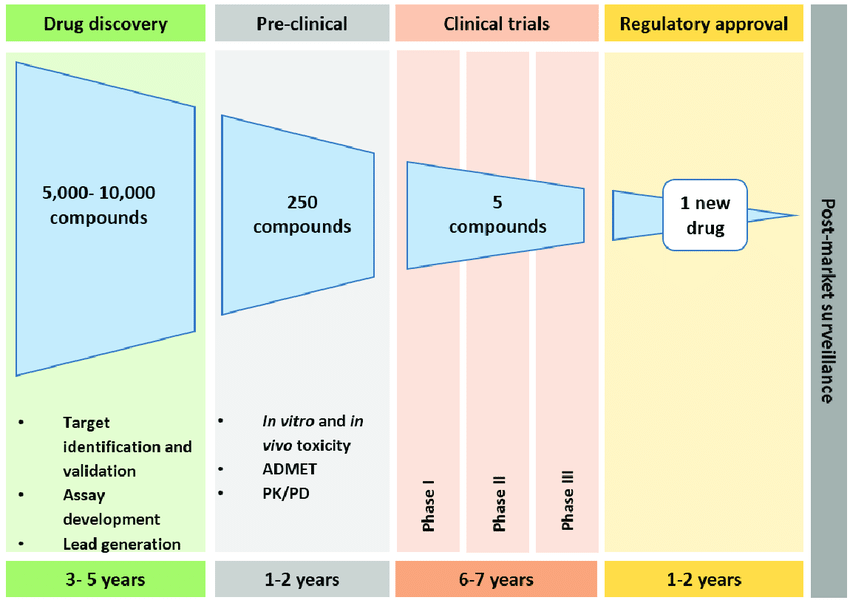
Unlike many technology sectors, healthcare innovations must often pass years of testing and regulatory review before reaching commercial markets.
Companies that successfully navigate this process can generate long-term competitive advantages.
Frequently Asked Questions
What makes a healthcare company a “market mover”?
A market mover typically introduces new technology, treatments, or business models that significantly influence investor sentiment and industry direction.
Why is healthcare considered a defensive investment sector?
Healthcare demand remains relatively stable regardless of economic cycles because people require medical care regardless of economic conditions.
Are biotechnology stocks riskier than other healthcare investments?
Yes. Biotechnology companies often rely on clinical trial outcomes, which can significantly affect valuations.
Why are weight-loss drugs receiving so much investor attention?
Clinical success and massive global demand suggest the obesity treatment market could become one of the largest pharmaceutical markets.
How does artificial intelligence impact healthcare investment?
AI can reduce administrative costs, improve diagnostics, and accelerate drug discovery, creating new revenue opportunities.
Is telehealth still growing after the pandemic?
Yes, although growth has stabilized. Many healthcare systems now integrate telehealth as a permanent part of care delivery.
What role does the aging population play in healthcare markets?
An aging population increases demand for medical services, pharmaceuticals, and chronic disease management.
How do government policies affect healthcare stocks?
Regulations related to pricing, reimbursement, and approvals can influence company revenues and market valuations.
What healthcare segments are venture capital firms investing in most?
AI healthcare tools, digital health platforms, biotechnology, and healthcare data infrastructure.
Can individual investors participate in healthcare innovation?
Yes. Investors often gain exposure through healthcare-focused ETFs, mutual funds, or publicly traded healthcare companies.
Reading the Signals Behind Healthcare’s Next Wave
Healthcare market movers rarely emerge overnight. They typically reflect deeper structural shifts in technology, demographics, and healthcare delivery models.
Weight-loss drugs highlight how medical breakthroughs can reshape entire industries. Artificial intelligence is redefining healthcare operations. Biotechnology continues pushing the boundaries of treatment possibilities.
For investors, the key is not chasing headlines but understanding the long-term forces driving healthcare innovation.
The companies capturing attention today are often those solving the system’s most pressing challenges: improving outcomes, reducing costs, and expanding access to care.
Those forces are unlikely to fade anytime soon.
Key Signals Investors Are Watching
- Breakthrough drug approvals
- AI adoption in clinical environments
- Growth of digital healthcare platforms
- Aging population care solutions
- Healthcare data infrastructure expansion
- Precision medicine advancements