Summary
Financial markets respond rapidly to news—from economic data releases and corporate earnings to geopolitical developments and central bank policy signals. Understanding the drivers behind market reactions helps investors interpret volatility and make informed decisions. This guide explains the key market movers, why news matters to investors, and how individuals can analyze headlines, data, and trends to better navigate the stock market.
Why Markets React to News
Financial markets are essentially pricing machines. Every day, traders, institutional investors, and algorithms attempt to estimate the future value of companies, currencies, commodities, and bonds. News acts as new information that can shift those expectations.
When markets receive unexpected information—such as inflation rising faster than predicted or a major company missing earnings expectations—prices adjust quickly to reflect the new outlook.
For example, when the U.S. Consumer Price Index (CPI) report shows inflation above forecasts, markets may react within seconds. Treasury yields can spike, technology stocks might decline due to higher interest-rate expectations, and the U.S. dollar may strengthen.
The reason is simple: financial markets constantly reprice assets based on expected future conditions.
Major news-driven reactions typically occur because investors are reassessing one of three things:
- Future economic growth
- Interest rate expectations
- Corporate profitability
Understanding how these factors interact can help investors interpret why markets move after headlines break.

Economic Data Releases: The Market’s Early Signals
Economic reports are among the most consistent market-moving events in the United States. These reports provide measurable insights into the health of the economy and influence monetary policy decisions.
Some of the most closely watched reports include:
- Inflation data (CPI and PCE)
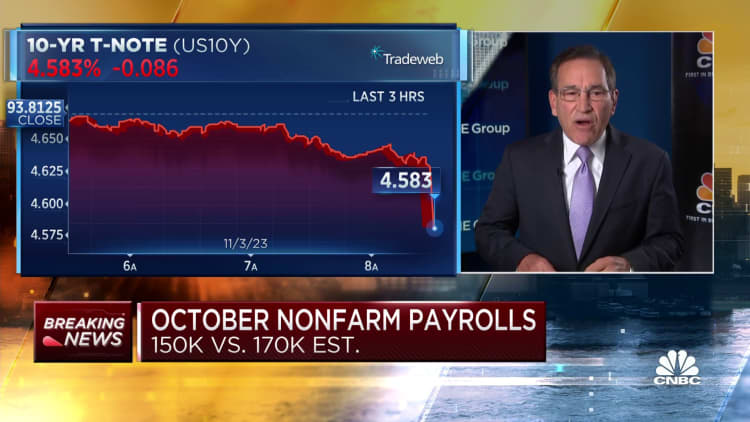
- U.S. employment reports (Nonfarm Payrolls)
- GDP growth estimates
- Retail sales and consumer spending data
- Manufacturing indicators such as the ISM Index
When these reports differ significantly from expectations, markets often react immediately.
For example, in 2022 and 2023, stronger-than-expected inflation data repeatedly triggered stock market selloffs as investors anticipated more aggressive interest rate hikes from the Federal Reserve.
Conversely, weaker economic data sometimes causes stock rallies if investors believe the central bank will slow or pause rate increases.
This dynamic highlights a key truth about markets: news matters not just for what it says, but how it compares with expectations.
Corporate Earnings: The Biggest Driver of Stock Prices
Corporate earnings reports are one of the most powerful catalysts for individual stock movements.
Public companies in the United States typically report earnings quarterly, and these reports provide insight into:
- Revenue growth
- Profit margins
- Business outlook
- Management guidance
Even when companies report strong earnings, their stocks can fall if results fail to meet market expectations.
For example, if analysts expect earnings per share of $2.00 but a company reports $1.90, the stock may decline despite still being profitable.
Large technology companies often create ripple effects across the broader market. When companies like Apple, Amazon, or Microsoft report results, the reaction can influence entire sectors.
According to data from FactSet, earnings surprises historically move stock prices by several percentage points within a single trading session.
These reactions demonstrate how sensitive markets are to forward-looking information.
Federal Reserve Policy: Interest Rates Move Everything
Few institutions influence financial markets as much as the Federal Reserve.
The Federal Reserve controls short-term interest rates and guides monetary policy in the United States. Its decisions affect borrowing costs for businesses and consumers alike.
When the Fed signals higher interest rates, several market reactions typically occur:
- Bond yields rise
- Growth stocks often decline
- The U.S. dollar strengthens
- Mortgage rates increase
In contrast, when the Fed signals rate cuts or economic stimulus, stocks often rally as liquidity increases in the financial system.
Federal Reserve communication itself can move markets significantly. Investors closely watch:
- Federal Open Market Committee (FOMC) statements
- Federal Reserve Chair press conferences
- Meeting minutes
- Speeches by Fed officials
Even subtle wording changes can trigger large market moves.
Geopolitical Events and Global Risks
Global events can also trigger rapid market shifts.
Wars, trade disputes, sanctions, and political instability often create uncertainty that investors must quickly price into markets.
Examples of geopolitical market movers include:
- Military conflicts affecting oil supply
- Trade tensions impacting global commerce
- Elections influencing economic policy
- Sanctions altering commodity markets
For instance, when geopolitical tensions threaten energy supply routes, oil prices often rise sharply. Energy stocks may rally while transportation stocks fall due to higher fuel costs.
Geopolitical risks typically increase market volatility because they introduce uncertainty that cannot easily be modeled or forecast.
Investor Sentiment and Market Psychology
Markets are driven not only by hard data but also by human behavior.
Investor sentiment often amplifies reactions to news.
When sentiment is optimistic, markets may shrug off negative news. But during periods of fear or uncertainty, even minor headlines can trigger large selloffs.
Several indicators help measure investor sentiment:
- The VIX volatility index
- Put-call ratios
- Investor sentiment surveys
- Market breadth indicators
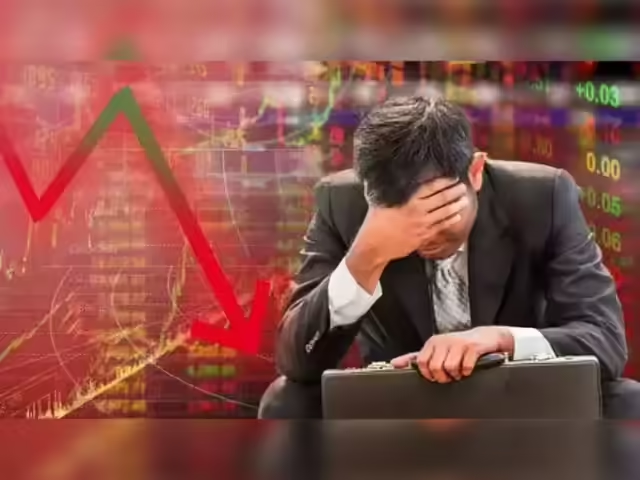
For example, during market downturns, panic selling can accelerate declines beyond what fundamentals justify.
Understanding sentiment can help investors interpret whether market reactions are driven by data—or emotion.
Algorithmic Trading and Instant Market Reactions
Modern financial markets react faster than ever before.
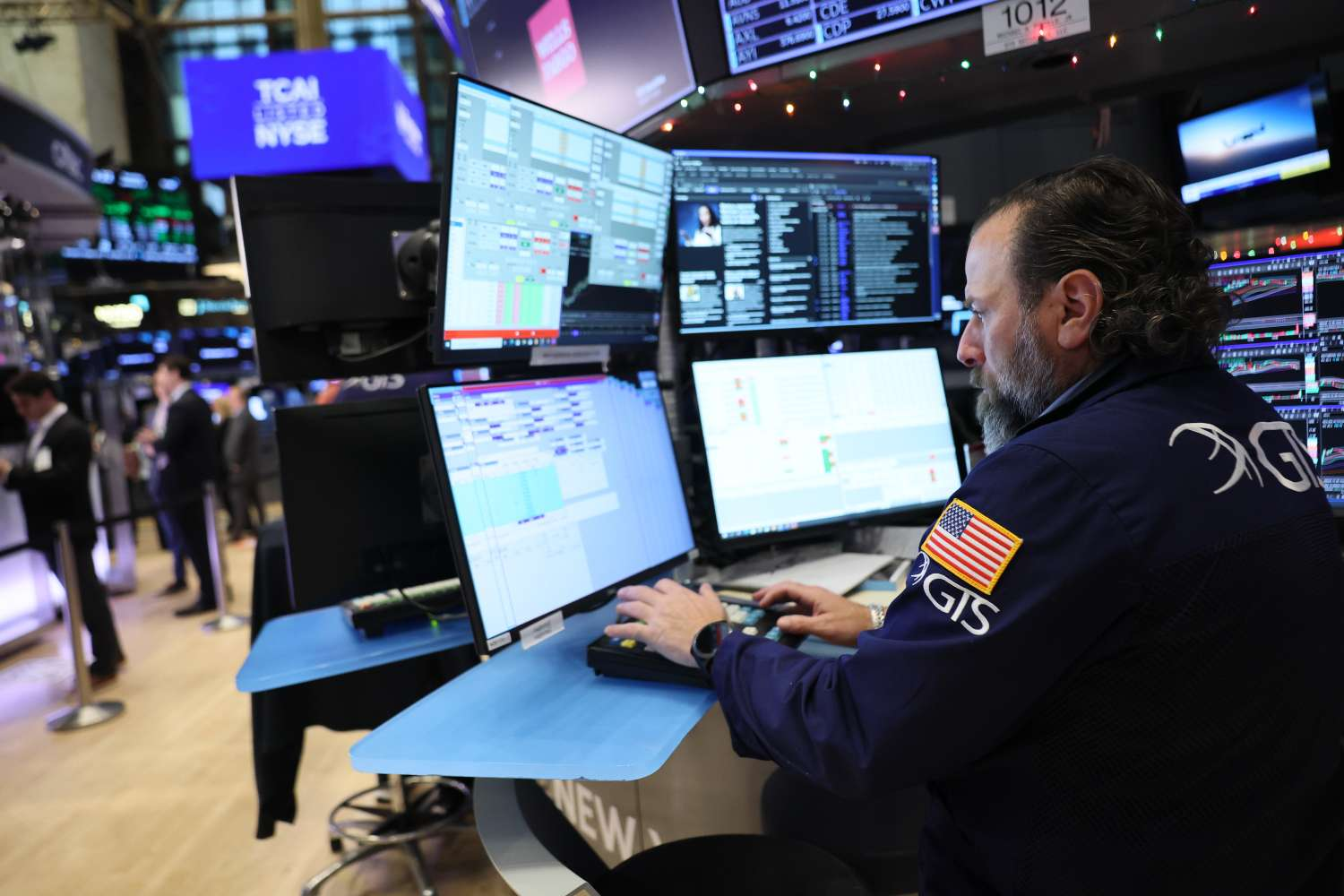
Algorithmic trading systems now account for a large percentage of market volume in the United States. These systems scan news releases, earnings reports, and economic data within milliseconds.
When algorithms detect key phrases or data points, they can trigger automated trades immediately.
For example:
- Inflation above forecasts may trigger automated bond selling
- Earnings misses may initiate algorithmic stock selling
- Positive guidance may trigger momentum buying
This technological shift explains why markets often move dramatically within seconds of news announcements.
However, these initial reactions sometimes reverse once human investors fully analyze the information.
Sector-Specific News That Moves Markets
Certain industries are especially sensitive to specific types of news.
For example:
Technology Sector
- Interest rate changes
- Semiconductor supply updates
- AI innovation announcements
Energy Sector
- Oil inventory data
- OPEC production decisions
- Geopolitical tensions
Banking Sector
- Interest rate trends
- Credit conditions
- Regulatory developments
Healthcare Sector
- FDA approvals
- Clinical trial results
- Drug pricing policy
Understanding these sector-specific catalysts helps investors anticipate where volatility may occur.
Practical Example: How News Moves the Market in Real Time
Consider a typical trading day when multiple news events occur.
At 8:30 a.m., the U.S. Labor Department releases the monthly jobs report showing stronger-than-expected employment growth.
Markets interpret the data as a sign that the economy remains strong, but also that the Federal Reserve may keep interest rates higher for longer.
Within minutes:
- Treasury yields rise
- Technology stocks decline
- Bank stocks rise due to higher interest margins
Later that afternoon, a major technology company releases earnings that beat expectations and raises guidance for the next quarter.
Technology stocks rebound, and the broader market recovers part of its earlier losses.
This sequence illustrates how multiple news events can influence market direction within a single trading session.
How Individual Investors Can Interpret Market News
For everyday investors, reacting impulsively to headlines can be costly.
Instead, experienced investors focus on context.
Here are practical approaches used by seasoned market participants:
- Compare news to expectations rather than reacting to headlines alone
- Evaluate whether news changes long-term fundamentals
- Watch how multiple markets react (stocks, bonds, commodities)
- Avoid making decisions during initial volatility spikes
- Focus on long-term investment goals instead of short-term noise
Professional investors often wait for the first wave of volatility to settle before making portfolio decisions.
Patience and perspective are essential in news-driven markets.
Frequently Asked Questions
What news moves the stock market the most?
The biggest market-moving news typically includes inflation data, Federal Reserve policy decisions, employment reports, and major corporate earnings announcements.
Why do markets sometimes rise on bad economic news?
Bad economic data can signal that central banks may cut interest rates or provide stimulus, which can boost stock prices.
How quickly do markets react to news?
Markets often react within milliseconds due to algorithmic trading systems that automatically analyze and respond to news releases.
Do all news events impact markets equally?
No. Market reactions depend on how surprising the information is compared with expectations.
Why do stocks sometimes fall after strong earnings?
If investors expected even stronger results or future growth slows, stocks may decline despite positive earnings reports.
What role does the Federal Reserve play in market movements?
The Federal Reserve influences borrowing costs, liquidity, and economic growth expectations, making its policy decisions one of the most powerful market drivers.
Can geopolitical events affect U.S. markets?
Yes. Global conflicts, trade disputes, and political instability can impact commodities, supply chains, and investor confidence.
Should investors react immediately to breaking financial news?
Most long-term investors benefit from waiting for markets to stabilize before making decisions.
What is investor sentiment?
Investor sentiment reflects the overall mood or outlook of market participants, often measured through volatility indices and surveys.
Reading the Market’s News Pulse
Understanding how markets react to news is a valuable skill for investors. Prices rarely move randomly; they move because new information changes expectations about growth, interest rates, or corporate profitability.
By learning which events drive market reactions—and why—investors can interpret volatility more confidently and avoid making emotional decisions based on headlines alone.
Markets will always react to news. The key is learning to read the signals beneath the noise.
Key Insights at a Glance
- Financial markets move when new information changes expectations.
- Economic data releases often trigger immediate market reactions.
- Corporate earnings are the primary drivers of individual stock movements.
- Federal Reserve policy strongly influences interest rates and asset prices.
- Geopolitical events can create volatility across multiple markets.
- Investor sentiment amplifies market reactions to news.
- Algorithmic trading accelerates how quickly markets respond.
- Long-term investors benefit from analyzing context before reacting.