Summary
Wall Street’s attention constantly shifts toward the companies, sectors, and macro forces capable of moving markets. In 2026, investors are closely watching artificial intelligence leaders, energy price dynamics, interest-rate policy, consumer spending signals, and geopolitical supply chains. Understanding these drivers helps investors interpret market volatility, identify emerging opportunities, and make more informed long-term investment decisions.
Why “Market Movers” Matter to Investors
Every trading day, certain companies, industries, and economic forces capture Wall Street’s attention. These market movers influence investor sentiment, capital flows, and index performance across major benchmarks like the S&P 500, NASDAQ Composite, and Dow Jones Industrial Average.
Market movers aren’t limited to individual stocks. They can include:
- Breakthrough technologies
- Changes in interest rate policy
- Commodity price shocks
- Consumer spending shifts
- Geopolitical events affecting supply chains
In today’s market environment, where algorithmic trading and global capital flows accelerate reactions to news, identifying these drivers is increasingly important.
For everyday investors, understanding which forces Wall Street is watching helps answer key questions:
- Why is the market rallying or pulling back?
- Which sectors may outperform next?
- What risks are institutional investors hedging against?
Let’s examine the major market movers currently dominating conversations on trading desks and investment committees.

Artificial Intelligence Leaders Are Driving Tech Market Momentum
Artificial intelligence remains the single most powerful theme shaping Wall Street sentiment. The explosive demand for AI infrastructure has pushed several technology giants to the center of investor attention.
Companies leading the AI ecosystem include:
- NVIDIA
- Microsoft
- Alphabet
- Amazon
NVIDIA in particular has become one of the market’s most watched stocks because its GPUs power many AI data centers worldwide.
According to industry estimates from the International Data Corporation, global spending on AI infrastructure is expected to surpass $300 billion annually by the end of the decade.
Why this matters for investors:
- AI demand drives semiconductor sales
- Cloud computing usage continues expanding
- Enterprise software adoption accelerates
Even traditional sectors—from healthcare to manufacturing—are investing heavily in AI automation tools. As a result, many analysts now view AI as a multi-decade productivity trend, similar to the internet boom of the late 1990s.
However, Wall Street is also watching for signs of valuation risk if expectations begin to outpace earnings growth.
Interest Rate Expectations Continue to Shape Market Direction
Another critical market mover is the monetary policy outlook from the Federal Reserve.
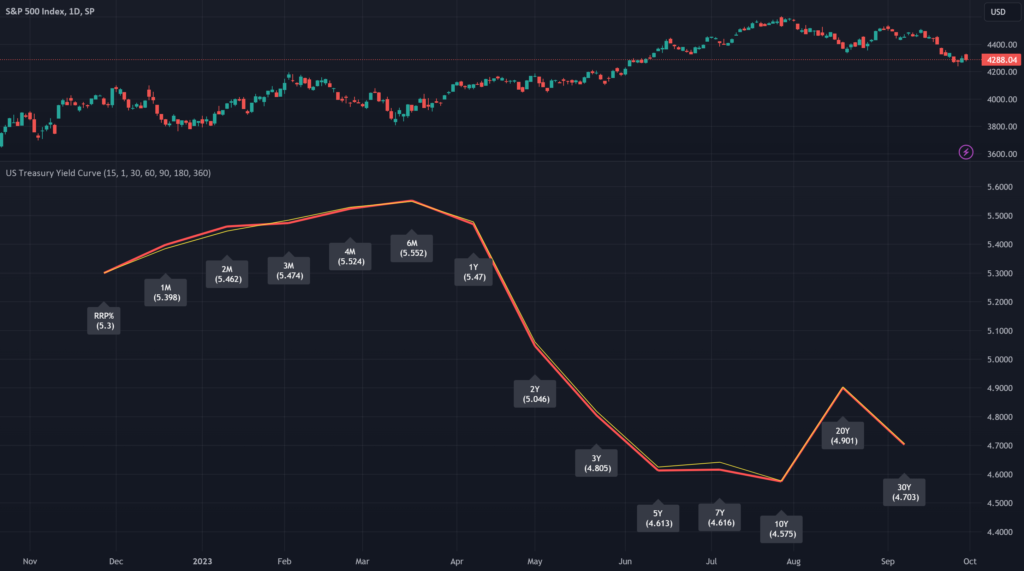
Interest rates influence nearly every asset class—from stocks and bonds to real estate and venture capital funding.
When the Federal Reserve signals higher rates:
- Borrowing becomes more expensive
- Growth stocks often face pressure
- Bond yields typically rise
Conversely, expectations of rate cuts can spark broad stock market rallies.
In recent years, Wall Street has closely monitored key inflation indicators such as:
- Consumer Price Index (CPI)
- Personal Consumption Expenditures (PCE)
- Wage growth data
These reports help investors gauge whether inflation is cooling enough for the Fed to ease policy.
For example, a softer-than-expected inflation reading can trigger:
- Technology stock rallies
- Lower Treasury yields
- Increased risk appetite among institutional investors
The relationship between monetary policy and asset prices remains one of the most powerful market-moving forces.
Energy Prices Are Once Again Influencing Global Markets
Energy markets have returned to the spotlight as geopolitical tensions and supply dynamics affect oil and natural gas prices.
Major producers such as OPEC and partners within OPEC+ continue coordinating output decisions that impact global supply.
Key companies drawing attention include:
- ExxonMobil
- Chevron
Oil prices can influence markets in multiple ways:
- Rising fuel costs increase inflation pressure
- Energy companies generate higher profits
- Transportation and airline stocks may face cost headwinds
Energy price spikes have historically triggered broad market volatility, which is why hedge funds and macro investors closely track global supply disruptions.
In recent years, the intersection of traditional energy and renewable investment has also become a major theme.
Consumer Spending Signals Are a Key Economic Indicator
Consumer behavior remains a foundational driver of the U.S. economy. Household consumption accounts for roughly two-thirds of U.S. GDP, according to data from the U.S. Bureau of Economic Analysis.
That’s why investors closely watch earnings reports from major consumer-facing companies such as:
- Walmart
- Target
- Costco
These retailers offer real-time insights into:
- Household spending trends
- Consumer confidence
- Inflation sensitivity
For example, if discount retailers report strong sales growth, it may suggest consumers are becoming more price-conscious.
On the other hand, strong discretionary spending at companies like Nike or Starbucks often signals resilient consumer demand.
Wall Street analysts frequently describe these earnings calls as “economic health checks.”
Supply Chains and Geopolitics Continue to Move Markets
Global supply chains remain a major source of market volatility.
Events affecting trade routes, manufacturing hubs, or resource exports can quickly influence stock prices and commodity markets.
Recent areas of investor focus include:
- Semiconductor supply chains in Asia
- Shipping disruptions affecting global trade
- Strategic competition between the United States and China
For example, restrictions on semiconductor exports have had significant implications for companies operating in the AI hardware ecosystem.
Similarly, shipping bottlenecks in major trade routes can impact sectors such as:
- Retail inventory management
- Automotive manufacturing
- Consumer electronics production
Because modern economies depend on globalized production networks, even localized disruptions can ripple through international markets.
The Rise of Passive Investing and ETF Flows
Another powerful market mover often overlooked by retail investors is the growing influence of passive investing.
Funds tracking major indexes—such as ETFs—now represent trillions of dollars in assets.
Two of the most influential ETFs include:
- SPDR S&P 500 ETF Trust
- Invesco QQQ Trust
When investors pour money into these funds:
- Capital automatically flows into the largest index components
- Mega-cap stocks receive disproportionate buying pressure
This dynamic partly explains why the largest technology companies have had such outsized influence on overall market performance in recent years.
Institutional investors closely monitor ETF flows because they can accelerate market momentum during both rallies and selloffs.
How Professional Investors Track Market Movers
Institutional investors use multiple tools and data sources to monitor market-moving trends.
Common approaches include:
Real-time economic dashboards
- Inflation reports
- Employment statistics
- Consumer confidence surveys
Corporate earnings analysis
- Revenue growth trends
- Profit margin expansion
- Guidance from company leadership
Macro indicators
- Treasury yields
- Currency movements
- Commodity price shifts
Market sentiment tools
- Options market activity
- Volatility indexes such as CBOE Volatility Index
- Institutional fund flow reports
For individual investors, following these signals—even at a basic level—can provide valuable context for interpreting daily market movements.

Frequently Asked Questions
What does “market mover” mean in investing?
A market mover is any company, economic event, or macro trend capable of significantly influencing stock prices, investor sentiment, or broader market indexes.
Which sectors are currently attracting the most Wall Street attention?
Technology, artificial intelligence infrastructure, energy, and consumer retail sectors are among the most closely watched by institutional investors.
Why does the Federal Reserve influence the stock market?
Interest rates affect borrowing costs, corporate valuations, and economic growth expectations, making Federal Reserve policy a major driver of market behavior.
How do oil prices affect stock markets?
Higher oil prices can increase inflation and operating costs for businesses while boosting profits for energy companies.
Why are AI companies dominating market headlines?
Artificial intelligence is expected to reshape industries across the global economy, leading investors to closely track companies building AI infrastructure and software.
Do individual investors need to follow market movers?
Yes. Understanding major market drivers helps investors interpret volatility and avoid reacting emotionally to short-term price swings.
How do ETFs move markets?
Large ETF inflows automatically direct capital into index components, often amplifying price momentum in large-cap stocks.
Are market movers always positive for stocks?
No. Some market movers—such as geopolitical conflict or unexpected inflation—can trigger market selloffs.
How often do market movers change?
Market drivers can shift quickly depending on economic data, earnings reports, policy decisions, and global events.
Where can investors track market-moving news?
Financial publications, earnings reports, central bank announcements, and economic data releases are primary sources of market-moving information.
Signals Wall Street Is Watching Next
Looking ahead, Wall Street’s focus will likely remain concentrated on a handful of powerful trends.
Artificial intelligence investment cycles are expected to accelerate, interest rate policy will continue shaping valuations, and geopolitical developments may affect supply chains and energy markets.
While short-term volatility is inevitable, understanding these drivers allows investors to interpret market behavior more clearly—and make decisions with greater confidence.
Key Insights at a Glance
- Artificial intelligence infrastructure companies are driving technology sector momentum
- Federal Reserve interest rate expectations remain a dominant market force
- Energy prices influence inflation and corporate profitability
- Consumer spending trends provide real-time economic signals
- Geopolitical tensions continue affecting supply chains
- Passive investing and ETF flows are increasingly shaping market dynamics
- Institutional investors track macro data, earnings reports, and sentiment indicators