Summary
Daily movements in major U.S. stock indexes rarely happen without reason. Behind every shift in the S&P 500, Nasdaq, or Dow Jones Industrial Average are specific companies, sectors, economic signals, and investor reactions. Understanding these “market movers” helps investors interpret volatility, identify emerging trends, and make more informed decisions about portfolios, risk management, and long-term investment strategies.
Why Major Index Shifts Matter to Investors
When investors hear that the S&P 500 dropped 1% or the Nasdaq rallied sharply, it’s easy to assume the entire market moved in unison. In reality, most index swings are driven by a relatively small group of influential stocks.
Major indexes are weighted, meaning companies with larger market capitalizations exert more influence. According to research from the S&P Dow Jones Indices, a handful of mega-cap companies can often account for a significant portion of daily index movement.
For example:
- Large technology companies frequently dominate the Nasdaq Composite
- Industrial or financial companies can heavily influence the Dow Jones Industrial Average
- A broader mix of sectors shapes the S&P 500
When a few large companies move sharply—due to earnings, economic news, or regulatory changes—the ripple effect can push entire indexes higher or lower.
Understanding which companies are responsible for those moves provides insight into what the market is actually reacting to.
What Exactly Are “Market Movers”?
Market movers are stocks, sectors, or economic events that significantly influence market direction within a trading session or over several days.
They typically fall into a few categories:
- Mega-cap companies whose weight influences indexes
- Earnings surprises from major firms
- Sector-wide shifts such as energy or technology rallies
- Macroeconomic announcements
- Policy decisions from institutions like the Federal Reserve
For example, when a large technology company reports stronger-than-expected earnings, the stock may surge, pulling the entire technology sector higher. If those companies make up a large percentage of the Nasdaq or S&P 500, the index follows.
In contrast, negative news affecting a dominant company can create the opposite effect.

The Index Leaders That Move Markets Most
Several companies consistently appear among the biggest drivers of index performance.
Technology firms, in particular, have become central to U.S. market movements over the past decade.
Major examples often include:
- Apple Inc.
- Microsoft
- NVIDIA
- Amazon
- Alphabet Inc.
- Tesla
Because these companies have enormous market capitalizations, even small percentage changes can move indexes noticeably.
For instance, if Apple rises 3% in a single day, the S&P 500 and Nasdaq may experience a measurable boost—even if hundreds of smaller companies remain flat.
This dynamic is one reason analysts often monitor “top contributors” and “top detractors” to daily index performance.
Earnings Season: A Major Source of Market Movement
Every quarter, companies report financial results during what investors call earnings season.
This period often produces the largest daily stock movements of the year.
Common reasons earnings reports move markets include:
- Revenue beating analyst expectations
- Profit margins expanding or shrinking
- Updated guidance for future quarters
- Announcements about layoffs, investments, or acquisitions
Data from the U.S. Securities and Exchange Commission filings shows that earnings surprises can trigger double-digit stock moves in a single trading session, particularly for technology and growth companies.
A practical example:
If a major semiconductor firm reports strong demand for AI chips, not only might its own stock rise sharply, but related companies across the industry may also rally.
This creates a sector-wide market mover effect.
Sector Rotations and Their Impact on Index Performance
Another major driver of index shifts is sector rotation—when investors move capital from one industry into another.
This often happens in response to changing economic conditions.
For example:
- Rising interest rates may pressure technology stocks
- Energy stocks may rise when oil prices increase
- Consumer companies may move based on retail spending trends
According to analysis from Morningstar, sector rotation frequently reflects shifts in investor expectations about economic growth, inflation, or monetary policy.
When large sectors move together, they can influence index performance even if individual stocks are not making headlines.
Common examples of influential sectors include:
- Technology
- Financials
- Energy
- Healthcare
- Consumer discretionary
Tracking these shifts can help investors understand why indexes are moving beyond daily headlines.
Economic Data Releases That Move Markets
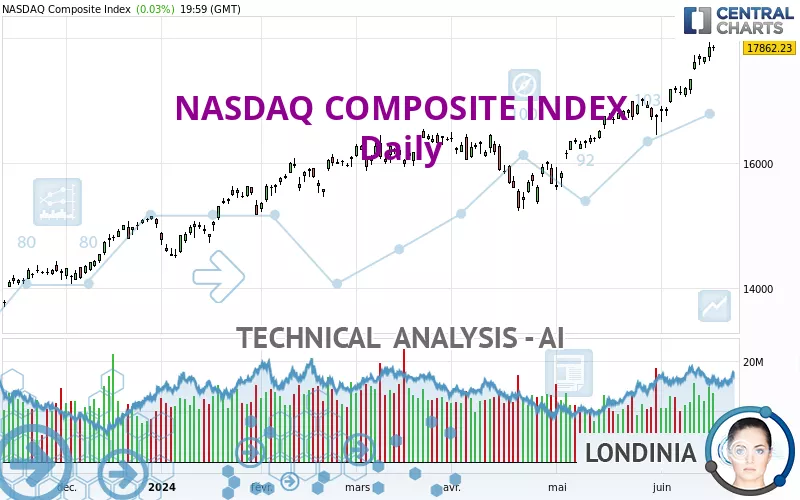
Major economic reports often trigger rapid movements across the entire market.
Investors closely monitor indicators such as:
- Inflation data
- Employment reports
- GDP growth figures
- Consumer spending trends
Key data releases frequently cited by analysts include:
- Consumer Price Index (CPI)
- Nonfarm payrolls
- Retail sales
- Federal Reserve interest rate decisions
These reports influence expectations about monetary policy and economic health.
For example, if inflation data comes in higher than expected, investors may anticipate further interest rate increases. That expectation can quickly push indexes lower.
Conversely, signs of easing inflation or stronger employment can support market rallies.
The Role of Institutional Investors
Retail investors often dominate headlines, but institutional investors control the majority of market capital.
Large asset managers such as:
- BlackRock
- Vanguard
- State Street Global Advisors
manage trillions of dollars in investment assets.
When these institutions rebalance portfolios, the impact can move markets quickly.
Common institutional actions that influence index shifts include:
- Adjusting exposure to certain sectors
- Rebalancing index funds
- Responding to changes in economic outlook
- Allocating capital between stocks and bonds
Because index funds track benchmarks like the S&P 500, large inflows into these funds can also push the entire index higher.
How Professional Investors Track Market Movers
Experienced traders and analysts rely on several tools to identify which companies are driving market changes.
These tools often include:
- Index contribution analysis showing which stocks move the index most
- Heat maps displaying sector performance
- Volume tracking to identify unusually active stocks
- Pre-market and after-hours activity
Financial media outlets like Bloomberg and CNBC frequently publish real-time lists of top market movers.
Professional investors combine this information with:
- economic data
- corporate news
- technical indicators
This broader perspective helps separate short-term volatility from meaningful market trends.
Real-World Example: A Day When Tech Moved the Market
Consider a trading day when several large technology firms release earnings.
Imagine the following scenario:
- NVIDIA reports strong demand for AI hardware
- Microsoft posts robust cloud revenue growth
- Alphabet exceeds advertising expectations
If all three companies rise significantly in a single session, the Nasdaq could surge—even if other sectors remain stable.
This type of market movement highlights how a small group of influential companies can shift the direction of an entire index.
For long-term investors, recognizing this concentration helps explain why markets sometimes appear disconnected from broader economic conditions.
Why Market Movers Matter for Everyday Investors
Even investors focused on long-term portfolios benefit from understanding market movers.
It can help them:
- Interpret market headlines more accurately
- Identify emerging industry trends
- Avoid emotional reactions to short-term volatility
- Recognize when moves are concentrated in a few stocks
For example, if the S&P 500 falls due to weakness in a small group of large technology stocks, diversified portfolios may be less affected than headlines suggest.
Understanding the drivers behind index shifts provides important context for investment decisions.
Frequently Asked Questions
What are market movers in the stock market?
Market movers are stocks, sectors, or events that significantly influence market direction. These can include large companies reporting earnings, economic data releases, or major policy decisions.
Why do a few stocks move entire indexes?
Indexes like the S&P 500 are weighted by market capitalization. Larger companies have more influence, so significant moves in these stocks can impact the entire index.
Which sectors usually drive market movements?
Technology, financials, energy, and healthcare frequently drive major index changes because of their large representation in U.S. markets.
How can investors identify market movers?
Investors often monitor earnings reports, sector performance, trading volume, and top index contributors listed by financial platforms.
Do market movers affect long-term investors?
Yes, but usually indirectly. Understanding them helps investors interpret market volatility and recognize broader trends.
What economic reports move markets the most?
Inflation data, employment reports, GDP growth, and Federal Reserve announcements are among the most influential.
Are market movers always large companies?
Not always. Smaller companies can move markets within their specific sectors, but large-cap firms typically have greater influence on major indexes.
How often do market movers change?
Market movers can change daily depending on earnings announcements, economic news, or shifts in investor sentiment.
Can market movers signal broader trends?
Yes. Consistent movement in certain sectors may indicate larger economic or technological trends developing in the market.
Reading the Signals Behind the Numbers
Major index shifts often appear dramatic, but they rarely happen without explanation. Beneath each move are companies reporting earnings, sectors gaining momentum, and investors responding to economic signals.
By learning to track market movers—whether they are mega-cap technology firms, economic reports, or sector rotations—investors gain a clearer picture of how the market actually functions.
Instead of reacting to headlines alone, understanding these drivers allows investors to interpret the market with greater context and confidence.
Key Insights at a Glance
- Major index shifts are often driven by a small number of influential stocks
- Mega-cap technology companies frequently dominate index movements
- Earnings reports are among the biggest short-term market catalysts
- Sector rotation reflects changing economic expectations
- Economic data and Federal Reserve policy strongly influence investor sentiment
- Institutional investors play a major role in market direction