Summary
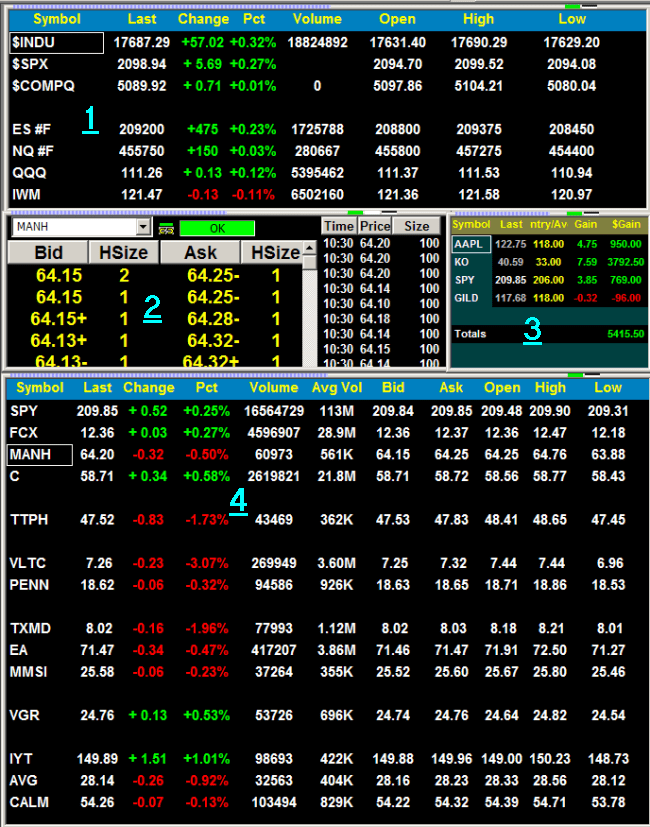
Several stocks and sectors moved sharply today, drawing analysts’ attention across Wall Street. From unexpected earnings beats to sector-wide momentum shifts, these market movers reveal where capital is flowing and what investors are watching next. Understanding why certain companies surged—or fell—helps everyday investors interpret market sentiment, identify emerging trends, and make more informed portfolio decisions.
Why Market Movers Matter to Investors
Every trading day produces winners and losers, but only a small number of stocks capture analysts’ attention. These market movers often signal broader shifts in investor sentiment, sector momentum, or economic expectations.
When analysts track daily movers, they are looking for clues that could shape the next few weeks or even months in the market. A single company’s performance can ripple across an entire industry, especially if it reflects demand trends, technological shifts, or macroeconomic pressures.
For example, when a major semiconductor firm posts stronger-than-expected results, chip suppliers and equipment makers frequently rise alongside it. Conversely, weak guidance from a consumer company may send retail stocks lower across the board.
For everyday investors, watching market movers can help answer key questions:
- Which sectors are gaining investor confidence?
- Are earnings surprises driving the move?
- Is the move temporary or part of a longer trend?
Understanding these dynamics helps investors avoid reacting emotionally to headlines while still recognizing meaningful market signals.
The Key Drivers Behind Today’s Biggest Stock Moves
Market volatility rarely occurs without a catalyst. Analysts typically look at several core factors that explain why certain stocks moved sharply during the trading session.
1. Earnings Surprises
Corporate earnings remain the most common trigger for large price swings. When companies report results that exceed analysts’ expectations—especially on revenue growth or profit margins—stocks can surge quickly.
Strong earnings often signal:
- Operational efficiency improvements
- Strong consumer demand
- Effective cost control
- Expanding market share
For instance, a technology firm beating earnings estimates by even a few cents per share can spark institutional buying, particularly if management raises future guidance.
On the other hand, disappointing results often lead to steep declines, as investors adjust their expectations for future profitability.

2. Analyst Upgrades and Downgrades
Wall Street analysts regularly revise ratings based on new data, industry developments, or valuation changes.
An upgrade typically signals confidence in a company’s future growth potential, while a downgrade suggests concerns about earnings sustainability or competitive pressures.
These rating changes matter because institutional investors—such as pension funds and mutual funds—often rely on research reports when making allocation decisions.
When a highly respected analyst raises a price target significantly, it can trigger momentum buying that pushes shares higher throughout the trading day.
3. Economic Data Releases
Macroeconomic indicators also play a major role in daily market movements.
Data releases that frequently move markets include:
- Inflation reports
- Employment numbers
- Retail sales data
- Manufacturing activity
- Federal Reserve policy signals
For example, stronger-than-expected employment data can boost financial stocks while pressuring interest-rate-sensitive sectors like real estate.
Conversely, weak economic readings may drive investors toward defensive sectors such as healthcare or consumer staples.
Sectors That Captured Analysts’ Attention Today
While individual stocks often dominate headlines, analysts frequently focus on sector-wide momentum to understand broader market trends.
Today’s market activity highlighted several industries where investors appear to be reallocating capital.
Technology: Continued Leadership
Technology stocks remain a dominant force in the market, particularly companies tied to artificial intelligence, cloud computing, and semiconductor production.
Analysts noted increased investor interest in companies providing:
- AI infrastructure
- Data center hardware
- Enterprise software solutions
These companies benefit from strong enterprise spending and long-term digital transformation trends.
Even modest positive news—such as new enterprise contracts or product announcements—can generate strong price momentum in tech stocks because investors view the sector as a long-term growth engine.
Energy: Volatility Driven by Oil Prices
Energy stocks also saw notable movement as oil prices fluctuated throughout the trading session.
Oil-related equities often move in tandem with crude prices due to their direct revenue exposure.
When oil rises:
- Exploration companies often gain
- Refiners may see mixed performance
- Energy ETFs typically attract inflows
However, energy stocks can reverse quickly if global supply outlooks change or if economic growth expectations weaken.
Consumer Companies: Signals About Spending
Consumer-focused companies are particularly sensitive to economic sentiment.
Retail and discretionary stocks moved today as investors assessed signals about consumer confidence and spending patterns.
Strong performance from a few major brands suggested that higher-income consumers continue to spend despite inflation pressures.
However, some discount retailers showed mixed performance, highlighting ongoing price sensitivity among budget-conscious households.

What Analysts Look For Beyond the Headlines
Price movement alone doesn’t always tell the full story. Analysts dig deeper into the underlying mechanics driving the move.
Trading Volume
A stock’s trading volume often reveals whether a move reflects genuine investor conviction.
High volume typically indicates institutional participation, suggesting the move may be more sustainable.
Low-volume spikes, by contrast, may simply reflect short-term speculation.
Forward Guidance
Earnings reports are only part of the picture. Analysts place heavy emphasis on what company executives say about the future.
Key guidance metrics include:
- Expected revenue growth
- Profit margin outlook
- Capital investment plans
- Hiring trends
- Supply chain expectations
If executives raise forecasts, investors often interpret that as a signal that demand remains strong.
Competitive Positioning
Analysts also examine how a company compares to competitors.
Questions they consider include:
- Is the company gaining market share?
- Does it have pricing power?
- Is innovation driving future growth?
A company demonstrating a clear competitive advantage can see sustained stock momentum beyond a single trading day.
Real-World Example: How One Earnings Report Moves an Entire Sector
Consider what happens when a major semiconductor company posts unexpectedly strong quarterly results.
The ripple effects may include:
- Chip equipment makers rising in sympathy
- Data center suppliers gaining investor interest
- Technology ETFs attracting inflows
- Analysts revising forecasts for the entire semiconductor sector
This pattern occurs because institutional investors often treat industries as interconnected ecosystems.
Strong demand in one segment can indicate broader industry expansion.
This dynamic explains why analysts closely watch the first major earnings reports within each sector, as they often set expectations for subsequent companies.
How Retail Investors Can Interpret Market Movers
Retail investors often feel overwhelmed by the rapid pace of daily market news. However, analysts recommend focusing on context rather than reacting to individual price swings.
Several practical strategies can help investors interpret daily movers more effectively.
Focus on the Catalyst
Before making any decision, identify the reason behind the price movement.
Ask questions such as:
- Did the company report earnings?
- Was there an analyst upgrade?
- Did macroeconomic data affect the sector?
Understanding the catalyst helps determine whether the move is temporary or potentially long-lasting.
Separate Momentum From Fundamentals
Some stocks move simply because traders chase momentum.
Analysts typically compare price movement against:
- Revenue growth
- Profit margins
- Long-term industry demand
If fundamentals support the move, it may represent a meaningful trend rather than speculation.
Avoid Chasing Late Moves
One of the most common mistakes investors make is buying after a stock has already surged significantly.
Professional traders often advise waiting for:
- Pullbacks
- Consolidation periods
- Additional data confirmation
Patience can reduce the risk of entering a position at inflated prices.
Broader Market Signals Hidden Inside Daily Movers
Beyond individual stocks, daily market movers often reveal larger economic themes.
Some of the signals analysts track include:
- Rotation between growth and value stocks
- Increased volatility ahead of central bank announcements
- Capital shifting toward defensive sectors
- Rising interest in emerging technologies
These patterns provide insight into how investors are positioning portfolios for future economic conditions.
For example, when capital rotates toward utilities and healthcare, it may indicate concerns about economic slowdown.
Conversely, strong momentum in technology and industrial stocks often reflects optimism about economic expansion.
Frequently Asked Questions
What are market movers in the stock market?
Market movers are stocks or sectors that experience unusually large price changes during a trading session, often due to earnings reports, economic news, analyst ratings, or major corporate announcements.
Why do analysts track daily market movers?
Analysts track movers to identify emerging trends, shifts in investor sentiment, and sector momentum that could influence broader market performance.
Do market movers predict future market trends?
Not always. Some price moves are temporary reactions to news, while others reflect long-term structural changes. Analysts evaluate the underlying catalyst before drawing conclusions.
What causes a stock to rise rapidly in a single day?
Common causes include earnings beats, positive guidance, mergers or acquisitions, analyst upgrades, strong economic data, or major product announcements.
Can retail investors benefit from watching daily movers?
Yes. Monitoring market movers can help investors identify sector momentum, potential opportunities, and changing market sentiment.
Are large price swings always meaningful?
No. Some movements occur due to short-term trading activity rather than fundamental changes in a company’s outlook.
How do institutional investors influence market movers?
Large investment funds often execute high-volume trades that can push prices higher or lower when they adjust portfolio allocations.
Do economic reports affect individual stocks?
Yes. Data such as inflation reports, employment numbers, and interest-rate decisions can move entire sectors simultaneously.
What role does trading volume play?
Higher trading volume often indicates stronger conviction behind a price move, suggesting institutional participation.
How should long-term investors respond to daily volatility?
Long-term investors typically focus on fundamentals and avoid reacting to short-term fluctuations unless they signal major changes in business outlook.
Reading the Signals Behind the Noise
Daily market movers capture headlines, but the real value lies in understanding the forces behind those price shifts. Earnings surprises, economic data, sector momentum, and institutional positioning all contribute to the day’s biggest stock movements. By examining these factors rather than reacting emotionally, investors can interpret market activity more clearly and make more disciplined investment decisions.
Key Signals Investors Should Watch
- Earnings surprises remain the most common catalyst for large stock moves
- Analyst upgrades and downgrades can influence institutional buying
- Economic data frequently drives sector-wide momentum
- High trading volume often indicates stronger conviction behind price changes
- Sector trends can reveal broader shifts in investor sentiment
- Retail investors benefit from understanding catalysts before reacting