Summary
Financial markets move quickly, but the forces behind those moves often follow recognizable patterns. From Federal Reserve policy signals to corporate earnings surprises and geopolitical shifts, today’s market movers reflect deeper economic trends. This guide explains what’s driving markets right now, how investors interpret those signals, and what individuals and professionals should realistically watch in the weeks ahead.
Understanding What “Market Movers” Really Means
When financial analysts talk about “market movers,” they’re referring to developments that influence investor behavior across stocks, bonds, commodities, and currencies. These developments can trigger price changes within minutes or slowly reshape trends over months.
In the United States, markets are particularly sensitive to a combination of economic indicators, policy decisions, corporate performance, and global events. Because the U.S. economy represents roughly a quarter of global GDP, shifts in American markets often ripple worldwide.
Market movers aren’t limited to dramatic events like financial crises. In practice, they often include incremental developments—an unexpected inflation report, a change in interest rate expectations, or a strong earnings forecast from a major company.
Understanding these catalysts helps investors avoid reacting emotionally to short-term volatility and instead interpret what the underlying signals might mean.
Interest Rates and Federal Reserve Signals
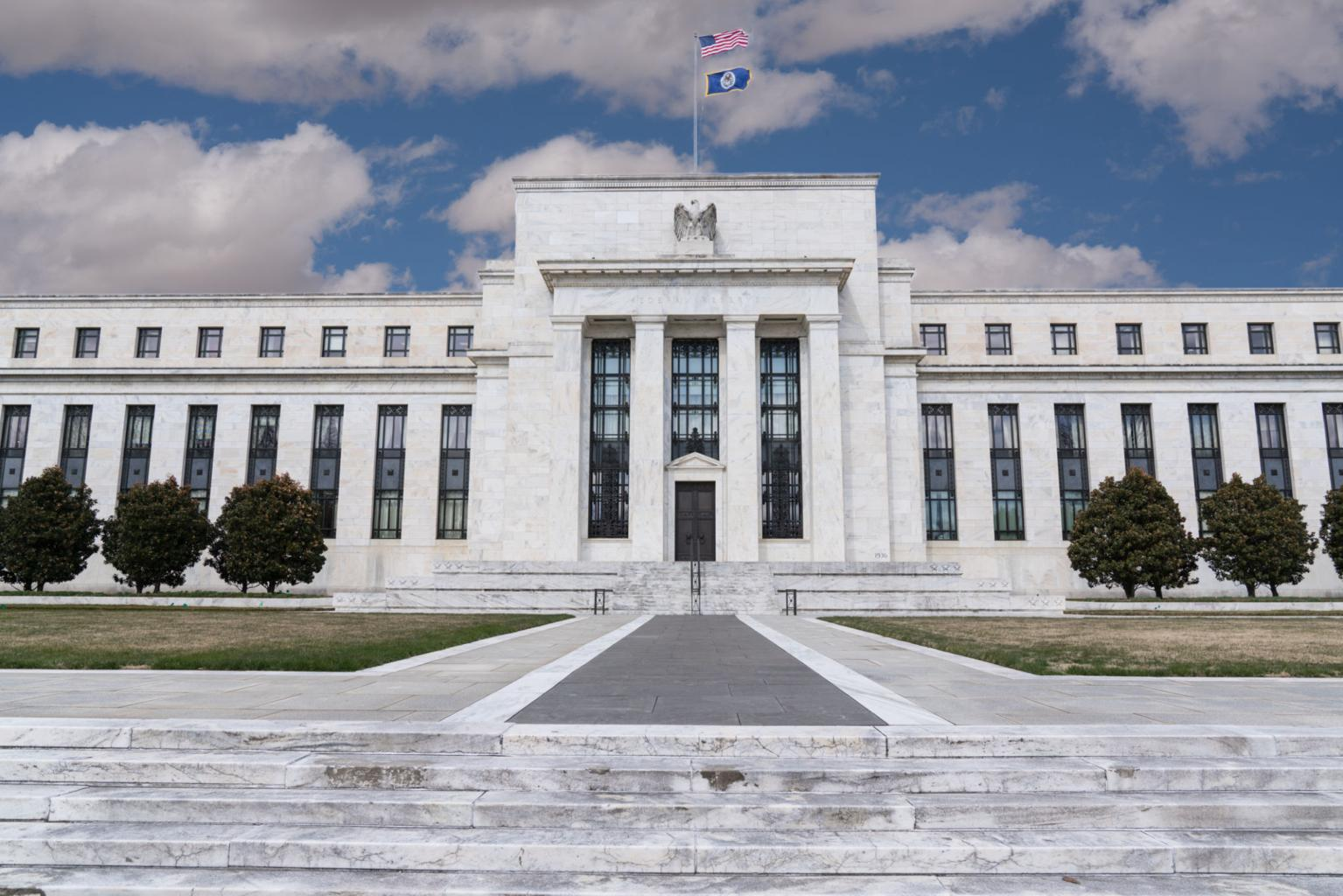
Few forces move markets more consistently than signals from the Federal Reserve.
When policymakers indicate a shift in monetary policy—whether tightening or easing—markets respond almost immediately. Higher interest rates typically make borrowing more expensive, which can slow economic growth and reduce corporate profitability. Lower rates often encourage investment and consumer spending.
Recent market reactions have demonstrated how sensitive investors are to Fed communication. Even subtle changes in language during Federal Open Market Committee (FOMC) statements can trigger large swings in equities and Treasury yields.
Investors usually pay attention to several indicators tied to Federal Reserve expectations:
- Consumer Price Index (CPI) inflation reports
- U.S. unemployment and job growth data
- Treasury bond yield movements
- Fed official speeches and policy minutes
For example, if inflation data comes in lower than expected, markets may interpret it as a sign that the Fed could slow rate hikes. Stocks—particularly growth stocks—often rally in response.
On the other hand, stubborn inflation readings tend to push bond yields higher and put pressure on equities.
For everyday investors, watching the trend of interest rates can be more informative than reacting to individual headlines.
Corporate Earnings: The Market’s Reality Check
Corporate earnings reports provide a direct window into the health of businesses and industries.
Each quarter, publicly traded companies disclose revenue, profits, and future expectations. When results significantly exceed or fall short of analyst estimates, markets react quickly.
Large companies in particular can move entire indices. If a major technology firm posts stronger-than-expected earnings, it may lift the broader market due to its weight in major benchmarks like the S&P 500.
However, experienced investors know that forward guidance often matters more than past performance. A company reporting strong results but forecasting slower growth ahead can still see its stock decline.
Several patterns frequently emerge during earnings season:
- Positive earnings surprises tend to drive short-term rallies.
- Weak outlooks can trigger sector-wide selloffs.
- Strong earnings from industry leaders often lift smaller competitors.
For example, when semiconductor companies report strong demand, it typically signals broader strength across technology supply chains.
Watching these earnings trends can help investors identify which industries are expanding and which are slowing.
Inflation Data and the Cost of Living
Inflation reports have become one of the most closely watched economic releases in recent years.
The Consumer Price Index (CPI) and Personal Consumption Expenditures (PCE) data give investors insight into whether price pressures are rising or cooling.
When inflation accelerates unexpectedly, markets often respond in several ways:
- Treasury yields rise
- Technology and growth stocks decline
- Defensive sectors gain attention
- The U.S. dollar strengthens
The reason is straightforward. Higher inflation increases the likelihood that the Federal Reserve will maintain restrictive interest rate policies.
Conversely, a cooling inflation report can trigger relief rallies across stocks and bonds.
For example, a CPI reading even 0.2 percentage points lower than forecasts has historically triggered significant market moves, as investors quickly adjust expectations for future rate decisions.
Global Events and Geopolitical Risk
Financial markets don’t operate in isolation. Global developments frequently shape U.S. investor sentiment.
Events that often move markets include:
- Military conflicts or geopolitical tensions
- Trade policy changes
- Energy supply disruptions
- Major elections in key economies
For instance, instability in oil-producing regions can push energy prices higher. This often benefits energy companies while raising concerns about inflation and consumer spending.
Similarly, trade tensions between major economies can impact manufacturing, technology supply chains, and commodity markets.
Markets tend to react quickly to geopolitical headlines but may stabilize once investors assess the long-term implications.
In many cases, the initial market reaction is more emotional than analytical. Experienced investors often wait for additional information before adjusting strategies.

The Technology Sector’s Outsize Influence
Technology companies now represent a significant portion of the U.S. stock market. As a result, developments in the tech sector frequently drive broader market direction.
Large technology firms influence indices in multiple ways:
- Their market capitalization gives them heavy weight in major indexes.
- Their earnings often signal broader economic demand.
- Their innovations shape entire industries.
Recent market trends illustrate how advancements in areas like artificial intelligence, cloud computing, and semiconductor manufacturing can trigger major shifts in investor expectations.
For example, strong demand for AI infrastructure has significantly boosted semiconductor stocks and data-center-related companies.
At the same time, technology firms are particularly sensitive to interest rate changes. Higher rates reduce the present value of future earnings, which can pressure growth-oriented companies.
Because of this dynamic, tech stocks often amplify broader economic signals.
Energy Prices and Commodity Markets
Energy markets remain a critical driver of inflation expectations and economic outlook.
Oil and natural gas prices affect transportation, manufacturing, and consumer costs across the economy. When energy prices rise sharply, they can contribute to broader inflation pressures.
Commodity markets also provide insight into global demand.
For example:
- Rising copper prices often signal strong industrial activity.
- Falling oil demand may indicate slowing economic growth.
- Agricultural commodity spikes can influence food inflation.
Investors and analysts frequently watch commodity futures markets to anticipate shifts in global economic conditions.
Because commodities trade globally, supply disruptions—such as refinery shutdowns or shipping bottlenecks—can move markets quickly.
Consumer Spending Trends
Consumer spending accounts for roughly two-thirds of the U.S. economy, making it one of the most important market drivers.
Retail sales data, credit card spending reports, and consumer sentiment surveys offer clues about the financial health of households.
When spending remains strong despite higher interest rates, markets may interpret it as a sign of economic resilience.
However, weakening spending trends can trigger concerns about a potential slowdown.
Indicators analysts often monitor include:
- Monthly retail sales reports
- Consumer confidence surveys
- Credit card delinquencies
- Wage growth data
For example, if consumers begin cutting discretionary spending on travel, electronics, or dining, it can signal broader economic caution.
Retailers and consumer-focused companies are often the first to reflect these shifts in their earnings reports.
Why Market Reactions Can Sometimes Be Misleading
Not every market move reflects a lasting trend.
Short-term volatility is often driven by algorithmic trading, investor sentiment, or temporary uncertainty. A sharp market swing following an economic report may fade within days as analysts examine the broader context.
This is why many professional investors focus on longer-term indicators rather than reacting to every headline.
Common mistakes include:
- Overreacting to single data releases
- Ignoring broader economic trends
- Confusing market sentiment with economic reality
Understanding the difference between temporary volatility and structural change is one of the most valuable skills for investors.
Frequently Asked Questions
What are “market movers” in financial markets?
Market movers are events, data releases, or developments that significantly influence investor behavior and asset prices.
Why do Federal Reserve announcements move markets so much?
Interest rate decisions affect borrowing costs, corporate profits, and economic growth expectations, making them one of the most powerful market drivers.
Which economic reports move markets the most?
Key reports include inflation data (CPI and PCE), employment reports, GDP updates, and retail sales figures.
Why do technology stocks have such a large impact on the market?
Major technology companies have large market capitalizations and significant weight in major stock indexes.
How do global events affect U.S. markets?
Geopolitical developments can influence energy prices, supply chains, trade policies, and investor confidence.
What role do corporate earnings play in market movements?
Earnings reports provide insight into company performance and future expectations, which investors use to value stocks.
Why do markets sometimes react strongly to small data changes?
Even small deviations from forecasts can shift expectations for monetary policy or economic growth.
Are commodity prices reliable indicators of economic trends?
They can provide signals about global demand, but commodity markets can also be influenced by supply disruptions and speculation.
Should individual investors react quickly to market-moving news?
Most long-term investors benefit from focusing on broader trends rather than reacting to short-term volatility.
What is the most important market indicator to watch?
There is no single indicator; interest rates, inflation trends, and corporate earnings together provide a more complete picture.
Reading the Signals Behind the Headlines
Markets respond constantly to new information, but not every headline represents a lasting shift. Interest rates, corporate earnings, inflation trends, and global events form the core forces shaping investor behavior. By focusing on these structural drivers rather than daily noise, investors can better interpret why markets move—and what those moves may actually mean.
Quick Signals to Watch in the Weeks Ahead
- Federal Reserve policy signals remain a dominant market force
- Inflation trends continue shaping interest-rate expectations
- Corporate earnings provide insight into industry health
- Technology sector performance strongly influences major indexes
- Energy and commodity markets offer clues about global demand
- Consumer spending trends reflect overall economic resilience