
Summary
Market movers—stocks experiencing significant price or volume changes—often signal important shifts in investor sentiment, corporate performance, or economic conditions. Understanding why these movements occur can help investors interpret market trends, identify emerging risks, and spot potential opportunities. This guide explores the factors behind recent market movers, how professionals analyze them, and what individual investors should realistically pay attention to.
Understanding What “Market Movers” Really Are
In financial markets, the term “market movers” refers to stocks, sectors, or assets experiencing notable changes in price, trading volume, or volatility during a given trading session. These movements may happen because of company-specific developments, broader economic news, or shifting investor expectations.
Large institutional investors, portfolio managers, and analysts track these movements closely because they can reveal where capital is flowing across the market.
For everyday investors, market movers provide valuable signals about how the market is reacting to new information. They don’t necessarily indicate long-term winners or losers, but they often highlight where the market’s attention is focused.
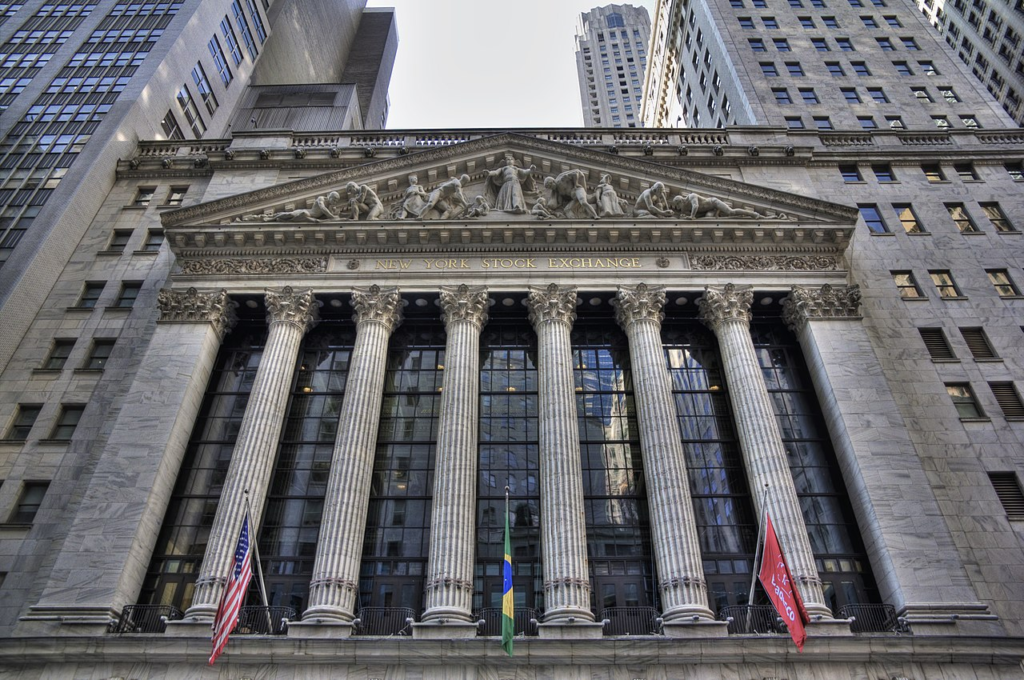
In the U.S. equity markets—where the NYSE and Nasdaq handle trillions in daily trading volume—market movers can appear across different categories:
- Top gainers — stocks with the largest percentage price increases
- Top losers — stocks with the largest declines
- Most active stocks — companies seeing unusually high trading volume
- Sector movers — industries experiencing widespread gains or declines
Understanding the reason behind the move is often more important than the move itself.
What Typically Causes Major Market Movements?
Stock prices rarely move without a reason. While short-term volatility can sometimes appear random, most large market movements are triggered by specific events or developments.
1. Earnings Announcements
Quarterly earnings reports are among the most common catalysts.
Public companies in the U.S. report earnings four times per year, and results that significantly beat or miss expectations can drive large price changes.
For example:
- A company reporting higher-than-expected revenue growth
- Improved profit margins
- Updated guidance for future earnings
According to data from FactSet, companies that surprise analysts by more than 10% on earnings often experience larger price swings on the day of the announcement.
However, earnings reactions depend not only on results but also on expectations. A strong report can still lead to a decline if investors expected even better performance.

2. Economic Data Releases
Macroeconomic indicators can influence thousands of stocks simultaneously.
Key U.S. data releases include:
- Inflation reports such as the Consumer Price Index (CPI)
- Employment figures like Nonfarm Payrolls
- Interest rate decisions from the Federal Reserve
- GDP growth updates
For instance, if inflation data comes in higher than expected, investors may anticipate higher interest rates, which often puts pressure on growth stocks.
When these reports are released, market movers frequently appear across entire sectors.
3. Company News and Strategic Announcements
Major corporate developments can quickly turn a stock into a market mover.
Examples include:
- Mergers and acquisitions
- Product launches
- Regulatory approvals
- Executive leadership changes
- Legal rulings
A notable example occurred when several pharmaceutical companies experienced sharp gains following FDA approvals for new treatments.
Similarly, technology firms can see rapid price shifts after announcing new AI products or cloud services.
4. Analyst Ratings and Institutional Activity
Wall Street analysts and institutional investors can influence stock movements as well.
When a major investment bank upgrades a stock or raises its price target, the market often reacts quickly.
Institutional investors—such as pension funds, hedge funds, and asset managers—control large pools of capital. When these firms build or reduce positions, the resulting trades can significantly affect share prices.
Although analyst opinions alone rarely change long-term trends, they can influence short-term market momentum.
Why Market Movers Matter to Individual Investors
Market movers attract attention because they highlight shifts in investor behavior.
For individual investors, monitoring these movements can provide useful context for broader market trends.
First, market movers often reflect changes in expectations. When investors rapidly reprice a stock, it typically means new information has changed the outlook for future earnings or growth.
Second, they help reveal sector rotation—a phenomenon where investors move money between industries depending on economic conditions.
For example:
- During periods of economic expansion, investors often favor technology and consumer discretionary stocks
- During uncertainty, utilities and healthcare sometimes attract capital because they are considered more defensive
Observing market movers across sectors can offer insight into where investors believe economic conditions are heading.
Finally, tracking market movers can help investors understand risk sentiment.
Large movements across speculative stocks or small-cap companies may signal increased risk appetite, while movement into defensive sectors may indicate caution.
How Professional Investors Evaluate Market Movers
Professional investors rarely make decisions based solely on daily price movements. Instead, they combine multiple layers of analysis.
Key factors professionals examine
- Trading volume trends
- Institutional ownership changes
- Earnings revisions
- Sector performance relative to indexes
- Macro-economic conditions
Volume is particularly important. A stock that moves 10% on low volume may not carry the same significance as one that moves 3% with exceptionally high trading activity.
Professionals also analyze whether a movement is news-driven or sentiment-driven.
News-driven moves typically follow concrete developments such as earnings reports. Sentiment-driven moves may reflect shifting expectations about an industry or economic outlook.
The Role of Technology and Algorithms in Market Moves
Modern markets operate very differently from those of previous decades.
Today, algorithmic trading and quantitative funds account for a large share of U.S. equity trading volume.
These systems analyze vast amounts of data—economic indicators, price patterns, and financial reports—to identify opportunities.
As a result, market reactions can occur extremely quickly after news is released.
For example, automated trading systems can react within milliseconds to:
- Earnings reports
- Economic data releases
- Federal Reserve announcements
While these systems add liquidity to the market, they can also contribute to short-term volatility.
Examples of Market Movers in Recent Years
Examining real-world cases helps illustrate how market movers develop.
Technology Sector Surges
The rapid growth of artificial intelligence technology led to major price increases for several semiconductor and cloud computing companies between 2023 and 2025.
Companies involved in AI infrastructure experienced strong demand from data centers and enterprise software developers.
As a result, several firms became frequent market movers during earnings seasons.
Energy Sector Volatility
Energy companies often become market movers when oil prices fluctuate.
Changes in geopolitical tensions, supply disruptions, or production decisions by major oil producers can quickly influence the sector.
During periods when crude oil prices rise sharply, many energy stocks experience simultaneous gains.
Banking Sector Reactions
Financial institutions sometimes move together when interest rate expectations change.
Higher interest rates can increase bank profitability through improved lending margins, but they may also slow economic activity.
This balance often leads to noticeable sector-wide price movements following Federal Reserve policy updates.
Risks of Chasing Market Movers
While market movers attract attention, they can also tempt investors into making reactive decisions.
A common mistake is chasing momentum without understanding the underlying reason for the movement.
Stocks that surge rapidly can sometimes reverse just as quickly, particularly if the initial move was driven by short-term speculation rather than long-term fundamentals.
Investors should also remember that past performance during a single trading session rarely predicts long-term results.
Instead of reacting immediately, many experienced investors step back and evaluate whether the underlying business outlook has truly changed.
Practical Ways to Monitor Market Movers
Individual investors don’t need complex trading systems to track market movements effectively.
Several widely used tools can provide useful information.
Reliable sources investors often use
- Major financial news outlets such as Bloomberg and CNBC
- Market data platforms like Yahoo Finance and Nasdaq
- Earnings call transcripts and company filings
- Sector performance dashboards from investment research firms
When reviewing market movers, investors often focus on a few key questions:
- What specific event triggered the movement?
- Is the change likely temporary or structural?
- Are other companies in the sector moving similarly?
- Has the company’s long-term outlook changed?
Asking these questions can help investors avoid impulsive decisions.

Frequently Asked Questions
What is considered a market mover?
A market mover is a stock or asset experiencing unusually large price changes or trading volume, typically driven by news, earnings reports, or economic developments.
Why do stocks move so much after earnings reports?
Earnings reports reveal whether a company met, exceeded, or missed expectations. When results differ significantly from forecasts, investors adjust their valuation of the company quickly.
Are market movers good investment opportunities?
Not necessarily. While some movements reflect genuine improvements in a company’s outlook, others may result from short-term speculation or temporary reactions.
How do institutional investors influence market movers?
Institutional investors manage large pools of capital. When they buy or sell large positions, their trades can significantly impact stock prices and trading volume.
Do market movers affect the overall stock market?
Yes. Large companies with heavy index weightings can influence major indexes like the S&P 500 or Nasdaq when their prices move significantly.
What tools help track market movers?
Financial news platforms, brokerage dashboards, and market data websites often provide real-time lists of top gainers, losers, and most active stocks.
Can economic data cause market movers?
Yes. Inflation reports, employment data, and Federal Reserve decisions often trigger widespread stock movements.
Why do some stocks move without obvious news?
Sometimes price movements occur due to technical trading, options activity, or shifts in investor sentiment rather than company-specific news.
Should long-term investors worry about daily market movers?
Long-term investors often focus more on business fundamentals and long-term growth prospects rather than daily price fluctuations.
How can beginners interpret market movements more effectively?
Beginners can start by identifying the news or events behind price changes and comparing them with historical trends in the company or sector.
Reading the Signals Without Overreacting
Market movers offer valuable insights into how investors interpret new information and shifting economic conditions. While large price changes can highlight emerging trends, they do not always indicate long-term investment opportunities.
By focusing on the reasons behind market movements—earnings results, economic data, sector developments, or institutional activity—investors can better understand the broader narrative shaping financial markets.
A disciplined approach that emphasizes research, context, and long-term thinking often proves more valuable than reacting to every headline or price swing.
Key Insights From Today’s Market Movement Trends
- Market movers highlight where investor attention is focused
- Earnings announcements remain the most common catalyst
- Economic data can trigger sector-wide movements
- Institutional trading activity often amplifies price changes
- Technology and algorithmic trading accelerate market reactions
- Not all price swings reflect long-term investment opportunities