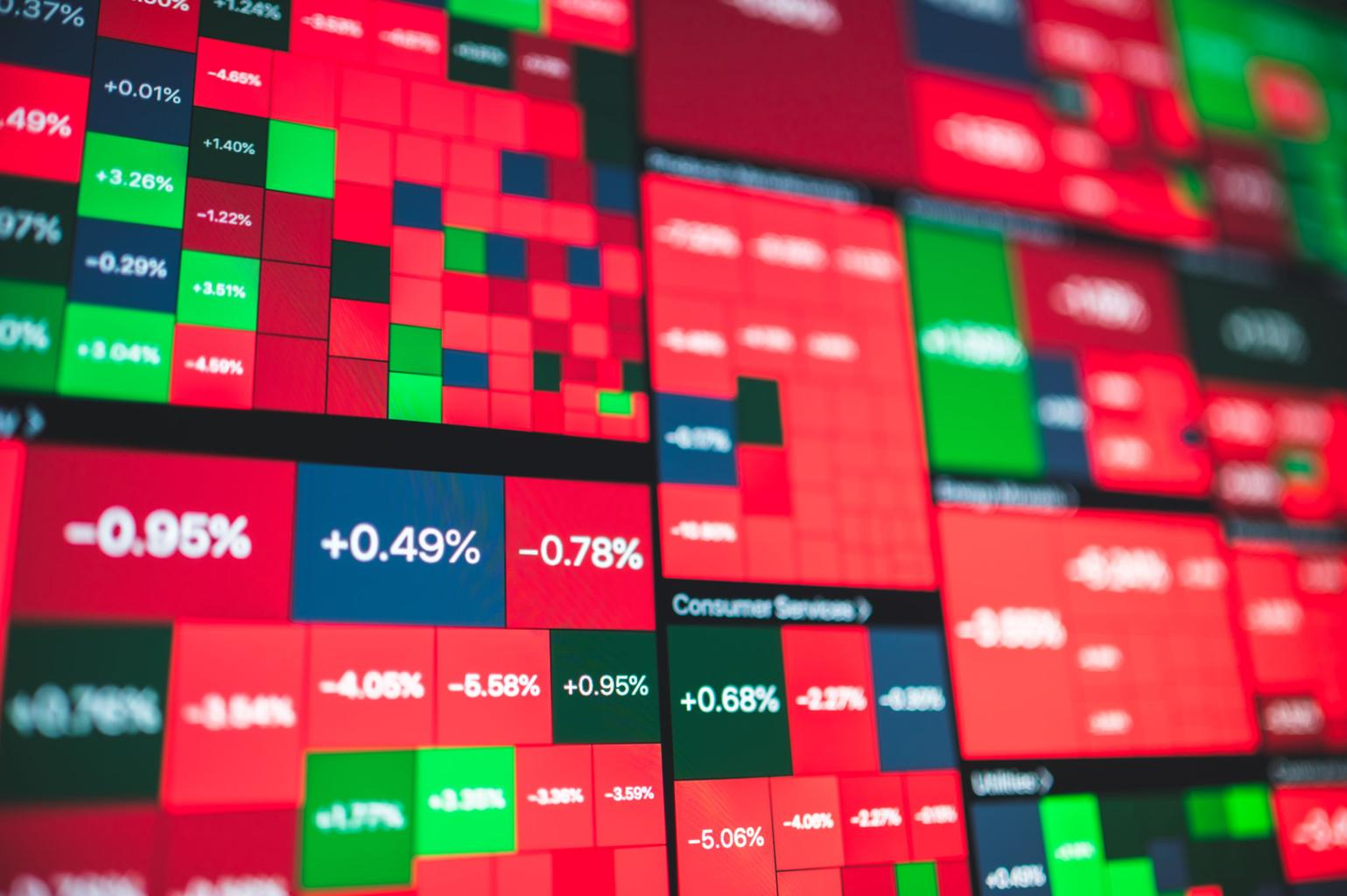
Summary
Stocks move every day, but some companies drive the narrative of the entire market. Today’s market movers—companies experiencing unusual price swings, heavy trading volume, or news-driven momentum—offer insights into investor sentiment and economic expectations. Understanding why these stocks move helps investors interpret broader market trends, evaluate risk, and identify potential opportunities in evolving sectors.
Understanding What Makes a Stock a “Market Mover”
Every trading session produces a list of companies whose stock prices shift more dramatically than the rest of the market. These companies are commonly called market movers, and they often reflect the day’s most significant developments in business, economics, or policy.
Market movers can rise sharply, decline suddenly, or attract unusually high trading volume. Their activity may stem from earnings reports, mergers, regulatory decisions, economic data releases, or changes in investor sentiment.
In many cases, these stocks provide a real-time window into how markets process information. For example, a major technology company announcing new AI capabilities might trigger a rally across the broader tech sector. Conversely, disappointing earnings from a consumer brand could lead investors to reconsider spending trends across the retail industry.
According to Nasdaq and NYSE trading data, stocks that experience significant volume spikes often account for a disproportionate share of daily index movement. Even a small number of influential companies can shape the tone of an entire trading session.
Understanding the reasons behind these moves helps investors interpret the broader story unfolding in the market.
Why Investors Pay Close Attention to Market Movers
Professional traders, institutional investors, and financial journalists monitor market movers closely because they often signal emerging trends or shifting expectations.
While not every stock movement is meaningful, consistent patterns among leading movers can reveal changes in market dynamics.
Some of the key reasons investors track them include:
- Identifying sector momentum – A cluster of moving stocks within one industry may signal changing fundamentals.
- Monitoring economic sentiment – Market reactions to inflation data or Federal Reserve commentary often appear in market movers.
- Detecting institutional activity – Large trading volumes sometimes indicate hedge funds or institutional investors repositioning portfolios.
- Spotting early trend signals – Major price movements occasionally precede broader shifts in the market.
For example, during periods when energy prices rise, energy companies frequently dominate lists of market movers. Similarly, during periods of rapid technological innovation, semiconductor and software companies often lead market activity.
This information doesn’t guarantee investment success, but it helps investors contextualize what is happening beneath the surface of daily market headlines.

Key Factors Driving Today’s Market Movers
Several forces typically shape the stocks that dominate daily trading activity. Understanding these drivers can help investors interpret sudden price swings.
1. Earnings Reports
Corporate earnings remain one of the most powerful catalysts for stock movement.
Companies listed on major U.S. exchanges release earnings reports four times a year, and the results often trigger significant volatility. Investors evaluate not only profits but also guidance, revenue growth, and forward outlook.
A strong earnings report may trigger a rally, while weaker results can lead to sharp declines.
2. Economic Data Releases
Major economic indicators frequently influence market movers.
Examples include:
- Inflation reports (Consumer Price Index)
- Employment data (U.S. jobs report)
- GDP updates
- Consumer confidence surveys
According to the U.S. Bureau of Labor Statistics, inflation data releases often trigger noticeable movements in sectors like retail, banking, and technology as investors adjust expectations for interest rates.
3. Federal Reserve Policy Signals
Interest rate expectations remain one of the most influential factors in equity markets.
When Federal Reserve officials signal potential policy changes, certain sectors respond quickly. For instance:
- Technology stocks often react strongly to interest rate expectations.
- Financial institutions may benefit from higher rate environments.
- Real estate and utilities sometimes decline when borrowing costs rise.
These reactions frequently push related companies into the day’s market mover list.
4. Corporate News and Strategic Announcements
Major corporate developments can also drive trading activity.
Examples include:
- Mergers and acquisitions
- Leadership changes
- New product launches
- Strategic partnerships
- Regulatory approvals
For example, a pharmaceutical company receiving FDA approval for a new treatment can see its stock move significantly within a single session.

How Market Movers Influence the Broader Market
The impact of market movers extends beyond individual companies. Large-cap companies—especially those included in major indices—can influence broader market performance.
The S&P 500, for example, is weighted by market capitalization. That means the largest companies carry the most influence over the index’s movement.
When several large companies move in the same direction, the entire index may follow.
Consider a typical scenario:
If several major technology companies experience strong gains in a single trading session, the Nasdaq Composite may rise even if other sectors remain flat.
Similarly, weakness in a handful of financial companies could weigh on the Dow Jones Industrial Average.
Because of this dynamic, market movers often serve as a barometer for the overall direction of the market.
Real-World Examples of Market Movers
Market movers appear across sectors every trading day. Understanding real-world examples helps illustrate how news and events translate into price action.
Technology Sector
Technology companies frequently dominate market mover lists because of their size and influence.
For instance, strong cloud computing growth or AI-related announcements often lead to rapid investor interest and increased trading volume. Companies involved in semiconductor manufacturing, data infrastructure, or enterprise software may experience heightened activity.
Energy Sector
Energy companies can become market movers when oil prices fluctuate.
If crude oil prices rise due to geopolitical developments or supply constraints, energy producers and oil service companies often move higher. Conversely, falling oil prices may pressure these stocks.
Healthcare and Biotechnology
Healthcare companies can move significantly based on regulatory developments.
Drug approvals, clinical trial results, or healthcare policy changes frequently create notable price swings within biotechnology stocks.
These movements sometimes attract attention from both long-term investors and short-term traders seeking opportunities.
How Individual Investors Can Interpret Market Movers
Market movers can be useful indicators, but interpreting them requires context.
Many investors make the mistake of reacting immediately to price movements without understanding the underlying cause. A disciplined approach focuses on analysis rather than impulse.
When evaluating market movers, investors often consider several questions:
- What news triggered the movement?
- Is the price change supported by fundamentals?
- Is the movement part of a broader sector trend?
- Has trading volume increased significantly?
- Are institutional investors involved?
Looking beyond the headline move helps investors avoid reacting to temporary volatility.
Long-term investors often use market movers as signals to investigate further, rather than as immediate trading opportunities.
Practical Ways to Track Market Movers During the Trading Day
Modern investors have access to numerous tools that make tracking market activity easier than ever.
Many financial platforms provide real-time lists of top gainers, top losers, and most actively traded stocks.
Common ways investors monitor market movers include:
- Financial news platforms such as Bloomberg and CNBC
- Brokerage dashboards that display live trading activity
- Stock screening tools that highlight unusual volume
- Exchange websites listing daily gainers and losers
- Financial market newsletters summarizing daily trends
Some investors also follow pre-market and after-hours trading activity, which can hint at how markets may react when regular trading begins.
However, pre-market movement often reflects lower trading volume and may not always translate into full-session momentum.
Risks of Chasing Market Movers
Although market movers attract attention, reacting too quickly can introduce risk.
Stocks experiencing rapid price changes often become volatile, and prices may reverse once the initial reaction fades.
Common risks include:
- Buying after the majority of the move has already occurred
- Misinterpreting short-term news events
- Overreacting to temporary sentiment shifts
- Ignoring broader market context
Experienced investors generally focus on long-term fundamentals rather than short-term price swings.
Instead of chasing momentum, they may analyze whether a company’s underlying business prospects have truly changed.
How Market Movers Reflect Broader Economic Trends
Market movers often act as early indicators of economic change.
For example:
- Rising bank stocks may signal expectations of stronger lending activity.
- Increasing demand for semiconductor companies could reflect growth in digital infrastructure.
- Strength in industrial stocks may indicate improving manufacturing conditions.
Over time, these patterns help analysts interpret broader economic cycles.
Market activity doesn’t always predict economic outcomes perfectly, but it frequently reflects investor expectations about future growth, inflation, and policy changes.
Understanding these signals can help investors place daily market headlines into a broader context.
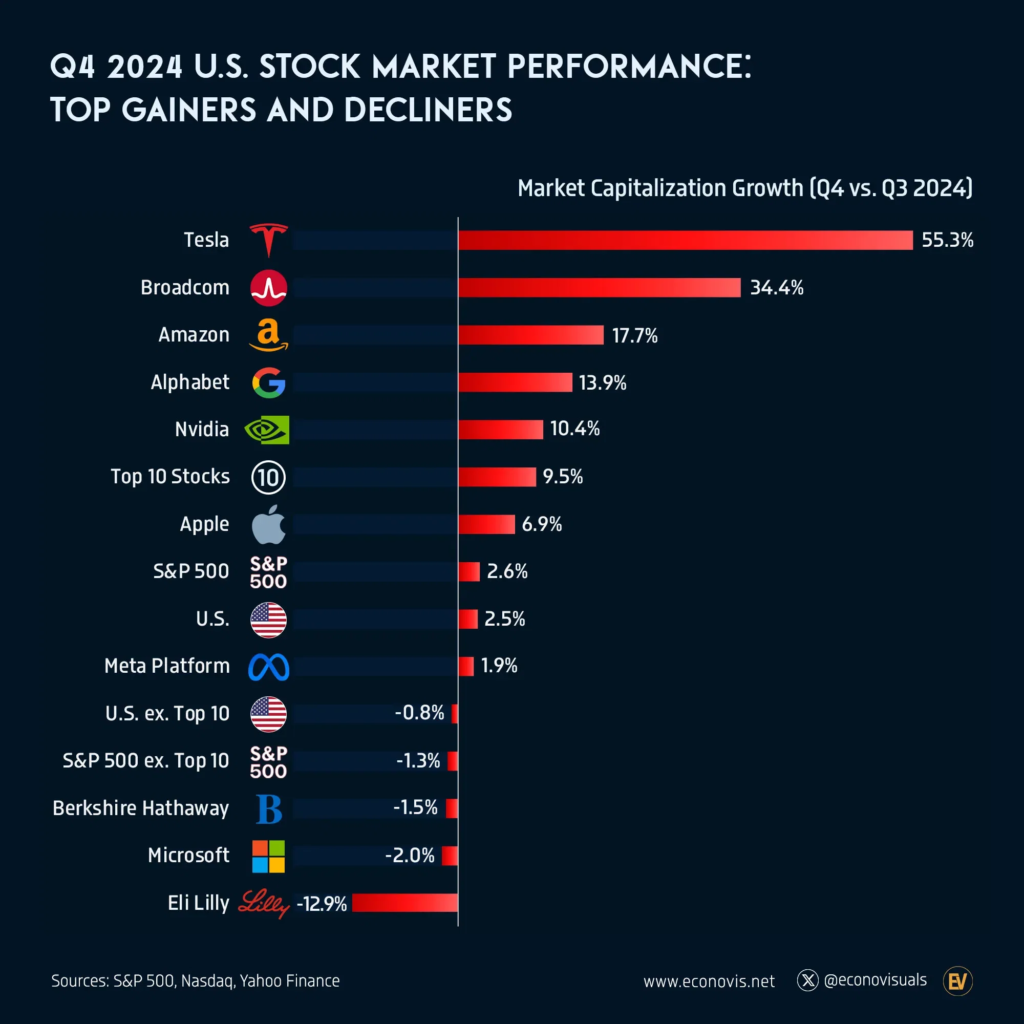
Frequently Asked Questions
What is a market mover in the stock market?
A market mover is a stock experiencing significant price movement or unusually high trading volume during a trading session. These movements are typically driven by news events, earnings reports, economic data, or investor sentiment.
Why do some stocks move more than others?
Stocks move more dramatically when investors react strongly to new information, such as earnings surprises, regulatory decisions, or economic developments.
Are market movers good investment opportunities?
Not always. Some movements reflect long-term changes in company outlook, while others are short-lived reactions to news or speculation.
How can investors find market movers?
Most financial platforms provide lists of top gainers, top losers, and stocks with unusual trading volume.
Do market movers influence the overall market?
Yes. Large companies can influence major indices, meaning significant moves in major firms may impact broader market performance.
Are market movers only large companies?
No. Small-cap and mid-cap stocks frequently appear as market movers, especially when they release major news.
Is it risky to trade market movers?
Yes. Stocks experiencing large price swings can be volatile, and prices may reverse quickly after the initial reaction.
What time of day do market movers appear?
Market movers can emerge at any time, but activity often spikes during the market open, after earnings announcements, or following economic data releases.
Do institutional investors affect market movers?
Yes. Large trades by hedge funds or institutional investors can significantly influence stock movement.
Can market movers predict market direction?
They can provide signals, but they do not guarantee future market direction. They are best used as indicators for further analysis.
Navigating the Signals Behind Daily Stock Movements
Market movers provide a useful lens through which investors can observe how markets react to information. From earnings reports to economic indicators, these stocks highlight the forces shaping investor expectations in real time.
Understanding why certain companies move helps investors interpret broader trends rather than simply reacting to daily price fluctuations. By focusing on context, fundamentals, and sector patterns, investors can use market movers as a research starting point rather than a short-term trading signal.
Quick Insights Recap
- Market movers are stocks with significant price or volume activity
- Earnings reports remain one of the most common catalysts
- Economic data and interest rate expectations strongly influence markets
- Large companies can impact major indices like the S&P 500
- Market movers can signal sector trends and investor sentiment
- Chasing rapid price movements carries risk
- Long-term investors often use market movers for research rather than immediate trades