Summary
Major market moves rarely happen without a reason. Today’s biggest stock and sector shifts are increasingly driven by interest rate expectations, economic data, corporate earnings, artificial intelligence investment, geopolitical tensions, and consumer behavior trends. Understanding these drivers helps investors interpret volatility, identify emerging opportunities, and avoid reacting emotionally to headlines that only partially explain market momentum.
What’s Driving Today’s Biggest Market Movers? A Closer Look
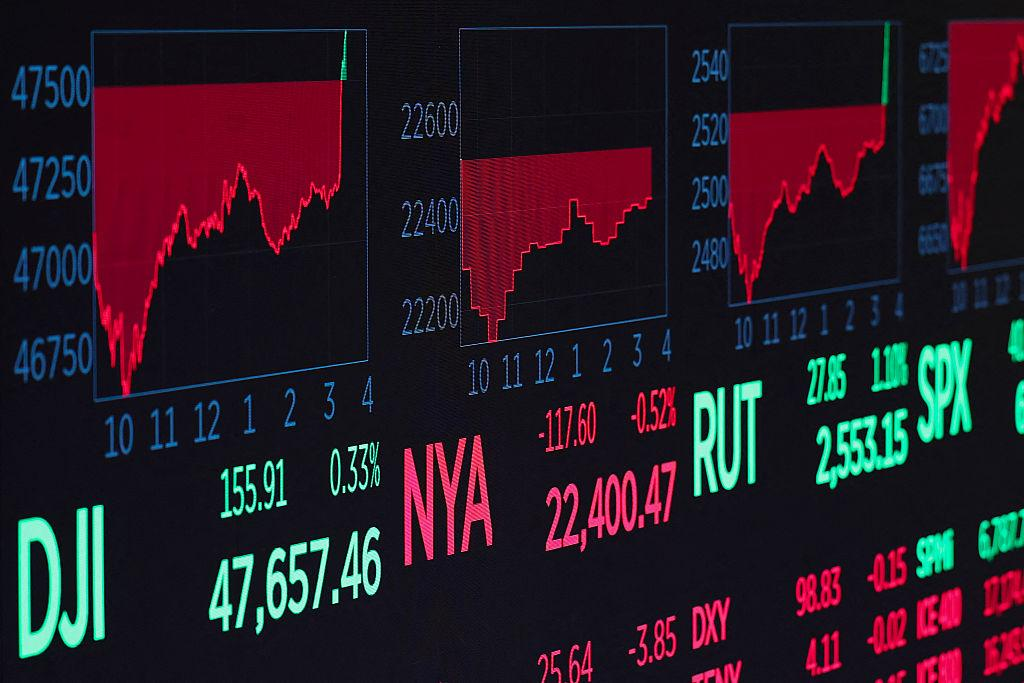
Financial markets move every day, but some days bring unusually large swings. A handful of stocks surge while others collapse, entire sectors rotate out of favor, or global indexes react sharply to economic news.
Behind these moves are identifiable forces — often a combination of macroeconomic trends, corporate performance, policy decisions, and investor psychology.
For individual investors, understanding what drives major market moves is far more useful than simply tracking headlines. When you recognize the forces shaping price movements, you can interpret volatility more clearly and make better long-term decisions.
This guide breaks down the major drivers influencing today’s biggest market movers and explains how investors can read market signals more effectively.
The Influence of Interest Rates and Federal Reserve Policy
Interest rates remain one of the most powerful drivers of market movements. When the Federal Reserve adjusts monetary policy, the effects ripple through stocks, bonds, real estate, and currencies.
Higher interest rates tend to slow economic activity. Borrowing becomes more expensive for both consumers and corporations. As a result:
- Growth stocks often decline because their future earnings become less valuable when discounted at higher rates.
- Financial stocks sometimes benefit because banks earn more from lending.
- Real estate and housing-related companies may struggle as mortgage rates rise.
Conversely, when investors believe rate cuts are approaching, the market often rallies. Lower borrowing costs stimulate investment, encourage consumer spending, and increase risk appetite.
In recent years, markets have reacted strongly to even subtle signals from Federal Reserve officials. A single statement about inflation progress can move billions of dollars in market value within minutes.
Understanding rate expectations, not just rate changes themselves, has become essential for interpreting market swings.

Economic Data That Moves Markets
Markets constantly react to new economic information. Key reports give investors clues about the health of the economy and influence expectations about monetary policy.
Some of the most influential reports include:
- Consumer Price Index (CPI) – Measures inflation trends
- Jobs Reports (Nonfarm Payrolls) – Indicates labor market strength
- GDP Growth Data – Shows overall economic expansion
- Retail Sales – Signals consumer spending power
- Manufacturing Surveys – Reflect industrial activity
For example, stronger-than-expected employment numbers may initially boost markets because they signal economic strength. But if the data suggests inflation may remain elevated, investors may worry that interest rates will stay higher for longer — sometimes causing markets to drop instead.
This dynamic explains why markets occasionally react in ways that appear contradictory. Investors aren’t just evaluating the current economy; they’re anticipating how policymakers will respond to it.
Corporate Earnings and Guidance
Individual stocks often experience their biggest moves around earnings announcements.
Quarterly earnings reports provide insight into:
- Revenue growth
- Profit margins
- Cost pressures
- Consumer demand
- Forward guidance
A company can beat earnings expectations yet still see its stock fall if future guidance disappoints investors. Conversely, a company with modest results may surge if it signals strong growth ahead.
Recent years have highlighted how guidance matters as much as past performance. Markets are forward-looking, and investors care more about what executives expect to happen next.
Technology companies, in particular, often experience dramatic earnings-driven swings. When growth expectations change — even slightly — valuations adjust quickly.
Artificial Intelligence and Technology Investment
One of the most powerful drivers of market movement in recent years has been the explosion of investment in artificial intelligence.
Major technology companies are spending billions on:
- AI infrastructure
- Data centers
- advanced semiconductors
- machine learning research
Companies involved in these supply chains — particularly chip manufacturers and cloud infrastructure providers — have seen massive stock movements as investors price in future demand.
For example, companies producing high-performance GPUs used for AI training have experienced extraordinary revenue growth, which has triggered major rallies across the semiconductor sector.
However, rapid growth expectations can also create volatility. When markets begin questioning whether AI spending will sustain its pace, technology stocks often experience sharp pullbacks.
AI is therefore both a major driver of market rallies and a source of sudden corrections.

Geopolitical Events and Global Tensions
Markets are sensitive to global instability. Geopolitical developments can trigger sudden shifts in commodity prices, supply chains, and investor sentiment.
Common geopolitical drivers include:
- Military conflicts
- trade disputes
- sanctions
- energy supply disruptions
- political elections
For example, conflict in energy-producing regions can rapidly push oil prices higher, which affects transportation, manufacturing, and inflation expectations worldwide.
Similarly, trade tensions between major economies can impact technology supply chains, agricultural exports, and currency markets.
While geopolitical shocks often cause short-term volatility, markets tend to stabilize once investors gain clarity about the longer-term economic impact.
Sector Rotation and Institutional Money Flow
Another major force behind market movers is sector rotation.
Large institutional investors — including pension funds, hedge funds, and asset managers — frequently shift capital between sectors based on changing economic conditions.
For instance:
- During economic expansion, cyclical sectors like industrials and consumer discretionary often outperform.
- During uncertainty, investors may shift into defensive sectors like healthcare and utilities.
- When inflation rises, energy and commodities often gain strength.
These shifts can create sudden momentum for entire sectors even if individual companies haven’t announced major news.
Understanding sector rotation helps investors avoid the mistake of interpreting every stock move as company-specific. Often the real driver is capital moving between industries.
Retail Investor Behavior and Social Media Influence
The rise of online trading platforms has dramatically increased retail participation in financial markets.
Individual investors now influence short-term price movements more than ever before. Social media platforms, online forums, and real-time financial commentary can amplify trading activity around specific stocks.
Examples include:
- Meme-stock rallies
- sudden short squeezes
- viral investment themes
- speculative trading in emerging technologies
While retail investors rarely control long-term trends, they can create temporary price distortions that lead to unusually large market moves.
Professional investors increasingly monitor retail sentiment because it can affect short-term liquidity and volatility.
Commodity Prices and Inflation Expectations
Commodity markets play a critical role in shaping broader financial markets.
Key commodities such as oil, copper, and agricultural products influence inflation, manufacturing costs, and global trade.
When commodity prices rise significantly:
- Energy companies often benefit
- Airlines and logistics companies may struggle
- Inflation expectations increase
- Central bank policy may tighten
Oil prices, in particular, remain a powerful macroeconomic signal. Large spikes or drops in energy costs can influence entire equity markets.
Commodity markets also provide insight into global demand trends. Rising copper prices, for example, often indicate expanding industrial activity.
Investor Sentiment and Market Psychology
Not every market move is driven by hard data. Investor psychology can play a significant role in amplifying price swings.
Market sentiment shifts based on factors like:
- fear of recession
- enthusiasm around new technologies
- expectations of policy changes
- media narratives
- institutional positioning
When sentiment becomes extremely optimistic or pessimistic, markets may move beyond what fundamentals justify.
This is why experienced investors often track indicators like:
- volatility indexes
- market breadth
- put-call ratios
- fund flows
These indicators help identify when market momentum is driven by emotion rather than underlying economic changes.
How Individual Investors Can Interpret Market Moves
Understanding the drivers behind market volatility can help investors avoid common mistakes.
Instead of reacting to every market headline, experienced investors often focus on a few key principles:
- Identify whether a move is macro-driven or company-specific
- Watch interest rate expectations closely
- Compare market reactions to long-term fundamentals
- Avoid chasing momentum during emotionally driven rallies
- Pay attention to sector-wide trends
Markets will always fluctuate, but the biggest opportunities often come from understanding why prices are moving, not just that they are.
Frequently Asked Questions
What causes the stock market to move the most in a single day?
Large market moves typically occur after major economic data releases, central bank announcements, geopolitical events, or unexpected corporate earnings results.
Why do interest rates affect stock prices?
Higher interest rates increase borrowing costs and reduce the present value of future earnings, which can lower stock valuations.
Why do stocks fall even when companies report strong earnings?
Markets focus on future expectations. If company guidance signals slower growth ahead, stocks may fall despite strong past results.
How does inflation influence the stock market?
Higher inflation can reduce consumer purchasing power and push central banks to raise interest rates, both of which can pressure stocks.
What sectors move the most during economic expansion?
Industrials, technology, consumer discretionary, and financial stocks often perform well during strong economic growth.
Can social media really move stock prices?
Yes. Retail investor coordination through online communities can create short-term surges in trading volume and price volatility.
Why do technology stocks experience larger swings?
Technology companies often have higher growth expectations and valuations, which makes their stocks more sensitive to changes in interest rates and investor sentiment.
What role do commodities play in financial markets?
Commodity prices influence inflation, industrial production costs, and global trade activity, all of which affect equity markets.
How do institutional investors influence markets?
Large institutions control enormous amounts of capital, and when they shift allocations between sectors or asset classes, markets can move quickly.
Are sudden market drops always a sign of economic trouble?
Not necessarily. Markets sometimes react sharply to temporary uncertainty before stabilizing as new information becomes clearer.
Reading the Market’s Underlying Signals
Markets are complex systems shaped by economic forces, policy decisions, corporate performance, and human psychology. The largest market movers rarely have a single cause; they emerge from overlapping influences that shift investor expectations.
For long-term investors, the goal isn’t to predict every short-term move. Instead, it’s to recognize the structural drivers behind volatility and use that knowledge to maintain disciplined investment strategies.
Understanding what truly drives markets helps investors filter out noise, focus on meaningful trends, and make decisions grounded in data rather than headlines.
Key Insights at a Glance
- Interest rate expectations remain the strongest driver of market swings
- Economic data influences both policy decisions and investor sentiment
- Corporate earnings guidance often moves stocks more than past results
- Artificial intelligence investment is reshaping technology sector momentum
- Geopolitical developments can trigger rapid commodity and sector shifts
- Institutional sector rotation drives large capital flows across industries
- Retail investors now play a larger role in short-term volatility
- Commodity prices influence inflation expectations and global markets