Summary
The Federal Reserve plays a central role in guiding the U.S. economy through interest rate policy, liquidity tools, and financial oversight. Its decisions influence everything from mortgage rates to stock market sentiment. Understanding how the Fed operates—and how markets react—helps investors, businesses, and households interpret economic signals and make better financial decisions.
Understanding the Federal Reserve’s Role in the Economy
The Federal Reserve, often called “the Fed,” is the United States’ central bank. Created in 1913, its primary responsibility is to promote a stable financial system and a healthy economy.
Congress has given the Federal Reserve a dual mandate:
- Maintain price stability (control inflation)
- Achieve maximum sustainable employment
To meet these goals, the Fed manages monetary policy through a combination of interest rate decisions, market operations, and regulatory oversight.
In practical terms, the Fed’s policy decisions influence:
- Borrowing costs for consumers and businesses
- Mortgage and credit card interest rates
- Corporate investment and hiring
- Asset prices in stocks and bonds
- The value of the U.S. dollar
When the Fed changes its policy stance, those signals quickly ripple through financial markets and ultimately reach households and businesses across the country.
The Federal Open Market Committee: Where Policy Decisions Are Made
Monetary policy is set by the Federal Open Market Committee (FOMC). The committee meets eight times per year to evaluate economic conditions and determine policy adjustments.
The FOMC includes:
- The seven members of the Federal Reserve Board of Governors
- The President of the Federal Reserve Bank of New York
- Four additional rotating regional Federal Reserve Bank presidents
During each meeting, members analyze extensive economic data such as:
- Inflation trends
- Labor market conditions
- GDP growth
- Global financial developments
Based on this analysis, the committee decides whether to raise, lower, or hold the federal funds rate, which is the benchmark short-term interest rate for the U.S. financial system.
The Federal Funds Rate: The Fed’s Most Powerful Lever
The federal funds rate is the interest rate banks charge each other for overnight loans. While it sounds technical, this rate acts as the anchor for borrowing costs throughout the economy.
When the Fed raises interest rates, the goal is typically to slow inflation by reducing spending and borrowing. When it cuts rates, the objective is often to stimulate economic activity.
Changes to this rate influence many areas of daily financial life.
Examples of how the federal funds rate affects consumers:
- Mortgage rates often rise when the Fed tightens policy
- Auto loan interest costs may increase
- Credit card APRs typically adjust upward
- Savings account yields can improve when rates rise
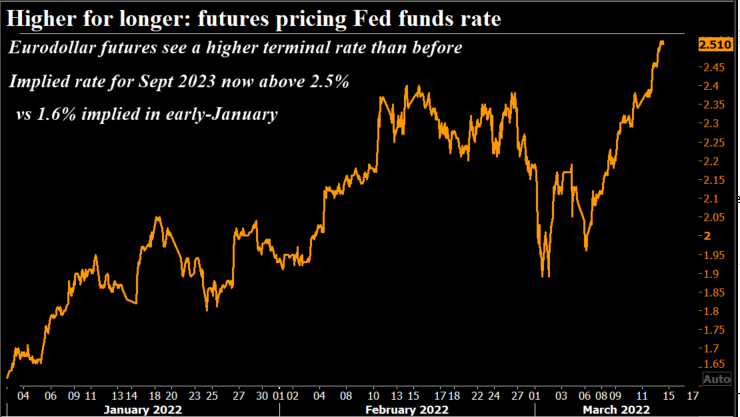
For investors, even small changes in the rate outlook can trigger significant market reactions.
Beyond Interest Rates: The Fed’s Broader Policy Toolkit
Although interest rates receive most of the attention, the Federal Reserve has several other powerful tools.
These tools allow the central bank to influence liquidity, credit conditions, and financial stability.
Key Policy Instruments
- Open Market Operations
Buying or selling U.S. Treasury securities to manage liquidity and influence interest rates. - Quantitative Easing (QE)
Large-scale asset purchases designed to lower long-term borrowing costs during economic crises. - Quantitative Tightening (QT)
Reducing the Fed’s balance sheet by allowing securities to mature without reinvestment. - Forward Guidance
Communicating future policy intentions to shape expectations in financial markets. - Emergency Lending Facilities
Programs designed to stabilize financial institutions during periods of stress.
For example, during the 2008 financial crisis, the Federal Reserve introduced unprecedented asset purchases to stabilize the financial system. Similarly, during the COVID-19 pandemic in 2020, the Fed launched large-scale liquidity programs to maintain credit flows.
These actions demonstrated the Fed’s ability to adapt its policy playbook during extraordinary circumstances.
Why Financial Markets React Immediately to Fed Signals
Financial markets are forward-looking. Investors are constantly attempting to anticipate future economic conditions, which means Fed signals can move markets quickly.
Even subtle changes in tone during an FOMC press conference can influence market expectations.
Markets tend to react strongly to:
- Interest rate projections
- Inflation outlook updates
- Changes in economic forecasts
- Language shifts in official statements
For example, if policymakers indicate that inflation is proving “persistent,” investors may anticipate more aggressive rate hikes.
Conversely, language suggesting inflation is “moderating” could lead markets to price in future rate cuts.

How the Stock Market Responds to Federal Reserve Policy
Stock markets typically respond to Fed policy through expectations about economic growth and corporate profitability.
Common market reactions
- Rising rates often pressure growth stocks, especially technology companies whose valuations depend on future earnings.
- Falling rates tend to support equities by lowering borrowing costs and boosting consumer demand.
- Unexpected policy shifts can create short-term volatility.
A clear example occurred in 2022, when aggressive interest rate hikes aimed at controlling inflation triggered a broad market downturn. Higher borrowing costs reduced corporate investment and dampened investor risk appetite.
However, markets often begin recovering before the Fed actually cuts rates, because investors anticipate future economic improvement.
The Bond Market: Where Fed Signals Are Often Felt First
The bond market is extremely sensitive to Federal Reserve policy.
Treasury yields reflect expectations for:
- Inflation
- Economic growth
- Future Fed interest rate changes
When the Fed signals tighter policy, short-term Treasury yields usually rise quickly. Longer-term yields may also increase if markets believe inflation will remain elevated.
Bond market shifts affect the entire economy because they influence:
- Mortgage rates
- Corporate bond yields
- Municipal borrowing costs
According to data from the U.S. Treasury Department, mortgage rates often track movements in the 10-year Treasury yield, which itself is heavily influenced by Fed expectations.
How Fed Policy Influences the U.S. Dollar
The value of the U.S. dollar is closely tied to interest rate differentials between the United States and other major economies.
When the Fed raises interest rates:
- Global investors may move capital into U.S. assets
- Demand for dollars increases
- The dollar strengthens relative to other currencies
A stronger dollar can lower import prices and help control inflation, but it can also create challenges for U.S. exporters whose products become more expensive overseas.
Currency markets often react instantly to Fed announcements, making them among the most sensitive indicators of policy expectations.
Real-World Example: The Inflation Fight of 2022–2023
One of the clearest demonstrations of the Fed’s policy influence occurred during the recent inflation surge.
After pandemic-related supply disruptions and strong consumer demand pushed inflation above 9% in 2022, the Federal Reserve began one of the most aggressive tightening cycles in decades.
Between March 2022 and mid-2023, the Fed raised the federal funds rate from near zero to above 5%, according to data from the Federal Reserve Bank of St. Louis (FRED).
The impact spread quickly across markets:
- Mortgage rates climbed above 7%
- Technology stocks experienced sharp corrections
- Treasury yields surged
- The U.S. dollar strengthened significantly
Although painful in the short term, the policy tightening eventually helped reduce inflation pressures.
Why Businesses Closely Track Federal Reserve Policy
Corporate leaders monitor Fed decisions because borrowing costs directly affect investment planning.
For example:
- Manufacturers often finance equipment purchases with loans
- Real estate developers rely on credit for construction projects
- Small businesses depend on bank lending for expansion
Higher interest rates may cause companies to delay hiring or reduce capital spending.
Lower rates, on the other hand, can encourage growth initiatives and risk-taking.
This is why the Fed’s policy path plays a central role in corporate financial planning.
What Households Should Know About Federal Reserve Decisions
Although central banking may seem distant from everyday life, Fed policy affects many household financial decisions.
Areas where consumers feel the impact
- Mortgage affordability
- Credit card interest rates
- Auto loan financing
- Savings account yields
- Job market conditions
For example, when rates rise rapidly, first-time homebuyers may find mortgages significantly more expensive. Conversely, savers may benefit from higher yields on certificates of deposit and savings accounts.
Understanding the Fed’s policy direction can help households make better borrowing and saving decisions.

Frequently Asked Questions
1. What is the Federal Reserve’s main goal?
The Federal Reserve aims to achieve maximum employment and stable prices while maintaining a stable financial system.
2. How often does the Federal Reserve change interest rates?
The Federal Reserve reviews interest rate policy during its eight scheduled FOMC meetings each year, though emergency actions can occur when necessary.
3. Why does the Fed raise interest rates?
Interest rates are typically raised to slow inflation by reducing spending, borrowing, and demand in the economy.
4. How do Fed decisions affect mortgage rates?
Mortgage rates are influenced by Treasury yields and broader financial conditions, both of which respond to Fed policy expectations.
5. What is quantitative easing?
Quantitative easing is a policy in which the Federal Reserve purchases large quantities of government securities to lower long-term interest rates and stimulate the economy.
6. Does the stock market always fall when the Fed raises rates?
Not necessarily. Markets often react to expectations rather than the rate change itself. If rate hikes are already anticipated, stocks may remain stable or even rise.
7. How long does it take for Fed policy to affect the economy?
Economists estimate monetary policy typically takes 6 to 18 months to fully influence economic activity.
8. Who leads the Federal Reserve?
The Federal Reserve is led by the Chair of the Board of Governors, who oversees policy discussions and represents the institution publicly.
9. Can the Federal Reserve control inflation completely?
The Fed influences inflation through monetary policy, but factors such as supply chains, energy prices, and global events also affect inflation.
10. Why do markets react strongly to Fed speeches?
Investors look for clues about future policy changes, and even subtle shifts in language can signal a new economic outlook.
Reading the Signals: Why the Fed’s Playbook Matters
Understanding the Federal Reserve’s policy framework provides valuable insight into how financial markets evolve. Interest rate decisions, liquidity programs, and economic guidance shape expectations for investors, businesses, and consumers alike.
Because markets respond not only to policy changes but also to anticipated shifts, careful interpretation of the Fed’s signals has become an essential skill for anyone following the economy.
Over time, the Federal Reserve’s actions ripple outward—from financial institutions to corporations, households, and global markets—illustrating the powerful influence of central banking on everyday economic life.
Key Insights at a Glance
- The Federal Reserve manages monetary policy to control inflation and support employment
- Interest rate changes influence borrowing costs across the economy
- Financial markets react quickly to Fed signals and policy guidance
- Bond markets often reflect policy expectations before other asset classes
- Businesses and households adjust financial decisions based on the Fed’s outlook