Summary
The Federal Reserve’s interest rate strategy offers one of the clearest signals about where the U.S. economy may be headed. Rate increases typically aim to control inflation, while cuts encourage growth. By understanding the Fed’s policy direction—along with its economic data signals—consumers, investors, and businesses can better anticipate borrowing costs, hiring trends, housing activity, and broader economic momentum.
Interest rates are one of the most powerful tools used by the Federal Reserve to guide the direction of the U.S. economy. When the Fed adjusts its benchmark rate—the federal funds rate—it influences borrowing costs for mortgages, credit cards, business loans, and government debt.
Because interest rates ripple across nearly every sector of the economy, the Federal Reserve’s strategy provides insight into how policymakers view inflation, employment, and economic stability.
For American households, businesses, and investors, understanding the Fed’s signals can help explain everything from mortgage rates to hiring trends and market volatility.
Why the Federal Reserve Uses Interest Rates to Guide the Economy
The Federal Reserve operates under what is known as the dual mandate, set by Congress:
- Maintain price stability (control inflation)
- Promote maximum employment
Interest rate policy is the primary tool used to balance these objectives.
When inflation rises too quickly, the Fed typically raises rates. Higher borrowing costs slow spending and investment, which helps bring inflation down.
When the economy weakens or unemployment rises, the Fed may lower rates to stimulate borrowing and encourage economic activity.
The federal funds rate specifically influences short-term lending between banks. But its effects cascade across the financial system, shaping:
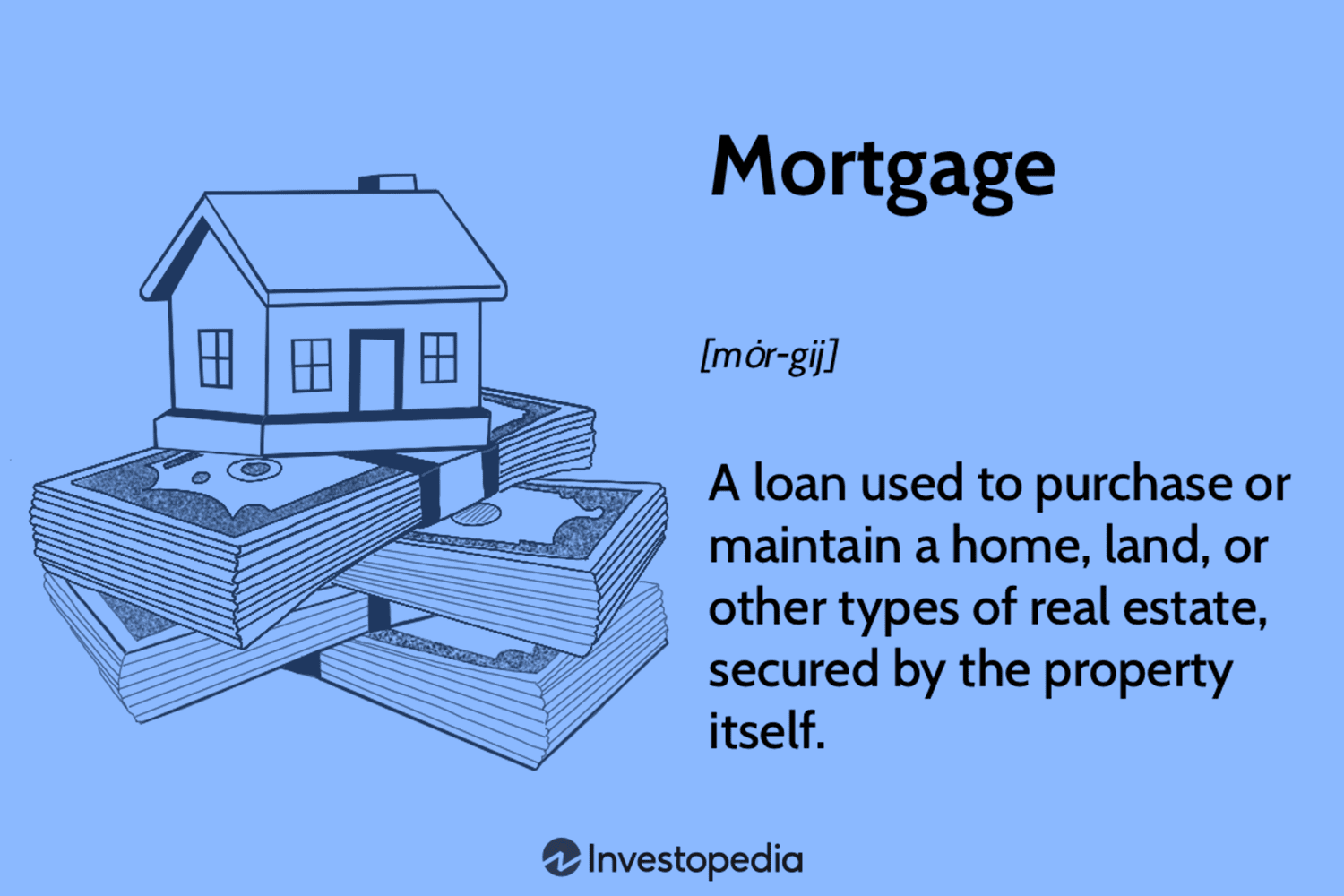
- Mortgage rates
- Auto loans
- Credit card interest rates
- Corporate borrowing costs
- Treasury yields
- Stock market valuations
This is why even small changes in Fed policy receive intense scrutiny from economists and financial markets.
What Recent Rate Policy Has Revealed About Inflation Concerns
Over the past several years, Federal Reserve policy has largely been driven by the challenge of inflation.
According to data from the U.S. Bureau of Labor Statistics, inflation reached a peak above 9% in mid-2022, the highest level in four decades. The surge was driven by pandemic supply disruptions, energy prices, labor shortages, and strong consumer demand.
In response, the Federal Reserve launched one of the most aggressive rate-hiking cycles since the 1980s.
Key outcomes of that policy approach included:
- The federal funds rate increased from near 0% in 2022 to above 5%
- Mortgage rates more than doubled compared with pandemic lows
- Borrowing costs rose across nearly every credit market
This strategy signaled that the Fed prioritized restoring price stability even if economic growth slowed temporarily.
For policymakers, the lesson from the 1970s inflation era remains clear: inflation that becomes entrenched is much harder to control.
What Rate Decisions Reveal About Economic Confidence
Federal Reserve rate strategy is not only about inflation—it also reflects how confident policymakers are about economic resilience.
When the Fed raises rates despite slowing growth, it usually signals that the economy is still strong enough to handle tighter financial conditions.
For example, during recent rate hikes:
- U.S. unemployment remained near historic lows around 3.5–4%
- Consumer spending stayed relatively strong
- Corporate earnings showed resilience in many sectors
These conditions suggested the economy could withstand higher borrowing costs without immediately falling into recession.
However, if the Fed pauses or begins cutting rates, it may signal concern that economic momentum is weakening.
Historically, rate cuts often occur when:
- Job growth slows
- Financial markets tighten significantly
- Consumer spending declines
- Recession risks increase
In this way, Fed policy becomes both a response to economic conditions and a forward-looking signal about risks.
How Interest Rate Policy Affects Everyday Americans
While Fed policy discussions often sound abstract, the effects are deeply practical for American households.
Interest rates shape the cost of nearly every major financial decision.
Housing
Mortgage rates track closely with Treasury yields influenced by Fed policy.
Higher interest rates typically lead to:
- Slower home sales
- Lower refinancing activity
- Reduced housing affordability
For example, a 2-point increase in mortgage rates can raise monthly payments by hundreds of dollars on a typical U.S. home loan.
Credit Cards and Consumer Loans
Most credit card rates are variable and tied to benchmark rates.
When the Fed raises rates:
- Credit card APRs increase
- Auto loan rates climb
- Personal loans become more expensive
This can significantly affect household budgets.
Savings Accounts and CDs
Higher interest rates also benefit savers.
Banks tend to offer:
- Higher savings account yields
- More competitive certificate of deposit (CD) rates
- Better returns on money market accounts
For retirees or conservative investors, these shifts can meaningfully increase income.

What Businesses Watch in Federal Reserve Signals
Corporate leaders closely monitor Federal Reserve policy because borrowing costs affect investment decisions.
When rates rise sharply, companies often:
- Delay expansion plans
- Reduce hiring
- Cut discretionary spending
- Slow capital investments
Higher rates also influence startup funding and venture capital markets, where cheap financing previously supported rapid growth.
For example, during periods of higher rates:
- Technology companies often scale back hiring
- Real estate development slows
- Small business loans become harder to obtain
However, stable interest rate policy can restore confidence and encourage long-term investment.
The Bond Market: Where Fed Signals Are Interpreted First
Financial markets often react to Federal Reserve policy even before official announcements.
One of the most important indicators is the Treasury yield curve, which reflects investor expectations about future growth and interest rates.
A particularly important signal is yield curve inversion, where short-term rates rise above long-term rates.
Historically, this pattern has preceded several U.S. recessions, including:
- 2001 recession
- 2008 financial crisis
- 2020 pandemic downturn
The logic is simple: investors expect the Fed to cut rates later because economic growth will weaken.
Although not a perfect predictor, economists watch the yield curve closely as a barometer of market expectations.
How Federal Reserve Strategy Influences the Stock Market
Stock markets often react strongly to changes in interest rate expectations.
Higher rates affect equities in several ways:
- Borrowing becomes more expensive for companies
- Future earnings are discounted more heavily
- Investors may shift funds toward safer assets like bonds
Growth-oriented sectors—such as technology—are often particularly sensitive because their valuations depend heavily on future earnings.
However, moderate rate increases during strong economic growth can actually support stocks by signaling confidence in the economy.
The relationship between rates and markets is therefore complex and depends on broader economic conditions.
What Americans Should Watch in Future Fed Decisions
For everyday Americans, predicting exact rate moves is less important than understanding the broader signals.
Key indicators that influence Federal Reserve decisions include:
- Inflation trends (especially core inflation)
- Employment data and wage growth
- Consumer spending patterns
- Global economic conditions
- Financial market stability
When these indicators shift significantly, they often influence the Fed’s policy trajectory.
For example:
- Falling inflation may open the door to rate cuts
- Rising unemployment may trigger stimulus policies
- Strong growth may delay easing
By watching these indicators, consumers and investors can better anticipate changes in borrowing costs and economic momentum.

Frequently Asked Questions
Why does the Federal Reserve raise interest rates?
The Fed raises rates primarily to control inflation. Higher borrowing costs slow spending and investment, helping reduce upward pressure on prices.
How quickly do Fed rate changes affect the economy?
Rate changes typically influence financial markets immediately, but their broader economic impact may take 6–18 months to fully appear.
Do Fed rate hikes always cause recessions?
No. Some rate cycles result in a “soft landing,” where inflation falls without a major recession. However, aggressive rate increases can increase recession risk.
Why do mortgage rates change even when the Fed does nothing?
Mortgage rates are tied more closely to Treasury yields and investor expectations than the federal funds rate itself.
What is the federal funds rate?
It is the interest rate banks charge each other for overnight lending, and it serves as the primary benchmark the Federal Reserve controls.
Do higher rates help savers?
Yes. Higher rates usually lead to better returns on savings accounts, CDs, and other fixed-income investments.
Why do stock markets fall when rates rise?
Higher rates reduce the present value of future corporate earnings and make safer investments like bonds more attractive.
How does the Fed decide when to cut rates?
Policymakers evaluate economic data, including inflation, unemployment, and financial stability risks, before adjusting rates.
Can the Fed control inflation completely?
Not entirely. Inflation is influenced by many factors including global supply chains, energy prices, and fiscal policy.
What economic signals should consumers watch?
Inflation reports, unemployment data, wage growth, and Federal Reserve policy statements provide important insights.
Reading the Signals Behind the Policy Moves
Interest rate strategy is one of the clearest ways the Federal Reserve communicates its view of the economy. Rate hikes typically signal concern about inflation, while rate cuts often reflect efforts to support growth or stabilize financial conditions.
For consumers, businesses, and investors, understanding these signals can provide a valuable framework for interpreting economic trends. While no policy tool can perfectly steer such a complex system, interest rates remain one of the most powerful levers shaping the trajectory of the U.S. economy.
Key Insights at a Glance
- Federal Reserve interest rates influence borrowing costs across the entire economy
- Rate hikes are typically used to control inflation
- Rate cuts aim to stimulate economic activity during slowdowns
- Housing, credit cards, and business loans are directly affected by policy changes
- Financial markets often anticipate Fed decisions before they happen
- Bond markets and the yield curve provide early economic signals
- Businesses adjust hiring and investment based on borrowing costs
- Savers often benefit when interest rates rise