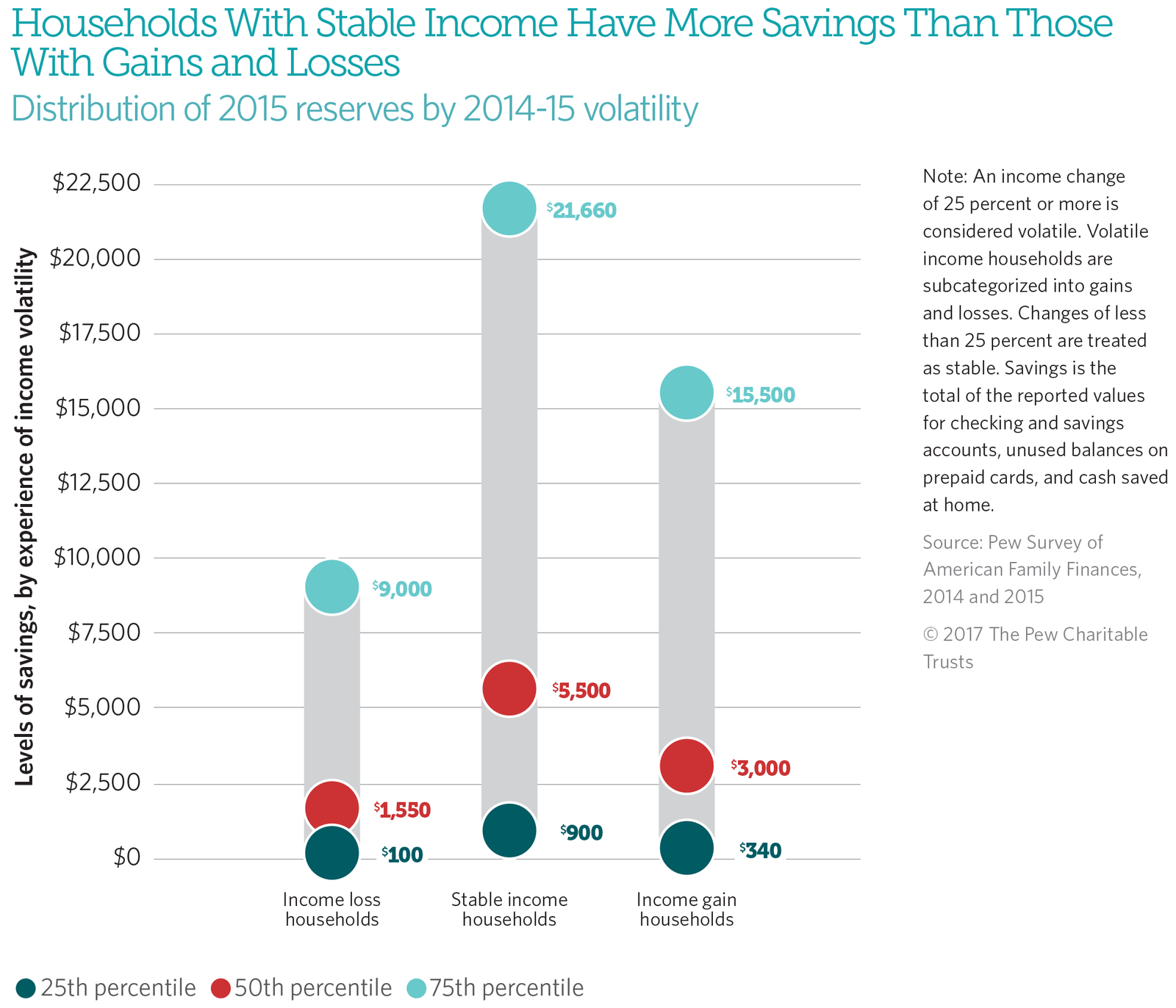
Financial stability rarely depends on unusually high income. In many cases, it results from consistent habits, thoughtful planning, and long-term decision-making. Across the United States, financially stable households often share similar behaviors: controlled spending, steady saving, diversified investments, and manageable debt. Understanding these patterns can help families build resilience and long-term financial security.
Financial Stability Is Usually Built Through Habits, Not Luck
When people think about financially stable households, they often imagine high earners or individuals who experienced a major financial breakthrough. In reality, research suggests that financial stability is more often linked to consistent habits than extraordinary events.
Data from the Federal Reserve indicates that households with stronger financial resilience tend to share several practical characteristics, including emergency savings, manageable debt levels, and long-term financial planning.
Similarly, studies by the Pew Research Center show that financial stability is frequently tied to behavior rather than income alone. Many middle-income households achieve long-term security through disciplined money management and steady financial decisions over time.
While every household situation is different, financially stable families often follow similar patterns that gradually strengthen their financial position.
They Prioritize Living Within Their Means
One of the most common characteristics of financially stable households is spending discipline.
Living within one’s means does not necessarily imply strict frugality. Instead, it reflects an intentional approach to spending where expenses remain aligned with income and long-term priorities.
Financially stable households typically avoid persistent budget shortfalls. Rather than relying on credit to cover everyday expenses, they maintain a margin between what they earn and what they spend.
This financial margin allows households to:
- Build savings
- Invest for the future
- Handle unexpected expenses
- Reduce financial stress
Over time, maintaining this gap between income and expenses creates the foundation for financial progress.
Emergency Savings Are a Core Financial Buffer
Financially stable households almost always maintain some form of emergency savings.
Unexpected expenses—such as medical bills, car repairs, or temporary income loss—are a normal part of life. Without savings, these events often lead to debt.
The Consumer Financial Protection Bureau recommends maintaining an emergency fund that covers at least several months of essential living expenses.
Households build these funds gradually through consistent contributions.
Common ways families build emergency savings include:
- Setting up automatic transfers to savings accounts
- Allocating tax refunds toward savings
- Saving a portion of bonuses or raises
- Reducing discretionary spending temporarily
The presence of emergency savings is one of the strongest indicators of financial stability.
They Treat Saving as a Routine Financial Priority
Another pattern shared by financially stable households is consistent saving.
Rather than saving only when extra money is available, these households treat saving as a regular financial commitment.
Many individuals adopt systems that automate the process, including:
- Automatic payroll deductions into retirement plans
- Scheduled monthly transfers to savings accounts
- Recurring contributions to investment accounts
This approach removes the need to repeatedly decide whether to save.
Even modest contributions—made consistently—can grow significantly over time through compounding.
Debt Is Managed Carefully
Debt is not always negative. Mortgages, education loans, and business loans often support long-term goals.
However, financially stable households tend to manage debt intentionally and avoid high-interest obligations whenever possible.
Credit card interest rates in the United States frequently exceed 20 percent. Carrying balances at these rates can quickly erode financial progress.
Financially stable households often follow several debt-management practices:
- Paying credit card balances in full when possible
- Avoiding excessive borrowing for discretionary spending
- Monitoring credit reports regularly
- Reducing high-interest debt aggressively
These habits help ensure that debt remains manageable rather than overwhelming.
Long-Term Investing Is Part of Their Strategy
Another common trait among financially stable households is participation in long-term investing.
Investing allows savings to grow beyond simple interest, particularly when returns are reinvested over many years.
Many households rely on retirement accounts and diversified portfolios managed through institutions such as the Vanguard Group or Fidelity Investments.
Typical long-term investment strategies include:
- Contributing to employer-sponsored retirement plans
- Investing in diversified index funds
- Maintaining long-term portfolios
- Increasing contributions as income grows
These strategies focus on steady growth rather than short-term speculation.
They Review Their Finances Periodically
Financial stability also depends on awareness.
Households that regularly review their finances tend to identify potential problems early and make adjustments before small issues grow larger.
Regular financial check-ins may include:
- Reviewing monthly spending
- Tracking progress toward savings goals
- Evaluating investment allocations
- Updating insurance coverage
- Planning for upcoming expenses
These reviews do not need to be complicated. Many households conduct simple financial reviews several times per year.
Financial Education Plays an Important Role
Another common feature among financially stable households is a willingness to learn about money.
Access to financial education has expanded through resources provided by organizations like the Financial Industry Regulatory Authority and the National Endowment for Financial Education.
These resources help individuals understand:
- Investment fundamentals
- Debt management strategies
- Retirement planning
- Credit scores and lending
- Budgeting techniques
Households that develop financial knowledge often make more confident decisions and avoid costly mistakes.
Real-World Example: A Financially Stable Household Approach
Consider a household in their early 40s earning a combined middle-class income.
Their financial strategy might include:
- Maintaining a six-month emergency fund
- Contributing regularly to retirement accounts
- Keeping credit card balances at zero
- Investing in diversified index funds monthly
- Reviewing their finances twice per year
None of these practices are particularly complex. However, their consistency over many years allows financial stability to develop gradually.
This pattern reflects how many stable households manage their finances.
Behavioral Traits That Support Financial Stability
Financial decisions are not only about numbers; they are also shaped by behavior.
Households that achieve long-term stability often share certain behavioral traits.
These include:
- Patience with long-term financial goals
- Avoiding impulsive financial decisions
- Maintaining consistent saving habits
- Staying invested during market fluctuations
- Seeking professional advice when necessary
Over time, disciplined behavior often matters more than any single financial decision.
Frequently Asked Questions
1. What does financial stability mean for a household?
Financial stability typically refers to the ability to meet financial obligations, handle unexpected expenses, and maintain long-term savings without relying heavily on debt.
2. Do financially stable households always earn high incomes?
No. Many financially stable households have moderate incomes but maintain strong financial habits.
3. How much emergency savings should a household have?
Many financial planners recommend three to six months of essential living expenses.
4. Is investing necessary for financial stability?
Investing is not required for short-term stability, but it often plays an important role in long-term wealth building.
5. How often should households review their finances?
Many experts suggest reviewing financial plans once or twice each year.
6. Why is managing debt important?
High-interest debt can consume income that might otherwise support savings or investments.
7. What role does budgeting play in financial stability?
Budgeting helps households maintain spending discipline and prioritize financial goals.
8. Are retirement accounts important?
Yes. Retirement accounts allow individuals to save and invest for long-term financial independence.
9. Can financial stability improve gradually?
Yes. Most households strengthen their finances over time through consistent habits.
10. Is financial education necessary?
Understanding basic financial principles helps households make informed decisions and avoid common mistakes.
The Quiet Patterns Behind Financially Stable Households
Financial stability rarely appears overnight. Instead, it develops through consistent decisions that gradually strengthen a household’s financial foundation.
Living within one’s means, maintaining emergency savings, investing consistently, and managing debt responsibly are not dramatic strategies. Yet together they create a powerful framework for financial resilience.
Households that adopt these habits often find that stability grows steadily over time, allowing them to navigate both opportunities and challenges with greater confidence.
Core Habits That Support Long-Term Household Stability
- Spending stays consistently below income
- Emergency savings are maintained and replenished
- High-interest debt is minimized or eliminated
- Retirement contributions occur regularly
- Investments are diversified and long-term focused
- Financial plans are reviewed periodically
- Financial knowledge continues to grow