Summary
Investors across the United States are paying unusually close attention to the Federal Reserve because its decisions on interest rates, inflation control, and economic outlook now have immediate effects on stocks, bonds, mortgages, and business investment. In a period marked by persistent inflation, shifting growth expectations, and global uncertainty, the Fed’s policy signals have become one of the most influential forces shaping financial markets.
Introduction: The Federal Reserve’s Growing Market Influence
For decades, investors have monitored the Federal Reserve, but the level of attention today is notably higher. A single statement from the central bank can move stock indexes, bond yields, mortgage rates, and even cryptocurrency prices within minutes.
The reason is simple: the Federal Reserve sits at the center of the U.S. financial system. Its policies influence borrowing costs, consumer spending, employment conditions, and corporate investment. When economic conditions become uncertain—whether due to inflation, slowing growth, or geopolitical instability—the Fed’s role becomes even more critical.
Recent years have amplified this dynamic. Inflation surged to levels not seen in four decades in 2022, prompting one of the most aggressive interest-rate tightening cycles since the 1980s. Investors now carefully analyze every speech, press conference, and policy statement for clues about what the Fed might do next.
Understanding why this scrutiny has intensified requires examining how the Fed operates and why its decisions ripple across nearly every corner of the financial system.
The Federal Reserve’s Core Mission
The Federal Reserve, often called “the Fed,” serves as the United States’ central bank. Its primary responsibilities revolve around maintaining economic stability and financial system integrity.
The institution operates under a dual mandate established by Congress:
- Promote maximum employment
- Maintain stable prices
- Support moderate long-term interest rates
These goals may sound straightforward, but balancing them is complex. If inflation rises too quickly, the Fed may increase interest rates to cool the economy. If growth slows or unemployment rises, it may lower rates to encourage borrowing and spending.
For investors, these adjustments directly affect market conditions.
Higher interest rates typically:
- Increase borrowing costs for companies
- Reduce consumer spending
- Pressure stock valuations
- Raise yields on bonds and savings instruments
Lower rates tend to have the opposite effect, often stimulating economic activity and supporting asset prices.
Because of this influence, Fed policy decisions are closely tied to market performance.
Why the Fed’s Signals Matter More Today
Investors have always monitored the Fed, but several economic shifts have intensified that attention.
1. Persistent Inflation Changed the Policy Landscape
Inflation has been one of the most significant drivers of market volatility in recent years.
According to data from the U.S. Bureau of Labor Statistics, the Consumer Price Index (CPI) reached 9.1% year-over-year in June 2022, the highest reading since 1981. In response, the Fed raised its benchmark federal funds rate from near zero to above 5% within roughly 18 months.
Such rapid changes rarely occur without affecting markets.
Higher interest rates tend to:
- Reduce equity valuations
- Strengthen the U.S. dollar
- Increase mortgage and credit costs
- Shift investor preference toward safer assets
Because inflation remains a key policy focus, investors track every inflation report alongside the Fed’s response.
2. Interest Rates Now Affect Nearly Every Asset Class
In the modern financial environment, interest rates influence more than just bank lending.
They affect:
- Equities
- Treasury bonds
- Corporate credit markets
- Real estate
- Private equity
- Venture capital
- Cryptocurrencies
For example, when rates rise, future corporate earnings are discounted more heavily. That tends to pressure growth stocks, particularly in sectors such as technology.
Meanwhile, bond yields increase, which can attract capital away from equities.
This interconnectedness means that a Fed policy shift can reshape the entire investment landscape.

The Power of Forward Guidance
One reason investors watch the Fed closely is something known as forward guidance.
Forward guidance refers to the signals central bankers provide about future policy direction. These signals often come from:
- Federal Open Market Committee (FOMC) statements
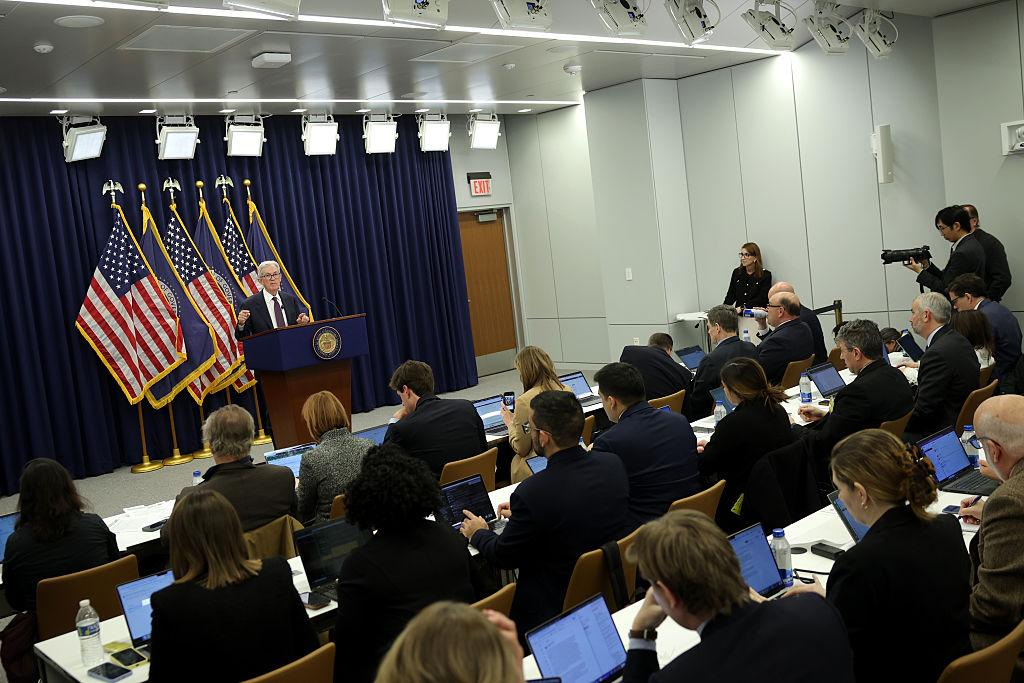
- Press conferences by the Fed Chair
- Speeches from regional Fed presidents
- Economic projections released after meetings
Markets often react more strongly to these signals than to the actual rate decision itself.
For example, if the Fed raises rates but signals that increases may soon slow, markets sometimes rise. Conversely, if policymakers warn that inflation remains stubborn, markets may decline even without immediate policy changes.
Investors therefore analyze tone, wording, and economic projections with extraordinary attention.
How the Fed Influences Financial Markets
Understanding why investors follow the Fed so closely requires examining the specific channels through which policy decisions affect markets.
Interest Rate Channel
The federal funds rate serves as the benchmark for many other rates throughout the economy.
Changes influence:
- Mortgage rates
- Credit card rates
- Auto loans
- Corporate borrowing costs
- Treasury yields
Liquidity Channel
During periods of crisis, the Fed can inject liquidity into financial markets through asset purchases or lending facilities.
This was particularly visible during the COVID-19 pandemic, when the Fed launched large-scale programs to stabilize markets.
Confidence and Expectations
Perhaps most importantly, the Fed shapes economic expectations.
When policymakers signal confidence in economic growth, markets often respond positively. When they highlight risks—such as slowing growth or financial instability—investor sentiment may weaken.
What Investors Are Looking For in Fed Decisions
Professional investors, analysts, and economists pay attention to several key indicators when interpreting Fed policy.
Economic Data That Drives Fed Decisions
Key indicators include:
- Inflation readings (CPI and PCE)
- Employment data (nonfarm payrolls)
- Wage growth trends
- Consumer spending levels
- GDP growth
- Financial market stability
The Fed often emphasizes the Personal Consumption Expenditures (PCE) Price Index, its preferred inflation measure.
Policy Language and Tone
Subtle language shifts in Fed statements can be highly significant.
For example:
- “Inflation remains elevated” may signal continued tightening.
- “Progress toward price stability” may suggest the end of rate hikes.
Investors read these statements carefully because they provide hints about future decisions.
Real-World Examples of Fed Influence
The 2022 Rate-Hike Cycle
When the Fed began raising rates aggressively in 2022, the S&P 500 experienced one of its most volatile years since the global financial crisis.
Growth stocks were particularly affected because higher rates reduce the present value of future earnings.
Mortgage Rate Surges
Mortgage rates rose dramatically during the tightening cycle.
According to Freddie Mac data, the average 30-year mortgage rate climbed from around 3% in 2021 to above 7% in 2023, significantly slowing the housing market.
Bond Market Adjustments
Bond markets also reacted strongly. Treasury yields increased as investors anticipated further rate hikes, which affected borrowing costs across the economy.
These examples illustrate why even small policy shifts can trigger widespread financial adjustments.
The Role of Global Markets
The Federal Reserve’s influence extends far beyond the United States.
Because the U.S. dollar serves as the world’s primary reserve currency, Fed decisions affect:
- International capital flows
- Emerging market debt costs
- Currency valuations
- Global trade financing
When U.S. interest rates rise, capital often flows toward dollar-denominated assets, strengthening the currency and tightening financial conditions worldwide.
This global impact makes the Fed one of the most closely watched institutions in international finance.
How Individual Investors Should Interpret Fed Signals
For everyday investors, interpreting central bank policy can seem overwhelming. However, a few practical principles can help.
Focus on Long-Term Trends
Short-term market reactions to Fed announcements can be dramatic, but long-term investment strategies typically remain more stable.
Diversification Still Matters
Regardless of rate cycles, maintaining diversified portfolios across asset classes helps reduce risk.
Understand Rate Sensitivity
Some sectors respond more strongly to rate changes than others.
Examples include:
- Technology stocks
- Real estate investment trusts (REITs)
- Financial institutions
- Utilities
Recognizing these sensitivities can help investors understand why markets move after Fed announcements.

Frequently Asked Questions
Why do investors pay so much attention to the Federal Reserve?
The Federal Reserve controls key interest rates and influences financial conditions, which directly affect stock markets, bond yields, housing costs, and corporate investment decisions.
What is the federal funds rate?
The federal funds rate is the interest rate banks charge each other for overnight loans. It serves as the primary tool the Fed uses to influence broader economic borrowing costs.
How often does the Federal Reserve meet?
The Federal Open Market Committee typically meets eight times per year to assess economic conditions and decide on interest rate policy.
Does the Fed control mortgage rates directly?
No. Mortgage rates are influenced by bond markets, particularly Treasury yields, but those yields often move in response to Fed policy expectations.
Why do stock markets react immediately to Fed announcements?
Markets respond quickly because investors adjust expectations about future economic growth, borrowing costs, and corporate earnings.
What is forward guidance?
Forward guidance refers to the signals central banks provide about future policy decisions, helping markets understand potential rate paths.
How does inflation affect Fed decisions?
If inflation rises significantly above the Fed’s target—currently around 2%—the central bank may raise interest rates to slow economic activity.
What is quantitative easing?
Quantitative easing is a policy in which the Fed purchases large quantities of financial assets, such as Treasury bonds, to increase liquidity and support economic activity.
Can the Federal Reserve cause a recession?
The Fed does not aim to cause recessions, but raising interest rates to control inflation can slow economic growth, which sometimes contributes to downturns.
Where can investors follow Federal Reserve updates?
Investors often monitor official Federal Reserve statements, economic projections, press conferences, and speeches from central bank officials.
The Central Bank as the Market’s Compass
The Federal Reserve has always played a central role in the U.S. economy, but today its influence on financial markets is more visible than ever. Rapid policy changes, persistent inflation concerns, and interconnected global markets have amplified the impact of every Fed decision.
For investors, understanding the Fed’s priorities and signals has become an essential part of interpreting market movements. While no single policy decision determines the long-term direction of markets, the Federal Reserve continues to serve as one of the most important guides to the economic path ahead.
Key Insights at a Glance
- The Federal Reserve’s interest rate decisions influence borrowing costs across the entire economy.
- Inflation trends have made Fed policy a major driver of market volatility.
- Investors analyze Fed statements, economic projections, and speeches for forward guidance.
- Interest rate changes affect stocks, bonds, real estate, and global capital flows.
- Understanding Fed signals helps investors interpret broader economic trends.