Summary
The Federal Reserve influences nearly every corner of the U.S. economy—from mortgage rates and job growth to inflation and stock market stability. While its decisions rarely dominate daily headlines, the Fed’s policies quietly affect borrowing costs, business investment, and consumer spending. Understanding how the central bank works helps Americans better interpret economic shifts and financial conditions.
Understanding the Federal Reserve’s Role in the U.S. Economy
Most Americans interact with the financial system daily—through credit cards, mortgages, car loans, retirement accounts, or savings. Behind the scenes, the Federal Reserve plays a central role in shaping the environment that determines how expensive or affordable those financial decisions become.
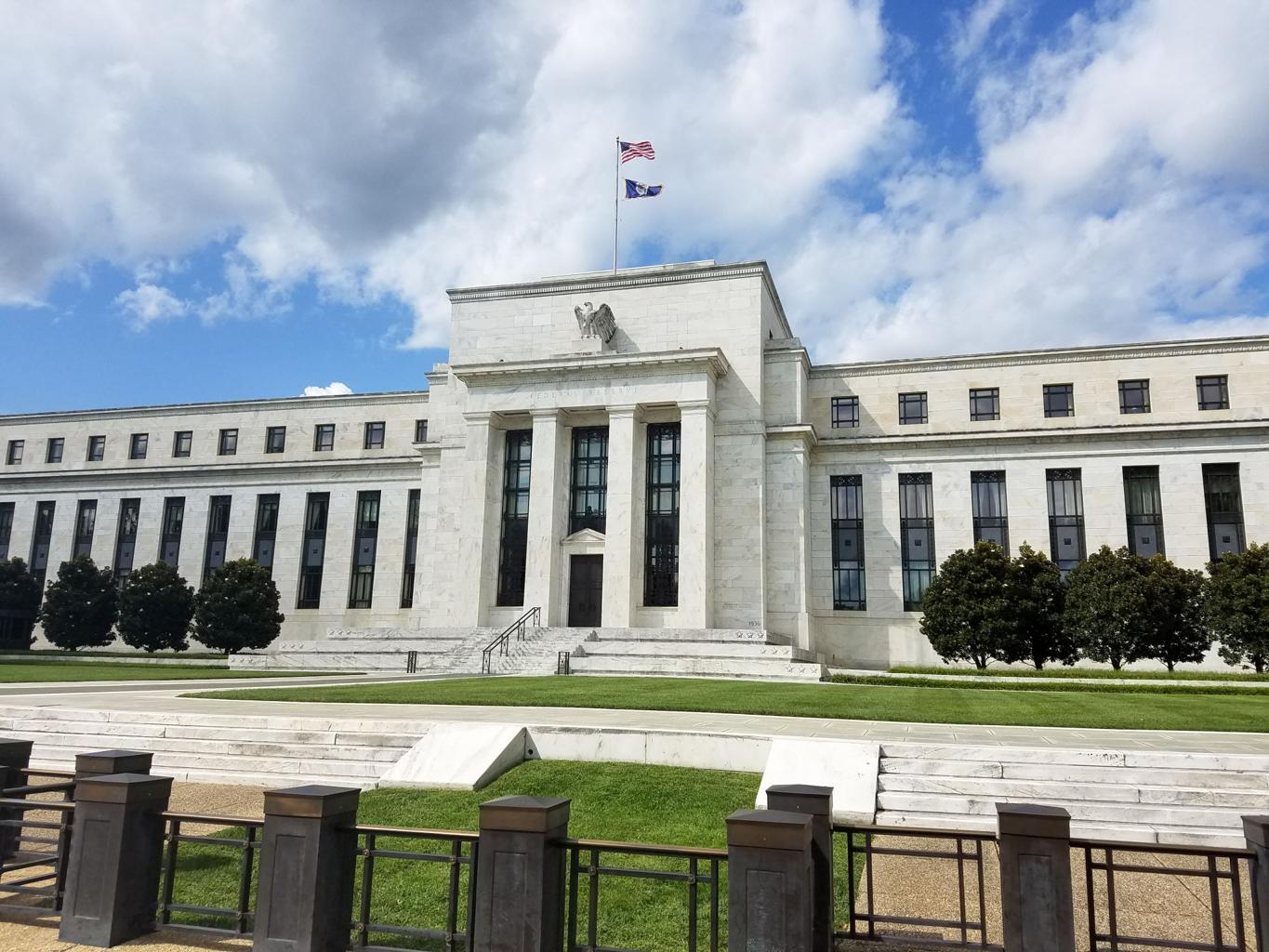
Created in 1913, the Federal Reserve—often called “the Fed”—serves as the United States’ central bank. Its core mission is straightforward but powerful: promote stable prices, maximum employment, and moderate long-term interest rates.
In practice, that mission influences nearly every aspect of economic activity.
When the Fed changes interest rates, the effects ripple outward through banks, credit markets, businesses, and households. Mortgage rates shift, business borrowing costs change, stock markets react, and consumer confidence can move.
Despite that influence, the Fed operates mostly behind the scenes, relying on technical policy tools rather than direct government spending or taxation.
Understanding those tools helps explain why a Federal Reserve announcement can move global markets within minutes.
The Structure of the Federal Reserve System
Unlike many central banks around the world, the Federal Reserve is structured as a hybrid system that combines public oversight with regional representation.
The system includes three key components:
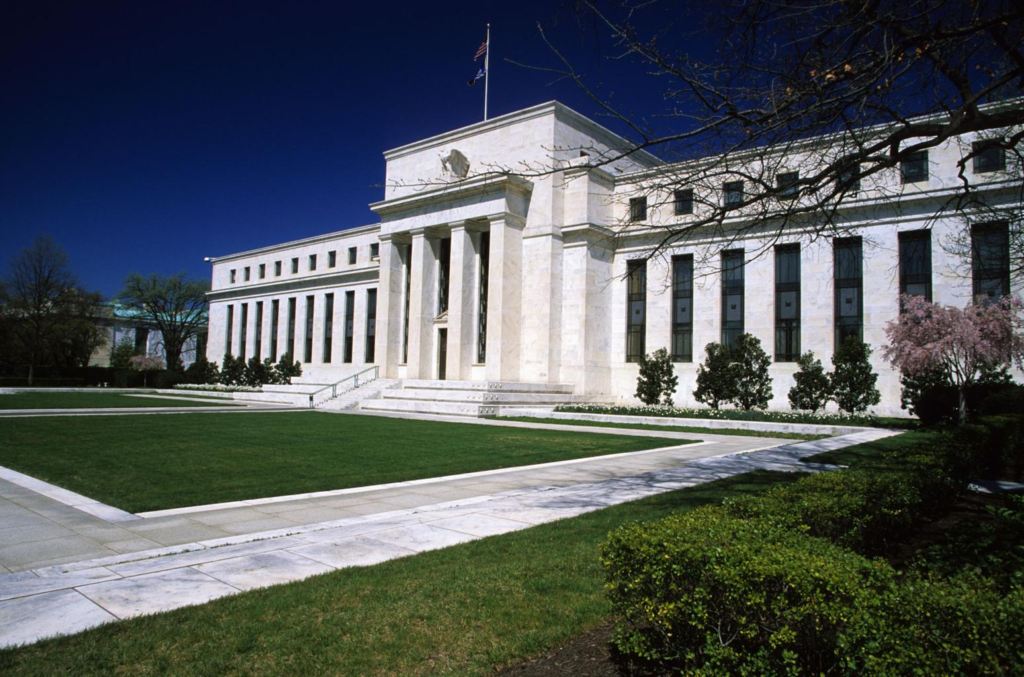
• The Board of Governors in Washington, D.C.
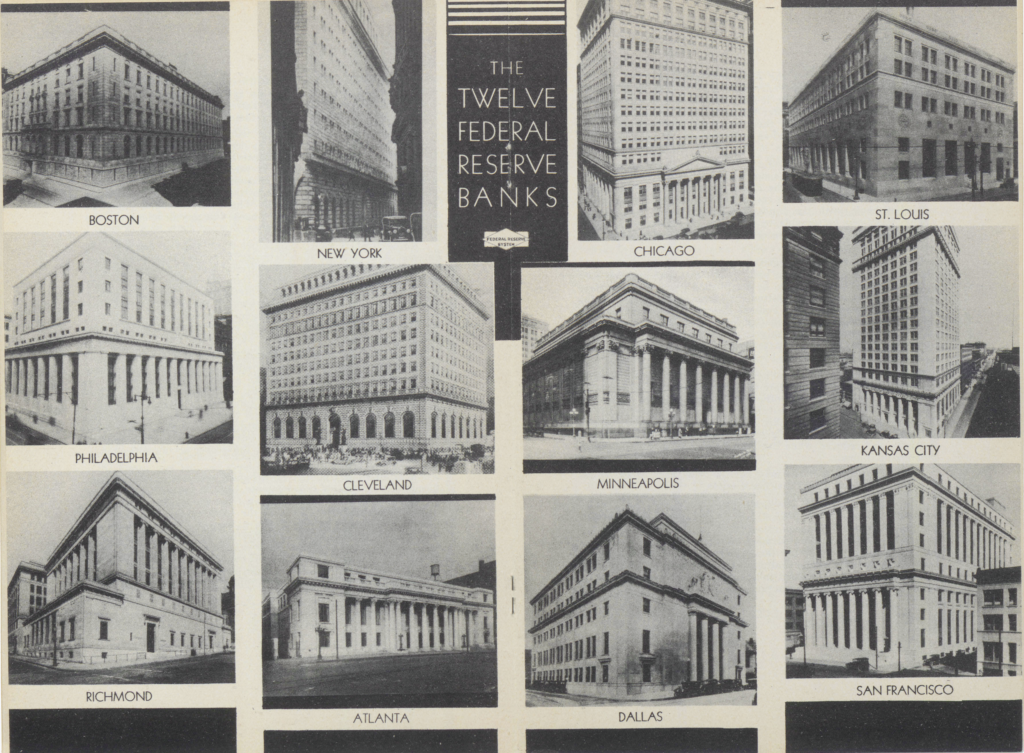
• 12 regional Federal Reserve Banks across major U.S. cities
• The Federal Open Market Committee (FOMC), which sets monetary policy
The regional banks—from New York and Chicago to Dallas and San Francisco—collect economic data from businesses, banks, and labor markets across their regions. This localized information helps policymakers understand real-world conditions beyond national statistics.
The FOMC meets about eight times per year to evaluate the economy and decide whether interest rates should rise, fall, or remain unchanged.
Those decisions are among the most closely watched events in global finance.
Why Interest Rates Matter So Much
At the center of the Fed’s influence is a single number: the federal funds rate.
This is the interest rate banks charge one another for overnight lending. While it may sound technical, it forms the foundation for borrowing costs across the economy.
When the Fed raises this rate, borrowing becomes more expensive. When it lowers the rate, borrowing becomes cheaper.
Those adjustments quickly spread through financial markets.
For example:
• Mortgage lenders adjust rates based partly on expectations about Fed policy
• Credit card interest often moves higher when rates rise
• Businesses reconsider expansion plans when borrowing costs increase
• Savings accounts and Treasury yields also respond to rate changes
A homeowner considering refinancing might notice mortgage rates rising after a series of Fed hikes. At the same time, retirees holding savings accounts may welcome higher interest income.
This balancing act—slowing inflation without causing economic contraction—is at the heart of Federal Reserve policy decisions.
The Fed’s Dual Mandate: Jobs and Inflation
Congress gave the Federal Reserve what economists call a dual mandate.
Its policies must aim to achieve:
- Maximum sustainable employment
- Stable prices (low and predictable inflation)
These goals sometimes reinforce each other, but they can also conflict.
For instance, when the economy grows too quickly and inflation rises, the Fed may raise interest rates to slow spending. That cooling effect can help stabilize prices but may also reduce hiring.
Conversely, during recessions the Fed often lowers interest rates to stimulate borrowing and investment. That approach can support job growth but risks higher inflation if the economy overheats later.
The Fed’s challenge is finding the delicate balance between these two priorities.
How the Fed Fights Inflation
Inflation—rising prices across the economy—has been one of the Fed’s most visible concerns in recent years.
When inflation accelerates, policymakers typically rely on three primary tools.
1. Raising Interest Rates
Higher borrowing costs slow spending by households and businesses.
For example:
• Car loans become more expensive
• Mortgage affordability declines
• Corporate investment projects may be delayed
This gradual slowdown reduces demand in the economy, helping ease price pressure.
2. Reducing the Fed’s Balance Sheet
Over time, the Federal Reserve accumulates large holdings of government bonds and mortgage-backed securities. Selling or allowing those assets to mature removes liquidity from the financial system.
This process—called quantitative tightening—can further tighten financial conditions.
3. Managing Expectations
Sometimes the Fed influences markets simply by communicating its intentions.
If investors expect interest rates to remain high, long-term borrowing costs may rise even before the Fed takes action.
That psychological component plays an important role in stabilizing inflation.
When the Fed Stimulates the Economy
During economic downturns, the Federal Reserve takes the opposite approach.
The goal becomes encouraging spending, lending, and investment.
Common strategies include:
• Lowering interest rates to make borrowing cheaper
• Buying government bonds to inject liquidity into financial markets
• Supporting credit markets to ensure businesses and households can access financing
During the 2008 financial crisis and again during the early stages of the COVID-19 pandemic, the Fed deployed aggressive stimulus policies to prevent severe economic contraction.
Those actions helped stabilize financial markets and maintain credit flow when uncertainty was high.
Why Financial Markets Watch the Fed So Closely
Even small changes in Fed policy can move markets significantly.
Stocks, bonds, commodities, and currencies often react immediately to policy signals or press conferences.
There are several reasons for this sensitivity.
First, interest rates influence how investors value assets. Higher rates typically reduce the present value of future earnings, which can pressure stock prices.
Second, bond markets adjust quickly to expectations about future rate changes.
Third, global investors rely on U.S. Treasury yields as a benchmark for financial markets worldwide.
A single Fed statement about inflation trends or employment strength can reshape expectations for the entire economic outlook.
Real-World Examples of the Fed’s Influence
To understand the Fed’s impact, consider a few everyday scenarios.
Mortgage borrowers:
When the Fed raised rates rapidly during 2022–2023, average U.S. mortgage rates climbed above 7%—dramatically affecting housing affordability.
Small businesses:
Higher borrowing costs can delay equipment purchases or expansion plans, particularly for businesses relying on bank loans.
Credit card users:
Variable-rate credit cards often rise quickly after Fed hikes, increasing monthly interest charges for consumers carrying balances.
Retirees and savers:
Higher rates can benefit savers through better yields on savings accounts, CDs, and Treasury securities.
These examples illustrate how Fed decisions extend far beyond financial markets.
The Importance of Data in Federal Reserve Decisions
Federal Reserve policymakers rely heavily on economic data.
Some of the most closely watched indicators include:
• Consumer Price Index (CPI) — measures inflation
• Personal Consumption Expenditures (PCE) — the Fed’s preferred inflation gauge
• Nonfarm payroll employment reports — track job growth
• Unemployment rate — indicates labor market strength
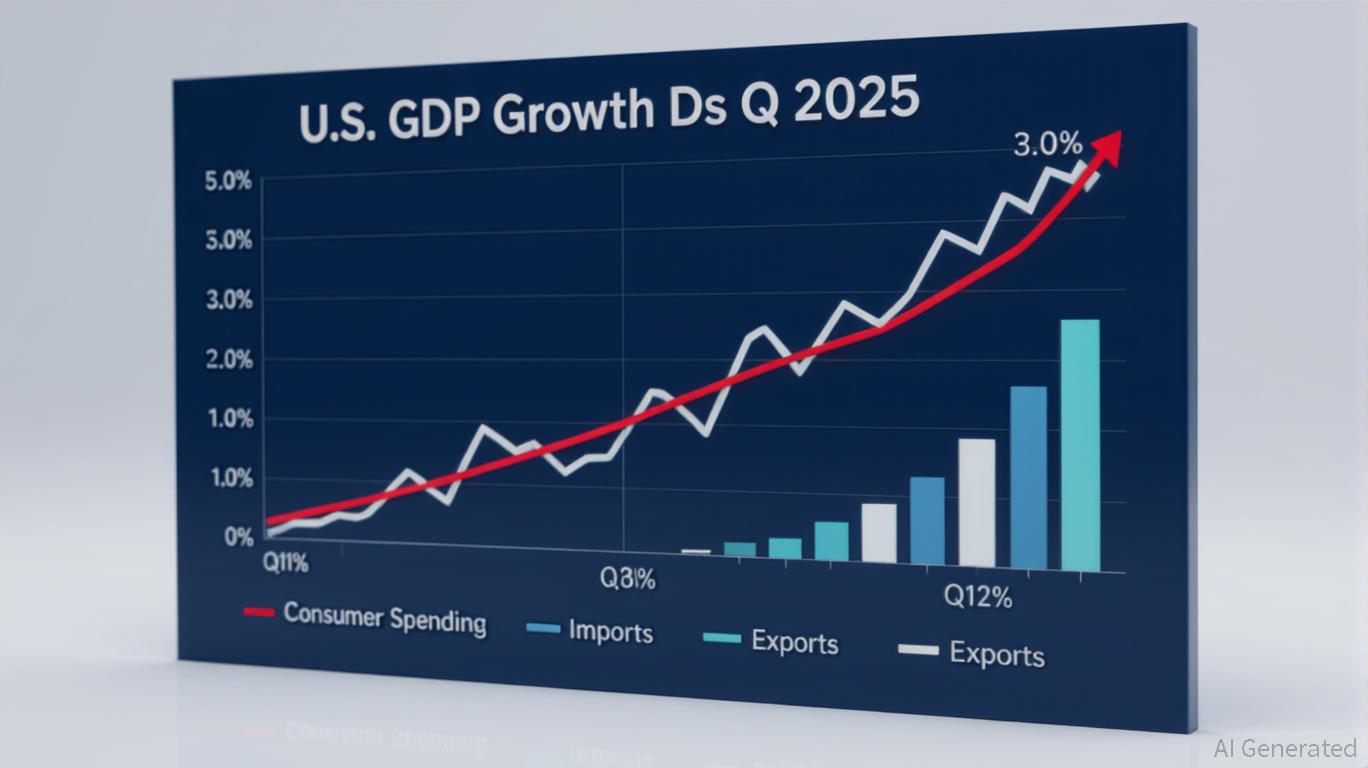
• GDP growth — measures overall economic expansion
Policy decisions often depend on trends across multiple data points rather than a single statistic.
For instance, strong job growth combined with rising wages might signal persistent inflation pressure, prompting tighter policy.
Conversely, weakening employment could encourage the Fed to pause or reverse rate increases.
Transparency and Communication in Modern Monetary Policy
Decades ago, Federal Reserve policy decisions were far less transparent.
Today, the central bank communicates frequently through:
• FOMC meeting statements
• Press conferences by the Fed Chair
• Economic projections released quarterly
• Speeches by regional Fed presidents
This communication strategy helps markets understand the Fed’s thinking and reduces sudden shocks.
Investors often analyze subtle changes in wording—such as references to “ongoing increases” or “data dependence”—to gauge the likely direction of future policy.
Why the Federal Reserve’s Independence Matters
One defining feature of the Federal Reserve is its institutional independence.
While Congress created the Fed and oversees its mandate, day-to-day policy decisions are insulated from political pressure.
This independence allows policymakers to focus on long-term economic stability rather than short-term political goals.
For example, raising interest rates to control inflation can be unpopular in the short term because it slows economic activity. However, allowing inflation to accelerate unchecked can cause greater harm over time.
Maintaining credibility and independence helps ensure monetary policy remains focused on economic fundamentals.
Frequently Asked Questions
What does the Federal Reserve actually do?
The Federal Reserve manages U.S. monetary policy, supervises major banks, stabilizes financial markets, and provides services to the banking system.
How often does the Fed change interest rates?
The Federal Open Market Committee meets roughly eight times per year and may adjust rates at those meetings depending on economic conditions.
Why do mortgage rates follow Fed policy?
Mortgage lenders price loans based partly on broader interest rate expectations, which are heavily influenced by Federal Reserve policy.
Does the Fed control inflation directly?
The Fed cannot control prices directly but influences inflation by adjusting interest rates and financial conditions across the economy.
Who runs the Federal Reserve?
The Fed is led by the Board of Governors and the Federal Open Market Committee, chaired by the Federal Reserve Chair.
Why does the Fed raise rates during strong economic periods?
Higher rates help prevent excessive inflation by slowing borrowing and spending.
How does the Fed respond to recessions?
Typically by lowering interest rates, purchasing government bonds, and supporting credit markets.
Does the Fed control stock markets?
No. However, monetary policy changes can influence investor expectations and market valuations.
Why do global markets react to the Fed?
Because U.S. interest rates and Treasury securities serve as benchmarks for global financial systems.
Can the Fed print unlimited money?
The Fed can expand its balance sheet, but doing so excessively risks inflation and financial instability.
The Quiet Force Behind Everyday Financial Conditions
The Federal Reserve rarely appears in everyday conversations, yet its decisions shape the economic environment Americans experience daily.
From the mortgage rate a family pays on a home to the hiring plans of a growing company, monetary policy influences countless financial choices.
While the mechanics may seem technical, the underlying goal remains straightforward: maintain economic stability so households, businesses, and markets can plan for the future with confidence.
Key Points to Remember
• The Federal Reserve is the central bank of the United States
• Its policies influence borrowing costs, inflation, and employment
• Interest rate changes ripple across mortgages, loans, and financial markets
• The Fed balances two goals: stable prices and strong employment
• Data on inflation and jobs heavily influence policy decisions
• Transparency and independence help maintain market confidence