Summary
High net-worth households rarely build wealth through luck or short-term tactics. Instead, they follow disciplined financial principles centered on long-term planning, diversification, tax efficiency, risk management, and consistent investing. By focusing on systems rather than speculation, these households create durable financial growth. Understanding these core principles can help individuals at any income level make more strategic financial decisions.
Introduction: Wealth Often Follows Structure, Not Shortcuts
When people imagine high net-worth households—typically defined as households with $1 million or more in investable assets—they often assume wealth comes from unusually high incomes or fortunate timing in markets.
While income can certainly play a role, financial researchers consistently find that behavior, planning, and long-term discipline are far more reliable predictors of lasting wealth.
For example, research from Vanguard and Fidelity investor studies has repeatedly shown that households who follow structured financial plans are significantly more likely to accumulate and maintain wealth over time.
Rather than chasing market trends, many affluent households concentrate on a set of core financial principles that guide their decisions year after year. These principles tend to emphasize stability, consistency, and long-term thinking.
Below are the financial foundations many wealth builders quietly prioritize.
1. Long-Term Investing Over Short-Term Speculation
One of the most consistent patterns among high net-worth households is their commitment to long-term investing.
Markets fluctuate constantly, but wealthy investors often avoid reacting to short-term volatility. Instead, they maintain diversified portfolios designed to grow steadily over decades.
The principle is rooted in the concept of compound growth.
For example:
- The S&P 500 has historically returned about 10% annually on average before inflation over long periods.
- Investors who stay invested across market cycles typically benefit from compounding, while frequent trading often reduces returns.
Many high net-worth investors emphasize:
- Staying invested through market cycles
- Avoiding emotional reactions to downturns
- Maintaining diversified portfolios
In practice, this often means holding investments for years or even decades rather than months.

2. Diversification as a Risk Management Tool
Wealthy households rarely concentrate their financial future in a single investment.
Diversification spreads risk across multiple asset classes so that no single downturn significantly damages overall wealth.
Typical diversified portfolios may include:
- U.S. equities
- International stocks
- Bonds
- Real estate
- Private investments
- Cash reserves
According to research published by Morningstar, diversified portfolios historically experience lower volatility and more stable long-term returns than concentrated investments.
For example, a high net-worth household might allocate:
- 50–60% equities
- 20–30% fixed income
- 10–20% alternative assets
The specific allocation varies depending on risk tolerance, age, and financial goals.
3. Strategic Tax Planning
Taxes can significantly affect long-term wealth accumulation. Many affluent households spend considerable time optimizing how and when taxes are paid.
Common tax-aware strategies include:
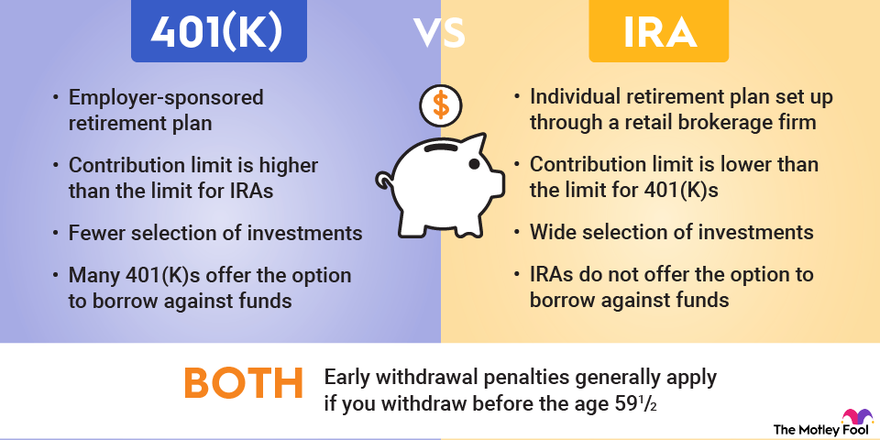
- Using tax-advantaged retirement accounts such as 401(k)s and IRAs
- Harvesting tax losses to offset gains
- Structuring investments for long-term capital gains treatment
- Utilizing charitable giving strategies
According to the IRS, long-term capital gains are taxed at lower rates than ordinary income for many households, which makes investment holding periods especially important.
For example, a household that strategically times asset sales may reduce tax liabilities while preserving more capital for reinvestment.
4. Maintaining Strong Cash Flow Discipline
A common misconception is that wealthy households stop budgeting once their income rises.
In reality, many continue to monitor cash flow carefully.
Financial advisors frequently emphasize that wealth is built through the gap between income and spending.
Many affluent households follow structured approaches to spending and saving, such as:
- Saving a fixed percentage of income
- Automatically investing surplus cash flow
- Avoiding lifestyle inflation when income rises
A household earning $250,000 annually that consistently saves 20–25% of income can accumulate substantial wealth over time—even without extraordinary investment returns.
5. Protecting Wealth Through Risk Management
As assets grow, protecting wealth becomes just as important as growing it.
High net-worth households often implement multiple forms of financial protection, including:
- Comprehensive insurance coverage
- Liability protection
- Estate planning structures
- Emergency liquidity reserves
For example, umbrella liability insurance policies are often used to protect assets from unexpected legal risks.
Estate planning tools such as revocable living trusts or carefully structured wills may also help ensure that assets transfer efficiently to future generations.

6. Maintaining Liquidity for Flexibility
Another common principle among wealthier households is maintaining liquidity.
Liquidity allows families to handle unexpected opportunities or financial disruptions without selling long-term investments at unfavorable times.
Typical liquidity strategies may include:
- Holding several months of expenses in cash reserves
- Maintaining accessible investment accounts
- Avoiding overconcentration in illiquid assets
For example, a household heavily invested in real estate may still maintain liquid investments to avoid needing to sell property during unfavorable market conditions.
7. Aligning Investments With Long-Term Goals
Wealthy households often approach investing with clearly defined objectives.
Rather than chasing individual stock ideas, they structure portfolios around specific goals such as:
- Retirement income
- Education funding
- Legacy planning
- Philanthropy
Financial planning software and professional advisors often help model scenarios to ensure that investment strategies support these long-term objectives.
This structured approach allows households to adjust their portfolios gradually as life circumstances change.
8. Professional Advice and Ongoing Financial Planning
Many high net-worth households work with financial professionals—not necessarily to outperform markets, but to maintain discipline and long-term planning.
Research from Vanguard’s Advisor Alpha study suggests that structured financial advice can potentially add value through:
- Behavioral coaching during market volatility
- Tax optimization
- Asset allocation management
- Withdrawal planning in retirement
The goal is not constant trading, but thoughtful oversight of the overall financial plan.
9. Consistency Over Complexity
Perhaps the most overlooked principle is simplicity.
Despite having access to complex financial products, many wealthy households rely on simple, repeatable systems.
Examples include:
- Automatic monthly investing
- Periodic portfolio rebalancing
- Maintaining diversified index funds
- Consistent savings strategies
Over time, these steady systems can be more effective than constantly adjusting strategies based on short-term market forecasts.

Frequently Asked Questions
What defines a high net-worth household?
A high net-worth household typically has $1 million or more in investable assets, excluding primary residences. Some financial institutions classify higher tiers such as very-high-net-worth at $5 million or more.
Do wealthy households invest differently from average investors?
While the core principles are similar, high net-worth households often have greater access to diversified investments, tax strategies, and professional advice.
How important is income in building wealth?
Income matters, but consistent saving, disciplined investing, and long-term planning often play a larger role in sustained wealth accumulation.
Why is diversification important for wealthy investors?
Diversification helps protect portfolios from major losses by spreading investments across different asset classes and markets.
Do high net-worth households actively trade stocks?
Many do not trade frequently. Long-term investment strategies often outperform frequent trading due to lower costs and tax efficiency.
How much do wealthy households typically save?
Savings rates vary, but many financially successful households consistently save 15–30% of their income.
Do wealthy investors hold cash?
Yes. Liquidity is often maintained to cover unexpected expenses or opportunities without selling long-term assets.
Why do affluent households focus on tax planning?
Taxes can significantly affect investment returns over time, making tax efficiency an important component of wealth management.
Is professional financial advice necessary?
While not required, many households benefit from structured financial planning, especially when managing complex portfolios.
Can these principles apply to middle-income households?
Yes. These financial principles—saving consistently, diversifying investments, and planning long term—are relevant at nearly any income level.
A Framework That Prioritizes Stability
The financial strategies followed by many high net-worth households share a common theme: structure over speculation.
Rather than seeking rapid gains, these households tend to emphasize steady progress, careful risk management, and long-term thinking.
Their approach often reflects a combination of patience, discipline, and thoughtful planning—qualities that can support financial progress regardless of starting income or investment size.
Core Principles at a Glance
- Long-term investing often outweighs short-term market timing
- Diversification helps reduce portfolio risk
- Strategic tax planning can improve net investment returns
- Cash flow discipline supports consistent saving
- Risk management protects accumulated wealth
- Liquidity allows flexibility during financial changes
- Goal-based investing provides direction and clarity
- Professional advice can help maintain financial discipline