Economists are closely monitoring emerging tax reform proposals in the United States because they could influence economic growth, federal deficits, investment decisions, and household finances for years to come. With key provisions of the 2017 tax law scheduled to expire in 2025, policymakers are debating new policies that could reshape corporate taxation, individual tax rules, and incentives affecting businesses, workers, and consumers.
Why Tax Reform Is Once Again a Major Economic Issue
Tax reform periodically returns to the center of policy discussions in the United States, but the current moment has drawn unusually strong attention from economists. Several factors are converging at once: the expiration of major tax provisions in 2025, rising federal debt levels, global competition for investment, and the need to address evolving industries such as clean energy and advanced technology.
The 2017 Tax Cuts and Jobs Act (TCJA) significantly reshaped the U.S. tax system by lowering corporate tax rates, increasing the standard deduction, and modifying numerous credits and deductions. While the corporate rate reduction was made permanent, many individual tax provisions were designed to expire after 2025.
Because of this built-in timeline, policymakers must decide whether to extend, revise, or replace large parts of the tax code. Economists are studying the proposals closely because the choices made in the next few years could influence economic behavior across multiple sectors.
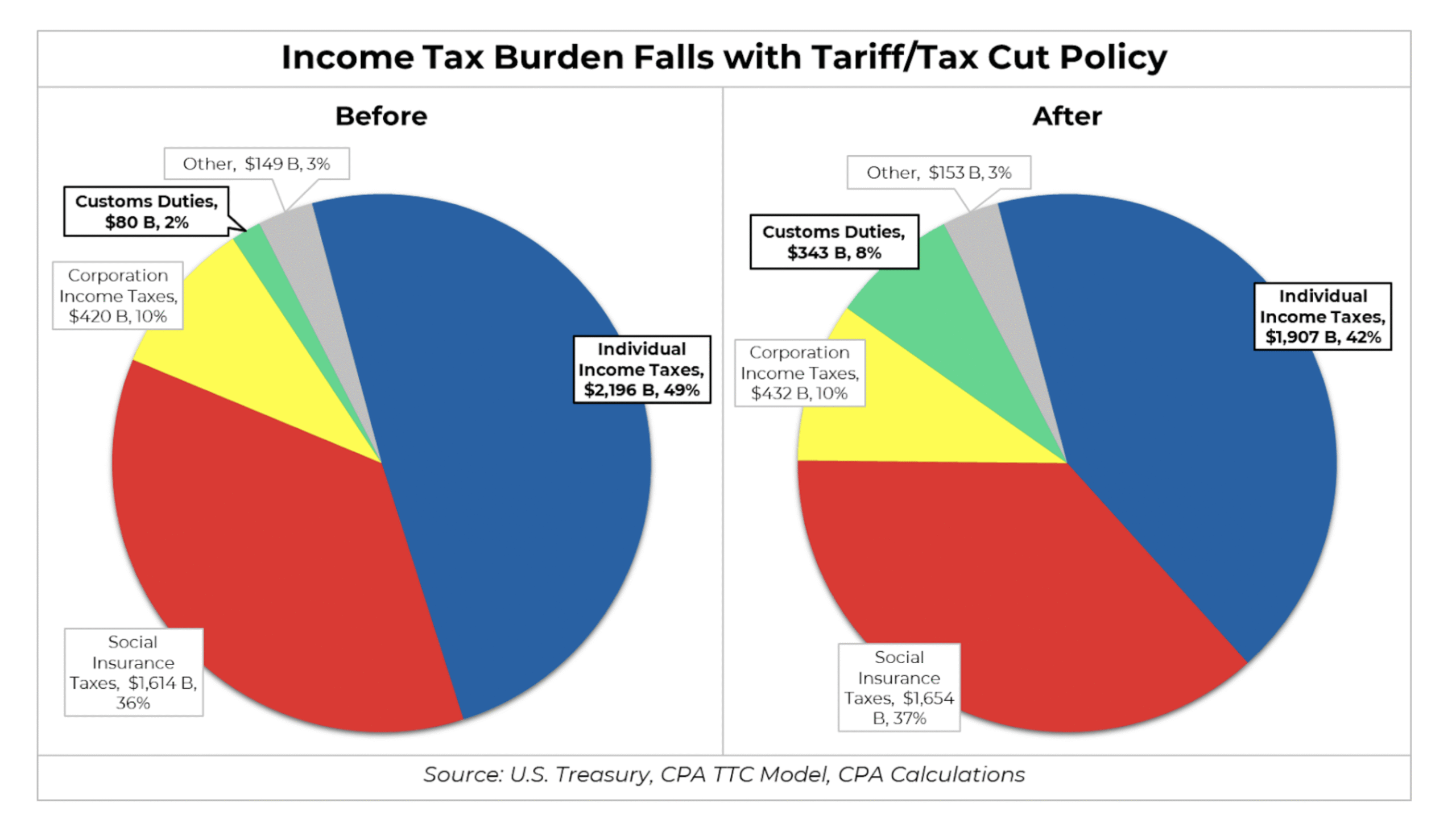
According to the U.S. Treasury Department, federal tax revenue totaled roughly $4.4 trillion in fiscal year 2023, demonstrating how central tax policy is to government finances. But economists focus not only on how much revenue taxes generate—they also examine how tax rules influence investment, innovation, and income distribution.
What Economists Look For When Evaluating Tax Reform
When economists analyze tax policy proposals, they rarely focus on a single metric. Instead, they evaluate how reforms affect several aspects of economic performance.
Key questions economists often examine include:
- Will the policy encourage business investment?
- How will the changes affect household income and consumption?
- What impact will the reform have on federal deficits?
- Does the tax system remain internationally competitive?
- How are tax burdens distributed across income groups?
These questions help economists estimate how a new tax policy might influence long-term economic growth.
For instance, a proposal that lowers taxes on capital investment might encourage businesses to purchase new equipment or expand manufacturing facilities. At the same time, economists would analyze whether the resulting growth offsets any loss in government revenue.
The 2025 Expiration Deadline Driving Policy Debate
One of the most significant reasons economists are paying attention now is the upcoming expiration of many provisions from the 2017 tax reform law.
If Congress takes no action, several major changes will occur automatically in 2026. These potential shifts include adjustments to individual tax brackets, reductions in the standard deduction, and changes to various tax credits.
For households, this could mean higher tax liabilities compared with current rules. For businesses, it could influence how consumers spend and how employees evaluate wages.
Economists often emphasize that tax policy uncertainty can affect planning decisions. When individuals and businesses are unsure about future tax rules, they may delay investment or financial decisions.
Corporate Tax Policy and Investment Trends
Corporate taxation remains one of the most closely studied aspects of emerging tax reforms. Economists analyze how changes to corporate tax rates or deductions might influence business investment.
After the 2017 tax law reduced the federal corporate tax rate from 35% to 21%, business investment increased in some sectors, particularly in manufacturing and technology. However, the long-term impact remains debated among economists.
Several proposals now being discussed involve adjusting corporate tax rules to address budget deficits or fund new policy priorities.
Economists evaluate corporate tax reforms by studying their potential effects on:
- Capital investment in equipment and infrastructure
- Research and development spending
- Hiring decisions and wage growth
- Global competitiveness of U.S. firms
For example, a semiconductor company deciding whether to build a fabrication plant in the United States may compare tax incentives with those offered in other countries.
Tax Credits and Economic Incentives
Another area attracting attention from economists involves targeted tax incentives designed to encourage specific economic activities.
Tax credits can influence behavior by reducing the cost of investments or activities that policymakers want to encourage.
Common examples include credits for:
- Research and development
- Clean energy production
- Electric vehicle purchases
- Childcare and family support
Economists study whether these incentives actually produce the intended outcomes. For instance, a tax credit for renewable energy might increase investment in solar and wind projects, but analysts also examine whether those investments would have occurred even without the credit.
Understanding these dynamics helps economists determine whether targeted tax policies deliver meaningful economic benefits.
Federal Debt and the Fiscal Impact of Tax Reform
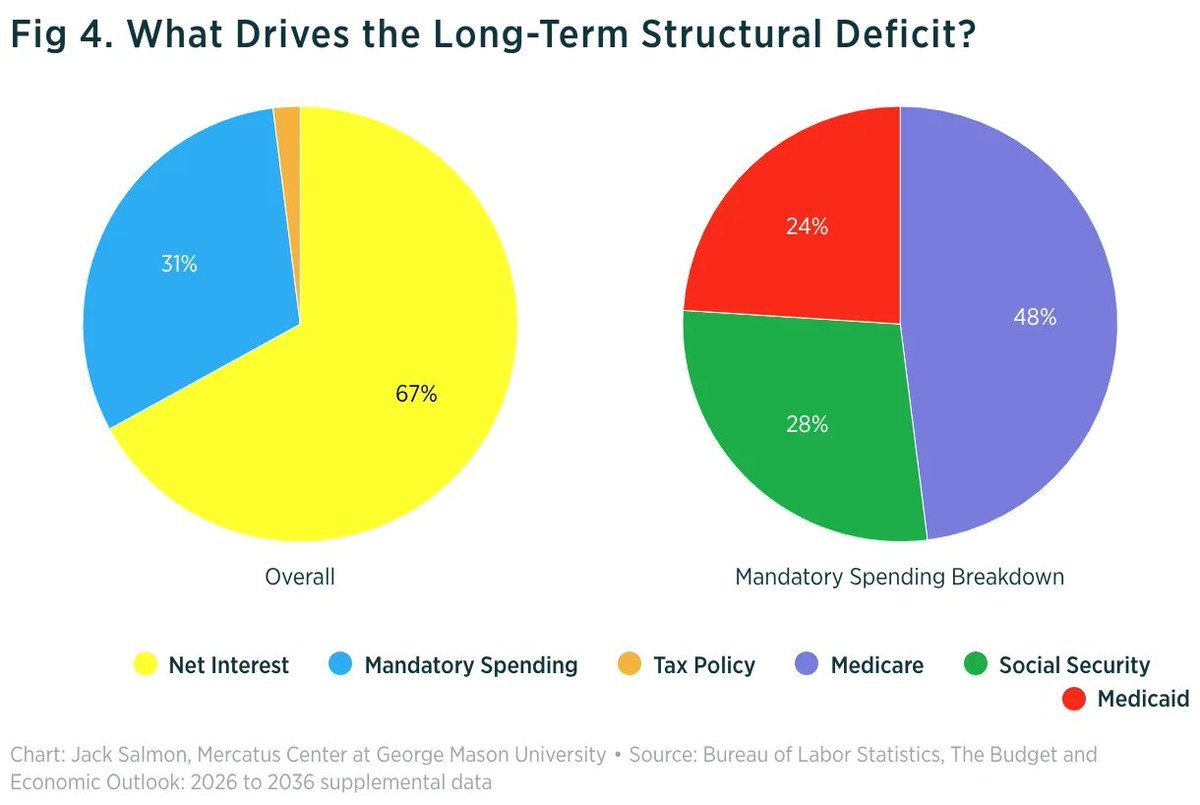
Tax reform discussions are increasingly connected to concerns about the federal budget.
According to projections from the Congressional Budget Office, the U.S. national debt held by the public has surpassed $26 trillion and is expected to continue rising under current policies.
Because taxes are the government’s primary source of revenue, economists pay close attention to how proposed reforms affect the federal budget.
Tax changes can influence deficits in several ways:
- Reducing taxes may lower federal revenue in the short term.
- Higher taxes may increase revenue but potentially affect economic activity.
- Some reforms aim to be “revenue neutral,” balancing tax cuts with increases elsewhere.
For economists, evaluating fiscal sustainability is just as important as evaluating growth effects.
International Tax Competition and Global Policy Changes
Tax policy has become increasingly global in nature. Multinational companies often operate in multiple countries and may shift profits across jurisdictions depending on tax rules.
To address these challenges, many governments have participated in negotiations coordinated by the Organisation for Economic Co-operation and Development (OECD) to establish a global minimum corporate tax.
Economists are studying how these international agreements may influence future U.S. tax reforms.
If global minimum taxes reduce the incentive for companies to move profits to low-tax countries, governments may have more flexibility when setting domestic tax rates.
However, economists also caution that implementation details will determine how effective these policies ultimately become.
How Tax Reform Affects Everyday Economic Decisions
Although tax reform debates often occur at the national policy level, the effects ultimately appear in everyday financial decisions.
For households, tax policy can influence:
- Disposable income
- Retirement savings strategies
- Homeownership decisions
- Education planning
For businesses, tax reforms can shape decisions about hiring, expansion, and investment.
Consider a mid-size construction company planning to purchase new equipment. Tax rules that allow accelerated depreciation can significantly reduce the after-tax cost of that investment, encouraging companies to upgrade machinery sooner.
Similarly, families may adjust financial plans based on tax credits for childcare or education.
Economists study these real-world responses because they determine how tax reforms translate into economic outcomes.
Natural Questions Americans Are Asking About Emerging Tax Reforms
Why are economists watching tax reform proposals so closely?
Because tax policies influence investment, economic growth, government revenue, and income distribution.
What major tax changes could occur after 2025?
Several individual tax provisions from the 2017 tax law are scheduled to expire unless Congress extends them.
Could tax reform affect household tax bills?
Yes. Changes to tax brackets, deductions, and credits can directly influence how much individuals owe.
How do tax reforms influence business investment?
Lower taxes on capital or investment often encourage companies to expand operations or purchase equipment.
Do tax cuts always increase economic growth?
Not necessarily. The economic impact depends on how policies affect investment, consumption, and government finances.
Why are global tax rules becoming more important?
Multinational companies operate across borders, making international tax coordination necessary to prevent profit shifting.
What role do tax credits play in economic policy?
Tax credits encourage certain activities such as research, clean energy development, and family support.
How do economists measure the success of tax reforms?
They examine economic growth, employment trends, investment levels, and changes in government revenue.
Can tax policy influence inflation?
Indirectly, yes. Changes in taxes can affect consumer demand and business investment, which can influence price levels.
Preparing for Policy Changes in an Uncertain Environment
Tax policy discussions often take months or even years before resulting in legislation. During this time, economists analyze various scenarios and estimate possible outcomes.
For businesses, preparing for tax reform typically involves monitoring policy developments while maintaining flexible financial strategies. Many companies consult tax professionals and economists to evaluate how proposed changes might affect long-term investments.
Households can also benefit from staying informed about policy debates. Financial planners often recommend focusing on long-term financial habits—such as consistent saving and diversified investments—rather than reacting to every proposal under discussion.
In many cases, tax reforms evolve through negotiation and compromise, meaning the final legislation may differ significantly from early proposals.
Why the Current Tax Debate Could Shape the Next Decade
The emerging tax reform debate is about more than adjusting tax brackets or modifying deductions. It represents a broader conversation about how the United States funds government programs, encourages economic growth, and competes in a global economy.
Economists are watching closely because tax policy affects nearly every part of the economic system—from corporate investment decisions to household spending patterns.
As lawmakers consider future reforms, the choices they make will likely influence economic behavior well beyond the next few years.
Understanding these proposals now helps businesses, investors, and families prepare for the economic environment that lies ahead.
Core Insights From the Emerging Tax Reform Debate
- Major provisions of the 2017 tax reform law expire in 2025, prompting new policy discussions.
- Economists analyze tax reforms based on growth, investment, and fiscal sustainability.
- Corporate tax policies influence business investment and global competitiveness.
- Tax credits are widely used to encourage innovation and family support.
- Federal budget pressures are a key factor shaping upcoming tax policy decisions.