Many people believe building wealth depends on perfectly timing the market. In practice, long-term financial success is more often driven by consistent saving and investing. Historical data, behavioral finance research, and real-world experience show that disciplined contributions over time tend to outperform attempts to predict short-term market movements. Understanding this principle can help investors make steadier, more confident financial decisions.
The Common Misconception About Market Timing
A popular belief among new investors is that wealth is built by buying investments at exactly the right moment and selling them before downturns. Financial headlines frequently reinforce this idea, highlighting market peaks, crashes, and predictions.
However, most experienced investors eventually discover a different reality: consistency tends to matter far more than perfect timing.
Predicting short-term market movements is extremely difficult—even for professional investors. Markets respond to countless variables, including economic conditions, corporate earnings, global events, interest rates, and investor sentiment. Because these forces are unpredictable, attempts to time the market often result in missed opportunities.
Long-term wealth builders typically focus on participation rather than prediction. Instead of waiting for ideal entry points, they invest regularly and allow time and compound growth to work in their favor.
The Evidence Behind Long-Term Consistency
Historical data from U.S. financial markets provides strong evidence supporting long-term investing.
For example, research cited by financial institutions analyzing the S&P 500 shows that investors who miss only a small number of the market’s best-performing days can significantly reduce their long-term returns. Because those high-return days often occur during volatile periods, investors who attempt to move in and out of markets risk missing them.
This pattern highlights an important principle: being consistently invested matters more than trying to capture short-term market swings.
Over decades, diversified equity markets have historically trended upward despite periodic recessions, financial crises, and global disruptions. Investors who maintain consistent exposure benefit from this long-term growth.
How Consistency Supports Compound Growth
One of the most powerful forces in wealth building is compound growth.
When investments generate returns that are reinvested, those returns begin producing additional gains. Over long periods, the compounding effect can significantly increase investment value.
Small, regular investments can grow substantially when combined with time and compounding.
For example, consider a scenario:
- An investor contributes $500 per month to a diversified investment portfolio.
- The portfolio earns an average annual return consistent with long-term market performance.
- Over several decades, the accumulated value could grow far beyond the original contributions.
The key factor in this example is consistent investing, not precise market timing.
Regular contributions allow investors to continuously participate in market growth without relying on predictions.
Dollar-Cost Averaging: A Practical Strategy
A widely used strategy that supports consistent investing is dollar-cost averaging.
Dollar-cost averaging involves investing a fixed amount of money at regular intervals, regardless of market conditions.
This approach offers several advantages:
- It reduces the emotional pressure of deciding when to invest.
- It spreads investment purchases across different market prices.
- It encourages long-term discipline.
For instance, employees who contribute regularly to workplace retirement plans such as 401(k)s are often practicing dollar-cost averaging automatically.
Because contributions occur every paycheck, investments are made during both market highs and market lows.
Over time, this can result in a balanced average purchase price.
Why Market Timing Is So Difficult
Market timing appears simple in theory: buy when prices are low and sell when they are high.
In practice, identifying these moments in real time is extremely difficult.
Several factors contribute to this challenge:
- Economic news can shift rapidly and unpredictably.
- Investor sentiment often moves markets faster than fundamental data.
- Global events can influence markets without warning.
Even professional portfolio managers struggle to consistently outperform long-term market benchmarks.
Individual investors who attempt to predict short-term movements may find themselves making emotionally driven decisions—buying during market excitement and selling during downturns.
These reactions often work against long-term wealth building.
Behavioral Finance and Investor Psychology
Behavioral finance research highlights how emotions can influence financial decisions.
Common investor behaviors include:
- Fear during market downturns, leading to selling investments prematurely
- Overconfidence during market rallies, resulting in risky decisions
- Waiting for “perfect” opportunities that may never arrive
Consistent investing helps reduce the influence of these emotional patterns.
By following a structured investment plan—such as automatic monthly contributions—investors avoid making decisions based solely on short-term market news.
This approach supports discipline and long-term thinking.
Real-World Example: Two Different Investing Approaches
To illustrate the difference between timing and consistency, consider two hypothetical investors.
Investor A: The Market Timer
- Waits for market dips before investing
- Holds cash while trying to predict downturns
- Occasionally misses strong market recoveries
Investor B: The Consistent Investor
- Invests a fixed amount every month
- Remains invested during both market gains and declines
- Focuses on long-term growth rather than short-term predictions
Over time, Investor B is more likely to benefit from compound returns and sustained market growth.
Investor A may occasionally succeed with timing but risks missing important growth periods.
The Role of Retirement Accounts in Consistent Investing
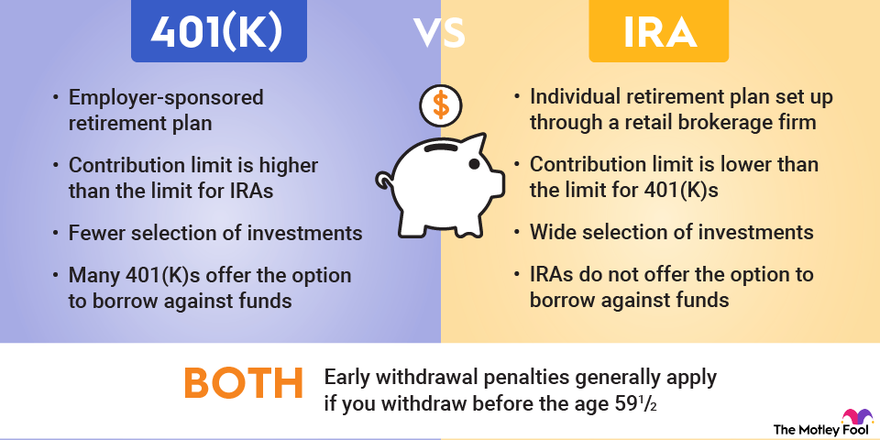
In the United States, retirement accounts such as 401(k)s and Individual Retirement Accounts (IRAs) are designed to support consistent investing.
These accounts encourage long-term participation through:
- automatic payroll deductions
- tax advantages
- long investment horizons
According to retirement planning research frequently cited by financial planners, individuals who consistently contribute to retirement plans over multiple decades are more likely to accumulate substantial retirement savings.
The structure of these accounts reinforces the principle that steady contributions matter more than short-term market predictions.
Practical Ways to Apply Consistency in Investing
Many successful investors adopt simple habits that reinforce long-term consistency.
Examples include:
- Setting automatic monthly contributions to investment accounts
- Increasing contributions when income rises
- Maintaining diversified portfolios
- Rebalancing investments periodically
- Avoiding emotional decisions during market volatility
These habits transform investing from a reactive activity into a structured financial practice.
Over time, consistency can help reduce uncertainty and strengthen long-term financial outcomes.
Frequently Asked Questions
Why is consistency important for building wealth?
Consistency allows investors to participate in long-term market growth and benefit from compound returns without relying on unpredictable market timing.
What is dollar-cost averaging?
Dollar-cost averaging is an investment strategy where fixed amounts of money are invested regularly, regardless of market conditions.
Is market timing ever successful?
While some investors may occasionally succeed with timing, consistently predicting market movements is extremely difficult and unreliable over long periods.
How often should someone invest?
Many investors contribute monthly or with each paycheck through retirement accounts or automatic investment plans.
Does consistency matter more than investment selection?
Both are important, but consistent contributions over time can often have a greater impact than attempting to find the perfect investment.
What happens if markets decline after investing?
Market declines are a normal part of investing. Consistent investors continue contributing and benefit when markets recover.
Is investing monthly better than investing a lump sum?
Both approaches can work, but monthly investing helps build discipline and reduces the pressure of market timing.
Can beginners use consistent investing strategies?
Yes. Consistency is one of the simplest and most accessible strategies for new investors.
How long should someone stay invested?
Long-term investment horizons—often decades—typically provide the greatest opportunity for compound growth.
Do professional investors use consistent investing strategies?
Many financial advisors encourage disciplined, long-term investing strategies rather than short-term market timing.