
Summary
The Federal Reserve strongly influences interest rates, inflation, and financial markets—all of which shape retirement savings outcomes. When the Fed raises or lowers rates, it affects bonds, stocks, annuities, and savings accounts differently. Understanding these dynamics helps retirement savers adjust portfolios, manage risk, and make smarter decisions about withdrawals, investments, and long-term income planning.
Why the Federal Reserve Matters to Retirement Planning
For many Americans, retirement planning focuses on saving consistently, choosing investments wisely, and minimizing taxes. But one powerful external factor often receives less attention: monetary policy from the Federal Reserve.
The Fed doesn’t directly control retirement accounts, but its decisions ripple through nearly every financial asset retirees rely on. Interest rates, inflation expectations, and market conditions all respond to Fed policy changes.
For retirement savers, this means:
- Bond yields change when rates move.
- Stock markets react to monetary tightening or easing.
- Inflation impacts purchasing power.
- Cash savings become more or less valuable.
Because retirement horizons often stretch 20–30 years or longer, understanding how Fed policy works can help investors make better decisions during both calm and volatile economic periods.
The Fed’s Core Tools and Why They Affect Your Savings
The Federal Reserve has several mechanisms for influencing the economy. The most visible is the federal funds rate, which determines how much banks pay to borrow overnight funds.
When the Fed raises this rate, borrowing becomes more expensive across the economy. When it lowers the rate, borrowing becomes cheaper.
These moves affect retirement savings in several ways:
Interest Rates and Fixed-Income Investments
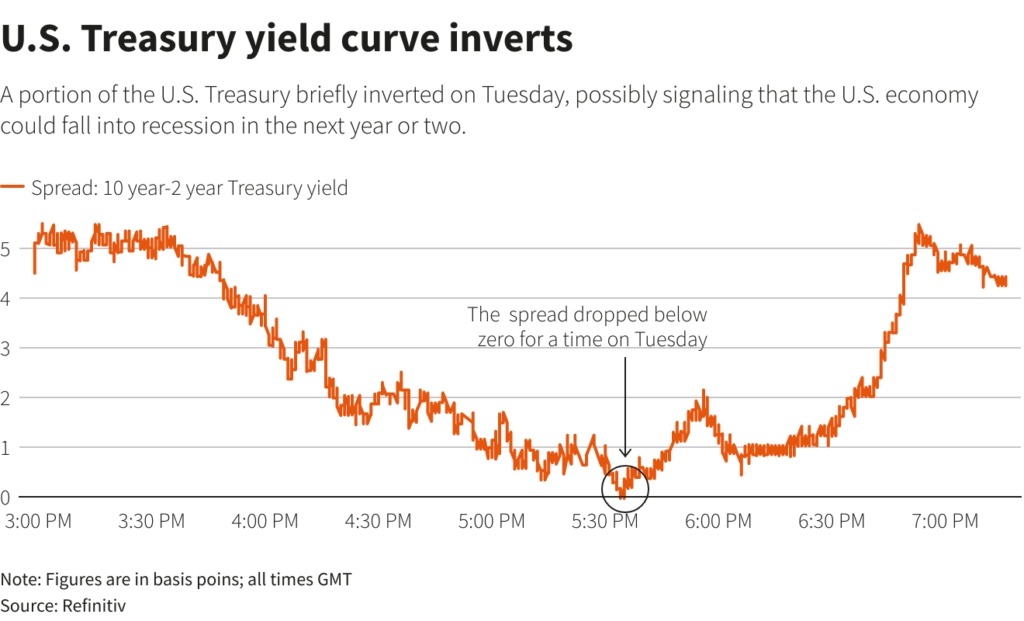
Higher interest rates generally increase yields on safer investments such as:
- Treasury bonds
- Certificates of deposit (CDs)
- High-yield savings accounts
However, rising rates also reduce the value of existing bonds already held in retirement portfolios.
For example:
If you purchased a bond paying 2% and new bonds suddenly pay 5%, the market value of your older bond falls because investors prefer the higher yield.
For retirees holding large bond allocations, this dynamic can temporarily reduce portfolio values.
Equity Markets and Corporate Borrowing
Stock markets often react strongly to Fed policy shifts.
When interest rates rise:
- Corporate borrowing costs increase.
- Business expansion can slow.
- Stock valuations may decline.
Conversely, when the Fed lowers rates, stocks often benefit because cheap borrowing encourages investment and growth.
But the relationship isn’t always straightforward. Markets also react to economic expectations, not just policy changes.
Inflation: The Silent Risk to Retirement Income
Inflation is often the biggest long-term threat to retirees’ purchasing power. One of the Fed’s primary mandates is keeping inflation stable—typically targeting around 2% annually.
When inflation rises above that target, the Fed often raises interest rates to slow spending and cool price increases.
Why inflation matters so much for retirees:
- Fixed withdrawals lose purchasing power.
- Healthcare costs often rise faster than inflation.
- Longer retirements amplify small inflation changes.
Consider a simple example.
A retiree withdrawing $50,000 per year today may need nearly $67,000 in 20 years just to maintain the same purchasing power if inflation averages 1.5–2.5%.
This is why retirement portfolios usually maintain some exposure to equities—even after retirement—to help offset inflation risk.
What Rising Interest Rates Mean for Retirement Portfolios
Over the past decade, retirees experienced historically low interest rates. More recently, aggressive rate increases have changed the environment.
For retirement savers, higher rates present both challenges and opportunities.
Challenges
- Bond prices decline in the short term.
- Stock markets may experience volatility.
- Mortgage and loan costs rise.
Opportunities
- New bonds offer better yields.
- Savings accounts and CDs pay meaningful interest again.
- Income-focused retirees can generate more cash flow.
In 2023 and 2024, many retirees saw Treasury yields rise above 4–5%, levels not seen in years. This allowed more conservative portfolios to generate income without relying as heavily on equities.
How Fed Policy Influences Withdrawal Strategies
Retirement isn’t just about accumulating wealth—it’s also about withdrawing it sustainably.
Fed policy indirectly affects withdrawal planning because market returns and bond yields determine how quickly portfolios grow or shrink.
Many financial planners reference the “4% rule”, a guideline suggesting retirees can withdraw roughly 4% of their portfolio annually while maintaining long-term sustainability.
However, Fed-driven market conditions can influence whether that rule holds in practice.
When rates are higher:
- Bond income improves.
- Portfolios may support slightly higher withdrawals.
When rates are extremely low:
- Retirees rely more heavily on stock market returns.
- Sequence-of-returns risk increases.
This is why financial planners often recommend dynamic withdrawal strategies that adjust spending based on market conditions rather than following a rigid rule.
Sequence-of-Returns Risk During Policy Cycles
One of the biggest risks retirees face is sequence-of-returns risk—the danger that market downturns occur early in retirement.
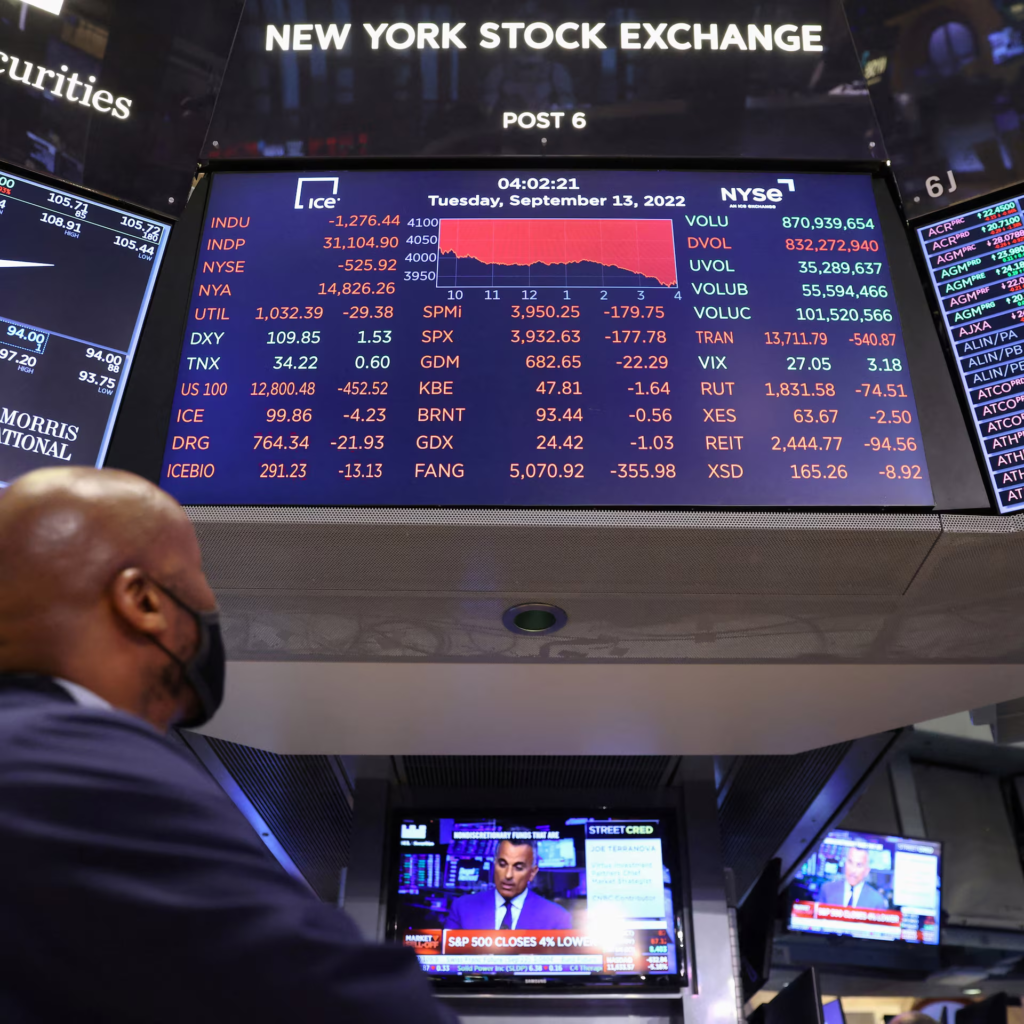
Fed policy shifts can contribute to market volatility during tightening cycles.
For example:
- When the Fed rapidly raises rates, markets may correct.
- Retirees withdrawing funds during those downturns may lock in losses.
Consider two retirees with identical portfolios.
Retiree A experiences strong market returns early in retirement and downturns later.
Retiree B experiences downturns in the first few years.
Even with the same average returns, Retiree B may run out of money sooner.
This is why many planners recommend keeping 2–5 years of spending in low-risk assets, such as cash or short-term bonds.
The Impact on Social Security and Government Programs
Fed policy can indirectly influence programs that retirees depend on, including Social Security Administration benefits.
Social Security payments are adjusted annually using Cost-of-Living Adjustments (COLAs) tied to inflation data.
When inflation rises and the Fed responds with rate hikes:
- COLAs often increase.
- Retirees may receive higher benefit payments.
For example, Social Security recipients received an 8.7% COLA adjustment in 2023, one of the largest increases in decades due to high inflation.
However, rising costs in housing, healthcare, and food often offset much of that increase.
Practical Portfolio Adjustments During Fed Policy Shifts
While individuals cannot control monetary policy, they can adjust investment strategies to respond more effectively.
Financial planners often recommend several practical steps.
Portfolio Adjustments to Consider
- Maintain diversification across stocks, bonds, and cash.
- Include inflation-hedging assets such as Treasury Inflation-Protected Securities (TIPS).
- Rebalance portfolios periodically to maintain target allocations.
- Avoid panic selling during Fed-driven market volatility.
- Consider laddered bond strategies to manage interest rate changes.
Income-Focused Planning
Retirees increasingly focus on income stability rather than pure portfolio growth.
Strategies that may help include:
- Dividend-paying stocks
- Bond ladders
- Immediate or deferred annuities
- High-yield savings accounts
The goal is to create multiple income streams that are less sensitive to short-term market shifts.
Behavioral Mistakes to Avoid During Fed Cycles
Fed announcements often generate dramatic headlines about markets, inflation, or recessions.
But emotional reactions to these cycles can damage retirement plans.
Common mistakes include:
- Selling stocks during temporary downturns
- Moving entirely to cash after rate hikes
- Chasing high yields without understanding risks
- Ignoring long-term asset allocation goals
Retirement portfolios are designed to survive multiple economic cycles. Overreacting to one policy shift can disrupt that balance.
Long-term discipline usually proves more valuable than short-term predictions.
Frequently Asked Questions
1. How do Federal Reserve rate hikes affect retirees?
Rate hikes typically increase yields on savings accounts, CDs, and new bonds. However, they may temporarily reduce bond prices and create volatility in stock markets.
2. Are higher interest rates good for retirement savers?
In many cases, yes. Higher rates allow retirees to generate more income from conservative investments such as bonds and cash equivalents.
3. Do Fed policies directly affect 401(k) accounts?
Not directly. But Fed actions influence the markets that 401(k) investments rely on, including stocks and bonds.
4. Should retirees move money to cash when rates rise?
Not necessarily. While higher rates make cash more attractive, overly conservative allocations may increase long-term inflation risk.
5. How does inflation impact retirement withdrawals?
Inflation reduces purchasing power, meaning retirees must withdraw more money each year to maintain the same lifestyle.
6. Can Fed policy cause stock market downturns?
Yes. Rapid interest rate increases can pressure stock valuations and slow economic growth, which sometimes leads to market corrections.
7. Do bond funds perform poorly during rate hikes?
Bond funds may decline in value when rates rise, but they typically recover as newer bonds with higher yields enter the portfolio.
8. How often does the Federal Reserve change interest rates?
The Fed reviews policy at eight scheduled meetings per year, though emergency actions can occur if economic conditions change rapidly.
9. Should retirees change their portfolios when the Fed acts?
Major changes are rarely necessary. Periodic rebalancing and maintaining diversification usually remain the best approach.
10. Why do financial planners watch Fed policy closely?
Because interest rates influence asset prices, borrowing costs, inflation expectations, and retirement income strategies.
Building a Retirement Plan That Survives Policy Cycles
The Federal Reserve will continue adjusting monetary policy as economic conditions evolve. For retirement savers, the key is recognizing that these cycles are normal.
Rather than attempting to predict every rate decision, successful retirement planning focuses on resilience.
That means building portfolios that can withstand:
- Inflation spikes
- Market corrections
- Interest rate changes
- Economic slowdowns
Diversification, disciplined withdrawals, and long-term thinking remain the most reliable strategies.
The Fed’s decisions may shape market conditions, but a well-structured retirement plan can help ensure those decisions don’t derail financial security.
Key Insights for Retirement Savers
- Federal Reserve policies influence interest rates, inflation, and market performance.
- Rising rates often improve income from bonds and savings accounts.
- Inflation remains a major threat to long-term purchasing power.
- Withdrawal strategies should adapt to changing market conditions.
- Diversified portfolios help protect retirees during economic cycles.
- Emotional investment decisions during Fed announcements often cause more harm than policy changes themselves.
A Long-Term Lens on Monetary Policy and Retirement
Federal Reserve decisions may dominate financial headlines, but retirement planning is ultimately a long-term process. Monetary policy cycles come and go, yet successful retirees typically rely on diversified portfolios, flexible withdrawal strategies, and disciplined investment behavior.
Understanding how policy shifts affect markets doesn’t require predicting every Fed meeting. Instead, it helps retirees interpret economic signals and make informed adjustments without reacting emotionally to short-term volatility.
For retirement savers, awareness—not prediction—is the real advantage.
Snapshot of the Most Important Takeaways
- Fed policies influence interest rates, inflation, and market behavior
- Higher rates can improve income from conservative investments
- Inflation protection remains critical for long retirements
- Withdrawal strategies should remain flexible
- Diversification reduces exposure to policy-driven volatility
- Emotional investment decisions can harm long-term retirement outcomes