Summary
Federal Reserve forecasts offer a window into where the U.S. economy may be headed. By analyzing projections for inflation, unemployment, GDP growth, and interest rates, Americans can better understand potential economic conditions ahead. This article explains what the Fed’s forecasts signal about economic momentum, financial risks, and household impacts—from borrowing costs and jobs to housing and investment decisions.
Understanding Why Federal Reserve Forecasts Matter
Every few months, the Federal Reserve publishes economic projections that attempt to answer a simple but critical question: Where is the U.S. economy heading?
These forecasts appear in the Federal Open Market Committee’s Summary of Economic Projections (SEP). They include estimates for:
- Economic growth (GDP)
- Inflation
- Unemployment
- The federal funds rate (interest rates)
Although forecasts are not guarantees, they provide one of the most authoritative signals about the direction of the U.S. economy.
For investors, business leaders, and households, these projections influence decisions such as:
- When to buy a home
- Whether to refinance a mortgage
- Hiring plans for businesses
- Stock and bond market strategies
Because the Federal Reserve controls the country’s most powerful economic policy tool—interest rates—its forecasts help markets anticipate future policy decisions.

The Economic Indicators the Fed Watches Closely
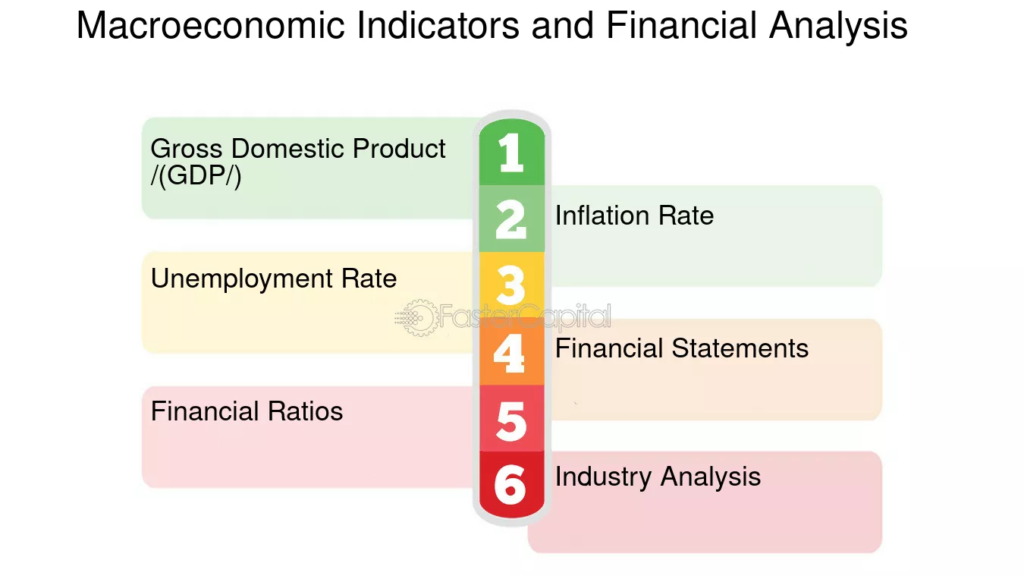
The Federal Reserve’s outlook focuses on a handful of key indicators that capture the health of the economy. Each tells a different part of the story.
GDP Growth
Gross Domestic Product measures the total value of goods and services produced in the economy.
Recent projections from Federal Reserve officials have generally pointed to moderate growth, often around 1.8%–2.1% annually, which is considered close to the long-term trend.
This signals that policymakers expect:
- Continued expansion
- But not an overheating economy
In practical terms, moderate growth means businesses continue operating and hiring, though not at breakneck speed.
Inflation
Inflation remains the Fed’s central concern.
The Federal Reserve targets 2% inflation, typically measured through the Personal Consumption Expenditures (PCE) index.
When forecasts show inflation staying above target, it signals:
- Interest rates may stay higher
- Borrowing costs could remain elevated
When inflation projections fall closer to 2%, markets often expect future rate cuts.
Unemployment
The unemployment rate indicates how tight the labor market is.
Fed projections in recent years have often suggested unemployment gradually rising toward 4–4.5%, a level economists consider healthy but not overheated.
A rising unemployment forecast doesn’t necessarily mean recession. Often it reflects a cooling labor market after a period of extreme job growth.
Interest Rate Expectations
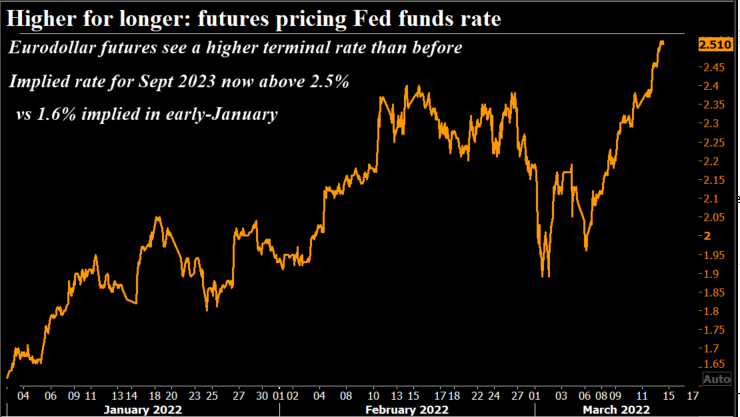
The Fed also publishes projections for the federal funds rate, the benchmark interest rate influencing everything from credit cards to mortgages.
These projections often appear as the famous “dot plot,” where each policymaker estimates future interest rate levels.
Markets study these projections closely because they reveal whether policymakers expect to:
- Raise rates further
- Hold them steady
- Begin cutting rates
What the Fed’s Forecasts Suggest About Economic Momentum
One of the most consistent themes in recent forecasts is the idea of a “soft landing.”
A soft landing occurs when inflation falls without triggering a major recession.
Federal Reserve projections have often suggested:
- Slower but positive GDP growth
- Gradually easing inflation
- A modest rise in unemployment
This combination implies policymakers believe the economy can cool without collapsing.
For American households, this scenario would mean:
- Job markets remain relatively stable
- Wage growth moderates but continues
- Inflation slowly becomes less painful
However, achieving a soft landing has historically been difficult, which is why economists analyze every update carefully.
How Interest Rate Forecasts Affect Everyday Americans
Federal Reserve forecasts matter not just for economists but for anyone who borrows money.
When the Fed signals that interest rates will remain high for longer, the effects ripple across the economy.
Housing
Mortgage rates closely track expectations for Federal Reserve policy.
If forecasts suggest prolonged high rates:
- Mortgage rates may stay elevated
- Housing affordability declines
- Home sales slow
For example, a 1-percentage-point difference in mortgage rates can increase the monthly payment on a $400,000 mortgage by hundreds of dollars.
Consumer Borrowing
Credit card rates, auto loans, and personal loans also respond to interest rate expectations.
Higher rates typically mean:
- More expensive borrowing
- Lower consumer spending
- Reduced demand for big-ticket purchases
Business Investment
Companies evaluate borrowing costs when deciding whether to expand operations.
Higher projected rates may cause firms to delay:
- Hiring
- New factory construction
- Technology investments
This is one way monetary policy gradually cools the economy.
What the Fed’s Forecasts Reveal About Recession Risks
One of the most common questions Americans search online is:
“Does the Federal Reserve expect a recession?”
The answer depends on how forecasts evolve.
Signals that suggest recession risk
Economists watch for several warning signs in Fed projections:
- Sharp downward revisions to GDP growth
- Rapid increases in unemployment forecasts
- Persistent inflation combined with slowing growth
When these signals appear together, analysts worry about stagflation, a difficult economic environment.
Signals that suggest stability
More optimistic forecasts typically show:
- Steady growth near trend levels
- Gradually declining inflation
- Unemployment rising only slightly
This combination suggests the economy may slow without contracting.
Recent projections have generally leaned toward this moderate slowdown scenario, though risks remain.
Why Federal Reserve Forecasts Sometimes Miss the Mark
Forecasting the economy is notoriously difficult.
Even the Federal Reserve acknowledges that its projections are not precise predictions.
Several factors can disrupt forecasts:
Unexpected global events
Economic shocks often come from outside the United States, including:
- Energy price spikes
- Geopolitical conflicts
- Supply chain disruptions
Rapid changes in consumer behavior
Spending patterns can shift quickly during:
- Technological shifts
- Housing booms
- Changes in savings habits
Financial market volatility
Interest rates, stock prices, and credit conditions can change rapidly, altering economic momentum.
Because of these uncertainties, the Federal Reserve frequently adjusts its forecasts throughout the year.
How Businesses Use Federal Reserve Forecasts
Companies across industries closely analyze the Fed’s outlook to guide strategic decisions.
For example:
Retail companies
- Use inflation forecasts to predict consumer purchasing power.
Banks
- Monitor interest rate projections to price loans and manage risk.
Manufacturers
- Watch growth forecasts to determine production levels.
A construction firm planning a large development project, for instance, may delay investment if forecasts indicate prolonged high borrowing costs.
What Investors Look for in Federal Reserve Projections
Financial markets respond almost immediately when the Federal Reserve releases updated forecasts.
Investors often analyze three main signals.
Interest rate trajectory
The projected path of the federal funds rate influences:
- Bond yields
- Stock valuations
- Currency markets
Inflation progress
Lower inflation forecasts often boost equity markets because they suggest future rate cuts.
Economic growth outlook
Stronger growth forecasts can support corporate earnings expectations.
However, if growth appears too strong, investors may worry the Fed will keep rates higher for longer.
This delicate balance often explains why markets sometimes react unpredictably to Fed announcements.
What the Forecasts Suggest About the Next Few Years
Although projections evolve constantly, recent Federal Reserve forecasts generally imply a few broad themes for the coming years.
Gradually declining inflation
Policymakers expect inflation to slowly return toward the 2% target as:
- Supply chains normalize
- Demand cools
- Interest rate effects spread through the economy
Moderating economic growth
Growth is expected to slow from post-pandemic highs but remain positive.
Slightly higher unemployment
The labor market may loosen modestly, though not dramatically.
Potential rate adjustments
If inflation falls convincingly, the Federal Reserve could begin lowering rates gradually.
However, policymakers have repeatedly emphasized that rate decisions depend on incoming data.
Frequently Asked Questions
1. What are Federal Reserve economic forecasts?
They are projections released by Federal Reserve policymakers estimating future levels of GDP growth, inflation, unemployment, and interest rates.
2. How often does the Federal Reserve release forecasts?
Forecasts are typically published four times per year following Federal Open Market Committee meetings.
3. What is the “dot plot” in Fed forecasts?
The dot plot shows each policymaker’s expected path for the federal funds rate over the coming years.
4. Are Federal Reserve forecasts accurate?
They are informed estimates but not guarantees. Unexpected events can quickly change economic conditions.
5. Why do investors watch Fed forecasts so closely?
Because interest rate expectations strongly influence stock prices, bond yields, and overall financial market behavior.
6. Do Fed forecasts predict recessions?
Not directly. However, declining growth projections and rising unemployment forecasts can signal increased recession risk.
7. How do Fed forecasts affect mortgage rates?
Mortgage rates respond to expectations about future interest rate policy, which Fed projections help shape.
8. What is the Federal Reserve’s inflation target?
The central bank aims for 2% inflation over the long term.
9. How do businesses use these projections?
Companies rely on economic forecasts to guide hiring, investment, pricing strategies, and capital spending.
10. Where can the public see Federal Reserve forecasts?
They are published in the Federal Reserve’s Summary of Economic Projections, available on the central bank’s official website.
Reading the Signals Behind the Fed’s Economic Outlook
Federal Reserve forecasts offer more than just numbers—they reveal how policymakers interpret the economy’s underlying forces.
When projections point to slowing inflation and stable growth, they suggest policymakers believe the economy can navigate a careful transition from post-pandemic volatility to long-term stability.
For households, businesses, and investors alike, understanding these signals provides a clearer framework for planning financial decisions in an uncertain economic environment.
Key Signals Americans Should Watch
- Federal Reserve forecasts influence borrowing costs, housing markets, and investment decisions.
- Inflation projections reveal how close the economy is to the Fed’s 2% target.
- Interest rate expectations shape mortgage rates, credit card rates, and business investment.
- Moderate GDP growth forecasts suggest a slowdown rather than a recession.
- Labor market projections help indicate whether the economy is cooling gradually or deteriorating.