Summary
Research consistently shows that sustainable wealth is built through disciplined habits, long-term investing, diversification, and avoiding reactive trend-chasing. Instead of speculative strategies, evidence favors consistent saving, low-cost investing, patience, and risk management. Individuals who focus on fundamentals—income growth, financial planning, and behavioral discipline—tend to outperform those who chase market fads or viral investment opportunities.
In every era, a new financial trend promises quick wealth: meme stocks, day-trading apps, cryptocurrency surges, AI stock frenzies, real estate flipping booms, or viral “side-hustle” strategies. While some individuals profit during these waves, research consistently shows that trend-chasing rarely produces sustainable wealth.
Instead, long-term financial success usually comes from remarkably unglamorous habits: steady investing, diversification, controlled risk, and patience.
Academic studies, financial advisors, and decades of market data reveal a clear pattern: the people who quietly follow disciplined strategies tend to outperform those constantly reacting to the latest financial excitement.
This article explores what research suggests about building wealth without chasing trends—and how individuals can apply these lessons in practical ways.
Why Trend-Chasing Often Fails Investors
Financial trends spread quickly, especially in the age of social media. Viral investment stories create the impression that everyone is making money except those who hesitate.
However, behavioral finance research shows that human psychology works against investors during these moments.
A study from DALBAR’s Quantitative Analysis of Investor Behavior repeatedly finds that average investors underperform the broader market. The main reason is not poor investments—it’s poor timing. Investors tend to buy after prices surge and sell after declines.
Trend-chasing amplifies this pattern.
When a particular asset is dominating headlines—whether technology stocks in the late 1990s or meme stocks in 2021—it often means prices already reflect intense enthusiasm. Entering at that stage increases risk while reducing future returns.
Several factors make trend-driven investing particularly dangerous:
- Emotional decision-making replaces long-term planning
- Media coverage amplifies fear of missing out (FOMO)
- Market prices may already be inflated
- Investors abandon diversification
- Exit timing becomes difficult
Research suggests that the problem is rarely the trend itself. Some trends are real. The issue is entering them too late and without a disciplined framework.

What Long-Term Wealth Builders Actually Do
While headlines focus on dramatic investment wins, most wealth accumulation follows a slower and more predictable pattern.
Research from institutions such as Vanguard, Fidelity, and the Federal Reserve highlights several habits common among financially successful households.
These individuals generally prioritize consistency over excitement.
Typical long-term wealth strategies include:
- Consistently saving a portion of income
- Investing regularly regardless of market conditions
- Maintaining diversified portfolios
- Avoiding frequent trading
- Minimizing investment fees
- Staying invested during downturns
For example, Vanguard research shows that asset allocation explains roughly 80–90% of long-term portfolio outcomes, while market timing plays a far smaller role.
In practice, this means that choosing an appropriate mix of stocks, bonds, and other assets matters far more than attempting to jump in and out of trending investments.
The Power of Time and Compounding
Perhaps the most overlooked factor in wealth building is time.
Compounding—the process where investment gains generate additional gains over time—becomes powerful only when investments remain untouched for long periods.
Consider a simple example.
An investor who contributes $500 per month to a diversified portfolio earning an average annual return of 7% could accumulate roughly $600,000 in 30 years.
Most of that growth occurs in the later years when compounding accelerates.
Trend-chasing interrupts this process. Investors who repeatedly move money between different opportunities often reset the compounding cycle or incur losses from mistimed trades.
Financial researchers often emphasize that the most successful investors are not necessarily the most skilled—but the most patient.
Diversification: The Quiet Risk Management Strategy
Another consistent finding across decades of financial research is the importance of diversification.
Diversification means spreading investments across different asset classes, industries, and geographic regions. While this approach rarely produces dramatic short-term gains, it significantly reduces long-term risk.
Trend-chasing tends to produce the opposite effect: concentration.
For example, investors caught up in technology booms may allocate most of their portfolio to tech companies. When those sectors correct, the damage can be severe.
Diversification helps investors avoid being overly exposed to a single narrative or market trend.
A balanced portfolio might include:
- U.S. equities
- International equities
- Government bonds
- Corporate bonds
- Real estate or REITs
- Cash or short-term reserves
Research from Nobel Prize–winning economist Harry Markowitz, who pioneered modern portfolio theory, demonstrated that diversified portfolios can achieve better risk-adjusted returns than concentrated ones.
In simple terms, diversification doesn’t guarantee higher returns—but it improves the chances of staying invested long enough to achieve them.

Income Growth Is Often the Real Wealth Driver
One insight often overlooked in investment conversations is that income growth plays a crucial role in wealth accumulation.
While investment returns matter, the amount of money available to invest can matter even more.
Households that steadily increase their income through career advancement, education, entrepreneurship, or skill development often build wealth faster simply because they can invest more.
Research from the Federal Reserve’s Survey of Consumer Finances consistently shows that higher-income households tend to accumulate wealth through disciplined saving and investment rather than speculative trading.
This shifts the conversation away from chasing market trends toward improving long-term earning potential.
Practical ways individuals increase investment capacity include:
- Developing high-value career skills
- Negotiating salary increases
- Building stable side income streams
- Reducing high-interest debt
- Automating savings contributions
These strategies rarely make headlines but have a measurable impact on financial outcomes.
The Hidden Cost of Frequent Trading
Another key finding from academic finance research is the cost of excessive trading.
A well-known study by economists Brad Barber and Terrance Odean found that investors who traded most frequently earned significantly lower returns than those who traded less often.
Why does this happen?
Frequent trading introduces several disadvantages:
- Transaction costs and spreads
- Poor timing decisions
- Emotional reactions to volatility
- Tax implications from short-term gains
Trend-driven investors often trade repeatedly as new opportunities emerge. Over time, this behavior erodes returns.
Long-term investors, by contrast, allow investments to compound without constant intervention.
Behavioral Discipline: The Real Competitive Advantage
Financial knowledge alone does not guarantee success. Behavior often matters more than strategy.
Behavioral economists have identified several psychological biases that affect investment decisions:
- Herd behavior: following what others are doing
- Recency bias: assuming recent trends will continue
- Overconfidence: overestimating investment skill
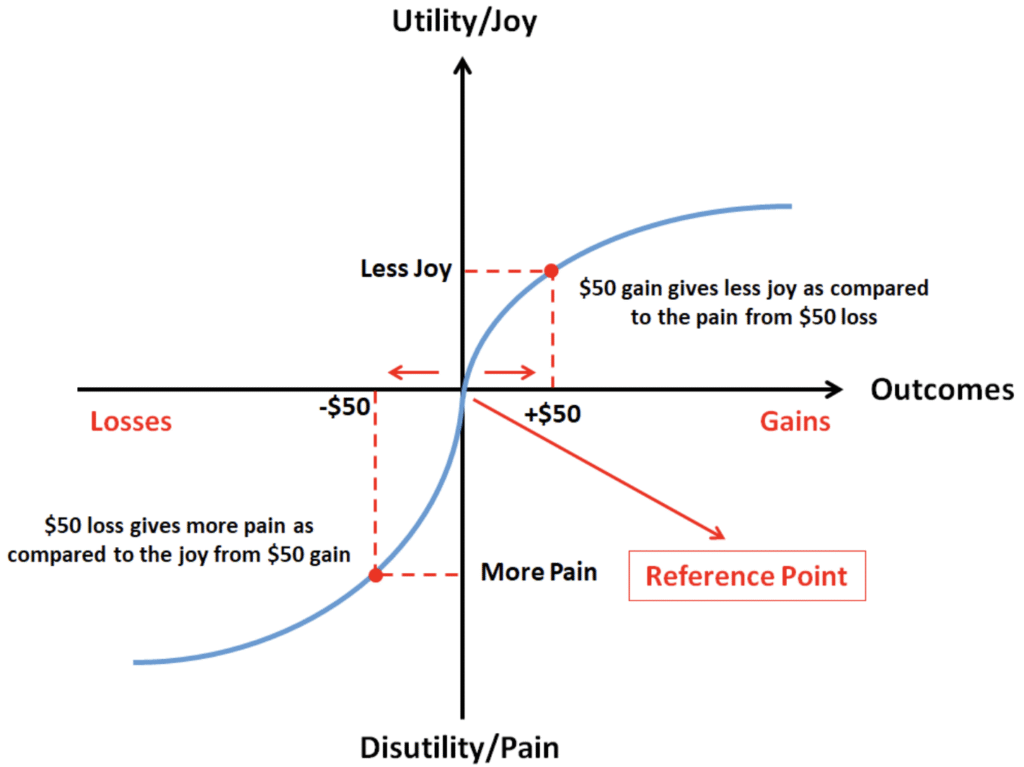
- Loss aversion: selling investments too quickly after declines
Trend-chasing is essentially the result of these biases interacting with market narratives.
Investors who build wealth over time often create systems that reduce emotional decision-making.
Common discipline tools include:
- Automatic investment plans
- Long-term financial plans
- Predefined asset allocations
- Periodic portfolio rebalancing
- Ignoring short-term market noise
These structures help maintain consistency even when markets become volatile.
What Research Says About “Hot Tips” and Viral Investments
Every generation experiences investment stories that spread rapidly through media and online communities.
However, academic studies repeatedly show that widely known investment tips rarely produce consistent profits.
Once information becomes popular, market prices typically adjust quickly.
In other words, by the time a trend reaches mainstream attention, much of the potential upside may already be reflected in the price.
Professional investors with sophisticated tools and research teams compete intensely to identify opportunities early. Individual investors entering late often face unfavorable odds.
This doesn’t mean individuals cannot benefit from emerging sectors. It simply means that allocating a small portion of a diversified portfolio is generally safer than committing heavily to a trend.
Building a Personal Wealth Strategy That Ignores Noise
Rather than reacting to each new financial headline, research suggests that individuals benefit from creating a structured, long-term financial framework.
Such a framework typically includes:
- Clear financial goals (retirement, education, home ownership)
- A target savings rate
- A diversified investment strategy
- Risk tolerance guidelines
- Periodic portfolio review schedules
With these elements in place, market trends become less relevant. Investors can evaluate opportunities calmly rather than react emotionally.
The goal is not to ignore innovation or economic change. Instead, it is to ensure that new opportunities fit within a disciplined financial plan rather than replace it.
Frequently Asked Questions
Is it ever safe to invest in financial trends?
Yes, but usually as a small portion of a diversified portfolio. Trends can offer opportunities, but concentrating heavily in them increases risk.
Why do people chase investment trends?
Psychological factors such as fear of missing out, social influence, and recent success stories encourage investors to follow popular investments.
What percentage of income should people invest?
Many financial planners recommend investing 10–20% of income if possible, though individual circumstances vary.
Do professional investors chase trends?
Institutional investors may invest in emerging sectors, but typically within strict risk management frameworks.
Are index funds better for long-term wealth?
Research suggests that low-cost index funds often outperform actively traded portfolios over long periods due to lower fees and consistent exposure to markets.
How long should someone hold investments?
Long-term investing often means holding assets for years or decades rather than months.
Can diversification reduce returns?
Diversification can sometimes reduce extreme short-term gains but generally improves long-term risk-adjusted outcomes.
What matters more: investing skill or discipline?
For most investors, discipline—consistent saving and staying invested—matters more than trying to pick winning stocks.
Is real estate a trend or a long-term strategy?
Real estate can be part of a long-term strategy, but speculative property booms often resemble investment trends.
What is the biggest mistake new investors make?
Many new investors focus too heavily on short-term market movements instead of long-term financial planning.
A More Sustainable Approach to Wealth
The most reliable path to financial security rarely involves dramatic strategies or viral investment ideas.
Instead, research consistently points toward steady habits: saving regularly, investing consistently, diversifying risk, and maintaining patience.
Trend-chasing may produce occasional success stories, but disciplined financial behavior remains the more dependable strategy.
Wealth is usually built quietly—through decades of consistent decisions rather than a single lucky opportunity.
Key Principles Worth Remembering
- Long-term consistency beats short-term speculation
- Diversification protects against concentrated risk
- Compounding requires time and patience
- Behavioral discipline is a major driver of returns
- Income growth can accelerate wealth accumulation
- Frequent trading often reduces investment performance
- Financial plans should guide decisions—not market trends