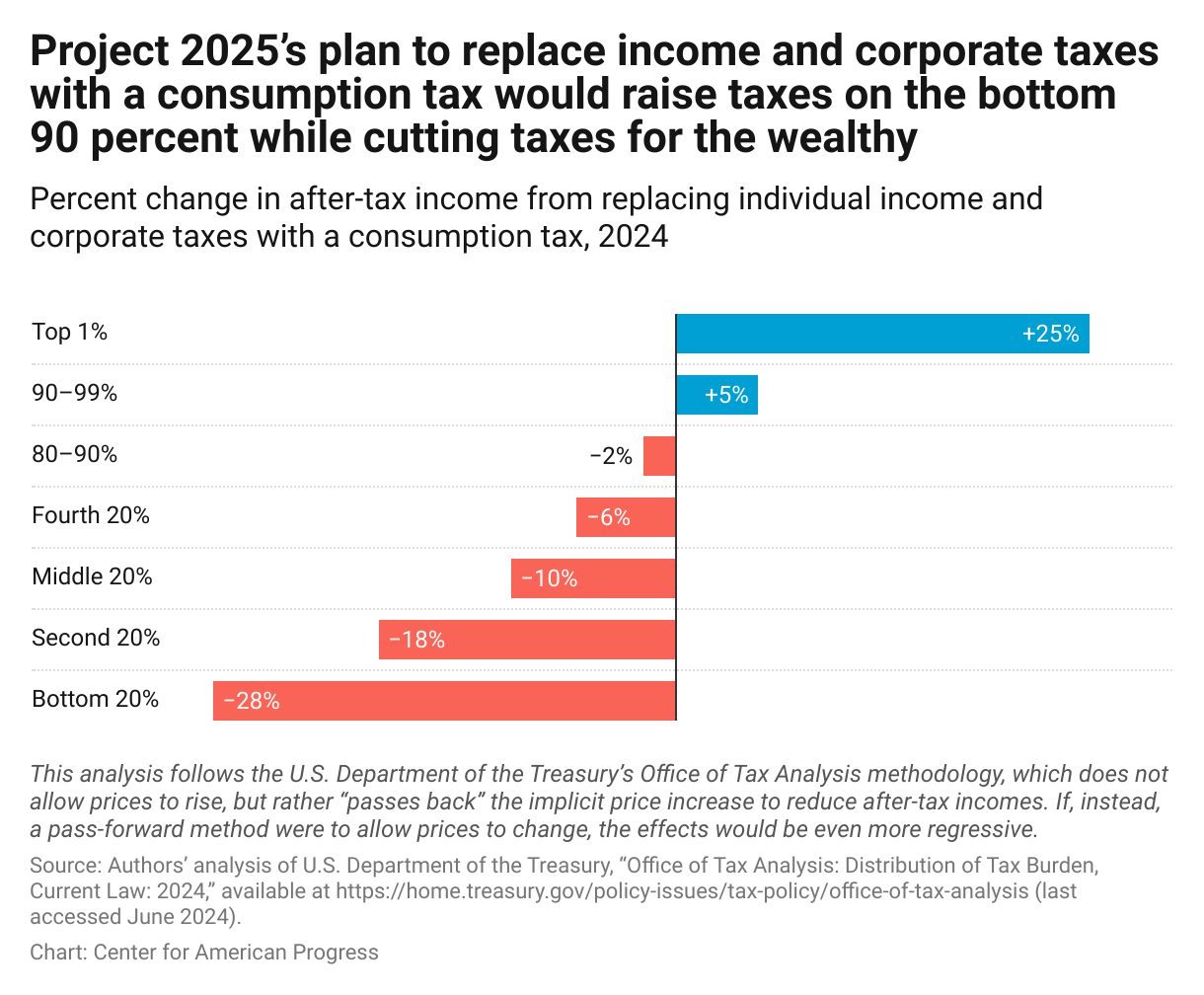
Proposed tax reforms under discussion in Washington could significantly affect middle-income households in the coming years. As key provisions of the 2017 tax law approach expiration, policymakers are debating changes to tax brackets, deductions, family credits, and housing incentives. These decisions may influence how much middle-class families pay in taxes and how they plan their finances.
Why Tax Reform Matters to the American Middle Class
For millions of Americans, tax policy is not just a political issue—it directly affects monthly budgets, savings plans, and long-term financial stability. Middle-income households, typically defined by the U.S. Census Bureau as families earning roughly between $50,000 and $150,000 annually depending on location and household size, are often at the center of tax policy debates.
The reason is straightforward: the middle class represents a large share of taxpayers and consumer spending. According to the U.S. Bureau of Economic Analysis, household consumption accounts for about two-thirds of U.S. economic activity, meaning tax policies that affect middle-income families can ripple through the entire economy.
In Washington, lawmakers are currently debating a variety of tax reforms as many provisions from the 2017 Tax Cuts and Jobs Act (TCJA) approach their scheduled expiration in 2025. These debates include potential changes to income tax brackets, family tax credits, deductions, and policies affecting homeownership and small businesses.
For middle-income Americans, understanding these proposals can help anticipate how their financial situation might change over the next few years.
The Expiration of the 2017 Tax Law: What’s at Stake?
The 2017 tax overhaul introduced several changes intended to simplify the tax system and reduce tax burdens for many households. However, to comply with federal budget rules, many of the individual tax provisions were written to expire after eight years.
If Congress does not extend or revise them, several aspects of the tax code could automatically revert to earlier rules beginning in 2026.
These potential changes include:
- Higher marginal income tax rates for some households
- A smaller standard deduction
- Reduced child-related tax benefits
- Changes to estate and gift tax thresholds
- Adjustments to certain itemized deductions
For middle-income taxpayers, the most noticeable changes would likely involve the standard deduction and tax brackets, which determine how much income is taxable and at what rates.
For example, a married couple earning $90,000 currently benefits from a relatively large standard deduction. If that deduction decreases after 2025, a larger portion of their income could become taxable unless lawmakers modify the policy.
Income Tax Brackets and Middle-Class Tax Bills
Tax brackets determine how income is taxed at different levels. One of the most widely discussed policy questions is whether the current bracket structure should remain in place or change.
Under the existing system, several tax rates were reduced slightly compared with the previous code. If those reductions expire, some middle-income households may see modest increases in their marginal tax rates.
However, policymakers are considering several options, including:
- Extending the current tax brackets
- Introducing targeted tax relief for middle-income households
- Adjusting income thresholds to account for inflation
Economists often emphasize that even small changes to tax brackets can affect household financial planning. A change of just a few percentage points can influence decisions about savings, retirement contributions, or additional work hours.
For example, a dual-income household earning $120,000 might see several hundred dollars or more in additional annual taxes if certain provisions expire.
While these changes may seem modest individually, they accumulate over time and influence long-term financial planning.
The Role of the Standard Deduction
The standard deduction is one of the most important features of the U.S. tax system for middle-income households.
When the TCJA increased the standard deduction, it simplified filing for many Americans by reducing the need to itemize deductions. As a result, the majority of taxpayers now claim the standard deduction instead of listing expenses such as mortgage interest and charitable donations.
Possible reforms could include:
- Extending the current higher standard deduction
- Adjusting the deduction to keep pace with inflation
- Returning to the previous structure with lower deduction amounts
For many middle-income families, the size of the standard deduction determines how much of their income is taxed in the first place.
A larger deduction reduces taxable income and simplifies tax filing. A smaller deduction could increase taxable income even if tax rates remain unchanged.
Family Tax Credits and Household Budgets
Another major area of debate involves tax credits designed to support families with children.
The Child Tax Credit (CTC) has evolved several times over the past decade. In its expanded form during the pandemic, the credit provided larger payments and allowed some families to receive monthly benefits.
Although that temporary expansion ended, lawmakers continue discussing possible updates to the credit.
Policy options currently discussed include:
- Increasing the credit amount
- Expanding eligibility for lower-income families
- Making the credit partially refundable
- Adjusting income limits for eligibility
For a middle-income family with two children, changes to the credit could alter their annual tax bill by several thousand dollars.
Economists often examine these policies not only in terms of tax relief but also in terms of broader economic effects. When households receive tax credits, they often spend a portion of that money on essentials such as housing, food, childcare, and education—activities that support economic activity.
Housing and Homeownership Tax Policies
Homeownership has long been supported by provisions within the U.S. tax code. Two of the most well-known policies are the mortgage interest deduction and property tax deductions.
However, changes introduced in 2017—particularly the cap on state and local tax deductions—altered how many homeowners benefit from these provisions.
Middle-income households in higher-tax states may be particularly affected by the $10,000 cap on state and local tax deductions, often referred to as the SALT cap.
Policymakers have proposed several potential revisions, including:
- Raising the SALT deduction cap
- Eliminating the cap entirely
- Adjusting the cap based on income levels
These proposals could significantly affect homeowners’ tax bills, particularly in metropolitan areas where property taxes are relatively high.
Small Businesses and Middle-Income Entrepreneurs
Many middle-income Americans operate small businesses or earn supplemental income through side businesses. Tax policy affecting these activities is another important element of the reform debate.
The Section 199A pass-through deduction, introduced in 2017, allows eligible small business owners to deduct up to 20% of qualified business income.
Like many other provisions of the tax law, this deduction is scheduled to expire after 2025.
If it is not extended, small business owners could see higher effective tax rates on business profits.
Consider a self-employed consultant earning $150,000 annually. The pass-through deduction could reduce taxable income by tens of thousands of dollars. Without that deduction, the same business owner might face a noticeably higher tax bill.
Because the U.S. Small Business Administration reports that small businesses account for nearly half of private-sector employment, tax policies affecting entrepreneurs often receive close attention from economists and policymakers.
Inflation, Cost of Living, and Tax Policy
In recent years, inflation has become an important factor in discussions about tax policy.
When prices rise faster than wages, households may feel financially stretched even if their income technically increases.
Tax policy interacts with inflation in several ways:
- Tax brackets are typically adjusted annually for inflation.
- Tax credits may or may not increase with cost-of-living changes.
- Deductions may lose value if they are not indexed properly.
For middle-income families dealing with higher housing, food, and healthcare costs, these technical adjustments can significantly affect their real financial situation.
This is one reason economists often emphasize the importance of inflation-indexed tax policies, which help prevent taxpayers from being pushed into higher tax brackets purely because of price increases.
What Middle-Income Families Are Asking Right Now
As discussions about tax reform continue, many households have similar questions about how potential changes might affect their finances.
Below are some of the most common questions Americans are searching for online.
Frequently Asked Questions
Will middle-income Americans pay more taxes after 2025?
It depends on whether Congress extends or modifies current tax provisions. If certain policies expire, some households could face higher taxes.
What is considered middle income in the United States?
Definitions vary, but many economists classify middle-income households as those earning roughly $50,000 to $150,000 annually.
How could tax reforms affect family budgets?
Changes to tax brackets, credits, and deductions could increase or decrease annual tax bills for families.
What happens if the standard deduction decreases?
A smaller deduction means more income becomes taxable, which may increase taxes owed.
Could the Child Tax Credit increase again?
Some policymakers support expanding the credit, but the final outcome depends on future legislation.
Will the SALT deduction cap be removed?
The cap is currently under debate, but no final decision has been made.
How do tax policies affect homeownership?
Deductions for mortgage interest and property taxes can influence the cost of owning a home.
Are small business owners affected by tax reform?
Yes. Policies such as the pass-through deduction directly affect many entrepreneurs.
When will new tax laws take effect?
Major tax reforms typically take effect in the year following passage, though some changes may be phased in gradually.
Preparing for Possible Changes in the Years Ahead
For middle-income Americans, the tax reform debate is more than a policy discussion—it is a practical financial issue that can influence daily life.
While the exact outcome of these debates remains uncertain, several trends are clear. Lawmakers are focusing on balancing tax relief for families, maintaining economic competitiveness, and managing federal budget pressures.
Households can prepare by staying informed about potential policy changes and understanding how deductions, credits, and tax brackets affect their finances.
Financial advisors often recommend reviewing tax planning strategies periodically, especially when major legislative changes are under discussion.
Even small adjustments to savings contributions, retirement accounts, or withholding amounts can help households adapt to a changing tax environment.
The Middle Class at the Center of America’s Tax Debate
The future of tax policy in the United States will likely hinge on how lawmakers balance competing goals: supporting economic growth, maintaining fairness in the tax system, and ensuring sufficient federal revenue.
Because the middle class represents such a large share of taxpayers and economic activity, these households will remain central to policy discussions in Washington.
As tax proposals evolve over the next few years, middle-income Americans will play an important role in shaping the conversation about how the nation’s tax system should work in the decades ahead.
Essential Insights From Today’s Middle-Class Tax Debate
- Many provisions from the 2017 tax reform law expire in 2025.
- Changes to tax brackets and deductions could affect middle-income households.
- Family tax credits remain a major topic in policy discussions.
- The SALT deduction cap continues to generate debate.
- Small business tax policies may influence many middle-income entrepreneurs.