As several major provisions of recent tax legislation approach expiration, policymakers in Washington are evaluating the next phase of U.S. tax reform. Discussions involve business taxation, individual income brackets, investment incentives, and fiscal sustainability. Understanding these proposals can help taxpayers, investors, and business owners anticipate how future policy shifts may influence economic decisions.
Why a New Round of Tax Reform Is Being Discussed
Tax reform is a recurring feature of American economic policy. As economic conditions evolve and federal budget priorities change, lawmakers periodically review the structure of the tax system.
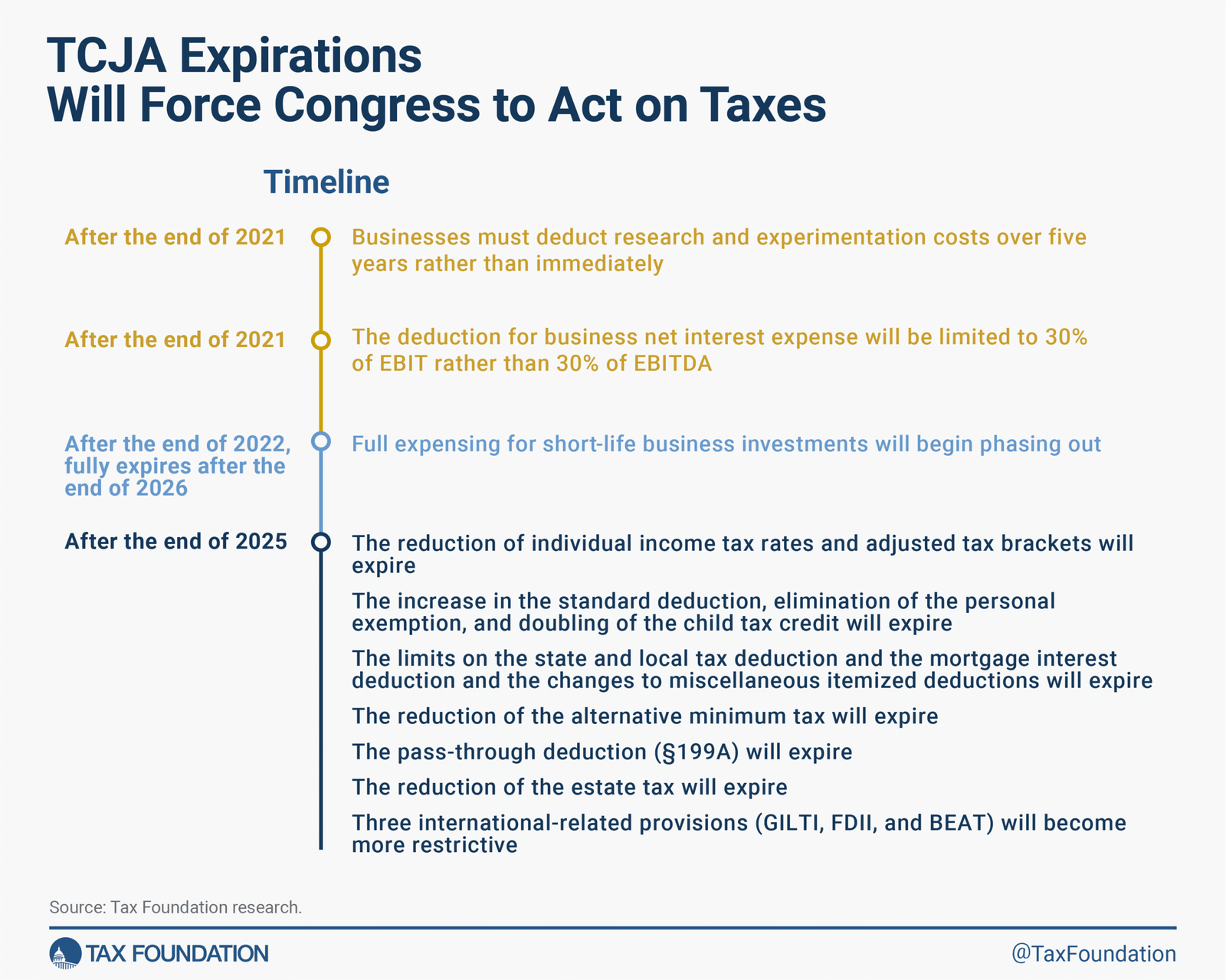
Several provisions of the Tax Cuts and Jobs Act are scheduled to expire after 2025. Because these rules affect individual income taxes, pass-through businesses, and certain deductions, their expiration has prompted policymakers to reconsider how the tax code should function in the years ahead.
According to research from the Congressional Budget Office and the Tax Policy Center, federal tax revenues and long-term fiscal sustainability remain central concerns in these discussions. At the same time, policymakers are balancing competing priorities such as economic growth, fairness, and administrative simplicity.
For many Americans, the next generation of tax reforms could influence personal finances, investment strategies, and business planning.
The Expiration of Key Tax Provisions
One of the most immediate issues facing lawmakers is the scheduled sunset of several provisions from the 2017 tax overhaul.
These provisions include changes to:
- Individual tax brackets
- The standard deduction
- The child tax credit structure
- The deduction for pass-through business income
If Congress does not extend or modify these rules, many taxpayers could see their tax calculations change after 2025.
For example, a middle-income household currently benefiting from expanded deductions might face a different tax liability once those provisions expire. Similarly, entrepreneurs who rely on the pass-through deduction may see their effective tax rate increase if the policy is not renewed.
Because these changes affect millions of taxpayers, they are at the center of current policy discussions.
Rethinking the Balance Between Individual and Corporate Taxes
Another area of debate involves how tax burdens should be distributed between individuals and corporations.
The corporate tax rate was reduced to 21 percent under the Tax Cuts and Jobs Act. Policymakers are now evaluating whether that rate should remain in place or be adjusted.
Proponents of maintaining the current rate often emphasize international competitiveness. Lower corporate tax rates can make it more attractive for companies to invest and operate in the United States.
Others argue that modest adjustments could increase federal revenue while maintaining competitiveness. Some proposals also focus on ensuring multinational corporations pay taxes on profits earned in the United States.
For small businesses and entrepreneurs, these discussions matter because corporate tax policies influence investment levels, supplier relationships, and overall market conditions.
Addressing the Federal Budget and Long-Term Fiscal Outlook
The federal government’s long-term fiscal outlook plays a major role in shaping tax reform discussions.
Data from the Congressional Budget Office indicates that federal debt as a percentage of the economy has increased significantly over the past two decades. Policymakers must consider how tax policies affect both revenue and economic growth.
Some of the approaches under consideration include:
- Adjusting certain tax rates or thresholds
- Limiting or modifying deductions and credits
- Expanding the tax base to include new sources of revenue
- Improving enforcement to reduce tax evasion
While these ideas vary widely in scope, they share a common goal: ensuring that government revenue can support federal programs over the long term.
New Ideas in Tax Policy
In addition to modifying existing policies, policymakers are also exploring new approaches to taxation.
Several proposals have received attention in recent policy discussions.
These include:
- Minimum taxes on large corporations designed to ensure that highly profitable companies pay a baseline level of tax
- Changes to capital gains taxation, particularly for high-income households
- Digital economy taxation, addressing how multinational technology companies report profits across jurisdictions
- Expanded tax credits aimed at supporting families or encouraging clean energy investment
Each proposal reflects broader economic changes, including globalization, technological innovation, and shifting labor markets.
While not all proposals will become law, they illustrate the range of ideas being considered in the next phase of tax reform.
How Tax Reforms Could Affect Small Businesses
Small businesses play a major role in the U.S. economy, and tax policy changes often have significant implications for entrepreneurs.
According to the U.S. Small Business Administration, small businesses account for 99.9% of American businesses and employ nearly half of the private workforce.
Tax reforms affecting small businesses often focus on:
- Pass-through income deductions
- Investment incentives such as equipment expensing
- Payroll tax considerations
- Access to capital and financing
For example, a small manufacturing company deciding whether to purchase new equipment may consider how depreciation rules affect the cost of that investment.
Similarly, startups evaluating expansion plans may consider how tax credits and deductions influence cash flow during early growth stages.
Because small businesses contribute significantly to job creation, tax policies affecting them are closely monitored by both policymakers and business groups.
The Role of Investment Incentives
Investment incentives are another important component of tax reform discussions.
Policies such as accelerated depreciation and equipment expensing allow businesses to deduct the cost of investments more quickly. This improves cash flow and encourages companies to modernize operations.
For instance, a logistics company upgrading its vehicle fleet may benefit from tax rules that allow faster depreciation of those assets.
These incentives are often used to stimulate economic activity, particularly during periods when policymakers want to encourage private-sector investment.
Future reforms may adjust these provisions to reflect evolving economic priorities, such as supporting technological innovation or energy transition projects.
Tax Simplicity and Administrative Efficiency
Beyond tax rates and deductions, many experts emphasize the importance of simplicity in tax policy.
Complex tax rules can create administrative burdens for individuals and businesses. They can also increase compliance costs, particularly for smaller firms that lack large accounting departments.
The Internal Revenue Service plays a key role in administering tax laws and ensuring compliance. Simplifying certain tax provisions could make it easier for taxpayers to understand their obligations and reduce the likelihood of filing errors.
Possible reforms aimed at simplification include:
- Streamlining eligibility rules for deductions
- Reducing overlapping credits
- Clarifying reporting requirements for businesses and investors
While simplification alone cannot resolve all policy challenges, it can improve the overall efficiency of the tax system.
Global Tax Coordination
As multinational companies operate across borders, tax policy increasingly involves international cooperation.
Organizations such as the Organisation for Economic Co-operation and Development have been working with governments to develop global frameworks for corporate taxation.
These efforts aim to address challenges such as profit shifting and the taxation of digital services. The United States has been actively involved in these discussions, and future tax reforms may incorporate elements of international agreements.
For businesses operating globally, these developments could influence where profits are reported and how taxes are calculated.
What Taxpayers Are Asking About Future Reforms
Many Americans are seeking practical answers about how upcoming tax reforms could affect their finances.
Below are some of the most common questions.
Frequently Asked Questions
Why are new tax reforms being discussed now?
Several provisions from the Tax Cuts and Jobs Act are scheduled to expire after 2025, prompting policymakers to revisit tax policy.
What could happen if current tax provisions expire?
Tax brackets, deductions, and credits could revert to earlier levels unless Congress passes new legislation.
How might tax reforms affect small businesses?
Changes to pass-through deductions, investment incentives, and payroll taxes could influence profitability and hiring decisions.
Could corporate tax rates change again?
Some policymakers have proposed adjustments, though any changes would require congressional approval.
What are investment incentives?
They are tax provisions that allow businesses to deduct the cost of equipment and other investments more quickly.
Why does the federal budget matter in tax policy?
Tax revenue helps fund government programs, and policymakers must balance revenue with economic growth.
Could tax reforms simplify filing?
Some proposals aim to streamline deductions and credits to make compliance easier.
How do global tax agreements affect U.S. policy?
International cooperation can influence how multinational corporations are taxed.
When might new tax laws take effect?
Most tax legislation typically takes effect in the year following its passage, though some provisions may phase in gradually.
How Businesses and Households Can Prepare
While the details of future tax reforms remain uncertain, individuals and business owners can take steps to prepare.
Financial advisors often recommend:
- Reviewing tax strategies annually
- Monitoring legislative developments
- Maintaining detailed financial records
- Consulting qualified tax professionals when making major financial decisions
Planning ahead can help households and businesses adapt more easily if tax policies change.
Even when legislation is still under discussion, understanding the broader policy direction can provide useful context for long-term financial decisions.
The Policy Crossroads Ahead
The next generation of tax reforms will likely reflect broader economic realities, including technological change, global competition, and demographic shifts.
Policymakers must navigate competing priorities—raising revenue, supporting economic growth, maintaining fairness, and keeping the system manageable for taxpayers.
For Americans following these discussions, the key takeaway is that tax policy is rarely static. It evolves as economic conditions and national priorities change. Staying informed about these developments can help individuals and businesses make thoughtful financial decisions in a shifting policy landscape.
What This Policy Conversation Signals for the Future
The ongoing debate about tax reform highlights how closely fiscal policy is tied to economic strategy. Decisions made in Washington about tax rules can influence investment patterns, business expansion, and household financial planning across the country.
As lawmakers weigh competing proposals, the outcome will shape how the U.S. tax system supports growth, funds public programs, and adapts to the realities of a changing economy.
Essential Highlights from the Tax Reform Debate
- Several provisions from the 2017 tax reform law are scheduled to expire after 2025.
- Policymakers are evaluating corporate, individual, and investment tax policies.
- Long-term federal budget sustainability remains a major factor in reform discussions.
- Tax simplification and administrative efficiency are frequently cited goals.
- Global tax coordination is becoming increasingly important.