Summary
Financial planning strategies increasingly reflect generational realities. From Baby Boomers preparing for retirement to Gen Z navigating student debt and digital investing, each generation faces unique economic conditions that shape financial priorities. Understanding these trends helps individuals and advisors create smarter, more adaptable financial plans that address longevity, debt, housing costs, and evolving work patterns in the modern American economy.
Why Generational Trends Matter in Financial Planning
Financial planning is rarely one-size-fits-all. Economic environments, social expectations, and technology change dramatically across decades, influencing how people earn, spend, save, and invest.
A person entering the workforce in 1985 encountered a different financial landscape than someone starting a career today. Housing costs, student debt levels, life expectancy, and retirement systems have all evolved. These changes mean financial planning strategies must adapt to generational realities.
According to data from the Federal Reserve’s Survey of Consumer Finances, wealth distribution, savings behavior, and debt burdens vary significantly across age groups. These differences are not merely demographic—they reflect structural shifts in the economy.
Understanding generational trends helps individuals and financial advisors anticipate future financial needs, identify common risks, and build strategies aligned with long-term economic conditions.
Baby Boomers: Managing Longevity and Retirement Risk
Americans born between 1946 and 1964—commonly known as Baby Boomers—are currently the largest group entering or already in retirement. This generation accumulated substantial wealth compared with younger cohorts, but they also face new financial pressures.
Many Boomers expected traditional pension systems to support retirement. However, defined-benefit pensions declined dramatically over the past 40 years, shifting responsibility toward individual retirement savings accounts like 401(k)s and IRAs.
At the same time, Americans are living longer. The Social Security Administration estimates that a 65-year-old today has a high probability of living into their mid-80s or beyond. Longer lifespans mean retirement savings must last decades rather than years.
Key planning priorities for this generation often include:
- Protecting retirement income from market volatility
- Managing healthcare and long-term care expenses
- Optimizing Social Security claiming strategies
- Reducing tax burdens during retirement withdrawals
- Supporting adult children or grandchildren financially
For example, many Boomers now integrate annuities, dividend portfolios, and structured withdrawal plans to ensure steady income streams throughout retirement.
Another growing concern is healthcare. Fidelity estimates that the average retired couple may need roughly $315,000 for healthcare expenses in retirement, excluding long-term care.
Financial planning for this generation often focuses on preserving wealth rather than building it.

Generation X: Balancing Peak Earnings With Multiple Responsibilities
Generation X—those born between 1965 and 1980—often sits at the center of modern financial pressure.
This group is currently in their prime earning years, but many face the financial challenge known as the “sandwich generation.” They frequently support both aging parents and their own children at the same time.
Compared with Boomers, Gen X had less access to traditional pensions and faced multiple economic disruptions, including:
- The dot-com crash
- The 2008 financial crisis
- COVID-19 economic instability
As a result, their financial planning tends to focus heavily on stability and long-term risk management.
Common financial planning priorities include:
- Accelerating retirement savings in their 40s and 50s
- Funding children’s education without sacrificing retirement
- Managing mortgage debt and housing equity
- Increasing insurance coverage and emergency reserves
- Planning for caregiving responsibilities
Many Gen X households are also navigating high college costs. The College Board reports that average tuition has more than doubled in inflation-adjusted terms since the early 1990s, placing additional financial pressure on families.
Financial planners often emphasize disciplined retirement contributions and diversified investment portfolios for this group to help compensate for lost time during earlier economic downturns.
Millennials: Debt, Housing Costs, and Delayed Milestones
Millennials—born roughly between 1981 and 1996—entered adulthood during the Great Recession, which significantly shaped their financial behavior.
This generation carries higher levels of student loan debt than any previous cohort. According to the Federal Reserve, Americans collectively hold more than $1.7 trillion in student loan debt, much of it concentrated among Millennials.
The combination of student debt and rising housing costs has delayed traditional financial milestones such as homeownership and family formation.
As a result, Millennials often prioritize flexibility and liquidity in their financial plans.
Key financial planning themes include:
- Aggressively managing student loan repayment
- Building emergency funds after economic disruptions
- Saving for home down payments in high-cost housing markets
- Investing through low-cost index funds and robo-advisors
- Balancing retirement savings with near-term financial goals
Interestingly, Millennials are also among the most engaged investors. Platforms offering fractional shares, automated investing, and low fees have lowered the barrier to entry.
For example, many Millennials begin investing through employer retirement plans and gradually expand into brokerage accounts, real estate investments, or side-income ventures.
Financial planners increasingly emphasize behavioral guidance for this generation—helping them maintain long-term investing discipline despite market volatility.

Generation Z: Digital Finance and Early Financial Awareness
Generation Z—the youngest cohort entering adulthood—grew up in a fully digital financial ecosystem.
Mobile banking, investing apps, cryptocurrency platforms, and financial education content on social media have dramatically changed how this generation approaches money.
Many Gen Z adults began investing earlier than previous generations, sometimes while still in college.
According to Bank of America research, Gen Z investors are more likely than older generations to explore alternative investments such as digital assets, peer-to-peer lending, and creator-economy income streams.
However, early access to financial tools does not eliminate financial challenges. Rising rent costs, student debt concerns, and uncertain job markets remain significant issues.
Financial planning for Gen Z often focuses on:
- Building credit responsibly
- Avoiding high-interest consumer debt
- Starting retirement contributions early
- Understanding tax implications of gig or freelance income
- Developing long-term investment habits
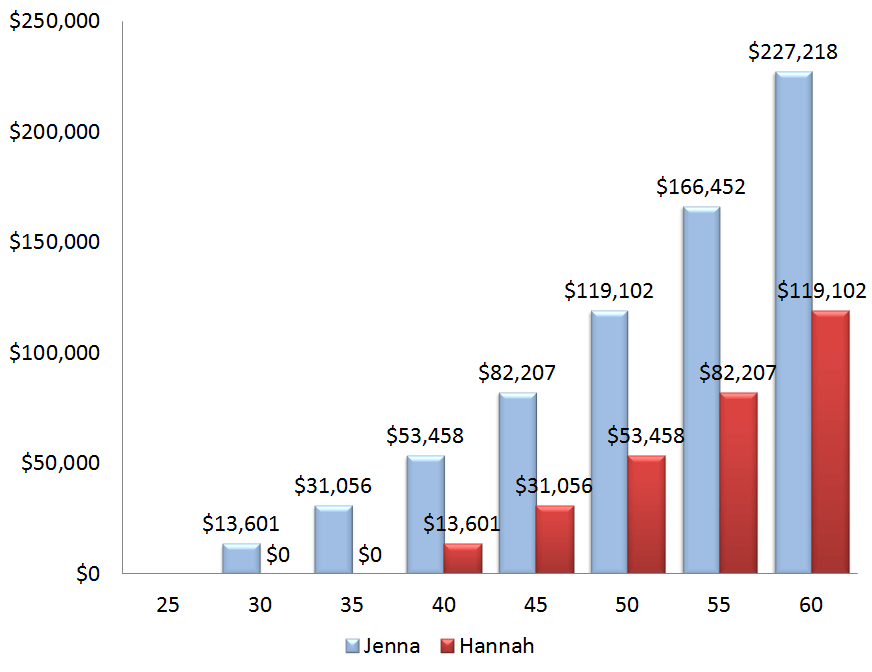
Because Gen Z has decades before retirement, even modest early investments can compound significantly over time.
For example, investing $200 per month starting at age 22—assuming a 7% annual return—can potentially grow to over $500,000 by retirement age.
The primary challenge is maintaining consistency and avoiding speculative investment behavior driven by online trends.
Technology Is Reshaping Financial Planning Across Generations
One of the most powerful trends affecting financial planning is technological transformation.
Digital platforms have democratized access to financial tools that were once limited to wealthy households.
Today, Americans can:
- Open brokerage accounts in minutes
- Automatically invest through robo-advisors
- Track spending and budgeting through mobile apps
- Access retirement calculators and planning software
- Learn financial concepts through online education platforms
Technology has also changed how financial advice is delivered.
Traditional advisory relationships are increasingly complemented by hybrid models combining automated tools with human guidance.
This shift allows financial planning services to reach younger generations who may not yet meet traditional asset minimums required by many advisory firms.
The Growing Importance of Behavioral Finance
Another generational trend influencing financial planning is the growing recognition of behavioral psychology.
Research shows that financial success is often determined less by investment selection and more by behavioral discipline.
Common behavioral challenges include:
- Panic selling during market downturns
- Overconfidence in speculative investments
- Lifestyle inflation as income grows
- Underestimating retirement needs
Younger investors, in particular, are exposed to fast-moving financial narratives through social media platforms. These environments can amplify short-term decision-making rather than long-term planning.
Modern financial planning increasingly incorporates behavioral coaching—helping individuals stay focused on long-term goals rather than reacting emotionally to market changes.
Economic Forces Shaping Future Financial Planning
Several macroeconomic trends are likely to influence financial planning across all generations.
These include:
- Increasing life expectancy
- Rising healthcare costs
- Housing affordability challenges
- Automation and shifting labor markets
- Greater reliance on individual retirement savings
At the same time, financial literacy is improving through broader access to education resources.
Younger generations are more likely to discuss finances openly and seek guidance through online communities and professional advisors.
These cultural shifts may lead to more proactive financial planning behaviors in the coming decades.

Frequently Asked Questions
How do generational trends affect financial planning?
Generational trends reflect the economic environment people experience during their formative years. These factors influence saving habits, investment preferences, debt levels, and retirement expectations.
Which generation has the most retirement savings?
Baby Boomers currently hold the largest share of retirement assets in the United States because they have had the most time to accumulate wealth.
Why do Millennials struggle with homeownership?
High housing prices, student loan debt, and slower wage growth after the Great Recession have made it harder for many Millennials to purchase homes compared with previous generations.
Is Gen Z investing earlier than other generations?
Yes. Many Gen Z investors begin investing in their early twenties due to easy access to digital investing platforms and financial education content online.
How much should each generation save for retirement?
Savings targets vary based on income and age, but many financial planners recommend saving 10–15% of income for retirement throughout one’s career.
Are pensions still common today?
Traditional pensions are far less common than they were in previous decades. Most retirement savings now rely on individual accounts such as 401(k)s and IRAs.
What financial risks do younger generations face?
Younger generations face rising housing costs, student debt burdens, and uncertain job markets shaped by technological disruption.
How can people adapt financial plans to generational changes?
Adapting financial plans often involves increasing savings rates, diversifying investments, planning for longer lifespans, and maintaining flexible financial strategies.
Does technology improve financial planning?
Yes. Technology allows individuals to automate savings, track spending, access investment tools, and receive financial guidance more efficiently.
Is financial planning more important today than in the past?
In many ways, yes. With fewer pensions and longer lifespans, individuals now bear greater responsibility for managing their own financial futures.
Navigating the Financial Roadmap Across Generations
Generational trends do not determine financial success, but they shape the environment in which financial decisions are made.
Each generation faces different economic realities—ranging from rising education costs to longer life expectancy and evolving labor markets. Effective financial planning recognizes these shifts and adapts strategies accordingly.
Ultimately, the most resilient financial plans share common characteristics: disciplined saving, diversified investing, thoughtful risk management, and a long-term perspective.
By understanding generational patterns, individuals can better anticipate challenges, avoid common mistakes, and build financial security across decades of economic change.
Key Insights From Generational Financial Behavior
- Economic conditions shape financial habits across generations
- Retirement planning increasingly relies on individual savings
- Healthcare and longevity risks are growing for retirees
- Student debt and housing costs affect younger generations
- Technology is expanding access to financial planning tools
- Behavioral discipline plays a critical role in long-term investing