Summary
Financial advisors consistently emphasize disciplined strategies rather than quick wins when helping clients build wealth. Sustainable wealth growth typically comes from long-term investing, diversified portfolios, tax-efficient planning, steady savings habits, and thoughtful risk management. This guide explores the practical strategies advisors commonly recommend, the reasoning behind them, and how individuals can apply these principles to strengthen their financial future.
Understanding What “Sustainable Wealth Growth” Really Means
Sustainable wealth growth refers to building financial assets steadily over time while managing risk and maintaining financial stability. In professional financial planning, sustainability doesn’t mean chasing the highest returns possible in a single year. Instead, it focuses on creating a structure that can withstand economic cycles, inflation, and life changes.
Many financial advisors explain that wealth growth is not defined only by investment returns. It is shaped by a combination of factors including savings behavior, tax efficiency, investment allocation, and long-term planning.
For most American households, sustainable wealth growth involves balancing three goals:
- Growing assets through investments
- Protecting those assets through diversification and risk management
- Maintaining flexibility for life events such as career changes, family needs, or retirement
According to research from Vanguard and Morningstar, disciplined asset allocation and consistent investing often contribute more to long-term outcomes than short-term market timing.
Why Advisors Focus on Long-Term Investment Discipline
One of the most consistent recommendations financial advisors make is maintaining a long-term perspective.
Market volatility is normal. Over the past several decades, U.S. markets have experienced numerous downturns, including the 2008 financial crisis and the 2020 pandemic-related decline. Yet long-term investors who stayed invested generally recovered and benefited from subsequent growth periods.
The historical performance of the S&P 500 illustrates this principle. According to data compiled by Standard & Poor’s, the index has historically averaged roughly 9–10% annual returns over long periods, though year-to-year results vary widely.
Advisors often emphasize that emotional reactions to market swings can undermine wealth-building efforts.
Typical long-term investing guidance includes:
- Avoid reacting to short-term market news
- Continue investing consistently during both market rises and declines
- Maintain a portfolio aligned with long-term goals rather than short-term predictions
For example, many advisors encourage clients to continue retirement contributions even during market downturns because lower prices can allow investors to accumulate more shares.

The Role of Diversification in Sustainable Wealth Growth
Diversification is a foundational principle in modern portfolio management.
Rather than concentrating wealth in a single investment or sector, advisors typically recommend spreading assets across different types of investments. This approach helps reduce exposure to any one market movement.
Diversification often includes a combination of:
- U.S. equities
- International equities
- Bonds or fixed-income securities
- Real assets such as real estate investment trusts (REITs)
- Cash or short-term reserves
The goal is not simply to reduce risk but to create a portfolio that behaves more consistently across economic conditions.
For example, when stock markets decline, bonds or defensive sectors may help stabilize portfolio performance. While diversification cannot eliminate risk entirely, it helps limit the impact of individual market events.
Consistent Saving Often Matters More Than Investment Selection
While investment strategies receive significant attention, many advisors emphasize that consistent savings behavior is one of the strongest drivers of wealth growth.
In practical terms, this means directing a steady portion of income toward long-term investments.
Common strategies include:
- Automatic payroll deductions into retirement plans
- Monthly transfers to brokerage or investment accounts
- Increasing savings rates gradually as income rises
For example, a worker contributing 10–15% of income to retirement accounts throughout their career can accumulate substantial assets through both savings and compounding returns.
According to Fidelity Investments, many financial planners suggest saving at least 15% of gross income toward retirement as a general benchmark for long-term financial preparedness.
Taking Advantage of Tax-Efficient Accounts
Tax efficiency is another area where professional financial guidance often makes a meaningful difference.
The U.S. tax system offers several investment accounts designed to support long-term wealth accumulation. Financial advisors frequently recommend maximizing these accounts when possible.
Common tax-advantaged accounts include:
- 401(k) plans offered through employers
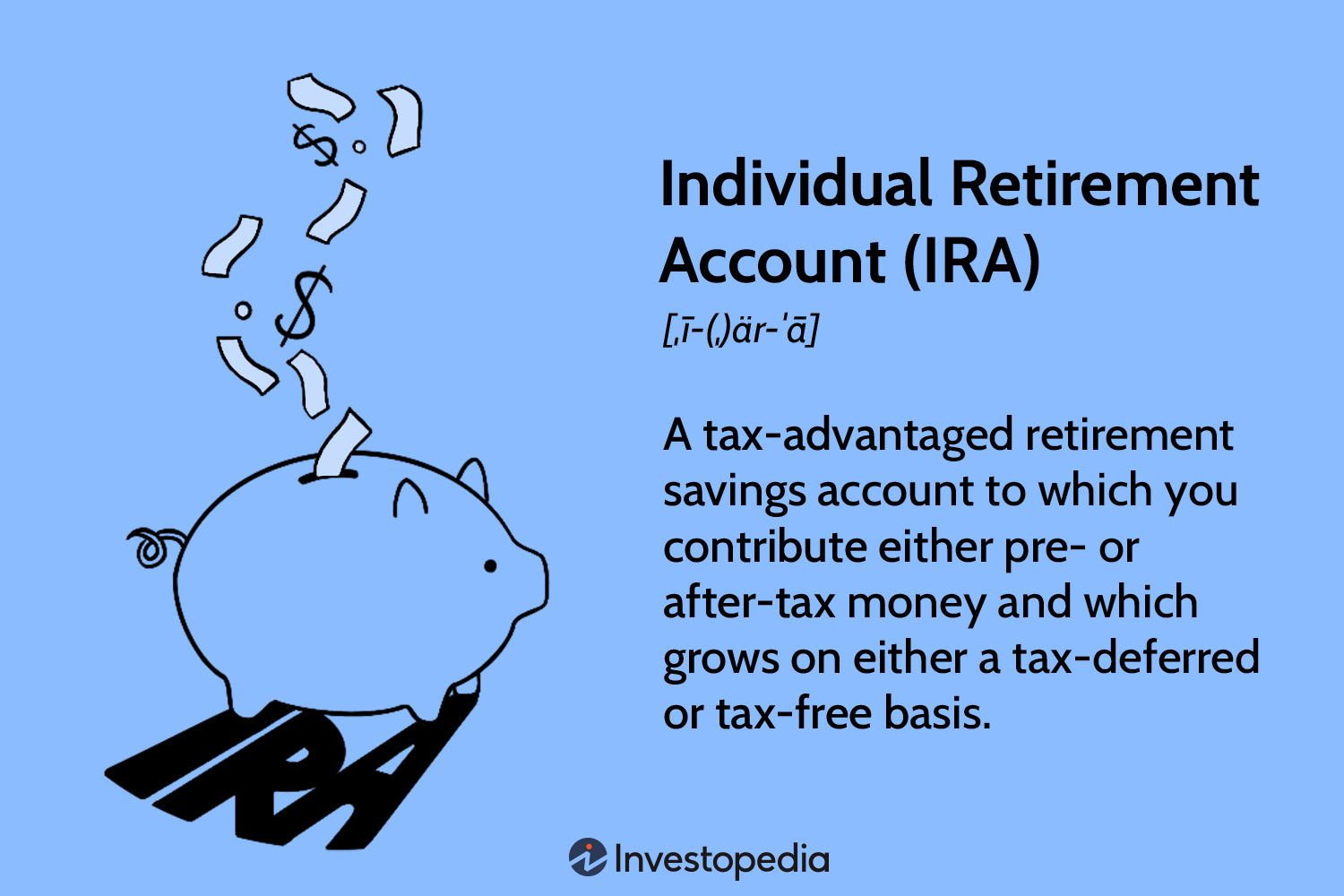
- Traditional IRAs and Roth IRAs
- Health Savings Accounts (HSAs) for qualified medical expenses
- 529 college savings plans
These accounts provide benefits such as tax-deferred growth or tax-free withdrawals for qualified expenses.
For instance, contributions to a traditional 401(k) reduce taxable income in the year they are made, while Roth accounts allow qualified withdrawals in retirement to be tax-free.
Over decades, these tax advantages can significantly increase the total value of an investment portfolio.

Risk Management Is a Core Component of Wealth Building
A common misconception about wealth building is that it is purely about growth. In reality, protecting existing wealth is just as important.
Financial advisors often integrate risk management strategies that help prevent unexpected events from undermining financial progress.
Key risk-management tools may include:
- Emergency savings covering three to six months of expenses
- Adequate health, disability, and life insurance
- Liability protection such as umbrella insurance
- Portfolio adjustments as retirement approaches
For example, someone nearing retirement may gradually shift part of their portfolio toward bonds or income-producing investments to reduce exposure to large market declines.
Risk management helps ensure that financial plans remain stable even when circumstances change.
Why Asset Allocation Often Drives Portfolio Performance
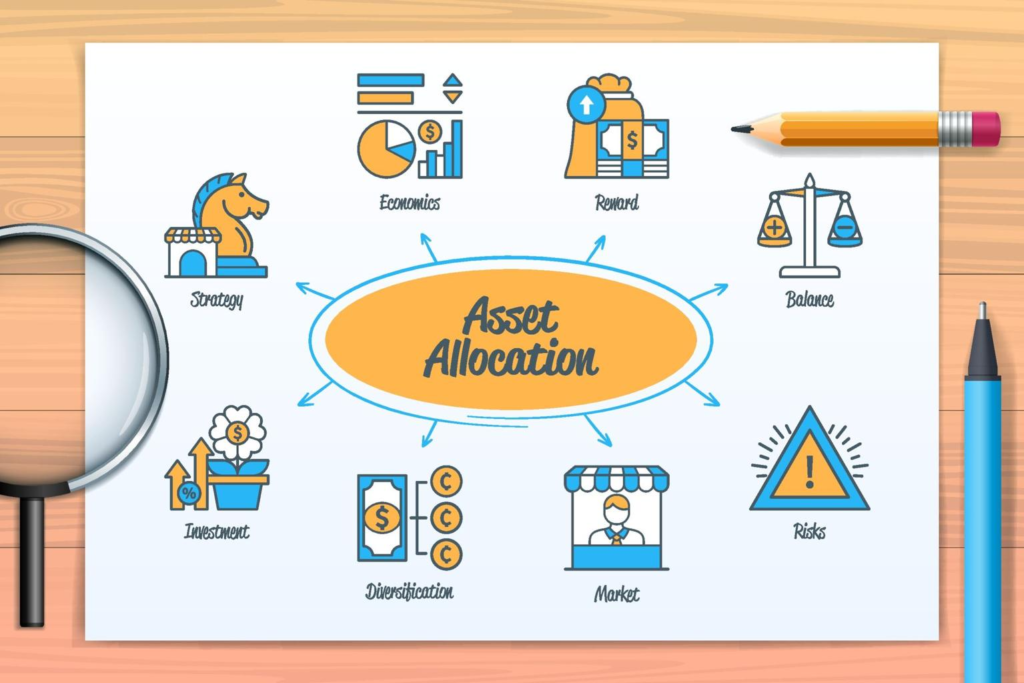
Many investors focus on individual stock selection, but financial advisors frequently highlight the importance of asset allocation instead.
Asset allocation refers to the percentage of a portfolio invested in various asset classes such as stocks, bonds, and cash.
Research from Brinson, Hood, and Beebower—often cited in financial planning discussions—found that asset allocation can explain a large portion of long-term portfolio performance variability.
Typical allocation strategies vary depending on factors such as:
- Age
- Income stability
- Investment timeline
- Risk tolerance
For example:
- Younger investors with longer time horizons may hold a higher percentage of stocks.
- Individuals closer to retirement may hold a greater share of bonds or income-focused investments.
Advisors often adjust allocations periodically through a process called rebalancing, which maintains the intended risk level.
The Importance of Behavioral Discipline
One of the less obvious roles financial advisors play involves helping clients maintain emotional discipline.
Financial markets can trigger strong psychological reactions. During downturns, investors may feel pressure to sell. During rapid growth periods, they may be tempted to take excessive risks.
Advisors frequently emphasize the importance of maintaining a structured investment approach that avoids impulsive decisions.
Common behavioral guidelines include:
- Avoid frequent portfolio changes based on news headlines
- Focus on long-term goals rather than short-term returns
- Maintain realistic expectations about market performance
Studies from DALBAR have shown that individual investors often earn lower returns than market averages due to poorly timed decisions. Maintaining discipline can help close this gap.
Planning for Different Stages of Life
Sustainable wealth growth is not a one-size-fits-all strategy. Financial plans typically evolve as individuals move through different life stages.
Advisors often help clients adjust strategies based on changes such as:
- Career growth or job changes
- Marriage or starting a family
- Purchasing a home
- Approaching retirement
For example, younger professionals may prioritize retirement contributions and career income growth. In contrast, individuals in their 50s may focus on debt reduction, tax planning, and retirement income strategies.
By adapting plans over time, investors can maintain financial momentum while preparing for future needs.
Frequently Asked Questions
What does sustainable wealth growth mean?
Sustainable wealth growth refers to building financial assets steadily over time while balancing growth opportunities with risk management and long-term financial stability.
How much should someone invest to build wealth?
Many financial planners recommend saving around 10–20% of income toward long-term goals, though the ideal amount varies depending on income, age, and retirement objectives.
Why do financial advisors emphasize diversification?
Diversification reduces exposure to any single investment or market sector, helping stabilize portfolio performance during economic fluctuations.
Are retirement accounts important for wealth building?
Yes. Accounts such as 401(k)s and IRAs offer tax advantages that can significantly improve long-term investment outcomes.
Is it better to invest a lump sum or contribute regularly?
Both approaches can work, but consistent contributions through strategies such as dollar-cost averaging help reduce the impact of market volatility.
How often should portfolios be rebalanced?
Many advisors recommend reviewing and rebalancing portfolios annually or when allocations drift significantly from their targets.
What role does compounding play in wealth growth?
Compounding allows investment returns to generate additional returns over time, which can substantially increase portfolio value during long investment horizons.
Do financial advisors recommend individual stocks?
Some advisors may include individual stocks, but many emphasize diversified funds such as index funds or ETFs to reduce risk.
Why is an emergency fund important for investors?
Emergency savings help prevent individuals from needing to sell investments during financial emergencies.
When should someone consider working with a financial advisor?
People often seek professional guidance during major life transitions, when managing complex financial situations, or when developing long-term financial plans.
Building Financial Momentum That Lasts
Sustainable wealth growth is rarely the result of a single investment decision. Instead, it reflects a combination of thoughtful planning, disciplined behavior, and steady financial habits.
Financial advisors typically focus on creating structures that support long-term success rather than short-term performance. Diversification, tax efficiency, consistent saving, and risk management work together to create financial resilience.
Over time, these practices allow individuals to adapt to economic cycles while continuing to move toward long-term financial goals.
Key Wealth-Building Principles to Remember
- Sustainable wealth growth relies on consistent habits rather than short-term strategies
- Diversified portfolios help reduce exposure to market volatility
- Tax-advantaged accounts can significantly enhance long-term investment outcomes
- Regular saving and disciplined investing are central drivers of financial progress
- Risk management protects financial plans during unexpected events
- Long-term thinking helps investors stay focused during market fluctuations