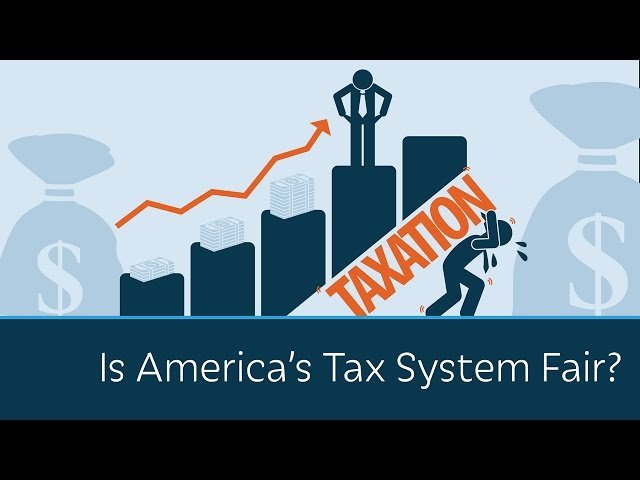
Tax reform remains a major policy discussion in the United States as economists, lawmakers, and business leaders consider how the tax system should evolve. Experts are debating how to balance economic growth, fairness, fiscal stability, and global competitiveness. Their perspectives offer insight into the policy directions that may shape future changes to corporate taxes, individual taxes, and investment incentives.
Why the Future of Tax Reform Is Under Discussion
Tax policy has always been a central component of economic policy in the United States. However, in recent years the debate over tax reform has intensified as policymakers confront changing economic conditions, rising federal debt, and growing global competition.
Economists and policy analysts are examining whether the current tax system effectively supports long-term growth while also providing sufficient government revenue. Institutions such as the Congressional Budget Office and the Tax Policy Center regularly publish research on how tax changes influence the economy, offering insights that shape public debate.
Experts generally agree that future tax reforms will need to address multiple goals simultaneously. These goals include promoting economic growth, maintaining fiscal sustainability, ensuring fairness, and keeping the United States competitive in a global economy.
Understanding how these priorities interact helps explain why tax reform proposals often involve complex trade-offs.
How Recent Reforms Shaped Today’s Debate
Current discussions about future tax reform often reference the impact of the Tax Cuts and Jobs Act, one of the most significant overhauls of the federal tax code in decades.
The law lowered the federal corporate tax rate and introduced several new provisions affecting businesses and individual taxpayers. Supporters argued that the changes would encourage investment and economic growth, while critics raised concerns about federal revenue and distributional effects.
Experts continue to analyze how these policies influenced economic activity. Their research often informs proposals for future adjustments to tax rules.
For example, analysts frequently examine how corporate tax rates influence business investment decisions and whether certain provisions should be modified or extended.
What Economists Say About Growth and Investment
One of the most common themes in tax reform discussions involves the relationship between taxation and economic growth.
Economists widely agree that tax policy can influence business investment, entrepreneurship, and productivity. However, there is ongoing debate about the magnitude of these effects.
Experts often focus on how the tax system affects investment decisions through:
- Corporate tax rates
- Capital gains taxation
- Depreciation rules for equipment and buildings
- Incentives for research and development
Research from organizations such as the National Bureau of Economic Research suggests that tax policy can influence where companies invest and how quickly they expand operations.
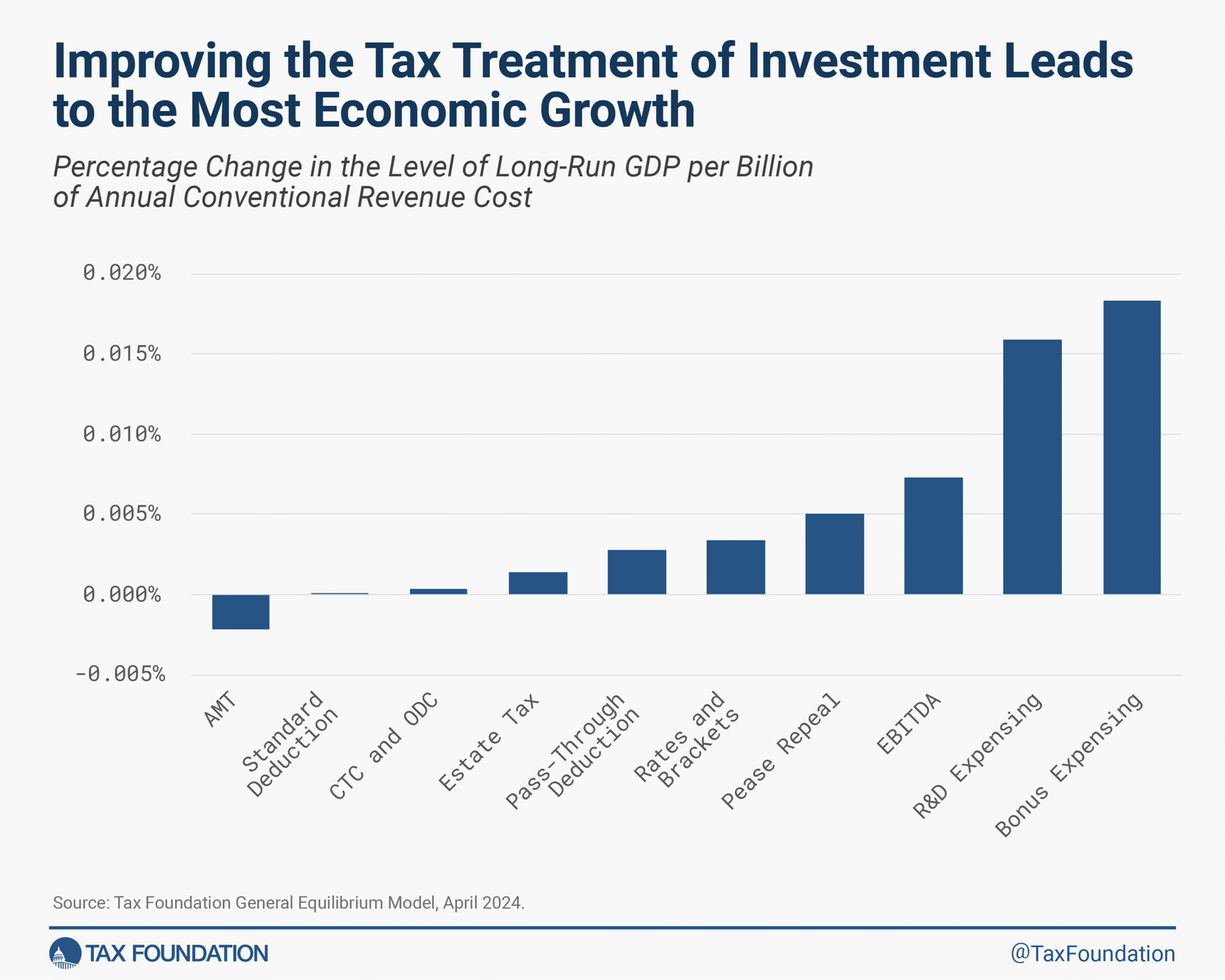
For instance, if companies can deduct investment costs more quickly through accelerated depreciation, they may be more likely to purchase new equipment or build facilities.
These incentives can contribute to higher productivity and long-term economic growth.
The Debate Over Tax Fairness
While economic growth is a major consideration, many experts also emphasize fairness in the tax system.
Fairness debates often focus on how tax burdens are distributed across income groups and whether certain forms of income receive preferential treatment.
Policy analysts frequently discuss issues such as:
- The progressivity of income tax rates
- Tax treatment of capital gains versus wages
- Tax benefits available to different industries
- The role of tax credits supporting families and workers
Studies from the Urban Institute highlight how different tax proposals can affect households across the income spectrum.
For example, adjustments to tax credits or deductions can significantly change the tax burden for middle-income families. Experts often recommend evaluating reform proposals carefully to ensure they achieve intended policy goals.
Fiscal Sustainability and Government Revenue
Another major factor shaping the future of tax reform is fiscal sustainability.
The federal government relies on tax revenue to fund public programs, including infrastructure, healthcare, and national defense. As federal spending grows, policymakers must consider whether existing tax policies generate sufficient revenue.
Projections from the Committee for a Responsible Federal Budget indicate that federal debt levels may continue rising over the coming decades without policy adjustments.
Because of this, experts often debate whether tax reforms should focus on increasing revenue, reducing deficits, or promoting growth that expands the overall tax base.
Balancing these priorities is one of the most complex challenges in tax policy.
Global Competition and Corporate Tax Policy
Experts increasingly emphasize the role of global competition in shaping tax policy.
Multinational companies can often choose where to locate operations, research facilities, and headquarters. Differences in tax policy between countries may influence these decisions.
International organizations such as the Organisation for Economic Co-operation and Development have worked to coordinate global tax standards in response to concerns about profit shifting and tax competition.
Many policy experts believe future reforms will continue to address international tax issues, including how to ensure that multinational companies pay taxes in jurisdictions where economic activity occurs.
These discussions reflect broader efforts to create a more consistent global tax framework.
The Role of Innovation and Technology
Technological change is another factor influencing the direction of tax reform.
Industries such as biotechnology, clean energy, and artificial intelligence often require significant investment in research and development. Because these projects involve risk and long time horizons, policymakers sometimes use tax incentives to encourage innovation.
Common policy tools include:
- Research and development tax credits
- Investment incentives for emerging technologies
- Tax benefits supporting advanced manufacturing
- Credits tied to renewable energy production
According to data from the National Science Foundation, businesses fund the majority of research and development activity in the United States. Tax incentives may play a role in supporting these investments.
Experts frequently debate whether these incentives should be expanded, modified, or simplified.
How Businesses and Investors View Tax Reform
Business leaders and investors often monitor tax policy closely because it directly affects financial planning.
Changes to tax rules can influence decisions such as:
- Where companies build factories or offices
- How businesses finance expansion projects
- Whether investors fund startup companies
- How firms structure international operations
Large companies typically employ tax specialists to analyze potential reforms and assess how policy changes might affect profitability.
Smaller businesses often rely on accountants or financial advisors to navigate the complexities of the tax system.
Regardless of size, most businesses view tax policy as a critical component of long-term planning.
What Policy Experts Expect in the Coming Years
Although predicting specific legislative outcomes is difficult, experts have identified several themes that may shape future tax reform discussions.
These include:
- Continued debate about corporate tax rates
- Revisions to international tax rules
- Possible adjustments to capital gains taxation
- Expansion or redesign of innovation incentives
- Efforts to simplify the tax code
Many analysts believe future reforms will involve incremental adjustments rather than sweeping overhauls.
Because the tax system affects so many aspects of the economy, policymakers often move cautiously when proposing major changes.
Frequently Asked Questions
Why is tax reform an ongoing issue in the United States?
Economic conditions change over time, and policymakers periodically review tax laws to ensure they support economic growth, fairness, and government revenue needs.
What factors influence future tax reform proposals?
Key factors include economic growth, federal debt levels, global competition, and evolving industries.
How do tax policies affect economic growth?
Tax policies can influence investment, entrepreneurship, and productivity by shaping financial incentives.
Why do experts debate corporate tax rates?
Corporate tax rates affect business investment decisions, international competitiveness, and government revenue.
How does tax reform affect households?
Changes to income tax rates, credits, and deductions can alter how much households pay in taxes.
What role does global competition play in tax policy?
Countries often adjust tax policies to attract investment and remain competitive internationally.
Are tax incentives important for innovation?
Yes. Incentives such as research and development credits can encourage companies to invest in new technologies.
Can tax reform reduce federal deficits?
Some reforms aim to increase revenue or improve efficiency, but outcomes depend on the specific policies implemented.
Why is the U.S. tax code so complex?
Over time, policymakers have added numerous provisions to address different policy goals, increasing complexity.
Preparing for Potential Changes to the Tax System
While the exact direction of tax reform remains uncertain, individuals and businesses can prepare by staying informed about policy discussions.
Helpful steps include:
- Monitoring legislative developments related to taxation
- Consulting financial professionals about long-term planning
- Reviewing eligibility for tax credits and deductions
- Evaluating how potential reforms may affect investment decisions
By understanding how tax policy evolves, organizations and households can make more informed financial choices.
Signals from Today’s Expert Debate
The discussions taking place among economists, policymakers, and industry leaders reveal the complexity of designing effective tax policy.
Future reforms will likely attempt to balance several objectives at once: encouraging economic growth, maintaining fairness, generating government revenue, and responding to global economic competition.
While there is no single consensus about the ideal structure of the tax system, expert analysis provides valuable insight into the policy directions under consideration.
Understanding these perspectives helps individuals and businesses interpret policy proposals and anticipate how the tax system may evolve in the years ahead.
Core Insights from Expert Perspectives on Tax Reform
- Tax reform debates often center on balancing growth, fairness, and fiscal sustainability.
- Corporate tax policies influence investment decisions and global competitiveness.
- Innovation incentives remain an important component of economic policy.
- Fiscal pressures are driving renewed attention to government revenue.
- Future reforms are likely to involve incremental changes rather than sweeping overhauls.