Reliable wealth-building paths in the United States rarely involve dramatic financial wins. Data from the Federal Reserve, Vanguard, Fidelity, and other institutions shows that consistent saving, long-term investing, retirement plan participation, home equity accumulation, and controlled debt are among the most dependable strategies. Over decades, disciplined financial habits and diversified assets tend to produce the most stable wealth outcomes.
What the Data Actually Shows About Wealth Building
Public conversations about wealth often focus on exceptional stories—entrepreneurs who built billion-dollar companies or investors who made extraordinary trades. Yet the data on household finances in the United States paints a much quieter picture.
According to the Federal Reserve’s Survey of Consumer Finances, the majority of wealth among middle- and upper-income households is built through three primary asset categories:
- Retirement accounts
- Home equity
- Long-term investment portfolios
These assets typically grow slowly over time rather than appearing suddenly.
In practice, the most reliable wealth-building paths are not speculative. Instead, they rely on disciplined financial behaviors repeated over many years.
Understanding these patterns can help individuals focus on strategies that have historically produced stable financial progress.
Retirement Accounts: One of the Most Powerful Wealth Builders
Among all financial tools available to American workers, retirement accounts remain one of the most consistently effective.
Employer-sponsored plans such as 401(k)s and 403(b)s provide several advantages that support long-term wealth accumulation.
These advantages include:
- Tax-deferred or tax-free investment growth
- Employer matching contributions
- Automatic payroll deductions
- Long investment time horizons
Research from Vanguard’s annual “How America Saves” report shows that millions of American workers steadily accumulate significant retirement balances simply by contributing regularly and remaining invested.
A typical example might involve an employee contributing 10–15% of income into a retirement plan over several decades. Combined with employer matching and long-term market growth, this disciplined approach can create substantial retirement savings.
The key insight from the data is that consistency often matters more than investment complexity.
Home Ownership and the Role of Equity
Home ownership represents another major contributor to household wealth in the United States.
While housing markets fluctuate over time, homeowners often build wealth gradually as they pay down mortgage balances and benefit from long-term property appreciation.
The U.S. Census Bureau reports that homeowners typically have significantly higher net worth than renters, partly due to the accumulation of home equity.
Home equity grows through two mechanisms:
- Mortgage principal payments over time
- Property value appreciation
For example, a household purchasing a home with a fixed-rate mortgage gradually converts monthly payments into ownership. Over 20–30 years, this process can create one of the largest assets in a household’s balance sheet.
Home ownership also tends to encourage long-term financial stability because housing costs often become more predictable over time compared with rental markets.
Long-Term Stock Market Participation
Another wealth-building path consistently supported by data is long-term participation in equity markets.
Historically, the U.S. stock market has produced positive returns over extended periods despite short-term volatility.
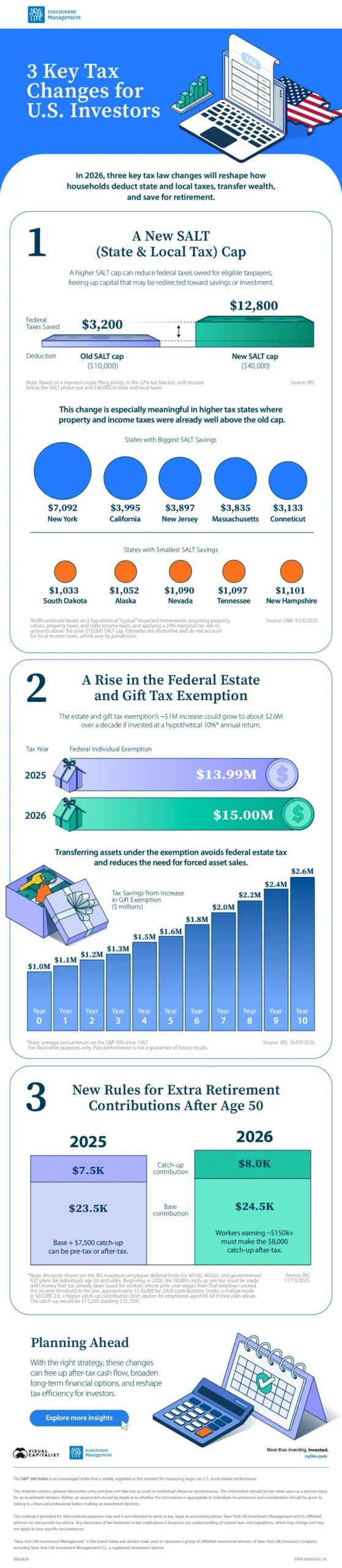
According to S&P Dow Jones Indices, the S&P 500 has delivered average annual returns of roughly 9–10% over long historical periods before inflation.
Long-term investors typically participate in markets through diversified investment vehicles such as:
- Index funds
- Exchange-traded funds (ETFs)
- Mutual funds
- Retirement plan investment options
Financial research consistently shows that investors who remain invested through market cycles often experience better outcomes than those who frequently attempt to time market movements.
Consistency and diversification appear to be key factors in these outcomes.
The Role of Savings Rates in Wealth Accumulation
Another strong predictor of long-term wealth is the savings rate.
Simply put, households that consistently save a meaningful portion of their income tend to accumulate assets more rapidly.
Many financial planners recommend targeting a savings rate between 15% and 20% of income, particularly when retirement goals are included.
Common saving channels include:
- Retirement contributions
- Brokerage investment accounts
- High-yield savings accounts
- Education savings plans
The data suggests that individuals who gradually increase their savings rate as income rises often make the most significant long-term financial progress.
This approach avoids the trap of lifestyle inflation, where higher earnings automatically translate into higher spending.
Investment Costs and Their Long-Term Impact
Another important factor revealed by financial research is the influence of investment costs.
Even modest fees can reduce investment returns over long periods.
For instance, an annual difference of just one percentage point in investment expenses can significantly alter long-term portfolio outcomes over 30 or 40 years.
Because of this, many experienced investors prefer low-cost index funds and diversified ETFs.
Research from Morningstar consistently finds that lower-cost funds are more likely to outperform higher-cost alternatives over time.
Reducing costs allows more investment returns to remain within a portfolio, where they can continue compounding.
Diversification and Risk Management
Data also suggests that diversification plays an important role in long-term financial success.
Rather than concentrating investments in a single asset or industry, diversified portfolios distribute investments across multiple sectors and asset classes.
A diversified portfolio may include:
- U.S. equities
- International stocks
- Bonds
- Real estate investments
- Cash reserves
Diversification does not eliminate risk entirely, but it helps reduce the impact of major losses in any single investment category.
Research from Vanguard shows that diversified portfolios often produce more stable long-term performance compared with highly concentrated investments.
For individuals seeking steady financial progress, this stability can be more valuable than chasing unusually high short-term returns.
The Importance of Avoiding High-Interest Debt
Another clear pattern in wealth-building data involves debt management.
High-interest consumer debt—particularly credit card balances—can significantly slow financial progress.
Interest rates on such debt often exceed the long-term average returns of many investments.
As a result, households that prioritize reducing high-interest obligations tend to experience stronger financial stability over time.
Common strategies include:
- Paying more than the minimum balance each month
- Targeting the highest-interest debt first
- Consolidating debt where appropriate
- Avoiding unnecessary borrowing
Once high-interest debt is reduced, the funds previously used for payments can be redirected toward savings and investments.
Emergency Funds and Financial Resilience
Wealth building is not only about growing assets. It is also about protecting financial progress.
Unexpected expenses can disrupt investment plans if households are forced to withdraw long-term investments prematurely.
For this reason, many financial advisors recommend maintaining an emergency fund separate from investment accounts.
Typical guidelines suggest maintaining three to six months of essential living expenses in liquid savings.
This financial buffer allows individuals to handle unexpected events without interrupting long-term investment strategies.
The Influence of Time and Compounding
Perhaps the most consistent theme across all wealth-building data is the importance of time.
Compounding allows investments to grow exponentially as earnings generate additional earnings.
For example, an investment portfolio earning modest annual returns over several decades can grow far beyond the original contributions.
Because of this dynamic, individuals who begin saving and investing earlier often experience significantly greater financial growth.
Time, consistency, and discipline combine to create outcomes that may not appear dramatic in the short term but become substantial over longer periods.
Frequently Asked Questions
What is the most reliable way to build wealth in America?
Consistent saving, long-term investing, retirement account participation, and home equity accumulation are among the most reliable wealth-building paths.
How important are retirement accounts?
Retirement accounts are one of the most effective tools due to tax advantages, employer matches, and long investment horizons.
Is home ownership necessary for wealth building?
Home ownership is a common path to wealth, but it is not the only one. Investments and retirement accounts can also play major roles.
How much should someone save annually?
Many financial planners recommend saving 15–20% of income when possible.
Do stock market investments always grow?
Markets fluctuate in the short term, but historically they have produced positive returns over long time periods.
Why are low-cost investments recommended?
Lower fees allow investors to retain more of their returns over time.
How large should an emergency fund be?
Most financial advisors recommend three to six months of essential expenses.
What role does diversification play in investing?
Diversification spreads risk across multiple assets, reducing exposure to losses in any single investment.
Can people build wealth with moderate incomes?
Yes. Many households build wealth gradually through disciplined saving and investing.
Why does time matter so much in investing?
Time allows compounding to amplify investment growth, which is why early and consistent investing is often recommended.