Consistently wealthy Americans rarely rely on luck or sudden windfalls. Instead, they follow repeatable financial behaviors—investing early, managing risk carefully, prioritizing long-term goals, and making deliberate spending decisions. Research from institutions like the Federal Reserve and Vanguard shows that wealth tends to grow through discipline, time, and diversification rather than speculation or high income alone.
Wealth in America Is More About Habits Than Income
Many people assume wealth is primarily a result of high salaries or entrepreneurial breakthroughs. While income certainly matters, research shows that financial behavior plays an even larger role in long-term wealth accumulation.
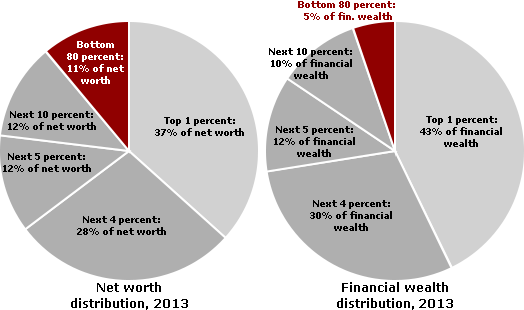
According to data from the Federal Reserve’s Survey of Consumer Finances, the median net worth of American households has grown steadily over time, but wealth distribution varies widely depending on saving habits, investment participation, and financial planning.
Consistently wealthy Americans often share a set of patterns in how they handle money. These habits typically develop gradually and remain stable over decades.
Rather than focusing on short-term gains or financial trends, they prioritize sustainable financial systems that allow wealth to compound steadily.
They Invest Early and Stay Invested
One of the most consistent patterns among financially successful households is long-term participation in investment markets.
Data from Vanguard and Fidelity retirement studies consistently shows that investors who stay invested over decades tend to outperform those who frequently move in and out of markets.
Long-term investors understand that:
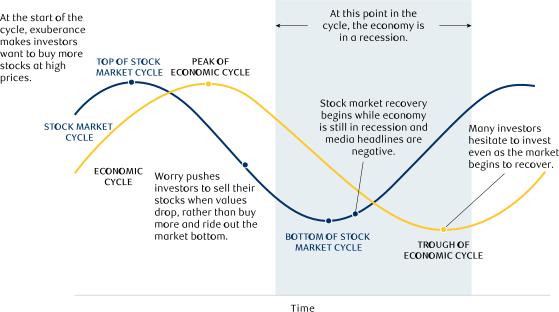
- Markets rise and fall in cycles
- Time in the market generally matters more than timing the market
- Compounding becomes powerful over multiple decades
For example, someone investing $500 monthly starting at age 25 may accumulate significantly more wealth by retirement than someone investing larger amounts starting at 40. The difference is not simply the contribution—it’s the extra years of compounding growth.
Consistently wealthy individuals rarely treat investing as speculation. Instead, they see it as a long-term ownership stake in productive assets.
They Build Systems Instead of Relying on Discipline
Many people approach money through occasional decisions—saving when possible or investing when they remember. Wealthy households often take a different approach.
They design automated financial systems that make good decisions happen consistently.
Common examples include:
- Automatic retirement contributions
- Scheduled transfers into brokerage accounts
- Regular investment into diversified funds
- Mortgage or debt payments structured to fit long-term plans
Automation reduces emotional decision-making and ensures that saving and investing happen regardless of market headlines or temporary expenses.
Over time, these small automated decisions create substantial financial momentum.
They Focus on Net Worth, Not Just Income
High income does not necessarily translate into wealth. Many high earners also carry high spending obligations, leaving little room for long-term investment.
Consistently wealthy Americans tend to measure success differently. Instead of focusing solely on earnings, they track net worth—the total value of assets minus liabilities.
Assets commonly prioritized include:
- Retirement accounts such as 401(k)s and IRAs
- Taxable investment portfolios
- Real estate holdings
- Business ownership stakes
Liabilities, on the other hand, are managed carefully. Wealthy households often aim to avoid high-interest consumer debt, particularly credit card balances that can erode financial progress.
This focus shifts attention from lifestyle spending to long-term financial growth.
They Diversify Across Multiple Asset Types
Diversification is one of the most widely recommended investment strategies—and consistently wealthy Americans tend to follow it closely.
Instead of concentrating wealth in a single investment, they typically spread assets across multiple categories.
Common diversification strategies include:
- Broad stock market index funds
- Bonds or fixed-income securities
- Real estate investments
- International market exposure
- Retirement accounts with tax advantages
Diversification reduces the risk that a single market downturn could significantly damage a household’s financial position.
It also allows investors to participate in multiple sources of economic growth over time.
They Make Lifestyle Decisions That Support Wealth
Wealth often grows not through extreme frugality but through intentional lifestyle choices.
Consistently wealthy Americans frequently make decisions that keep long-term expenses manageable.
Examples include:
- Choosing homes that fit comfortably within their budget
- Avoiding rapid lifestyle inflation after income increases
- Prioritizing experiences and stability over status purchases
- Planning major expenses well in advance
This approach creates more room for saving and investing without requiring severe spending restrictions.
Research from Thomas J. Stanley’s studies on millionaires—often referenced in personal finance literature—has found that many affluent households actually live below their means relative to income.
They Prioritize Tax Efficiency
Taxes can significantly affect long-term investment outcomes. As a result, wealthy households often pay close attention to tax strategy.
This does not mean aggressive tax avoidance. Instead, it typically involves using available legal structures effectively.
Examples include:
- Contributing regularly to tax-advantaged retirement accounts
- Holding investments long enough to qualify for lower capital gains tax rates
- Placing income-producing assets in tax-efficient accounts
- Coordinating withdrawals during retirement to manage tax brackets
Even modest improvements in tax efficiency can make a noticeable difference over decades of investing.
They Treat Financial Planning as an Ongoing Process
Another important difference is how wealthy Americans approach financial planning.
Rather than setting goals once and forgetting them, they review their financial situation regularly.
This might include:
- Annual net-worth tracking
- Portfolio rebalancing
- Reviewing retirement projections
- Adjusting investment allocations as life circumstances change
Major life events—such as starting a business, purchasing property, or planning retirement—often prompt deeper financial review.
Many households also consult financial planners or tax professionals to ensure their strategies remain aligned with long-term goals.
They Avoid High-Risk Speculation
While media coverage often highlights dramatic investment successes, consistently wealthy households rarely rely on speculative strategies.
Instead, they tend to avoid:
- Concentrated bets on individual stocks
- Frequent trading based on market news
- Short-term speculative assets
- Financial decisions driven by fear or hype
This approach reduces the likelihood of major financial setbacks.
Over decades, avoiding large losses can be just as important as achieving strong gains.
They Think in Decades, Not Months
Perhaps the most important difference lies in time horizon.
Consistently wealthy Americans tend to view financial decisions through a long-term lens.
A retirement portfolio might be planned across 30–40 years. A real estate purchase may be evaluated over decades of ownership.
This perspective influences everyday financial decisions, including:
- Investment choices
- Career planning
- Spending priorities
- Risk tolerance
The result is a financial strategy designed to endure through economic cycles rather than react to them.
Frequently Asked Questions
What habits do wealthy Americans have with money?
Wealthy households typically prioritize long-term investing, diversified portfolios, controlled spending, and consistent saving. They also track net worth and use tax-efficient strategies to support long-term growth.
Do wealthy Americans invest differently than average investors?
Research suggests that wealthy investors tend to favor diversified portfolios, long-term market participation, and tax-advantaged accounts rather than speculative trading.
Is a high income necessary to build wealth?
Not necessarily. While income helps, consistent saving, disciplined investing, and controlled spending often matter more over long time horizons.
What percentage of income should be invested?
Financial planners often recommend investing 10–20% of income when possible, though the appropriate amount varies based on age, goals, and financial obligations.
Do wealthy Americans use financial advisors?
Many do, particularly when managing complex portfolios, tax planning, or retirement strategies. However, others follow low-cost index investing approaches independently.
Why is diversification important for building wealth?
Diversification spreads investments across different asset classes, reducing the risk that one market downturn could significantly damage overall wealth.
How important is starting early?
Starting early significantly increases the benefits of compounding. Even modest contributions can grow substantially when invested over several decades.
Do wealthy people avoid debt entirely?
Not always. Many wealthy individuals use strategic debt—such as mortgages or business financing—but typically avoid high-interest consumer debt.
What role does real estate play in wealth building?
Real estate can provide both appreciation and income, making it a common component of diversified wealth portfolios.
How often should financial plans be reviewed?
Most financial professionals recommend reviewing plans at least once per year or after major life changes.