Summary
Behavioral economists argue that wealth building is shaped less by complex strategies and more by everyday human behavior. Research shows that habits such as automation, consistent investing, delayed gratification, and avoiding emotional decision-making strongly influence long-term financial outcomes. Understanding common behavioral biases—and designing systems that reduce their impact—can help individuals make more reliable financial decisions over time.
Understanding the Behavioral Side of Wealth
Traditional economic theory assumes that people make rational financial decisions. Behavioral economics challenges this idea. Researchers in this field study how psychological tendencies, emotions, and cognitive shortcuts influence financial behavior.
In practice, most wealth-building decisions—saving for retirement, investing consistently, avoiding unnecessary debt—are influenced by habits rather than perfectly calculated logic.
Behavioral economists such as Richard Thaler and Daniel Kahneman have shown that small psychological biases can compound over time in the same way money compounds. When individuals create systems that reduce poor decisions and reinforce good habits, their long-term financial outcomes often improve significantly.
For Americans navigating retirement savings, housing costs, student debt, and investment markets, these behavioral insights can provide a practical framework for building financial stability.
Why Habits Matter More Than Financial Knowledge
One of the most consistent findings in behavioral finance research is that knowledge alone rarely determines financial success. Many people understand the basics of saving and investing but struggle to maintain consistent behavior.
Behavioral economists emphasize that habit formation and structural systems often matter more than knowing the “right” strategy.
For example, two individuals may both understand the benefits of long-term investing. The person who automatically contributes to a retirement account every month is far more likely to build wealth than someone who intends to invest but repeatedly delays the decision.
Several factors explain this gap between knowledge and action:
- Present bias (favoring immediate rewards over long-term benefits)
- Decision fatigue from too many financial choices
- Emotional reactions to market fluctuations
- Procrastination in setting up financial systems
Research from the National Bureau of Economic Research suggests that automatic enrollment in retirement plans dramatically increases participation rates, highlighting how systems can overcome behavioral barriers.
The Power of Automatic Financial Systems
Automation is one of the most frequently recommended behavioral strategies for wealth building. When financial actions happen automatically, they require less mental effort and are less likely to be interrupted by daily distractions.
Behavioral economists often describe this as “choice architecture.” By designing environments where good financial decisions happen by default, individuals reduce the need for constant self-discipline.
Common automated systems include:
- Automatic contributions to 401(k) or IRA accounts
- Automatic transfers to savings accounts
- Scheduled investment contributions to brokerage accounts
- Automatic debt payments
These systems convert financial goals into routine processes.
A widely cited study found that automatic 401(k) enrollment increased participation from roughly 49% to over 85% in some employer plans, demonstrating how default options strongly influence behavior.
Instead of relying on motivation or willpower, automation allows wealth-building actions to occur consistently.
Present Bias and the Challenge of Long-Term Thinking
One of the central concepts in behavioral economics is present bias, the tendency to prioritize immediate rewards over long-term benefits.
This bias explains why many people struggle to save for retirement even when they fully understand its importance.
Saving for retirement involves sacrificing spending today for a benefit that may occur decades later. The human brain is naturally wired to value immediate outcomes more strongly than distant ones.
Behavioral economists suggest several techniques to counteract present bias:
- Framing savings as paying your future self
- Setting up automatic contributions
- Increasing savings gradually rather than all at once
- Creating visible progress toward financial goals
Programs such as automatic contribution escalation in retirement plans—where savings rates increase slightly each year—have proven effective because they reduce the psychological burden of making large decisions.

How Mental Accounting Influences Spending and Saving
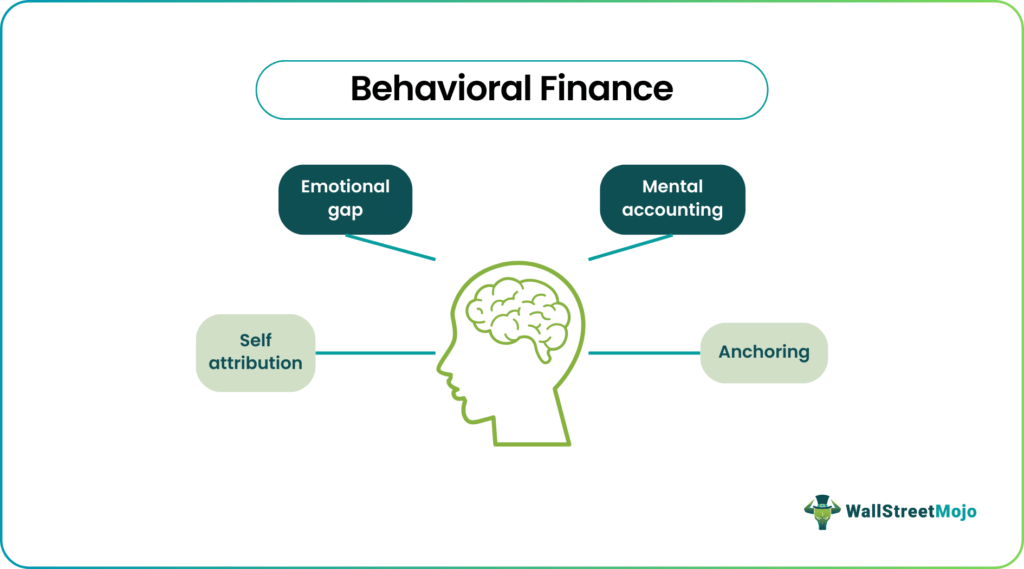
Behavioral economists use the term mental accounting to describe how people categorize money into separate “buckets” in their minds.
For example, someone may treat a tax refund differently from their regular paycheck, even though both are simply income.
This mental accounting can lead to both helpful and harmful behaviors.
When used intentionally, it can support financial discipline. For example:
- Maintaining separate savings accounts for emergencies, travel, or retirement
- Allocating a specific percentage of income to investments
- Creating spending limits within categories
However, mental accounting can also create inefficiencies. For instance, a household may keep money in low-interest savings while carrying high-interest credit card debt.
Behavioral economists recommend designing financial systems that align these mental categories with long-term goals.
Loss Aversion and Investment Decisions
Another key behavioral concept affecting wealth building is loss aversion.
Research by Daniel Kahneman and Amos Tversky found that people feel the pain of losses more strongly than the pleasure of equivalent gains. In investing, this can lead to decisions driven by fear rather than strategy.
Common behaviors linked to loss aversion include:
- Selling investments during market downturns
- Avoiding stock market participation altogether
- Holding losing investments too long
Historical market data shows that investors who exit markets during downturns often miss significant recovery periods.
Behavioral economists therefore encourage strategies that reduce emotional decision-making, such as:
- Diversified portfolios
- Long-term investment plans
- Regular automated contributions
- Limiting frequent portfolio monitoring
These approaches help investors stay focused on long-term outcomes rather than short-term fluctuations.
The Role of Social Norms in Financial Behavior
Human behavior is strongly influenced by social environments. Behavioral economists have found that perceptions of what others are doing can significantly affect financial decisions.
For example, employees are more likely to contribute to retirement plans if they know that most of their coworkers participate.
Similarly, individuals often adjust their spending habits based on perceived social expectations, sometimes leading to higher consumption and lower savings.
Understanding this influence allows individuals to reshape their environment in ways that support financial goals. This may include:
- Surrounding themselves with financially responsible peers
- Consuming educational financial content
- Participating in financial accountability groups
When positive financial behaviors become part of a social norm, they become easier to maintain.
Simplifying Financial Decisions Reduces Mistakes
Complexity often leads to inaction. Behavioral economists have repeatedly found that people delay financial decisions when they feel overwhelmed by too many options.
This is particularly evident in retirement planning and investment selection.
Simplifying decisions can help individuals move forward more consistently.
Examples of simplification strategies include:
- Using diversified index funds instead of complex portfolios
- Limiting the number of investment accounts
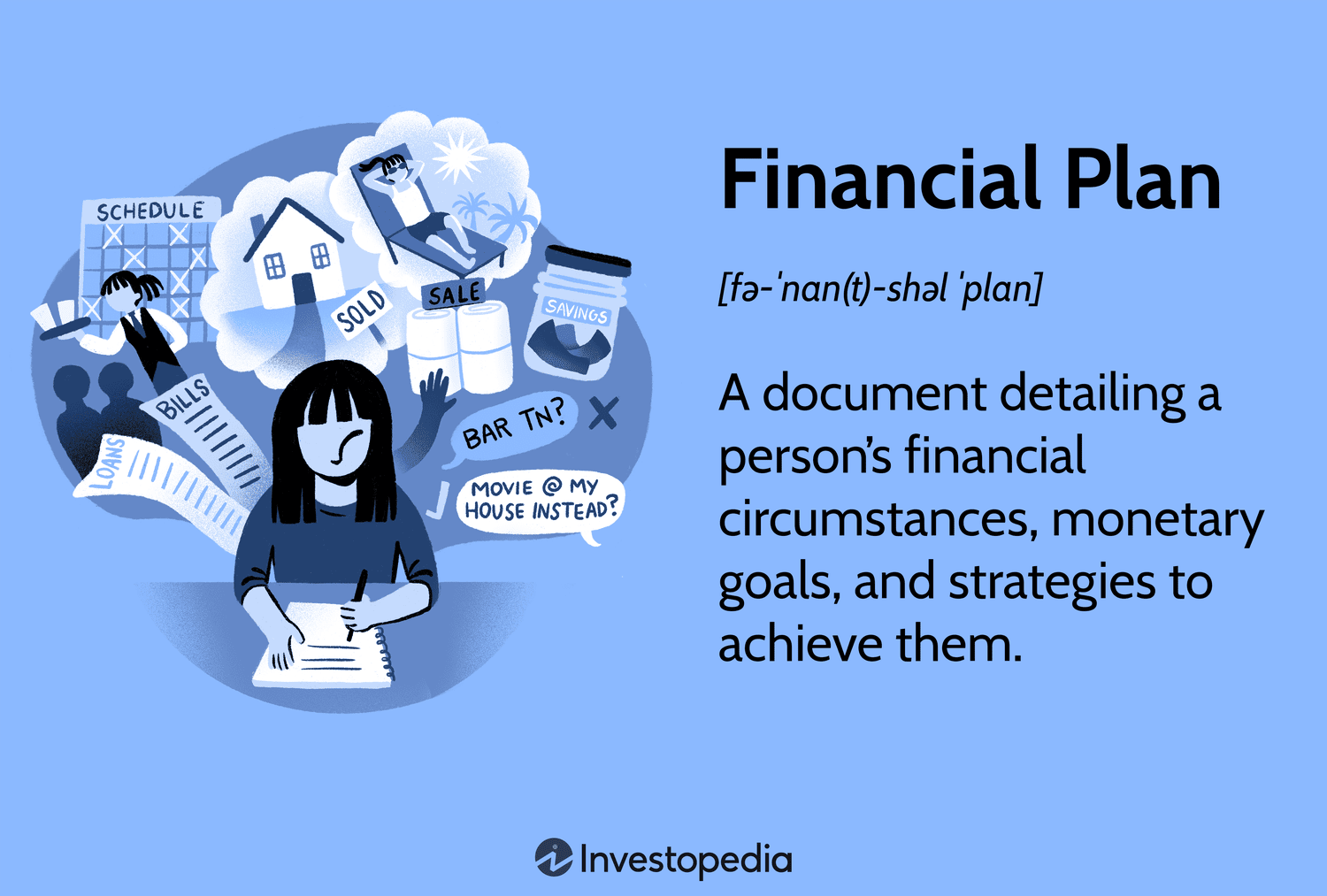
- Creating a written financial plan
- Establishing clear rules for savings and spending
The goal is not to eliminate thoughtful planning but to reduce the number of recurring decisions required.
When financial systems are simple, they are easier to maintain over decades.
What Wealth Builders Often Do Differently
Behavioral economics research suggests that individuals who build wealth over time often rely on structured habits rather than constant financial decision-making.
These habits typically include:
- Consistent saving regardless of market conditions
- Automatic investing
- Maintaining emergency savings
- Avoiding impulsive financial decisions
- Focusing on long-term goals
While income and opportunity play significant roles in wealth accumulation, behavioral patterns frequently determine how effectively individuals use those opportunities.

Frequently Asked Questions
What is behavioral economics in personal finance?
Behavioral economics studies how psychological factors influence financial decisions. In personal finance, it explains why people sometimes make choices that conflict with long-term financial goals.
Why do people struggle to save money even when they understand its importance?
Behavioral economists point to factors such as present bias, procrastination, and decision fatigue, which make long-term financial decisions more difficult to prioritize.
How does automation help build wealth?
Automation removes the need for repeated decisions by automatically transferring money into savings or investment accounts, making consistent behavior easier.
What is loss aversion?
Loss aversion is the tendency for people to feel losses more strongly than gains, often leading to emotional investment decisions during market downturns.
What is mental accounting?
Mental accounting refers to the way people categorize money into separate mental “buckets,” which can influence spending and saving behavior.
Do behavioral habits matter more than investment strategy?
In many cases, consistent habits—such as regular investing and avoiding emotional decisions—have a larger impact on long-term outcomes than complex strategies.
Can behavioral biases be reduced?
Yes. Systems such as automation, simplified financial plans, and long-term investment frameworks can reduce the influence of biases.
Why do retirement plans use automatic enrollment?
Automatic enrollment increases participation rates by making saving the default option rather than requiring individuals to actively enroll.
How does social influence affect financial behavior?
People often adjust their financial habits based on what they believe others are doing, which can either support or hinder wealth building.
What is the most practical behavioral strategy for building wealth?
Many experts emphasize creating automated savings and investment systems that operate consistently regardless of short-term emotions.
Designing Financial Habits That Work With Human Behavior
Behavioral economics does not claim that wealth building is easy or identical for everyone. Economic conditions, income levels, and access to financial resources all play major roles.
However, research consistently shows that small behavioral adjustments can meaningfully influence long-term outcomes.
Rather than relying on perfect discipline, individuals often benefit from designing systems that guide behavior automatically. Automation, simplified decision structures, and long-term planning frameworks help reduce the impact of biases that affect everyday financial choices.
Over time, these systems allow consistent financial actions to accumulate—often producing results that align with long-term financial goals.
Key Behavioral Insights at a Glance
- Financial habits often matter more than financial knowledge
- Automation can significantly improve saving and investing consistency
- Present bias encourages short-term spending over long-term saving
- Loss aversion can lead to emotional investment decisions
- Simplified financial systems reduce decision fatigue
- Social environments influence financial behaviors
- Structured habits help individuals maintain long-term financial progress