Summary
Investors, economists, and policymakers closely analyze economic data before each Federal Reserve policy meeting. Inflation trends, employment strength, consumer spending, financial conditions, and global risks all influence the Fed’s interest-rate decisions. Understanding what analysts watch—particularly signals from inflation data and labor markets—helps businesses, investors, and households anticipate potential policy shifts and economic impacts.
Why Federal Reserve Meetings Matter to the U.S. Economy
Every Federal Reserve policy meeting is closely monitored because the decisions made by the Federal Open Market Committee (FOMC) influence borrowing costs, financial markets, and economic momentum across the United States.
When the Fed adjusts the federal funds rate, the ripple effects reach mortgage rates, credit card interest, business loans, corporate investment decisions, and even hiring strategies. For households, this can mean higher car payments or changes in mortgage affordability. For businesses, it can determine whether expansion plans move forward or pause.
Analysts and economists spend weeks leading up to each meeting examining economic signals. Their goal is not only to predict whether the Fed will raise, cut, or hold interest rates, but also to interpret the central bank’s broader outlook on inflation and economic growth.
Recent years have made these meetings even more consequential. Following the inflation surge that began in 2021, the Fed implemented one of the most aggressive rate-hiking cycles in decades. As inflation gradually cools but remains above the Fed’s 2% target, markets are highly sensitive to every new data point.
Inflation Trends: The Fed’s Primary Focus
Inflation remains the most important factor influencing Federal Reserve policy decisions.
The central bank’s mandate includes price stability, and persistent inflation pressures typically push policymakers toward higher interest rates. Conversely, convincing evidence that inflation is declining toward the 2% target can open the door to rate cuts.
Analysts typically focus on several key inflation indicators:
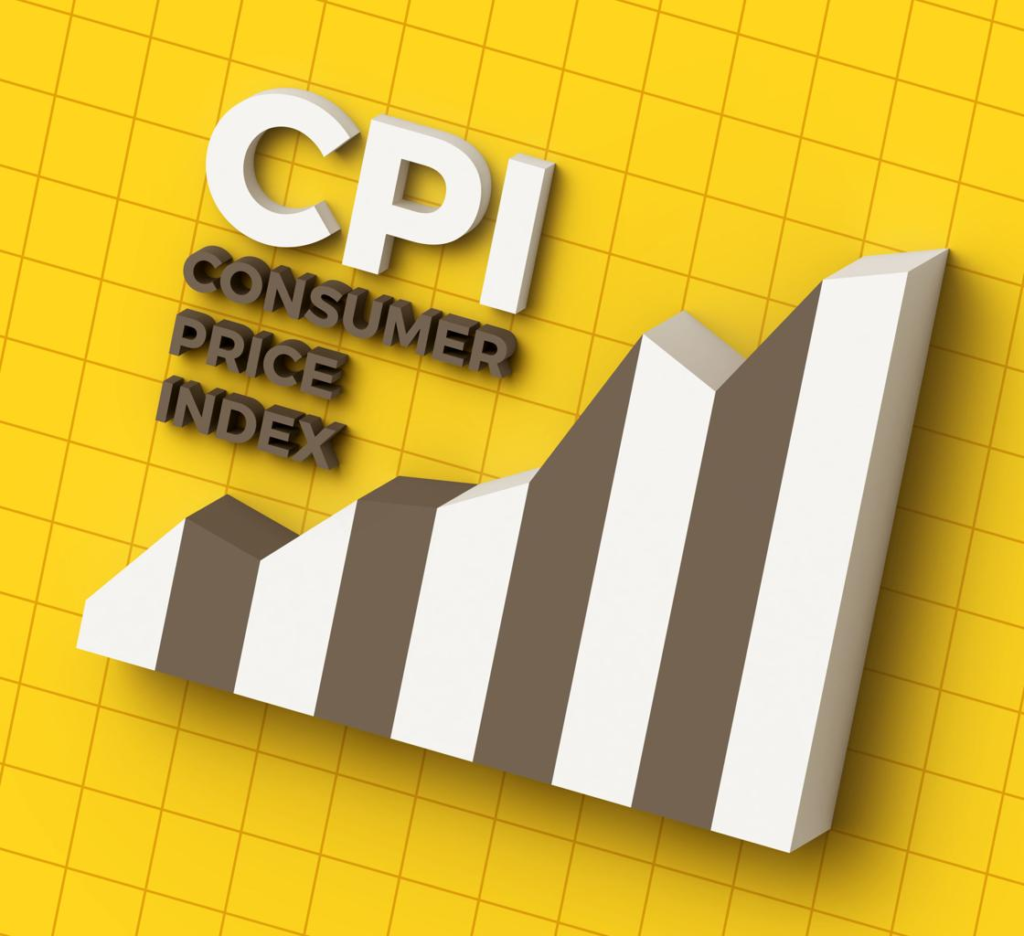
- Consumer Price Index (CPI) – Measures price changes for everyday goods and services.
- Personal Consumption Expenditures (PCE) – The Fed’s preferred inflation gauge.
- Core inflation metrics – Exclude volatile food and energy prices.
- Services inflation – Particularly important because it tends to be more persistent.
For example, if core PCE inflation remains above 3% while wage growth stays elevated, analysts may expect the Fed to maintain restrictive policy longer.
Even small surprises in inflation data can reshape expectations dramatically. In recent years, single CPI reports have moved stock markets, Treasury yields, and mortgage rates within minutes of release.
Labor Market Strength and Wage Growth
The Fed’s other core mandate is maximum employment. Because of this, analysts closely examine labor market data before each policy meeting.
A strong labor market—low unemployment, strong hiring, and rising wages—can support economic growth but also risk fueling inflation.
Key employment indicators analysts watch include:
- Monthly nonfarm payrolls
- Unemployment rate
- Average hourly earnings
- Job openings (JOLTS report)
- Labor force participation rate
If job growth remains strong and wage growth exceeds productivity gains, policymakers may worry that inflation pressures could reaccelerate.
For instance, if employers continue adding more than 200,000 jobs per month while wage growth remains above 4%, many analysts interpret that as a sign the economy is still running hot.
However, sudden cooling in the labor market—such as rising unemployment claims or slowing hiring—can shift expectations toward potential rate cuts.
Consumer Spending and Economic Momentum
Consumer spending drives roughly two-thirds of U.S. economic activity. Because of that, analysts closely evaluate signs of strength or weakness in household demand.
Several indicators offer insights into consumer behavior:
- Retail sales data
- Personal income and spending reports
- Credit card usage trends
- Consumer confidence surveys
- Holiday shopping results
Strong spending can signal economic resilience but also raise concerns that inflation may remain elevated.
For example, analysts noted that consumer spending stayed surprisingly robust during periods when interest rates were already high. That resilience partly explains why the Fed maintained tighter policy longer than many initially expected.
On the other hand, a noticeable slowdown in discretionary spending—travel, restaurants, and entertainment—may suggest that higher borrowing costs are finally weighing on household budgets.
Financial Conditions and Market Signals
Beyond economic data, the Federal Reserve also monitors financial conditions across markets.
Financial conditions refer broadly to how easy or difficult it is for businesses and households to access credit. Analysts therefore watch several indicators that influence overall economic activity.
Important financial indicators include:
- Treasury bond yields
- Mortgage rates
- Corporate credit spreads
- Stock market performance
- Bank lending standards
When financial conditions tighten significantly—such as sharply rising yields or stricter bank lending—economic activity can slow even without additional rate hikes.
Conversely, if financial markets rally and borrowing costs fall, the Fed may worry that easier conditions could undermine its efforts to reduce inflation.
This dynamic explains why analysts carefully interpret comments from Fed officials about “financial conditions” in speeches and press conferences.
Federal Reserve Communication and Forward Guidance
Policy signals often appear long before the actual meeting through speeches, interviews, and official statements from Federal Reserve officials.
Economists and market analysts carefully analyze remarks from Fed governors and regional bank presidents to gauge how policymakers are interpreting incoming data.
Key elements analysts watch include:
- Tone shifts in speeches
- Changes in policy language
- The “dot plot” interest-rate projections
- Press conference remarks by the Fed chair
The dot plot, released quarterly, shows where policymakers expect interest rates to be in future years. Even small changes can shift market expectations significantly.
For example, if more policymakers project fewer rate cuts than previously expected, markets may interpret that as a sign the Fed plans to keep policy restrictive longer.
Global Economic Risks and Geopolitical Factors
While the Federal Reserve primarily focuses on domestic economic conditions, global developments can influence policy decisions.
Economic shocks abroad can affect U.S. financial markets, trade, and inflation trends.
Analysts often monitor:
- Global growth trends in Europe and China
- Energy price volatility
- Currency fluctuations
- Geopolitical tensions affecting supply chains
For example, disruptions to global shipping routes or major commodity price spikes could reignite inflation pressures.
Similarly, weakness in major global economies may dampen demand for U.S. exports and slow domestic growth.
Because the U.S. financial system is deeply connected to global markets, policymakers increasingly consider these external risks when shaping monetary policy.
What Markets Expect vs. What the Fed Signals
One of the most closely watched dynamics ahead of Fed meetings is the gap between market expectations and policymakers’ guidance.
Financial markets frequently price in expected rate cuts or hikes months in advance through futures markets. However, the Fed does not always validate those expectations.
Analysts therefore track:
- Fed funds futures probabilities
- Treasury yield curve movements
- Market reactions to Fed speeches
When markets expect aggressive rate cuts but policymakers signal patience, volatility can increase. Conversely, if inflation falls faster than expected, markets may quickly shift toward anticipating easing.
This constant adjustment between expectations and policy signals is why Fed meetings often trigger significant market reactions.
Real-World Impact: What Businesses and Households Should Watch
Although Federal Reserve meetings can seem abstract, the outcomes influence everyday financial decisions.
For businesses, interest rates affect investment decisions, hiring plans, and access to financing. Companies with high debt levels are particularly sensitive to rate changes.
Households experience these impacts through:
- Mortgage rates
- Credit card interest
- Auto loan costs
- Savings account yields
- Investment portfolio performance
For example, a sustained period of high interest rates can reduce housing affordability and slow home sales. At the same time, savers may benefit from higher yields on savings accounts and Treasury securities.
Understanding the indicators analysts monitor can therefore help individuals anticipate potential shifts in borrowing costs and economic conditions.
Frequently Asked Questions
Why does the Federal Reserve raise or lower interest rates?
The Fed adjusts rates primarily to control inflation and stabilize economic growth. Higher rates slow spending and borrowing, while lower rates stimulate economic activity.
How often does the Federal Reserve meet?
The Federal Open Market Committee typically meets eight times per year to review economic conditions and set monetary policy.
What is the federal funds rate?
It is the interest rate at which banks lend reserves to one another overnight. Changes in this rate influence many other borrowing costs across the economy.
What inflation measure does the Fed prefer?
The Fed generally focuses on the Personal Consumption Expenditures (PCE) price index, particularly the core PCE measure.
Can the Fed cut rates if inflation is still above target?
Yes, but typically only if economic growth slows significantly or the labor market weakens sharply.
Why do stock markets react strongly to Fed meetings?
Interest rates affect corporate profits, borrowing costs, and investor valuations, making monetary policy a major market driver.
What is the “dot plot” in Federal Reserve communications?
It is a chart showing policymakers’ projections for future interest rates, offering insight into the Fed’s outlook.
Do global events influence Federal Reserve decisions?
Yes. Global economic conditions can affect inflation, supply chains, financial markets, and U.S. economic stability.
How quickly do rate changes affect the economy?
The effects typically take several months to more than a year to fully influence economic activity.
Where can the public follow Federal Reserve updates?
Policy statements, economic projections, and press conferences are published on the Federal Reserve’s official website.
The Signals That May Shape the Fed’s Next Move
Predicting the exact outcome of a Federal Reserve policy meeting is difficult, even for experienced economists. However, by watching inflation trends, labor market data, consumer spending, financial conditions, and global risks, analysts can build a clearer picture of the economic forces influencing policymakers.
In many cases, the decision itself matters less than the Fed’s broader message about future policy. Subtle shifts in language, projections, or tone can signal whether interest rates are likely to stay elevated, begin declining, or remain uncertain for longer than markets expect.
For investors, businesses, and households alike, understanding these signals helps interpret economic headlines and make more informed financial decisions in an environment where monetary policy remains a powerful driver of economic momentum.
Key Signals Analysts Track Before Every Fed Meeting
- Inflation trends in CPI and PCE data
- Labor market strength and wage growth
- Consumer spending and household demand
- Financial market conditions and credit availability
- Communication from Federal Reserve officials
- Global economic developments affecting inflation or growth
Rapid Recap of the Key Economic Signals
- Inflation data remains the Fed’s central policy driver
- Labor market strength influences inflation expectations
- Consumer spending signals overall economic momentum
- Financial market conditions affect credit and investment
- Global economic risks can shift policy outlooks
- Communication from Fed officials often hints at future moves