Summary
Market movers are stocks experiencing unusual trading activity due to earnings reports, economic news, analyst upgrades, or sector shifts. Understanding why these companies attract attention can help investors interpret broader market sentiment. This guide explains how market movers emerge, what signals they may reveal about the economy, and how investors can analyze them responsibly without chasing short-term volatility.
Why Market Movers Matter to Investors
Every trading day on Wall Street, certain stocks draw outsized attention. These market movers—companies experiencing notable price changes or unusually high trading volume—often reflect broader economic signals, sector trends, or company-specific developments.
For investors, watching these stocks provides insight into how markets interpret new information. When several companies in the same sector move simultaneously, it can signal a shift in investor expectations. For example, semiconductor stocks frequently move together following changes in AI demand or global supply chain updates.
Market movers also shape the overall performance of major indices. Because large companies carry significant weight in benchmarks such as the S&P 500, a handful of heavily traded stocks can influence the market’s direction during the trading day.
Understanding these movements doesn’t mean reacting impulsively. Instead, it helps investors interpret why the market is responding the way it is.
What Causes a Stock to Become a Market Mover?
Stocks typically attract attention for a combination of fundamental and market-driven reasons. Rarely does a stock move significantly without a catalyst.
Common drivers include:
- Earnings announcements that exceed or miss expectations
- Economic data releases, such as inflation or employment reports
- Analyst upgrades or downgrades from major investment banks
- Corporate announcements, including mergers, acquisitions, or leadership changes
- Regulatory or government policy updates affecting a sector
- Major industry news, such as supply disruptions or technological breakthroughs
For example, when a technology company reports stronger-than-expected cloud revenue, investors often reassess growth prospects across the entire sector. This ripple effect can quickly elevate several companies into the day’s list of market movers.
Today’s Typical Market Movers on Wall Street
While daily lists change, certain types of companies consistently appear among the most actively traded stocks. These often include large technology firms, financial institutions, and energy companies.
Recent years have seen particular attention on companies connected to artificial intelligence, cloud computing, and semiconductor manufacturing. According to data from exchanges like the Nasdaq and New York Stock Exchange, these sectors frequently dominate daily trading volume.
Some of the stocks that often draw attention during active trading sessions include:
- Large technology platforms involved in AI infrastructure
- Semiconductor manufacturers responding to global demand
- Energy companies affected by oil price fluctuations
- Financial institutions reacting to interest rate expectations
- Consumer brands influenced by retail sales trends
Because these companies are widely held by institutional investors, changes in their outlook can produce immediate trading reactions.
How Analysts Identify Market Movers Early
Professional investors rarely rely on headlines alone. Instead, they track several indicators that signal unusual activity.
Trading Volume
A sudden surge in volume—often two to three times the normal average—can indicate that institutions are repositioning portfolios.
Price Momentum
Large price changes, particularly when combined with strong volume, often confirm that a catalyst is driving investor behavior.
Options Activity
Unusual options trading can hint that traders expect volatility or a major announcement.
Sector Correlation
If multiple companies in the same industry move simultaneously, analysts look for a common driver such as commodity prices or regulatory news.
Institutional desks at large firms frequently combine these indicators with real-time data feeds to identify emerging market movers within minutes.
The Role of Economic News in Daily Market Moves
Broader economic developments often determine which companies attract attention on a given day.
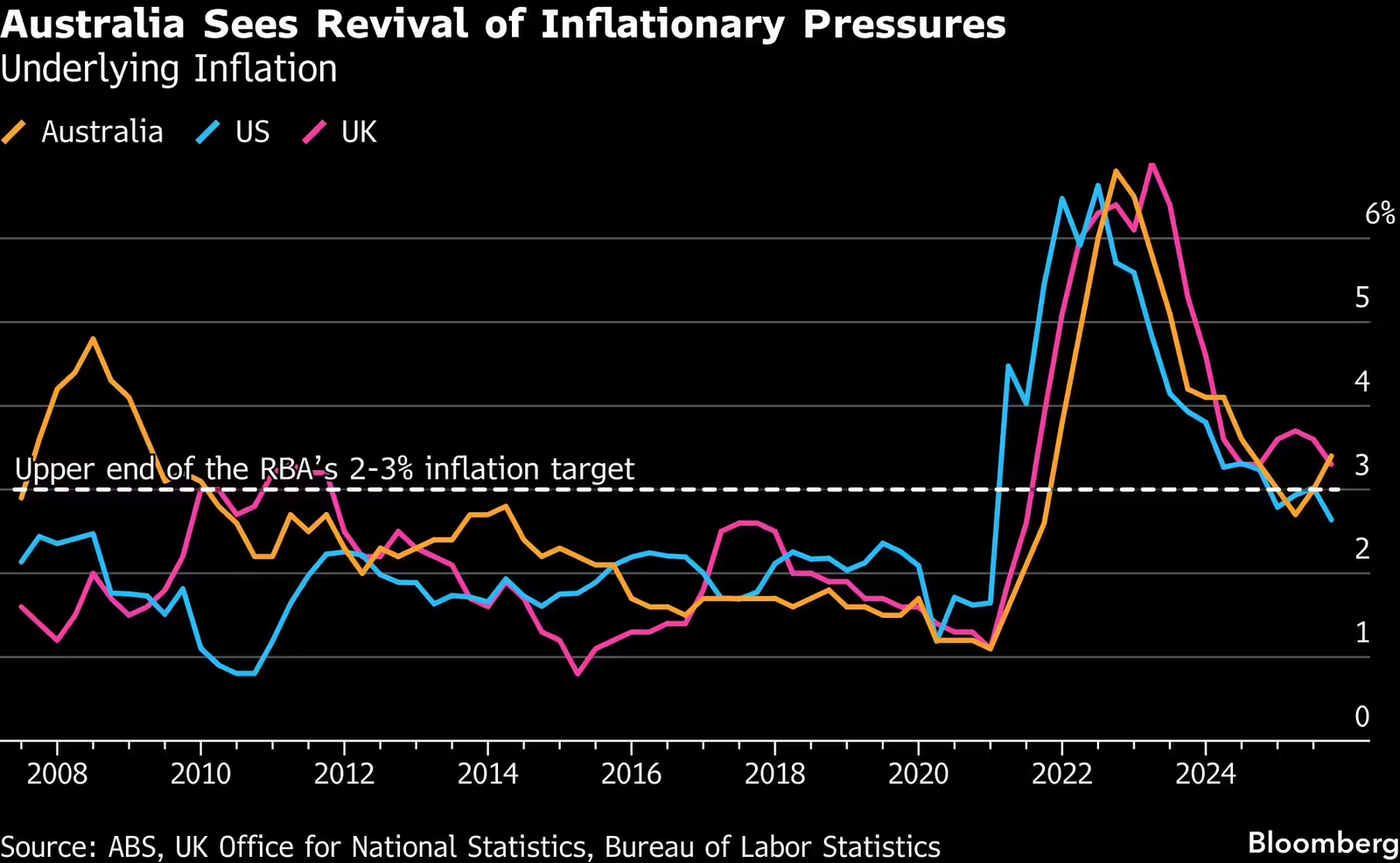
For instance, inflation reports released by the U.S. Bureau of Labor Statistics can quickly move markets. If inflation appears higher than expected, investors may anticipate tighter monetary policy from the Federal Reserve, which often impacts financial stocks, technology companies, and interest-sensitive sectors.
Similarly, employment data can influence consumer-focused businesses. A strong labor market typically signals continued consumer spending, which can lift retail and travel companies.
Major economic catalysts that frequently produce market movers include:
- Consumer Price Index (CPI) releases
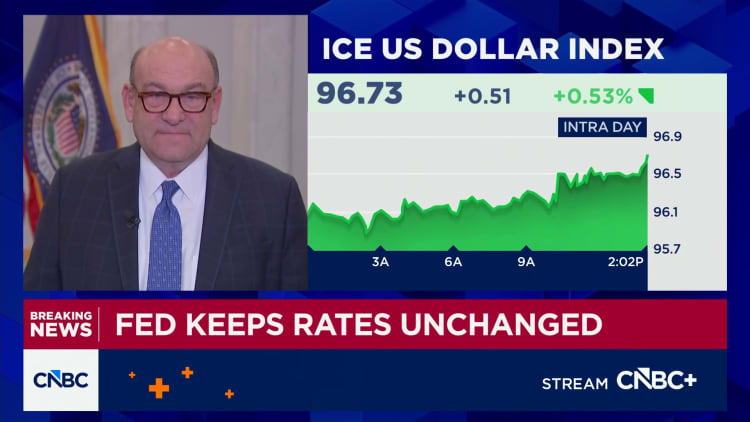
- Federal Reserve interest rate decisions
- Nonfarm payroll employment reports
- GDP growth updates
- Consumer sentiment surveys
Because these reports are scheduled in advance, many traders monitor them closely to anticipate which sectors may react.

Examples of Market Movers in Recent Trading Sessions
Looking at real examples helps illustrate how market movers develop.
Technology Sector Reactions
In several recent trading sessions, semiconductor companies surged following announcements of increased AI infrastructure spending by large cloud providers. This led to significant price gains across the chip manufacturing ecosystem.
Energy Market Shifts
Oil price fluctuations often drive rapid movement among energy stocks. When crude oil prices rise due to geopolitical tensions or supply constraints, companies involved in exploration and production frequently become market movers.
Financial Sector Volatility
Interest rate expectations can quickly shift bank stocks. If investors anticipate higher borrowing costs, financial institutions may move sharply as analysts revise profit forecasts.
These examples show that market movers rarely occur in isolation—they usually reflect larger economic or industry dynamics.
How Individual Investors Can Interpret Market Movers
Watching daily movers can be educational, but reacting impulsively carries risk. Instead, investors can use these movements as signals for deeper research.
Practical ways to analyze market movers include:
- Reviewing the company’s earnings report or press release
- Checking whether the price move aligns with long-term fundamentals
- Comparing the company’s movement with others in the same sector
- Reading analyst commentary from major financial institutions
- Looking at valuation metrics such as price-to-earnings ratios
For example, if a company’s stock jumps after an earnings announcement, investors may examine whether revenue growth justifies the new valuation.
This approach helps avoid the common mistake of chasing short-term momentum.
Where to Track Market Movers in Real Time
Several platforms provide reliable updates on the most active stocks each day.
Common resources include:
- Financial news outlets such as Bloomberg, CNBC, and Reuters
- Market data platforms like Yahoo Finance and TradingView
- Brokerage dashboards that highlight unusual trading activity
- Exchange websites including NYSE and Nasdaq
These sources typically provide lists of:
- Most active stocks by trading volume
- Largest percentage gainers
- Largest percentage decliners
Following multiple sources helps investors see whether activity reflects company-specific developments or broader market trends.
Risks of Following Market Movers Too Closely
Although market movers provide valuable insight, they also come with risks—especially for inexperienced investors.
Short-term price spikes can be driven by temporary sentiment rather than long-term fundamentals. In some cases, rapid movements reverse just as quickly.
Key risks include:
- Buying during temporary price surges
- Overreacting to incomplete information
- Confusing trading volume with long-term growth potential
- Ignoring diversification principles
Experienced investors often treat market movers as signals for research rather than immediate trading opportunities.

Frequently Asked Questions
What is a market mover in the stock market?
A market mover is a stock experiencing significant price changes or unusually high trading volume during a trading session. These movements are usually triggered by news, earnings results, economic data, or analyst reports.
Why do some stocks move more than others?
Stocks with strong news catalysts, large investor interest, or sector-wide developments tend to move more dramatically because they attract higher trading activity.
Are market movers good investment opportunities?
Sometimes, but not always. Rapid price movements can indicate strong fundamentals or temporary speculation. Investors should evaluate the underlying reasons before making decisions.
Where can I find daily market movers?
Most financial news platforms publish daily lists of the most active stocks. Brokerage platforms and exchange websites also provide real-time data.
Do market movers affect the overall stock market?
Yes. Large companies with significant weight in indices like the S&P 500 can influence the overall market direction when their stocks move significantly.
What sectors produce the most market movers?
Technology, energy, financials, and healthcare frequently generate market movers because they respond strongly to economic and regulatory developments.
How do earnings reports create market movers?
When a company reports results that differ from analyst expectations, investors quickly reassess the company’s outlook, leading to rapid price changes.
Can economic reports trigger market movers?
Yes. Inflation data, employment reports, and Federal Reserve decisions often affect entire sectors, creating multiple market movers at once.
Should beginners trade market movers?
Beginners should approach cautiously and focus on understanding the reasons behind price changes rather than reacting immediately.
How do institutional investors track market movers?
Institutional traders use advanced data platforms that monitor trading volume, options activity, and real-time news to identify unusual market behavior.
Reading the Signals Behind Daily Market Moves
Market movers offer a window into how investors interpret new information. Whether the catalyst is an earnings surprise, a shift in interest rates, or emerging technology trends, the stocks attracting attention each day often reflect broader changes in economic expectations.
For thoughtful investors, these movements provide more than headlines—they offer context about where capital is flowing and why. By examining the reasons behind the activity rather than reacting to the price change alone, investors can develop a clearer understanding of the forces shaping modern financial markets.
Key Insights at a Glance
- Market movers are stocks experiencing significant price or volume changes.
- Earnings reports and economic data are the most common catalysts.
- Sector-wide developments often produce multiple market movers at once.
- Institutional investors track volume, momentum, and news signals.
- Market movers can reveal shifts in economic expectations.
- Careful analysis helps investors avoid reacting to short-term volatility.