Summary
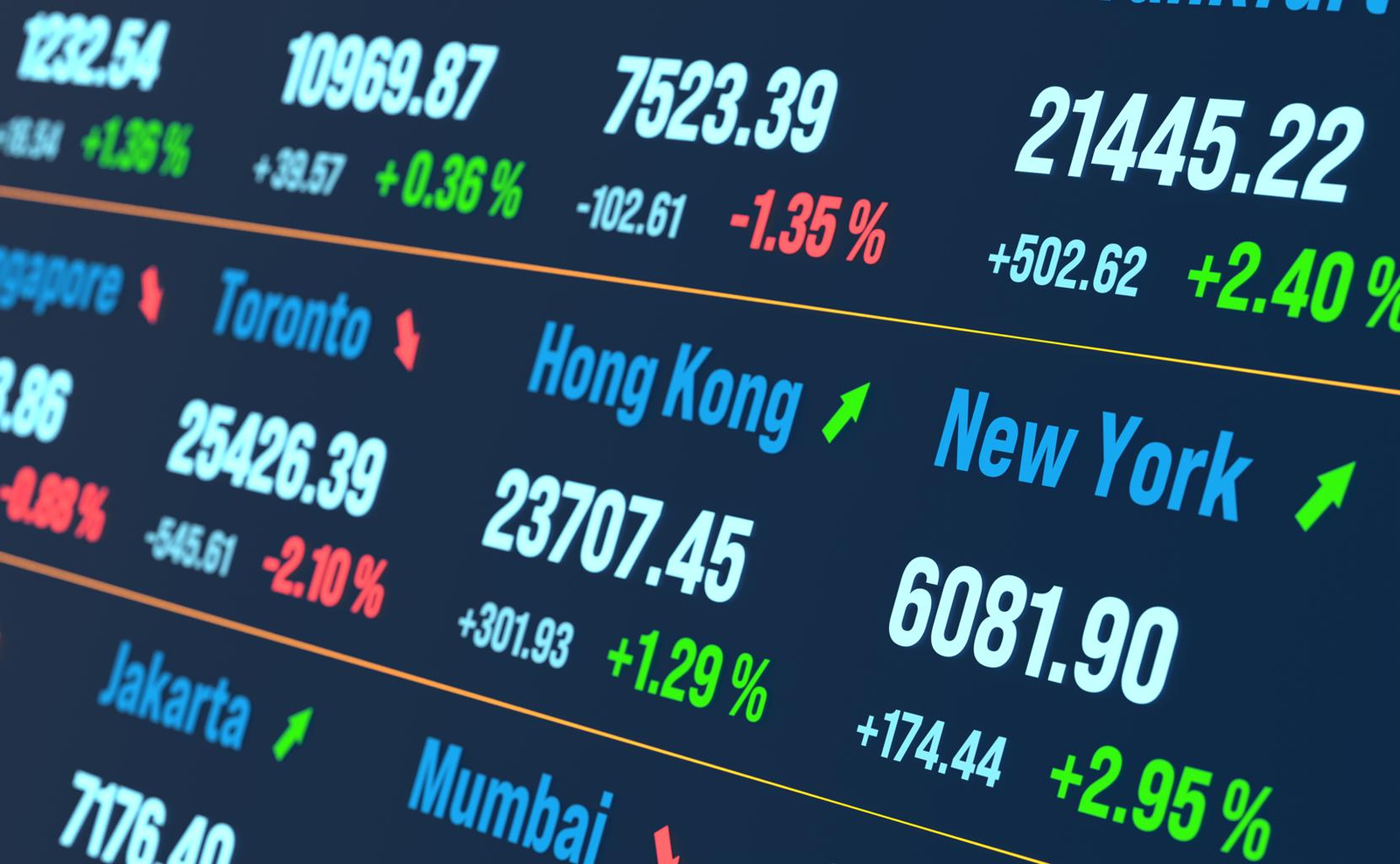
Market movers—stocks or sectors experiencing significant price changes—often reflect deeper economic forces, corporate developments, and investor sentiment. By examining today’s market movers, investors can gain insights into broader trends shaping U.S. financial markets. Understanding the catalysts behind these movements helps investors interpret market signals, manage risk, and identify opportunities while maintaining a disciplined, long-term investment perspective.
Understanding What “Market Movers” Really Means
In financial markets, the term “market movers” refers to stocks, sectors, or assets experiencing notable price or volume changes during a trading session. These movements are not random. They usually stem from new information—earnings reports, economic data releases, policy changes, or shifts in investor expectations.
In the United States, market participants closely monitor major indices such as the S&P 500, Nasdaq Composite, and Dow Jones Industrial Average to identify which companies or sectors are influencing overall market performance. When a large company reports earnings or announces strategic changes, it can influence not only its own stock but also the entire sector.
For example, when a large technology company reports stronger-than-expected revenue growth, it can lift the entire technology sector. Conversely, disappointing guidance from a major retailer may trigger declines across consumer discretionary stocks.
Market movers therefore act as signals, helping analysts interpret where capital is flowing and how investors are responding to new information.
The Most Common Catalysts Behind Market Movers
While stock movements can appear sudden, they typically follow identifiable catalysts. Investors who understand these triggers are better equipped to interpret daily market activity.
Several factors consistently drive market-moving events in U.S. markets:
- Corporate earnings announcements
- Economic data releases
- Federal Reserve policy signals
- Industry-specific developments
- Geopolitical events
- Changes in commodity prices
Each of these factors can rapidly alter investor expectations about company performance or broader economic conditions.
For instance, according to data from FactSet, earnings surprises frequently lead to immediate price adjustments as investors reassess company valuations. A company that beats revenue expectations and raises guidance often sees increased demand from institutional investors.
At the same time, macroeconomic indicators—such as inflation reports, employment data, or consumer spending figures—can influence entire sectors simultaneously.
Earnings Season: A Primary Driver of Daily Market Movers
Quarterly earnings season remains one of the most important periods for identifying market movers. During these weeks, hundreds of companies release financial results, offering new insights into revenue growth, costs, and future expectations.
Earnings reports typically include:
- Revenue performance
- Earnings per share (EPS)
- Profit margins
- Management guidance
- Strategic updates
When companies exceed analyst expectations, investors often interpret this as a sign of stronger business momentum. Conversely, weak guidance or declining margins can trigger swift selloffs.
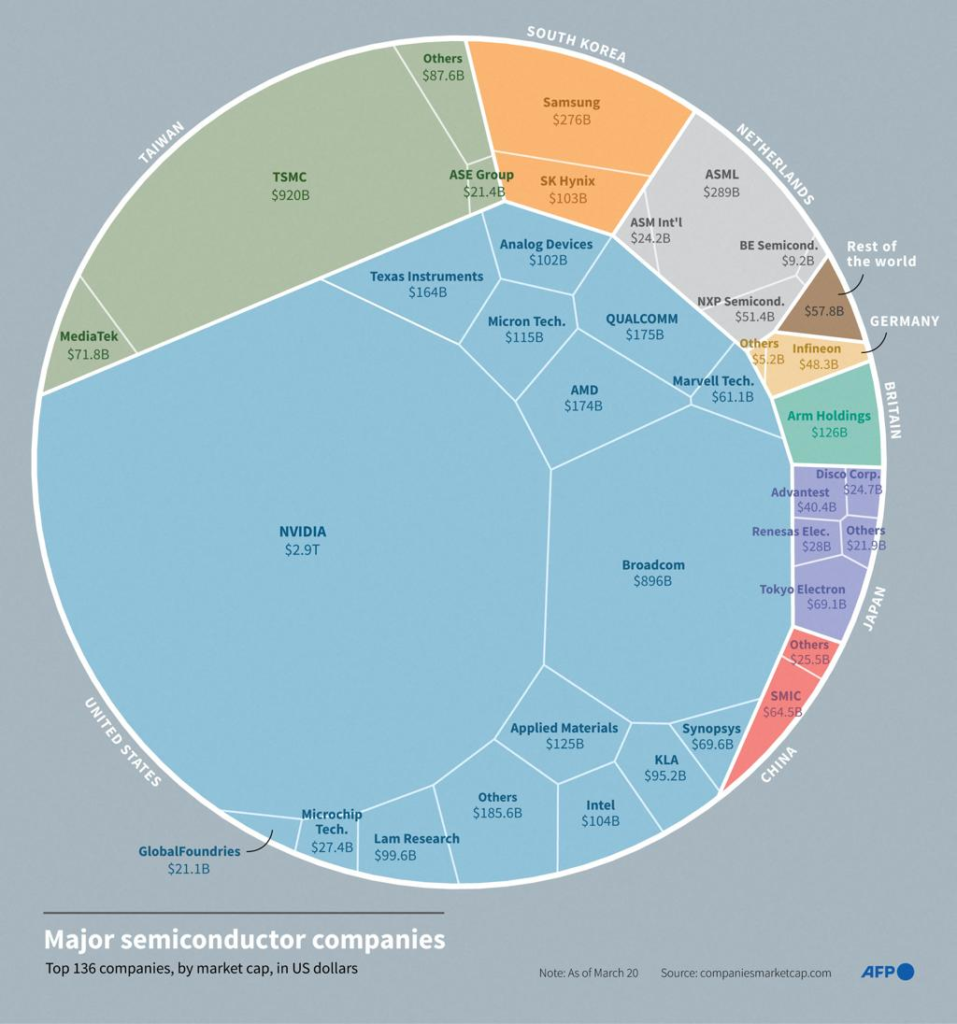
For example, when a major semiconductor company reports stronger demand for artificial intelligence chips, investors may react by bidding up related technology stocks. In recent years, strong demand for cloud computing infrastructure and AI hardware has created significant market momentum within the technology sector.
This illustrates how one company’s earnings can influence the entire industry.
Economic Data Releases and Market Reactions
Economic reports are another powerful driver of daily market movements. In the United States, investors pay close attention to scheduled economic releases such as:
- Consumer Price Index (CPI)
- Nonfarm Payrolls employment report
- Gross Domestic Product (GDP) growth
- Retail sales data
- Consumer confidence surveys
These reports provide insight into the overall health of the economy.
For example, if inflation data comes in higher than expected, investors may anticipate tighter monetary policy from the Federal Reserve. This can lead to declines in interest-rate-sensitive sectors such as real estate or growth stocks.
On the other hand, strong employment data may support consumer spending expectations, boosting retail and travel-related companies.
Economic data therefore acts as a macro-level market mover, influencing many stocks simultaneously.

Federal Reserve Policy and Interest Rate Expectations
The Federal Reserve plays a central role in shaping financial markets. Changes in interest rate expectations often create some of the largest market movements of the year.
Interest rates influence several critical investment factors:
- Corporate borrowing costs
- Consumer spending
- Bond yields
- Equity valuations
Growth-oriented companies—especially in technology—tend to be more sensitive to interest rate changes because their valuations rely heavily on expected future earnings.
For example, when the Fed signals that it may keep interest rates higher for longer, investors sometimes rotate away from high-growth stocks and into sectors considered more defensive, such as healthcare or utilities.
These shifts are reflected in daily lists of market movers.
Sector Trends Behind Today’s Market Activity
Beyond individual companies, sector trends often explain why groups of stocks move together.
Several sectors frequently dominate market-mover discussions:
Technology
Technology companies remain among the most influential market movers due to their size and rapid innovation cycles. Advances in artificial intelligence, cloud computing, and semiconductors frequently drive market activity.
Energy
Energy stocks often respond to changes in oil and natural gas prices. When crude oil prices rise due to supply constraints or geopolitical tensions, energy companies tend to move higher.
Healthcare
Healthcare companies can become market movers when new drugs receive regulatory approval or when clinical trial results exceed expectations.
Financials
Banks and financial institutions react strongly to interest rate changes, credit conditions, and economic growth forecasts.
Consumer Discretionary
Retailers, travel companies, and automotive manufacturers often move in response to consumer spending data.
Recognizing these sector patterns helps investors interpret daily market activity more effectively.
The Role of Institutional Investors
Institutional investors—such as mutual funds, pension funds, and hedge funds—play a significant role in shaping market movements.
Large investment firms control trillions of dollars in assets. When these institutions shift capital between sectors, the resulting trades can create noticeable price movements.
Institutional activity often appears through:
- Increased trading volume
- Sector rotation
- Large block trades
- ETF inflows or outflows
For example, if institutional investors anticipate economic growth slowing, they may reduce exposure to cyclical industries and increase holdings in defensive sectors like consumer staples.
These shifts frequently show up in market-mover lists across financial news platforms.
Why Trading Volume Matters When Identifying Market Movers
Price changes alone do not always tell the full story. Trading volume provides additional context about investor conviction.
When both price and volume increase significantly, it often indicates strong investor interest.
High trading volume may occur when:
- A company releases unexpected earnings results
- Analysts upgrade or downgrade a stock
- Major news affects an industry
- Institutional investors rebalance portfolios
For example, a mid-cap company announcing a new partnership or product breakthrough may see trading volume surge several times above its daily average.
This combination of price movement and volume is often what places a stock on market-mover watchlists.
How Investors Can Interpret Market Movers More Effectively
For long-term investors, market movers are not necessarily trading signals. Instead, they provide valuable insight into changing market conditions.
A thoughtful approach to market analysis may include:
- Examining the underlying catalyst behind price movements
- Distinguishing short-term news from long-term fundamentals
- Monitoring sector trends rather than isolated stocks
- Avoiding emotional reactions to daily volatility
- Evaluating whether the news materially changes a company’s outlook
Experienced investors often use market movers as a starting point for research, not as automatic buy or sell decisions.
For example, if multiple companies within a sector move after similar news—such as increased demand for renewable energy infrastructure—it may signal a broader industry trend worth studying.
Real-World Example: AI and Semiconductor Stocks
One recent example of sustained market-moving activity involves semiconductor companies supporting artificial intelligence infrastructure.
As demand for AI computing power increased, semiconductor manufacturers and data center suppliers experienced rapid revenue growth. Companies producing advanced chips or AI accelerators saw increased investor attention.
This trend illustrates how technological shifts can reshape entire sectors, turning certain companies into recurring market movers over extended periods.
Analysts frequently monitor capital expenditure plans from major cloud providers, since increased spending on data centers can drive demand for specialized hardware.
Understanding these interconnections helps explain why certain stocks consistently appear on market-mover lists.
Frequently Asked Questions
What are market movers in the stock market?
Market movers are stocks or assets experiencing significant price or volume changes during a trading session due to news, economic data, earnings reports, or investor sentiment shifts.
Why do certain stocks move more than others?
Stocks often move significantly when new information alters expectations about future earnings, growth potential, or economic conditions.
How can investors track market movers?
Investors typically track market movers through financial news platforms, brokerage dashboards, and market data tools that highlight unusual price or volume activity.
Do market movers indicate good investment opportunities?
Not necessarily. Some movements reflect short-term reactions to news rather than long-term changes in a company’s fundamentals.
What role does the Federal Reserve play in market movements?
Federal Reserve interest rate decisions influence borrowing costs, inflation expectations, and investor sentiment, which can impact many sectors simultaneously.
Why does trading volume matter?
High trading volume often signals stronger investor conviction and institutional participation in a stock’s movement.
Are sector trends more important than individual stock moves?
In many cases, yes. Sector-wide movements often indicate broader economic or technological trends affecting multiple companies.
How do earnings reports affect market movers?
When companies report results above or below expectations, investors reassess valuations, often leading to immediate price adjustments.
Can geopolitical events create market movers?
Yes. Events affecting global trade, energy supply, or international relations can influence commodity prices and sector performance.
Should long-term investors react to daily market movers?
Long-term investors typically use market movers as informational signals rather than immediate trading triggers.
Watching the Signals Beneath the Daily Noise
Daily lists of market movers often capture headlines, but their true value lies in the trends they reveal over time. Price movements connected to earnings growth, technological change, or economic shifts can signal evolving market leadership.
Investors who focus on underlying drivers—rather than short-term volatility—can better understand how capital flows through the market. In many cases, today’s market movers offer early clues about tomorrow’s dominant industries.
Recognizing these patterns requires patience, context, and a disciplined approach to financial analysis.
Key Insights at a Glance
- Market movers reflect new information entering financial markets
- Earnings reports remain one of the most common catalysts
- Economic data can influence entire sectors simultaneously
- Federal Reserve policy strongly impacts market sentiment
- Institutional investors often drive large market movements
- Trading volume helps confirm investor conviction
- Sector trends frequently explain clusters of market movers
- Long-term investors benefit from analyzing trends rather than reacting to daily volatility