U.S. tax policy is entering a period of significant change as lawmakers debate how to address expiring provisions from the 2017 tax law, federal budget pressures, and evolving economic priorities. From corporate taxation to family credits and international tax rules, these discussions could reshape how Americans pay taxes and how businesses plan investments over the next decade.
Why the U.S. Tax System Is Entering a New Phase
Tax policy in the United States rarely stays static for long, but the coming years may bring particularly meaningful changes. Several provisions of the 2017 Tax Cuts and Jobs Act (TCJA) are scheduled to expire in 2025, creating pressure for Congress to revisit key parts of the federal tax code.
At the same time, policymakers are facing new economic challenges, including rising federal debt, global tax competition, and shifts in workforce and technology trends. These factors are prompting lawmakers to reconsider how the tax system should balance revenue generation, economic growth, and fairness.
The stakes are substantial. According to the U.S. Department of the Treasury, federal tax revenue reached roughly $4.4 trillion in fiscal year 2023, funding everything from national defense and infrastructure to healthcare programs.
Because tax policy influences business investment, household spending, and government finances, economists and financial planners are paying close attention to the issues now emerging in Washington.
The 2025 Tax Deadline: Why It Matters
A major reason for the renewed focus on tax policy is the upcoming expiration of many individual tax provisions from the 2017 reform law.
When Congress passed the legislation, certain provisions were intentionally designed to expire after eight years to meet federal budget rules. Unless lawmakers act, several parts of the tax code could revert to pre-2017 rules beginning in 2026.
Potential changes include:
- Adjustments to individual income tax rates
- A smaller standard deduction
- Changes to the Child Tax Credit
- The expiration of certain business deductions
- Reduced estate tax exemptions
For households and businesses alike, the uncertainty surrounding these provisions makes long-term financial planning more complex.
For example, a family earning $95,000 per year currently benefits from a higher standard deduction introduced in the 2017 reforms. If that deduction shrinks in 2026, their taxable income—and potentially their tax bill—could increase.
Corporate Tax Policy and Global Competitiveness
Corporate taxes remain one of the most debated topics in U.S. economic policy.
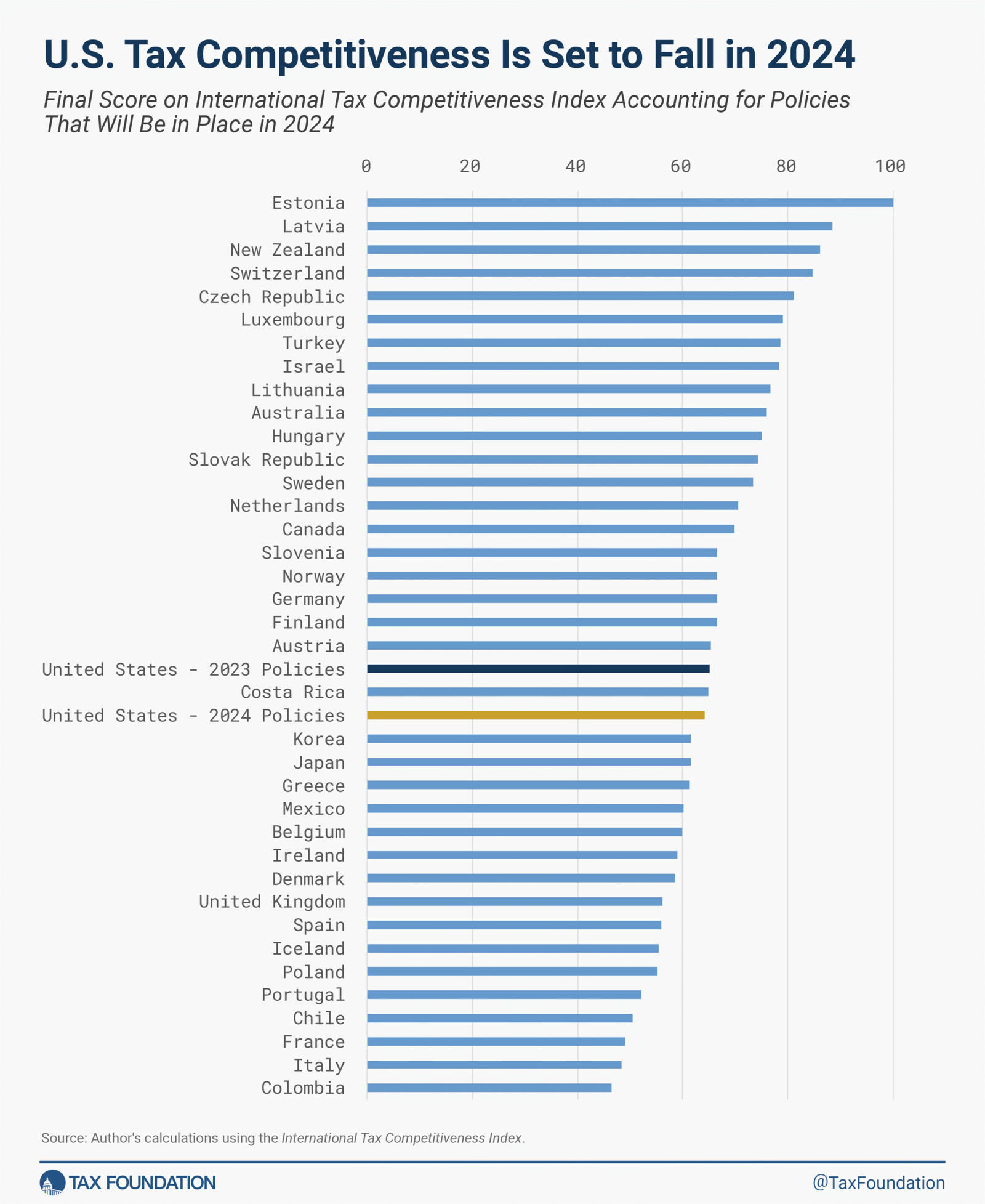
Before 2017, the federal corporate tax rate stood at 35%, one of the highest among developed economies. The TCJA reduced the rate to 21%, a move intended to encourage domestic investment and make U.S. companies more competitive globally.
Today, policymakers are considering several possible directions:
- Maintaining the current corporate tax rate
- Increasing the rate modestly to generate federal revenue
- Adjusting business deductions and investment incentives
- Coordinating tax policies with international agreements
Supporters of maintaining lower corporate tax rates argue that competitive tax environments can attract investment and encourage companies to expand domestic operations.
Others emphasize that corporate taxes represent an important source of government revenue and should be structured to ensure large firms contribute appropriately to public finances.
Economists often point out that corporate tax changes affect not only shareholders but also workers and consumers through wages, hiring decisions, and pricing.
The SALT Deduction Debate
One of the most politically sensitive tax issues currently under discussion is the state and local tax (SALT) deduction cap.
The 2017 tax law placed a $10,000 limit on the amount taxpayers can deduct for state and local taxes on their federal returns. Before the reform, taxpayers who itemized deductions could deduct most of the state and local taxes they paid.
The cap has had uneven effects across the country.
Taxpayers in states with relatively high property taxes or income taxes—such as California, New York, and New Jersey—have been particularly affected.
Possible policy adjustments include:
- Raising the SALT deduction cap
- Eliminating the cap entirely
- Replacing it with an income-based limitation
Each proposal would redistribute tax benefits differently among regions and income groups, making it one of the most complex issues facing lawmakers.
Tax Credits and Household Financial Stability
Tax credits have become an increasingly important component of U.S. tax policy, particularly for families.
The Child Tax Credit (CTC) is one of the most widely discussed programs. During the COVID-19 pandemic, the credit was temporarily expanded to provide larger benefits and advance monthly payments to families.
Although the expanded version expired, policymakers continue to debate how the credit should function in the future.
Current proposals focus on several possibilities:
- Increasing the credit amount per child
- Expanding eligibility for lower-income households
- Allowing partial refundability for families with limited tax liability
- Adjusting the credit for inflation
For many households, tax credits can significantly affect annual tax bills.
A middle-income family with two children may receive several thousand dollars in tax relief through the credit, making it one of the most impactful family-focused policies in the federal tax code.
Small Business Taxes and Entrepreneurship
Small businesses play a central role in the U.S. economy, and tax policy strongly influences their financial planning.
Many small businesses operate as pass-through entities, meaning business profits are taxed through the owner’s personal tax return rather than a corporate tax structure.
One major provision affecting these firms is the Section 199A pass-through deduction, which allows eligible businesses to deduct up to 20% of qualified business income.
Like many individual provisions from the 2017 tax reform, this deduction is scheduled to expire after 2025.
If it is not extended or replaced, small business owners could face higher effective tax rates on their income.
This issue matters because small businesses account for approximately 44% of U.S. economic activity, according to the U.S. Small Business Administration.
Tax policies affecting these firms therefore influence entrepreneurship, employment, and local economic development.
International Tax Rules and the Global Economy
Tax policy debates in the United States increasingly intersect with international economic policy.
Multinational corporations operate across many jurisdictions, creating opportunities to shift profits to countries with lower tax rates.
To address this issue, governments worldwide have been working through the Organisation for Economic Co-operation and Development (OECD) to develop a global minimum corporate tax framework.
The initiative aims to ensure that large multinational companies pay a baseline level of tax regardless of where profits are recorded.
For U.S. policymakers, the challenge is designing domestic tax rules that remain competitive while also cooperating with global efforts to limit profit shifting.
International tax coordination is likely to remain a significant topic in policy discussions over the next decade.
Inflation and Tax Policy Adjustments
Inflation has reemerged as an important factor in tax policy discussions.
Many features of the U.S. tax code—including tax brackets and certain deductions—are adjusted annually for inflation. These adjustments help prevent taxpayers from being pushed into higher tax brackets solely because of rising prices.
However, not all tax provisions automatically adjust for inflation.
When credits or deductions remain fixed while costs rise, their real value declines over time.
For example, if a tax credit remains the same while childcare or housing costs increase significantly, the credit may cover a smaller share of household expenses.
Economists therefore often emphasize the importance of indexing tax provisions to inflation to maintain their intended economic impact.
What Americans Want to Know About Tax Policy Changes
As tax policy discussions continue, many Americans are searching for clear answers about how potential reforms might affect their finances.
Below are some of the most frequently asked questions.
Frequently Asked Questions
Why is tax reform being discussed again?
Many provisions of the 2017 tax law are scheduled to expire in 2025, requiring Congress to decide whether to extend or revise them.
Will taxes increase after 2025?
If certain provisions expire without replacement, some households and businesses could face higher tax rates or fewer deductions.
What is the SALT deduction cap?
It is a $10,000 limit on how much taxpayers can deduct for state and local taxes on their federal returns.
How do tax credits help families?
Tax credits reduce the amount of tax owed and can increase disposable income for households.
What happens to small businesses if the pass-through deduction expires?
Small business owners could face higher effective tax rates on business income.
What is the global minimum corporate tax?
It is an international effort designed to ensure multinational corporations pay a minimum level of tax worldwide.
How does inflation affect tax policy?
Inflation can change the real value of tax deductions and credits unless they are adjusted regularly.
Are corporate taxes likely to increase?
Some policymakers support raising the corporate rate, while others advocate maintaining the current level.
When could new tax laws take effect?
Most tax legislation takes effect the year after it is passed, though some provisions may be phased in gradually.
How Tax Policy Shapes the Broader Economy
Changes to tax policy rarely operate in isolation. Instead, they influence a wide range of economic decisions made by households, businesses, and investors.
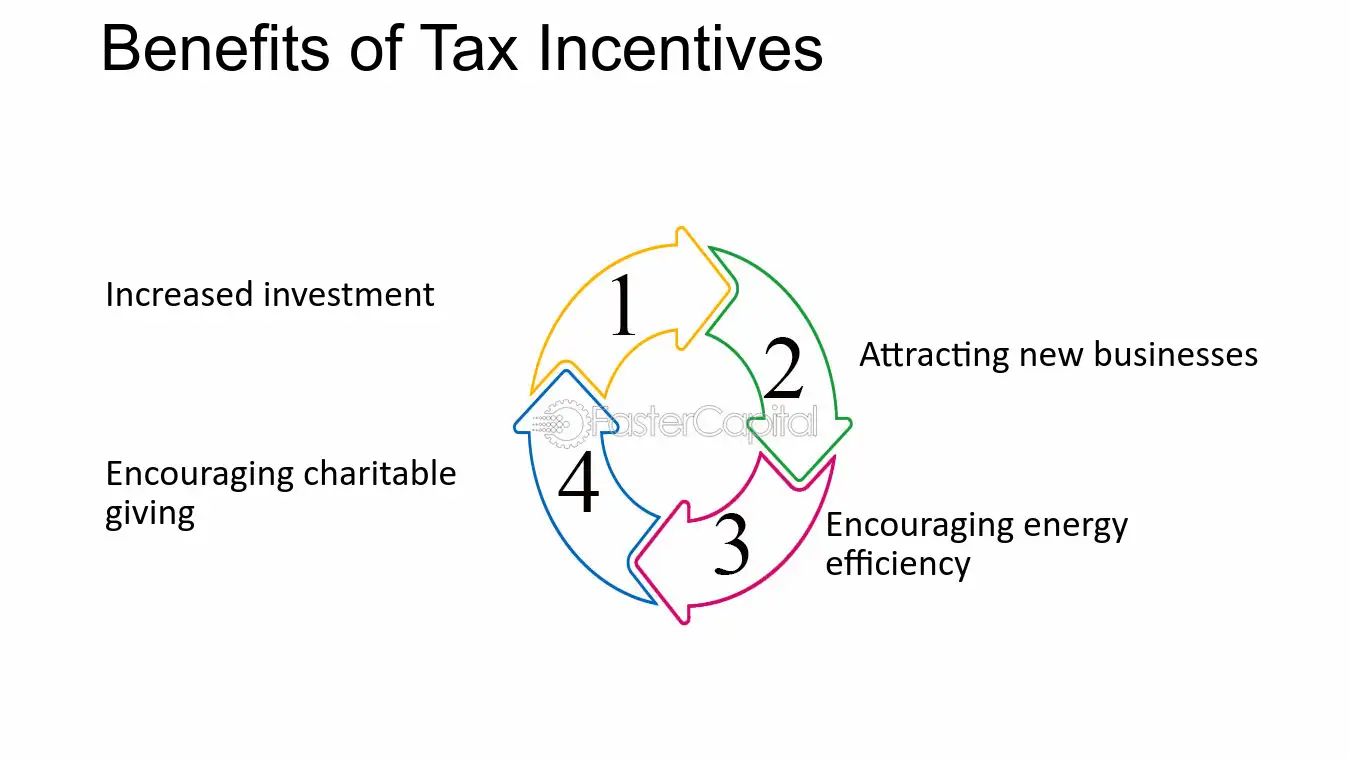
For businesses, tax incentives can influence decisions about hiring, expanding facilities, or investing in new technologies.
For households, tax policies affect disposable income, retirement savings, and housing affordability.
For governments, tax revenues determine how much funding is available for public programs and infrastructure projects.
Because of these interconnected effects, economists often analyze tax reforms through the lens of long-term economic growth, income distribution, and fiscal sustainability.
The Decade Ahead for U.S. Tax Policy
The coming years will likely bring significant decisions about the future structure of the U.S. tax system.
Lawmakers must weigh competing priorities: maintaining economic competitiveness, supporting middle-income households, encouraging entrepreneurship, and ensuring sufficient federal revenue.
The outcome of these debates will influence financial planning decisions for millions of Americans and shape the broader economic environment in which businesses operate.
As policymakers continue to evaluate potential reforms, understanding the key issues at stake can help individuals and businesses prepare for what lies ahead.
Core Themes Emerging From Today’s Tax Policy Debate
- Many provisions of the 2017 tax reform law expire in 2025.
- Corporate tax policy remains central to global economic competitiveness.
- The SALT deduction cap continues to generate debate in Congress.
- Family-focused tax credits are a major focus of policy discussions.
- Small business deductions may play a key role in future reforms.