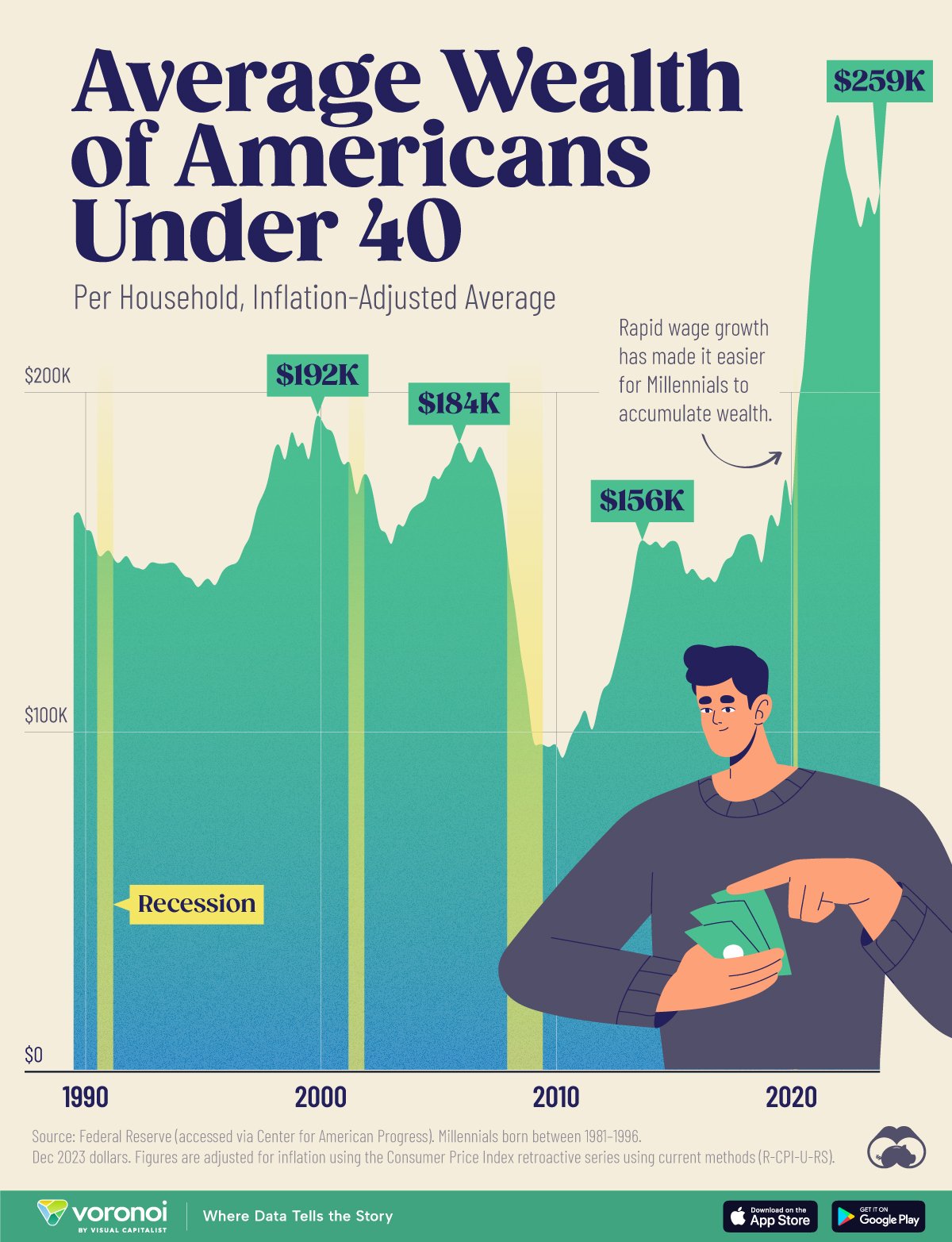
Many Americans build wealth slowly using disciplined, often overlooked financial habits rather than dramatic investment moves. Research from institutions like the Federal Reserve, Vanguard, and Fidelity shows that consistent saving, tax-advantaged accounts, diversification, and cost management play a far larger role in long-term financial growth than market timing. Gradual strategies can compound meaningfully over time.
Why Gradual Wealth Building Often Works Better Than Fast Wins
Popular media often focuses on sudden financial success—startup windfalls, high-risk trading gains, or viral investment stories. In reality, most Americans who accumulate meaningful wealth do so through far quieter methods.
Gradual wealth building relies on steady progress rather than dramatic breakthroughs. Instead of trying to maximize short-term returns, successful savers and investors focus on consistent behavior over long periods of time.
Data from the Federal Reserve’s Survey of Consumer Finances shows that the largest portion of wealth held by middle-class households comes from long-term assets such as retirement accounts and home equity rather than speculative investments.
In other words, wealth tends to grow through systems and habits—not sudden financial windfalls.
Strategy 1: Automating Financial Decisions
One of the most overlooked wealth-building strategies is simple automation.
When financial decisions rely entirely on willpower, they can easily be delayed or forgotten. Automation removes that friction by ensuring that saving and investing happen consistently.
Many Americans grow wealth gradually by setting up automatic transfers to savings or investment accounts immediately after each paycheck.
Common automated systems include:
- Automatic contributions to retirement plans
- Recurring transfers to brokerage or savings accounts
- Automatic reinvestment of dividends
- Scheduled increases in retirement contributions
Research from Fidelity Investments shows that workers who automate contributions tend to maintain higher long-term savings rates.
Automation also helps avoid emotional decision-making, especially during periods of market volatility.
Strategy 2: Taking Full Advantage of Employer Retirement Plans
Employer-sponsored retirement plans remain one of the most powerful wealth-building tools available to American workers.
Yet many employees underestimate their long-term value.
Plans such as 401(k)s allow individuals to invest pre-tax income and often include employer matching contributions. Over decades, this combination of tax advantages and compounding can significantly increase retirement savings.
Many Americans gradually grow wealth through strategies like:
- Contributing enough to capture the full employer match
- Increasing contributions annually
- Maintaining diversified investment allocations within the plan
According to Vanguard’s annual retirement study, participants who consistently contribute and remain invested typically accumulate far larger balances than those who frequently adjust contributions based on market conditions.
Strategy 3: Increasing Savings Rates Over Time
One common misconception about wealth building is that it requires large investments from the start.
In reality, gradual increases in savings rates can have a meaningful long-term impact.
Many Americans begin with modest contributions and expand them as income rises.
This approach is often called “saving more as you earn more.”
Examples include:
- Increasing retirement contributions after raises
- Redirecting bonuses toward long-term investments
- Continuing to live on previous income levels even after salary increases
Financial planners often note that maintaining the same lifestyle while gradually increasing savings can accelerate wealth accumulation without creating financial stress.
Strategy 4: Managing Investment Costs Carefully
Investment fees are one of the most underestimated factors affecting long-term wealth.
Even small annual fees can significantly reduce investment returns over decades.
For this reason, many experienced investors prioritize low-cost investment options, such as index funds and diversified ETFs.
According to research from Morningstar, lower-cost funds consistently outperform higher-cost alternatives when measured over long periods.
Common cost-management strategies include:
- Choosing low-expense index funds
- Avoiding excessive trading
- Minimizing advisory fees when possible
- Evaluating expense ratios before investing
Over 30 or 40 years, these cost differences can translate into thousands—or even hundreds of thousands—of dollars in additional portfolio value.
Strategy 5: Diversifying Across Asset Classes
Diversification is often discussed in financial advice, but its importance is sometimes underestimated.
Gradual wealth builders often rely on diversified portfolios that include multiple asset classes rather than concentrating investments in a few high-risk assets.
A diversified portfolio may include:
- U.S. stock index funds
- International equity funds
- Bonds or fixed-income investments
- Real estate or REITs
- Cash reserves
This approach reduces the impact of downturns in any single market segment.
According to Vanguard research, diversified portfolios typically produce more stable returns over long time horizons compared to concentrated investments.
Strategy 6: Reinvesting Dividends
Dividends represent another frequently overlooked driver of wealth growth.
Many companies distribute a portion of profits to shareholders through regular dividend payments.
Instead of spending those payments, long-term investors often reinvest dividends back into the market.
This reinvestment allows dividends to purchase additional shares, which then generate their own dividends in the future.
Over decades, this cycle can meaningfully accelerate portfolio growth.
Historical research from Hartford Funds shows that dividend reinvestment has contributed significantly to total stock market returns over the past century.
Strategy 7: Maintaining Long Investment Horizons
Many wealth-building strategies become significantly more powerful when given enough time to work.
Investors who remain invested for long periods benefit from:
- Compounding returns
- Economic growth
- Market recoveries after downturns
Short-term investors often struggle because they attempt to react to daily market news.
Gradual wealth builders instead focus on multi-decade horizons, particularly when saving for retirement.
According to J.P. Morgan Asset Management, missing just a handful of the market’s best days can significantly reduce long-term investment returns.
Maintaining consistent market exposure helps investors avoid this problem.
Strategy 8: Protecting Wealth With Emergency Savings
One often overlooked reason people struggle to build wealth is financial disruption.
Unexpected expenses—such as medical bills, car repairs, or job loss—can force individuals to withdraw investments prematurely.
For this reason, many financial planners recommend maintaining a dedicated emergency fund before aggressively investing.
A common guideline is to maintain three to six months of essential living expenses in a readily accessible account.
This buffer allows investors to keep long-term investments intact during financial emergencies.
Strategy 9: Gradually Reducing High-Interest Debt
High-interest debt can quietly undermine long-term financial progress.
Credit card balances and certain personal loans often carry interest rates far higher than typical investment returns.
Many Americans improve their long-term financial trajectory by prioritizing gradual debt reduction while continuing to save and invest.
Common approaches include:
- Paying more than the minimum payment
- Focusing on the highest-interest balances first
- Consolidating high-interest debt when appropriate
Reducing debt frees up future income that can be redirected toward wealth-building assets.
Frequently Asked Questions
What is the most reliable way to build wealth gradually?
Consistent saving, diversified investing, and maintaining long-term financial discipline are among the most reliable strategies.
How much should someone save each year?
Many financial planners recommend saving 15–20% of income when possible, though individual circumstances vary.
Why is automation helpful for saving money?
Automation ensures that savings and investments occur regularly without requiring repeated decisions.
Are employer retirement plans important for wealth building?
Yes. Employer matches, tax advantages, and long investment horizons make retirement plans powerful wealth-building tools.
What role do dividends play in investing?
Dividends provide income and can accelerate growth when reinvested over time.
Is diversification really necessary?
Diversification reduces risk by spreading investments across different asset classes.
Why do investment fees matter?
Even small annual fees can significantly reduce long-term investment returns.
How large should an emergency fund be?
Most financial planners recommend saving three to six months of essential expenses.
Can someone start investing with small amounts?
Yes. Many investment platforms allow individuals to begin with relatively small contributions.
Is gradual wealth building realistic for average earners?
Yes. Many Americans accumulate wealth slowly through retirement plans, home ownership, and diversified investments.