Summary
Many American households grow savings not through dramatic financial moves but through a structured framework built on budgeting, automated saving, disciplined investing, and long-term planning. By focusing on consistent habits and clear financial systems, families can gradually strengthen their financial position. This guide explains how practical frameworks—used by many households and financial planners—help people steadily build savings over time.
Why a Structured Financial Framework Matters
Building savings often feels overwhelming because financial advice is frequently presented as isolated tips—cut expenses here, invest there, save more if possible. In reality, many households that successfully grow savings over time rely on a structured financial framework rather than disconnected strategies.
A financial framework provides a repeatable system for managing income, expenses, savings, and investments. Instead of relying on occasional bursts of discipline, it creates processes that work month after month.
Financial planners often describe this as shifting from decision-based finances to system-based finances. Once systems are in place—automatic transfers, budget structures, and investment allocations—financial progress becomes more consistent and less dependent on daily willpower.
Research from the Federal Reserve’s Survey of Consumer Finances shows that households with structured saving systems and retirement contributions tend to accumulate significantly more assets over time than those relying on sporadic savings behavior.
In practical terms, the framework most households use is built around five core pillars:
- Clear income allocation
- Controlled spending
- Automated saving
- Long-term investing
- Periodic financial reviews
Together, these elements form the foundation of sustainable wealth-building habits.
Step One: Start With Income Allocation
Before savings can grow, households must decide how each dollar of income is used. Without a structure for allocating income, saving often becomes inconsistent.
Many financial planners recommend simple allocation models that balance living expenses, saving, and discretionary spending.
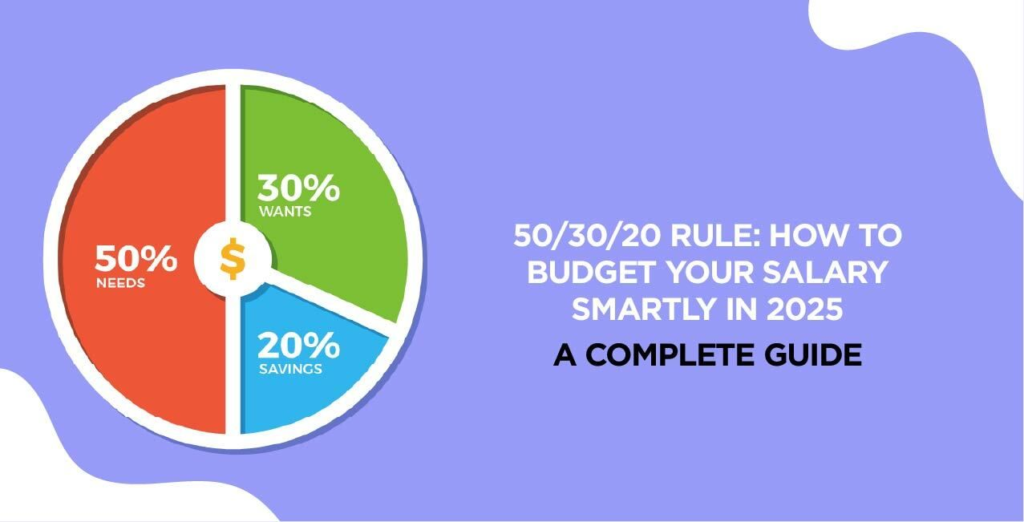
One commonly referenced structure is the 50/30/20 framework, popularized in personal finance discussions.
Under this model:
- 50% of income goes toward essential expenses (housing, food, transportation, insurance)
- 30% supports discretionary spending
- 20% is directed toward savings, debt repayment, and investments
While the percentages may vary by household, the concept remains the same: saving is treated as a priority category rather than an afterthought.
For example, a household earning $6,000 per month after taxes might allocate funds like this:
- $3,000 for essential expenses
- $1,800 for discretionary spending
- $1,200 toward savings and investments
Even modest allocations can grow significantly when maintained over many years.

Step Two: Build Consistent Saving Habits
Once income allocation is defined, the next step is building consistent saving habits. This stage is where many households either gain momentum or struggle.
Behavioral research shows that automation dramatically increases saving success.
According to research from the National Bureau of Economic Research, automatic enrollment and automated contributions significantly increase long-term savings rates.
Many households follow a simple system:
- Automatic transfers to savings accounts on payday
- Automatic retirement contributions
- Automatic transfers into investment accounts
This approach removes the temptation to spend money that was intended for saving.
Common automatic savings destinations include:
- Emergency savings accounts
- Retirement accounts
- Brokerage investment accounts
- Education savings plans
A typical household might automatically move 10–20% of income into savings before funds are used elsewhere.
Over time, these automatic systems build a consistent savings rhythm.
Step Three: Establish an Emergency Fund
One of the most important components of a financial framework is an emergency fund.
Unexpected expenses—medical bills, job interruptions, car repairs—are among the most common reasons people drain savings or take on debt.
Financial experts often recommend maintaining three to six months of essential living expenses in a readily accessible savings account.
For example:
If a household spends $4,000 per month on essential expenses, an emergency fund might range from:
- $12,000 (three months)
- $24,000 (six months)
This fund acts as a financial shock absorber.
Households that maintain emergency reserves are generally better positioned to:
- Avoid high-interest debt
- Continue investing during disruptions
- Manage financial stress more effectively
The goal is not immediate perfection but gradual progress. Many families build emergency funds slowly over several years.
Step Four: Invest for Long-Term Growth
Saving alone is rarely sufficient to build meaningful long-term wealth. Many households complement savings with long-term investing.
Investing allows money to grow through compounding returns, which can significantly accelerate financial progress over time.
For example:
If a household invests $500 per month with an average annual return of 7%, the investment could grow to approximately:
- $85,000 in 10 years
- $260,000 in 20 years
- $610,000 in 30 years
While market returns vary, historical data from sources like S&P Dow Jones Indices shows that diversified stock market investments have historically produced long-term growth.
Common investment vehicles used by households include:
- Employer-sponsored retirement plans (401(k))
- Individual Retirement Accounts (IRAs)
- Low-cost index funds
- Target-date retirement funds
Many financial professionals recommend prioritizing retirement accounts first, particularly when employer matching contributions are available.
Step Five: Control Spending Without Extreme Restrictions
A successful financial framework does not necessarily require extreme frugality. Instead, many households focus on intentional spending.
Intentional spending means aligning expenses with personal priorities rather than eliminating discretionary purchases entirely.
For example, a household may decide to:
- Reduce impulse purchases
- Cook more meals at home
- Limit subscription services
- Focus spending on experiences or meaningful priorities
Financial progress often depends more on consistent moderate choices than dramatic lifestyle changes.
Some households track spending using digital budgeting tools, while others review bank statements monthly.
Common budgeting methods include:
- Zero-based budgeting
- Envelope budgeting
- Digital expense tracking apps
The goal is simply to maintain awareness of where money flows.
Step Six: Review Financial Progress Periodically
A framework works best when it is reviewed regularly.
Many households schedule financial check-ins every few months to evaluate progress.
Typical financial reviews may include:
- Checking savings growth
- Reviewing investment performance
- Adjusting budget categories
- Updating financial goals
These reviews help households adapt to changing circumstances such as income increases, new expenses, or major life events.
Annual financial reviews may also include:
- Retirement contribution adjustments
- Insurance evaluations
- Tax planning considerations
Over time, these periodic adjustments help households refine their financial systems.
Real-World Example: A Household Framework in Action
Consider a hypothetical household earning $85,000 annually after taxes.
They might structure their financial framework like this:
Monthly income: roughly $7,000
Allocation:
- $3,200 essential expenses
- $1,800 discretionary spending
- $1,000 retirement investments
- $600 emergency savings
- $400 additional investment account
Over five years, their financial progress could include:
- $36,000 emergency savings
- $60,000 retirement contributions plus growth
- $24,000 additional investment savings
While these numbers vary widely across households, the principle remains consistent: structured financial systems compound results over time.

Frequently Asked Questions
What is a financial framework for saving?
A financial framework is a structured system that organizes how income is allocated toward expenses, savings, and investments. It typically includes budgeting, automated savings, emergency funds, and long-term investing strategies.
How much should households aim to save each month?
Many financial planners recommend saving 15–20% of income when possible. However, even smaller consistent contributions can build significant savings over time.
Why is automation important for saving?
Automation removes the need for repeated decisions and reduces the likelihood of spending money intended for savings. Automatic transfers help maintain consistency.
How large should an emergency fund be?
Most financial professionals recommend saving three to six months of essential expenses in a liquid savings account.
Is investing necessary to build savings?
While basic savings accounts provide stability, investing is often necessary for long-term growth due to inflation and compounding returns.
What is the best budgeting method?
There is no universal method. Many households use the 50/30/20 rule, zero-based budgeting, or digital tracking tools depending on their preferences.
How often should households review their finances?
A quarterly review works well for many families, with a more comprehensive annual review to evaluate long-term goals.
Can households build savings with moderate incomes?
Yes. Many households grow savings gradually through consistent habits, automated systems, and careful income allocation.
What accounts are best for long-term savings?
Common options include retirement accounts, brokerage investment accounts, and high-yield savings accounts for emergency funds.
What is the biggest obstacle to building savings?
For many households, inconsistent saving habits and lack of structured systems are the primary obstacles.
A System That Works Quietly Over Time
Many households that steadily grow savings are not following complex financial strategies. Instead, they rely on clear financial structures that guide everyday decisions.
By allocating income intentionally, automating savings, maintaining emergency reserves, and investing consistently, households can create systems that support long-term financial progress.
Over time, the combination of discipline, structure, and patience often proves more powerful than any single financial tactic.
Financial stability rarely emerges from one decision—it develops through thousands of small, structured choices made over many years.
Key Concepts at a Glance
- Structured financial systems help households maintain consistent saving habits
- Income allocation frameworks prioritize saving before discretionary spending
- Automated transfers increase long-term savings consistency
- Emergency funds protect against financial disruptions
- Investing supports long-term wealth growth through compounding
- Intentional spending helps maintain balance without extreme restrictions
- Regular financial reviews allow systems to adapt over time