Summary
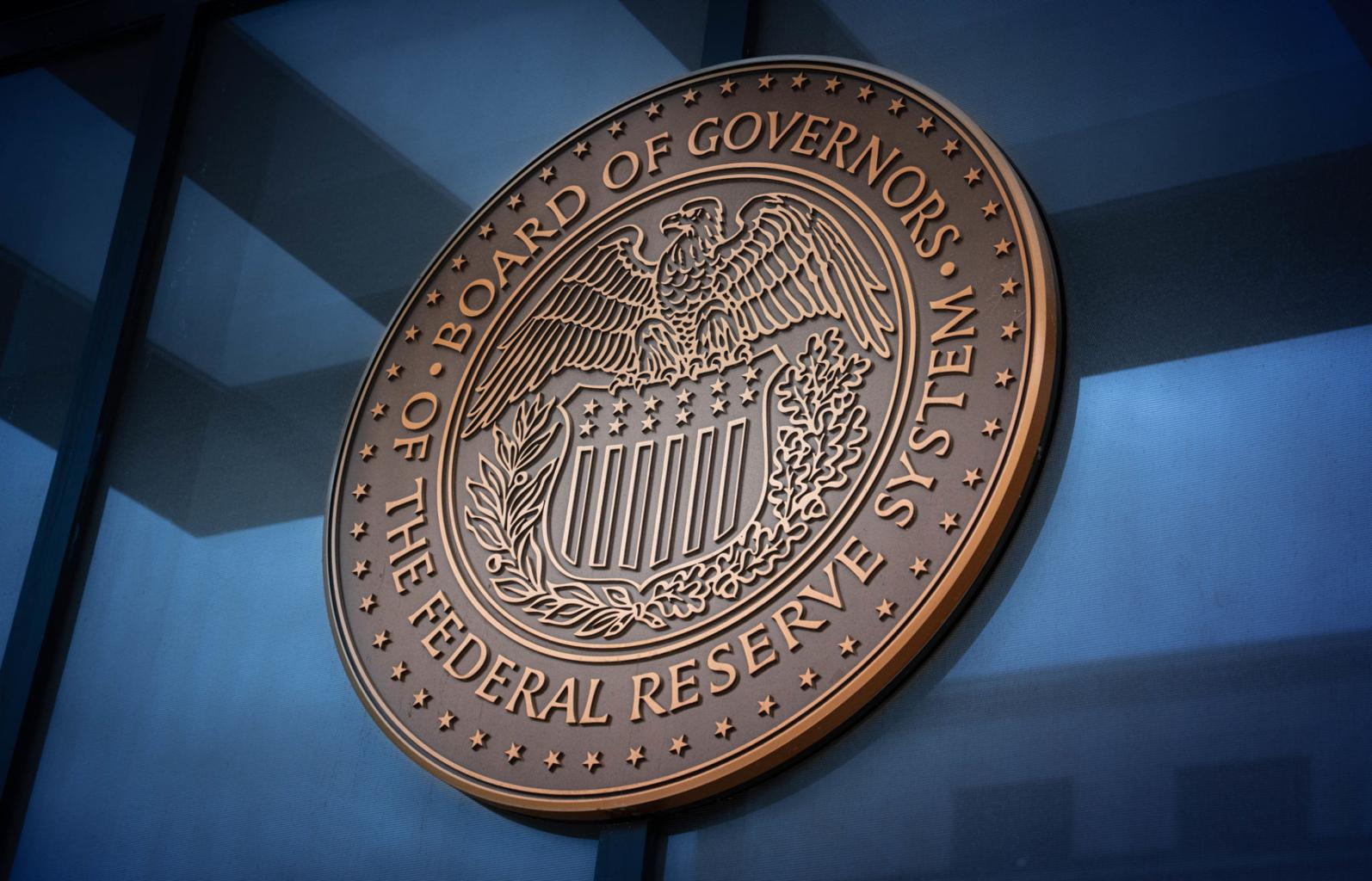
The Federal Reserve plays a central role in guiding the U.S. economy during uncertain periods. Through interest rate policy, financial system oversight, and clear communication, the central bank works to stabilize inflation, support employment, and maintain financial confidence. Understanding how the Federal Reserve operates helps Americans better interpret economic shifts that affect mortgages, markets, jobs, and everyday financial decisions.
Why the Federal Reserve Matters During Economic Uncertainty
Economic uncertainty can emerge from many sources: inflation spikes, global conflicts, financial market volatility, banking stress, or sudden disruptions like the pandemic in 2020. During these moments, the Federal Reserve—often simply called “the Fed”—serves as the United States’ central bank and one of the most influential institutions shaping economic conditions.
Established in 1913, the Federal Reserve operates with a dual mandate from Congress:
- Maintain price stability
- Promote maximum employment
When economic conditions become unstable, the Fed uses monetary policy tools and financial oversight to stabilize markets and maintain confidence in the financial system.
For many Americans, these decisions are felt indirectly but meaningfully—through mortgage rates, job opportunities, credit card interest rates, and investment returns.
Understanding the Federal Reserve’s Economic Toolkit
At the heart of the Fed’s influence is its ability to adjust financial conditions across the economy. While it cannot directly control inflation or employment overnight, it influences them through several powerful mechanisms.
1. Interest Rate Policy
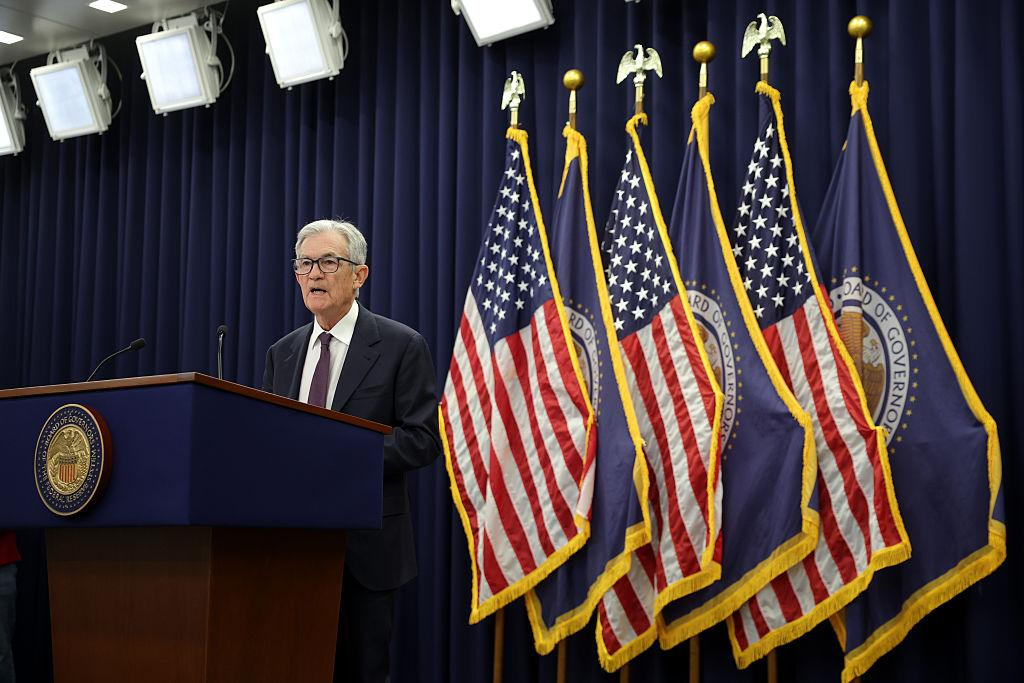
The most widely known tool is the federal funds rate, the interest rate banks charge each other for overnight lending. The Federal Open Market Committee (FOMC) meets roughly eight times per year to determine this rate.
When the Fed raises rates, borrowing becomes more expensive. This tends to:
- Slow consumer spending
- Reduce business investment
- Cool inflation
When the Fed lowers rates, borrowing becomes cheaper, which typically:
- Encourages spending and investment
- Supports economic growth
- Helps stabilize employment
For example, during the COVID-19 crisis in 2020, the Fed rapidly reduced rates to near zero to support economic activity.
2. Balance Sheet Policy and Asset Purchases
In addition to interest rates, the Fed can influence markets through large-scale asset purchases, sometimes referred to as quantitative easing (QE).
This strategy involves buying government securities such as Treasury bonds and mortgage-backed securities to inject liquidity into the financial system.
Historically, the Fed has used asset purchases during major economic disruptions, including:
- The 2008 global financial crisis
- The 2020 pandemic recession
These actions help lower long-term interest rates and support lending.
3. Financial System Oversight
Another critical function of the Federal Reserve is bank supervision and financial stability monitoring.
The Fed regulates large banking institutions and monitors systemic risks that could threaten the broader economy.
Examples include:
- Stress tests for major banks
- Monitoring liquidity risks
- Evaluating lending standards
These efforts are designed to prevent the type of cascading financial failures that occurred during the 2008 financial crisis.
How the Fed Responds to Inflation Surges
Inflation has been one of the most significant economic concerns for Americans in recent years. According to data from the U.S. Bureau of Labor Statistics, inflation reached 9.1% in June 2022, the highest level in four decades.
To address this surge, the Federal Reserve launched one of the fastest rate-hiking cycles in modern history.
The strategy aimed to gradually reduce demand in the economy without triggering a severe recession.
This balancing act is often referred to as “soft landing” monetary policy—slowing inflation while preserving employment growth.
The challenge is complex because monetary policy works with a delay. Rate changes may take six to eighteen months to fully affect economic activity.
Why the Federal Reserve Focuses on Employment
While inflation often dominates headlines, employment conditions are equally central to the Fed’s mission.
A strong labor market supports economic stability in several ways:
- Higher household income supports consumer spending
- Stable employment reduces recession risk
- Wage growth contributes to overall economic health
The Fed closely tracks indicators such as:
- Unemployment rate
- Job creation trends
- Wage growth
- Labor participation rates
For example, the unemployment rate in the U.S. fell to 3.4% in early 2023, one of the lowest levels in decades. During such periods, the Fed may prioritize inflation control because the labor market is already strong.
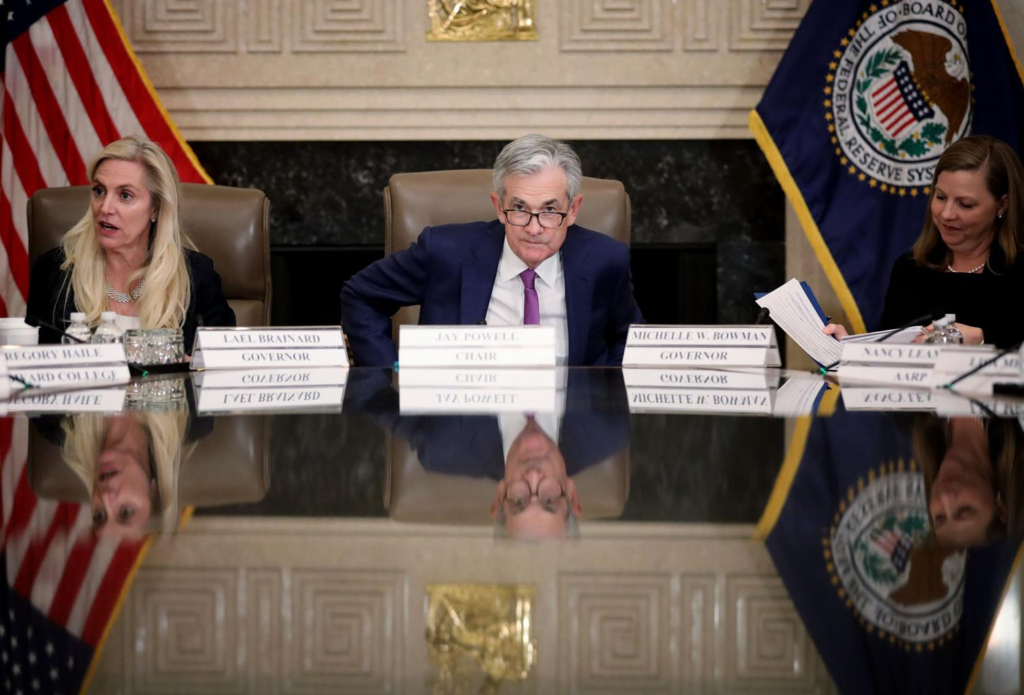
How Federal Reserve Communication Guides Markets
One often overlooked but extremely important tool is communication.
Financial markets closely analyze the Fed’s statements, speeches, and meeting minutes for clues about future policy.
This transparency serves two purposes:
- Guiding market expectations
- Reducing sudden economic shocks
When the Fed signals that rates may rise gradually, markets often adjust ahead of time, smoothing transitions in financial conditions.
Economists sometimes refer to this approach as forward guidance.
The Fed’s Role During Financial Crises
The Federal Reserve often takes its most visible actions during economic emergencies.
During crises, the Fed can act as a lender of last resort, providing liquidity to financial institutions that face temporary funding problems.
This role helps prevent panic from spreading through the financial system.
Notable examples include:
- 2008 Financial Crisis
The Fed provided emergency lending facilities to stabilize banks and credit markets. - COVID-19 Economic Shock (2020)
The Fed launched emergency lending programs and supported municipal and corporate bond markets.
These measures helped prevent a deeper economic collapse.
How Fed Decisions Affect Everyday Americans
Although Federal Reserve policy may seem distant from daily life, its decisions influence many financial realities.
Mortgage Rates
Interest rate policy directly affects mortgage rates. When the Fed raises rates, mortgage borrowing costs often rise as well, affecting home affordability.
Credit Card and Auto Loan Rates
Variable interest products such as credit cards typically adjust quickly after Fed rate changes.
Savings Accounts and CDs
Higher interest rates often benefit savers, as banks offer better returns on savings products.
Retirement and Investment Portfolios
Stock and bond markets respond strongly to expectations around Fed policy, influencing retirement accounts and investment portfolios.
How the Fed Balances Growth and Stability
One of the most difficult challenges for policymakers is balancing competing economic priorities.
If policy is too restrictive, economic growth could stall and unemployment may rise.
If policy is too loose, inflation may accelerate and erode purchasing power.
The Fed must therefore interpret a complex mix of economic indicators, including:
- Inflation trends
- GDP growth
- Labor market strength
- Global economic risks
- Financial market stability
Policy decisions are rarely straightforward, which is why economists often debate the appropriate timing and pace of Fed actions.

What Americans Often Ask About the Federal Reserve
What does the Federal Reserve actually control?
The Fed primarily controls short-term interest rates and regulates banks. It influences—but does not directly control—inflation, employment, and economic growth.
How often does the Federal Reserve meet?
The Federal Open Market Committee typically meets eight times per year to review economic conditions and determine monetary policy.
Does the Fed set mortgage rates?
No. Mortgage rates are set by lenders and bond markets, but they are strongly influenced by Fed policy and Treasury yields.
Why does the Fed raise interest rates?
Rates are typically raised to slow inflation and prevent the economy from overheating.
Can the Federal Reserve prevent recessions?
The Fed can reduce the severity of downturns but cannot eliminate economic cycles entirely.
Who leads the Federal Reserve?
The Federal Reserve is led by a Chair, appointed by the U.S. President and confirmed by the Senate.
Is the Federal Reserve part of the government?
The Fed is an independent central bank created by Congress but operates independently of political leadership in its policy decisions.
How long does it take for Fed policy to affect the economy?
Monetary policy usually influences economic activity over 6–18 months.
Why do financial markets react immediately to Fed announcements?
Markets respond to expectations about future policy changes, not just current actions.
What economic data does the Fed watch most closely?
Key indicators include inflation (CPI and PCE), unemployment rates, wage growth, and GDP trends.
The Ongoing Challenge of Economic Navigation
Steering a large and complex economy like that of the United States requires careful judgment and a willingness to adapt to evolving conditions. The Federal Reserve operates in a landscape shaped by global markets, technological change, demographic shifts, and geopolitical events.
Because of these forces, economic uncertainty is not unusual—it is a recurring feature of modern economies.
The Fed’s role is not to eliminate uncertainty but to help the financial system and broader economy navigate it with stability and resilience.
Key Signals to Watch From the Federal Reserve
For individuals, investors, and business leaders, several indicators often provide insight into where monetary policy may be headed.
- Changes in the federal funds rate
- Statements released after FOMC meetings
- Speeches from Federal Reserve officials
- Updates to inflation projections
- Labor market data trends
These signals help markets and households anticipate economic conditions and make more informed financial decisions.
Core Insights at a Glance
- The Federal Reserve serves as the central bank of the United States.
- Its primary goals are price stability and maximum employment.
- Interest rate policy is its most widely used economic tool.
- The Fed can also influence markets through asset purchases and liquidity programs.
- Communication and transparency play a key role in guiding financial markets.
- Policy decisions often take months to influence the economy.
- Fed actions affect mortgage rates, borrowing costs, savings returns, and investments.