Summary
After the inflation surge of 2021–2023, the Federal Reserve faces a delicate challenge: lowering inflation while protecting economic growth and employment. Through interest rate policy, balance-sheet adjustments, and forward guidance, the Fed shapes borrowing costs and financial conditions across the U.S. economy. Understanding how the Fed navigates the post-inflation landscape helps households, businesses, and investors make smarter financial decisions.
Understanding the Post-Inflation Economic Landscape
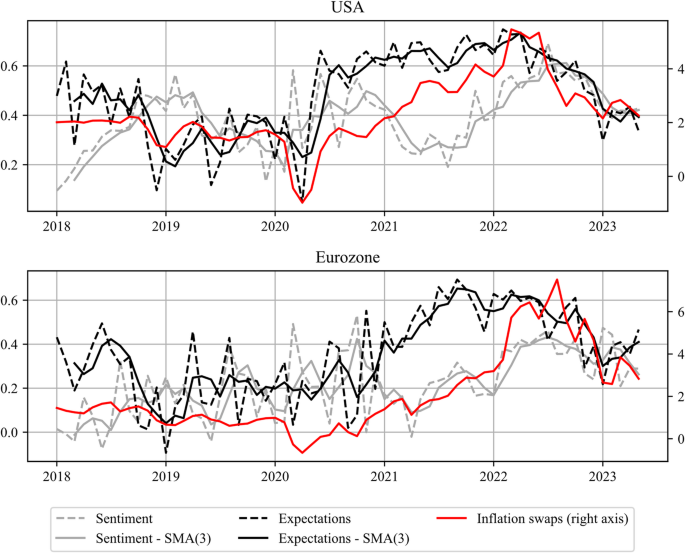
The United States experienced one of the sharpest inflation spikes in decades between 2021 and 2023. Consumer prices rose rapidly due to supply chain disruptions, pandemic stimulus, labor shortages, and energy shocks following geopolitical tensions.
According to the U.S. Bureau of Labor Statistics, inflation peaked at 9.1% year-over-year in June 2022, the highest level since 1981. In response, the Federal Reserve launched one of the most aggressive tightening cycles in modern history.
By raising interest rates and tightening financial conditions, the Fed aimed to reduce demand and bring inflation back toward its 2% target.
Today’s environment is often called the post-inflation phase. Inflation has cooled but has not fully normalized. Economic growth continues, unemployment remains relatively low, and policymakers must carefully balance competing risks.
The central challenge for the Federal Reserve is navigating between two dangers:
- Persistent inflation if policy loosens too early
- Economic slowdown or recession if policy remains too tight
The Fed’s strategy in this phase determines how smoothly the economy transitions back to stable price growth.
What the Federal Reserve Actually Controls
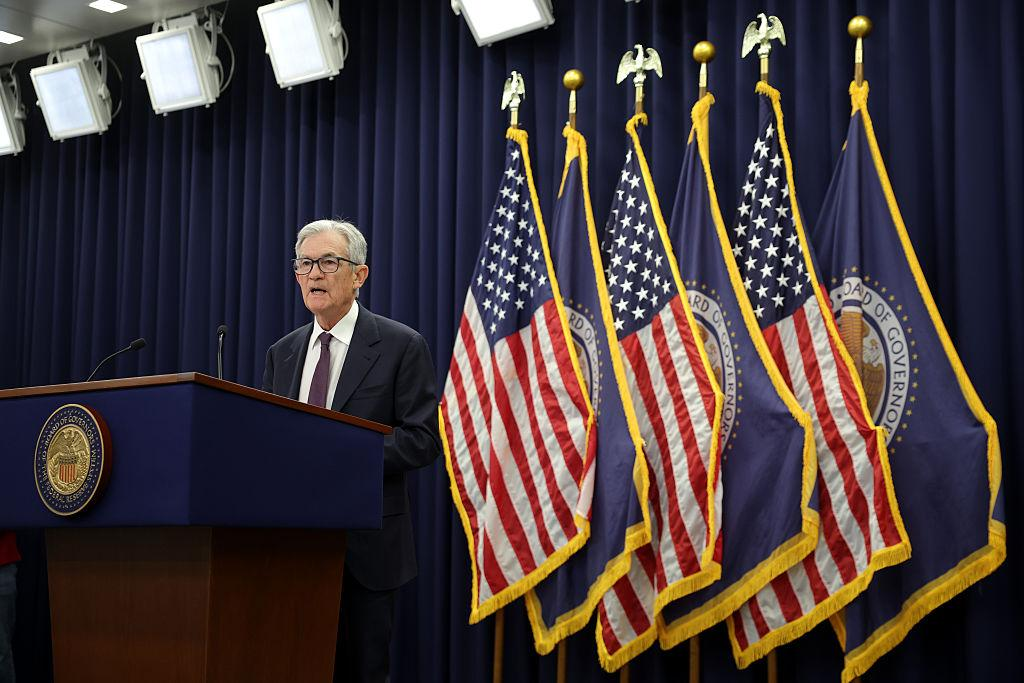
Many Americans assume the Federal Reserve directly controls inflation. In reality, the Fed influences inflation indirectly by adjusting financial conditions throughout the economy.
Its primary responsibilities include:
- Maintaining price stability
- Promoting maximum employment
- Supporting stable financial markets
These goals are often called the Fed’s dual mandate: stable prices and maximum employment.
To achieve them, the Fed uses several policy tools that ripple through credit markets, consumer spending, and business investment.
The Interest Rate Lever: The Fed’s Most Powerful Tool
The federal funds rate is the Fed’s main policy instrument. It is the interest rate at which banks lend reserves to one another overnight.
While this rate applies only to banks, it strongly influences the broader financial system.
When the Fed raises the federal funds rate:
- Mortgage rates typically increase
- Credit card interest rates rise
- Business loans become more expensive
- Consumer borrowing slows
- Investment decisions shift
This cooling effect reduces demand across the economy, helping slow price growth.
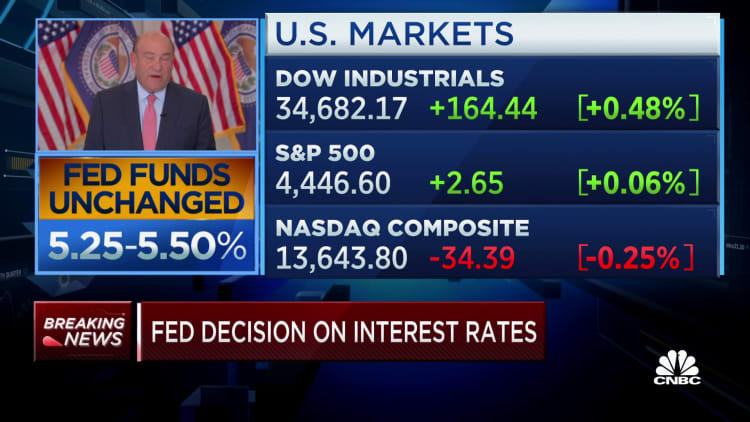
Between March 2022 and mid-2023, the Fed raised its benchmark rate from near 0% to over 5%, the fastest rate hike cycle since the 1980s.
This tightening slowed sectors such as housing, technology investment, and venture funding, helping inflation decline.
However, the Fed must carefully monitor how long those rates remain elevated.
Why Post-Inflation Policy Is More Complicated
Reducing inflation is only the first step. The harder part is managing the economy after inflation begins to fall.
If the Fed lowers interest rates too soon, inflation could re-accelerate. If it waits too long, businesses may cut hiring and investment.
This balancing act requires careful monitoring of several economic indicators.
Key signals the Fed watches include:
- Core inflation trends
- Wage growth
- Labor market participation
- Consumer spending
- Housing activity
- Credit conditions
- Global economic stability
The goal is often referred to as a “soft landing”—bringing inflation down without causing a recession.
Historically, achieving a soft landing has been difficult. But recent economic resilience suggests it may be possible.
Quantitative Tightening and the Fed’s Balance Sheet
Interest rates are not the only lever available to the Federal Reserve.
Another important policy tool is balance-sheet management, commonly known as quantitative tightening (QT).
During the COVID-19 pandemic, the Fed purchased trillions of dollars in Treasury securities and mortgage-backed bonds. This policy, called quantitative easing (QE), lowered long-term interest rates and stabilized financial markets.
Now, the Fed is gradually reversing that policy.
Through quantitative tightening, the Fed allows bonds on its balance sheet to mature without reinvesting the proceeds. This reduces liquidity in financial markets and helps tighten financial conditions.
The Fed’s balance sheet peaked near $9 trillion in 2022 and has been slowly shrinking since.
For investors and financial institutions, balance-sheet reduction can affect:
- Treasury yields
- Mortgage rates
- Equity market volatility
- Bank reserves
- Liquidity in credit markets
Although less visible than rate hikes, QT plays a meaningful role in post-inflation policy.
Forward Guidance: How the Fed Shapes Expectations
Monetary policy is not just about actions—it is also about communication.
The Federal Reserve uses forward guidance to signal its policy intentions. This includes press conferences, policy statements, economic projections, and speeches by Fed officials.
Why does communication matter?
Financial markets react immediately to expectations about future interest rates. Even subtle language shifts from the Fed can move bond yields, stock prices, and mortgage rates.
For example, when the Fed signals that rate cuts may occur in the coming year, long-term borrowing costs often decline before any official policy change occurs.
Clear communication helps prevent market panic and allows businesses and investors to plan ahead.
How Post-Inflation Policy Affects Everyday Americans
Federal Reserve decisions might seem abstract, but they directly affect daily financial life.
Housing
Mortgage rates are particularly sensitive to Fed policy.
When the Fed raises interest rates:
- Monthly mortgage payments increase
- Housing affordability declines
- Home sales slow
- Construction activity moderates
In 2023, mortgage rates briefly surpassed 7%, significantly slowing housing demand.
Consumer Borrowing
Credit card interest rates and auto loans also rise during tightening cycles.
Higher borrowing costs typically reduce discretionary spending on items like travel, electronics, and durable goods.
Employment
Businesses respond to tighter financial conditions by slowing hiring, delaying expansion, or cutting costs.
However, a strong labor market has remained one of the most resilient parts of the U.S. economy during the recent inflation fight.
Savings and Income
Higher interest rates can benefit savers.
Bank savings accounts, Treasury bills, and money market funds have offered significantly better yields compared to the near-zero rate environment of the previous decade.
What Businesses Watch in Post-Inflation Policy
Corporate leaders track Federal Reserve policy closely because borrowing costs and demand expectations shape investment decisions.
Businesses often adjust strategies based on three key factors:
1. Capital Costs
Higher interest rates increase the cost of financing equipment, infrastructure, and acquisitions.
2. Consumer Demand
If higher rates slow consumer spending, companies may scale back production.
3. Labor Costs
Wage growth remains a major driver of inflation. Companies carefully watch labor market trends to manage staffing plans.
For example, many technology firms reduced hiring in 2023 as financing conditions tightened and investor expectations shifted.
Risks the Federal Reserve Must Manage
The post-inflation period carries several economic risks.
Re-accelerating Inflation
If inflation stabilizes above the Fed’s 2% target, policymakers may need to keep interest rates higher for longer.
Persistent wage growth, strong consumer demand, or energy shocks could reignite price pressures.
Economic Slowdown
Excessively tight policy can restrict credit availability and slow business activity.
Historically, many inflation-fighting cycles have eventually resulted in recession.
Financial Market Stress
Rapid rate increases can create instability in financial institutions, particularly banks with large bond portfolios.
The regional banking stress of 2023 highlighted how quickly financial conditions can shift when interest rates rise sharply.
Managing these risks requires careful calibration of monetary policy.
The Long-Term Outlook for U.S. Monetary Policy
While the immediate inflation crisis has cooled, long-term structural factors will shape Federal Reserve policy in the coming years.
Several trends could influence inflation dynamics:
- Aging demographics
- Government fiscal spending
- Global supply chain shifts
- Energy transition investments
- Artificial intelligence productivity gains
These forces may determine whether inflation remains stable or becomes more volatile over the next decade.
The Fed’s credibility—built over decades of inflation control—remains one of its most powerful tools.
Maintaining that credibility requires consistent policy discipline and transparent communication.

Frequently Asked Questions
1. What is the Federal Reserve’s inflation target?
The Fed aims for 2% annual inflation, measured primarily through the Personal Consumption Expenditures (PCE) index.
2. Why did inflation rise so quickly after the pandemic?
Inflation surged due to supply chain disruptions, strong consumer demand, labor shortages, and fiscal stimulus programs.
3. How do interest rate hikes reduce inflation?
Higher interest rates make borrowing more expensive, slowing spending and investment across the economy.
4. What is a “soft landing”?
A soft landing occurs when inflation falls without causing a recession or significant job losses.
5. When will the Fed start cutting interest rates?
Rate cuts typically occur only after policymakers are confident inflation is sustainably moving toward 2%.
6. How does Fed policy affect mortgage rates?
Mortgage rates follow long-term Treasury yields, which are influenced by expectations about Federal Reserve policy.
7. What is quantitative tightening?
Quantitative tightening is the process of shrinking the Fed’s balance sheet by allowing bonds to mature without reinvestment.
8. Can the Fed control inflation alone?
No. Inflation is influenced by supply chains, fiscal policy, energy prices, and global economic conditions.
9. Why does the Fed emphasize employment as well as inflation?
The Fed’s dual mandate requires both stable prices and maximum sustainable employment.
10. How long do interest rate changes take to affect the economy?
Monetary policy typically affects economic activity with a lag of 6–18 months.
The Path Ahead for Monetary Stability
Navigating post-inflation conditions requires patience and precision. The Federal Reserve must balance inflation control with economic growth, ensuring policy remains flexible as new data emerges.
While inflation has moderated from its peak, the transition back to stable price growth is still unfolding. Businesses, investors, and households who understand how monetary policy works are better positioned to adapt to shifting economic conditions.
Ultimately, the Fed’s success depends not only on interest rate decisions but also on maintaining public confidence in its ability to guide the economy through uncertain cycles.
Key Insights for Understanding the Fed’s Post-Inflation Strategy
- The Federal Reserve uses interest rates to influence inflation and economic activity.
- The 2022–2023 tightening cycle was the fastest in decades.
- Post-inflation policy requires balancing economic growth with price stability.
- Quantitative tightening reduces liquidity in financial markets.
- Fed communication strongly influences market expectations.
- Interest rates affect housing, borrowing, and business investment.
- Achieving a soft landing remains a central policy goal.
- Long-term structural trends may shape future inflation dynamics.