Summary
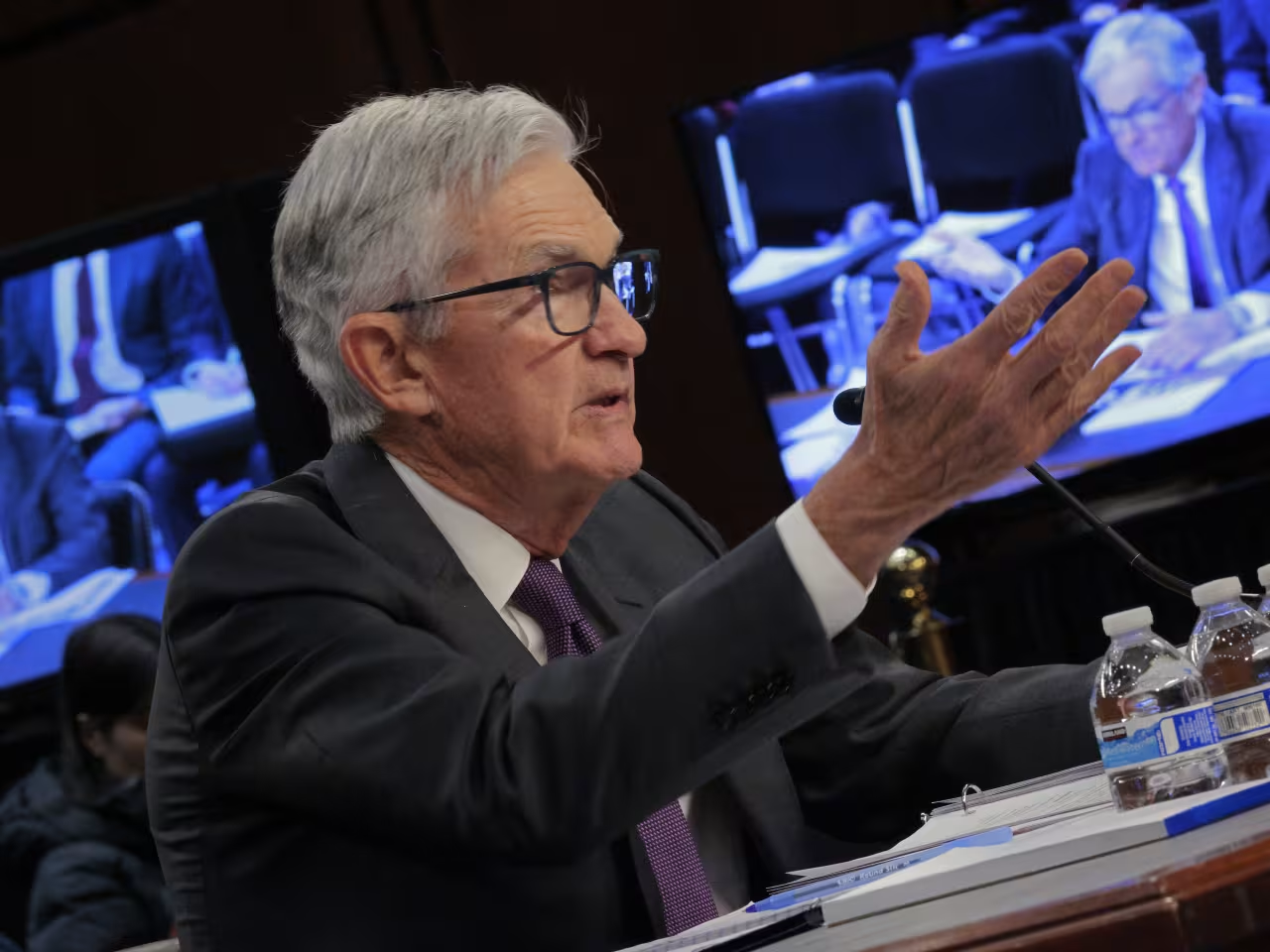
The Federal Reserve operates under a dual mandate from Congress: maintain price stability and promote maximum employment. These goals shape interest rate decisions, inflation policy, and economic stabilization efforts across the United States. Understanding how the Fed balances inflation control with job growth helps Americans interpret policy moves that influence mortgages, wages, business investment, and the broader economy.
Understanding the Federal Reserve’s Dual Mandate
The Federal Reserve—often simply called “the Fed”—sits at the center of the U.S. financial system. Established by Congress in 1913, it serves as the nation’s central bank. Over time, lawmakers expanded the Fed’s responsibilities, ultimately giving it a dual mandate: promote price stability and maximum employment.
This mandate comes from the Federal Reserve Reform Act of 1977, which clarified that the Fed must conduct monetary policy to achieve:
- Stable prices
- Maximum sustainable employment
- Moderate long-term interest rates
While all three are connected, price stability and employment are the two pillars that dominate policy decisions.
In practice, this means the Fed must constantly balance inflation risks with the need for economic growth and job creation. When inflation rises too quickly, policymakers may raise interest rates to cool demand. When unemployment rises sharply, they may lower rates to stimulate investment and hiring.
For American households, these decisions influence everything from credit card rates to job opportunities.

What Price Stability Actually Means
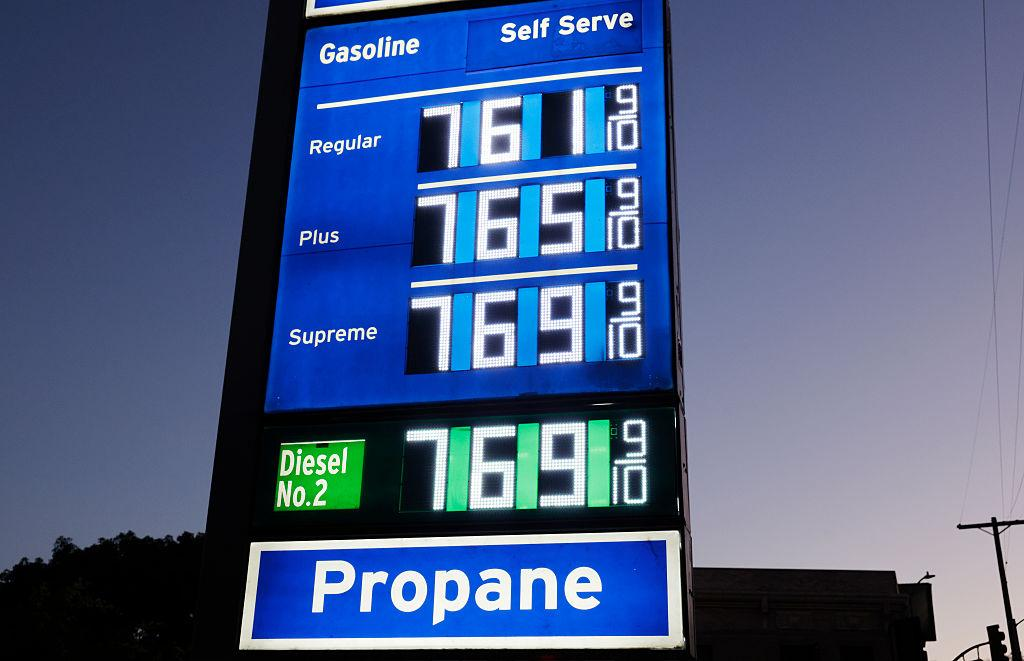
Price stability refers to keeping inflation low and predictable over time. Inflation occurs when the general level of prices for goods and services rises, reducing purchasing power.
The Federal Reserve currently targets around 2% annual inflation, measured primarily through the Personal Consumption Expenditures (PCE) Price Index.
A moderate, steady inflation rate is considered healthy because it:
- Encourages spending and investment
- Allows wages to rise gradually
- Prevents deflation, which can stall economic activity
But when inflation climbs too quickly—as seen during the 2021–2022 period—it can strain household budgets and distort economic decision-making.
Why High Inflation Creates Problems
High inflation affects Americans in several practical ways:
- Household budgets shrink as food, housing, and transportation costs rise.
- Savings lose purchasing power, particularly for retirees on fixed incomes.
- Business planning becomes harder, as input costs fluctuate.
- Interest rates often rise, increasing borrowing costs.
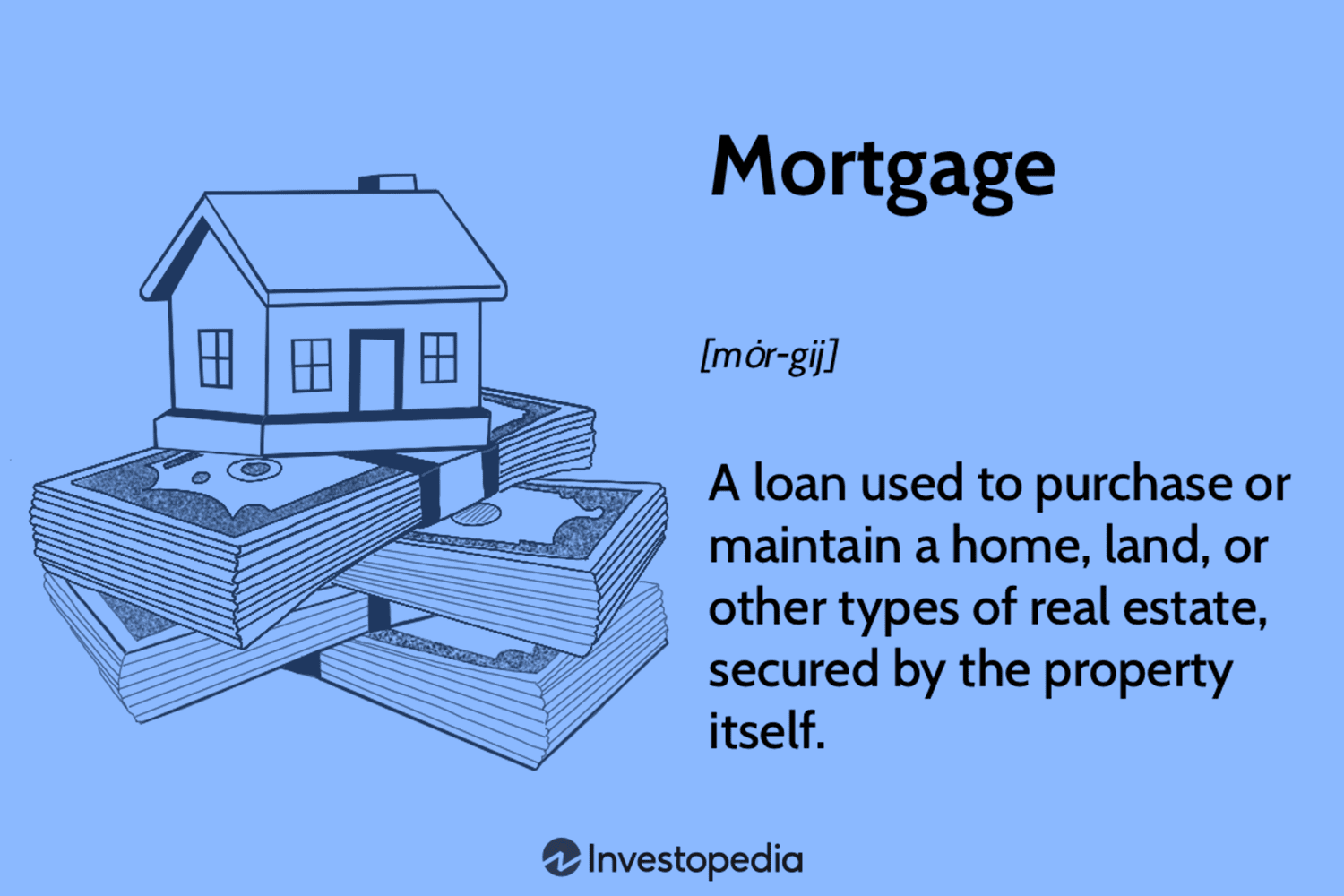
For example, during the inflation surge following the COVID-19 pandemic, the Fed raised interest rates aggressively to slow demand and stabilize prices. Mortgage rates jumped above 7% in 2023, illustrating how inflation control policies ripple across the economy.
Price stability therefore acts as the foundation for long-term economic growth.
The Meaning of Maximum Employment
The second half of the mandate—maximum employment—does not refer to zero unemployment. Instead, it refers to the highest level of employment the economy can sustain without triggering excessive inflation.
Economists often describe this as the “natural rate of unemployment.”
This rate fluctuates over time due to:
- Demographic changes
- Worker skills and education levels
- Technological shifts
- Business cycles
Historically, the U.S. unemployment rate has averaged around 5–6%, though it dropped below 4% in several years before the pandemic.
Maximum employment reflects a labor market where:
- Businesses can find workers
- Workers can find jobs
- Wages grow steadily
- Economic participation remains strong
Importantly, the Fed does not target a specific unemployment number. Instead, policymakers evaluate a range of labor indicators.

Key Employment Indicators the Fed Watches
To gauge labor market strength, the Fed analyzes multiple data points:
- Unemployment rate
- Labor force participation rate
- Job openings (JOLTS data)
- Wage growth
- Long-term unemployment
- Employment-to-population ratio
For example, in 2024 the U.S. unemployment rate hovered near historic lows while wage growth remained solid. These signals suggested a tight labor market, influencing how aggressively the Fed needed to fight inflation.
Why the Two Goals Sometimes Conflict
The challenge of the dual mandate is that price stability and maximum employment can occasionally pull policy in opposite directions.
When inflation rises, the Fed typically increases interest rates to slow economic activity. But tighter monetary policy can reduce business investment and hiring, potentially raising unemployment.
Conversely, when unemployment rises, the Fed often cuts rates to encourage borrowing and spending. Yet too much stimulus can overheat the economy and push inflation higher.
This balancing act defines modern monetary policy.
A Real-World Example: The Pandemic Recovery
During the early stages of the COVID-19 pandemic in 2020:
- Unemployment surged above 14%
- Economic activity collapsed
- Financial markets experienced severe volatility
The Fed responded with aggressive stimulus measures:
- Slashed interest rates near zero
- Purchased trillions in Treasury and mortgage securities
- Implemented emergency lending facilities
These actions helped stabilize markets and support job recovery. However, the rapid economic rebound combined with supply chain disruptions contributed to the inflation spike that followed.
By 2022, the Fed pivoted toward inflation control—raising interest rates at the fastest pace in decades.
This shift highlights the constant balancing required by the dual mandate.
How the Federal Reserve Actually Influences the Economy
The Fed cannot directly control inflation or employment. Instead, it influences economic conditions primarily through monetary policy tools.
Core Tools of Federal Reserve Policy
- Federal Funds Rate
The benchmark interest rate banks charge each other for overnight lending. Changes ripple through mortgages, auto loans, credit cards, and business borrowing. - Open Market Operations
Buying or selling U.S. Treasury securities to adjust liquidity in financial markets. - Quantitative Easing (QE)
Large-scale asset purchases designed to lower long-term interest rates during economic crises. - Forward Guidance
Communication strategies that signal future policy direction to influence market expectations. - Reserve Requirements and Bank Regulation
Policies that influence how much capital banks must hold.
These tools affect borrowing costs, asset prices, and investment behavior across the economy.
For example:
- Lower rates often stimulate housing markets and business expansion.
- Higher rates tend to cool spending and reduce inflation pressure.
The Role of the Federal Open Market Committee (FOMC)
Monetary policy decisions are made by the Federal Open Market Committee (FOMC), which meets about eight times each year.
The committee includes:
- The seven members of the Federal Reserve Board of Governors
- The president of the New York Federal Reserve Bank
- Four rotating presidents from regional Fed banks
Each meeting evaluates economic conditions, inflation trends, and labor market data before voting on interest rate policy.
Their decisions influence global financial markets almost immediately.
Investors, businesses, and policymakers closely watch FOMC announcements for clues about the direction of the U.S. economy.
Why the Dual Mandate Matters for Everyday Americans
Although central banking may sound abstract, the Fed’s mandate has direct effects on household finances and economic opportunity.
Practical Impacts on Daily Life
Mortgage and housing costs
Interest rate changes can dramatically affect monthly mortgage payments and housing affordability.
Credit card and loan rates
Consumer borrowing costs track closely with Fed policy shifts.
Job opportunities
When monetary policy supports growth, businesses hire more workers and wages often rise.
Retirement savings
Inflation control helps preserve the value of savings and fixed-income investments.
Business expansion
Stable prices and predictable interest rates allow companies to plan investments more confidently.
For example, small businesses often delay hiring when borrowing costs rise sharply. Similarly, homebuyers may postpone purchases when mortgage rates climb.
Measuring Success: How Economists Evaluate the Fed
Assessing whether the Fed has successfully achieved its mandate involves looking at long-term economic outcomes rather than short-term fluctuations.
Key evaluation criteria include:
- Inflation remaining close to the 2% target
- Low and stable unemployment
- Moderate wage growth
- Stable financial markets
- Sustainable economic expansion
Over the past several decades, the Fed has generally maintained inflation within manageable levels compared with the high inflation era of the 1970s.
However, critics sometimes argue the central bank reacts too slowly or too aggressively depending on the situation.
Debates about monetary policy remain common among economists, policymakers, and financial analysts.
Frequently Asked Questions
1. What is the Federal Reserve’s dual mandate?
The dual mandate requires the Federal Reserve to promote price stability and maximum employment while supporting moderate long-term interest rates.
2. What inflation rate does the Federal Reserve target?
The Fed aims for about 2% annual inflation, measured primarily through the Personal Consumption Expenditures (PCE) price index.
3. What does maximum employment mean?
Maximum employment refers to the highest sustainable level of employment without triggering excessive inflation.
4. Does the Fed control unemployment directly?
No. The Fed influences economic conditions through interest rates and monetary policy, which indirectly affect hiring and business investment.
5. Why does the Fed raise interest rates?
Interest rates rise when the Fed wants to reduce inflation by slowing economic demand.
6. Why would the Fed lower interest rates?
Lower rates encourage borrowing, spending, and investment during economic slowdowns.
7. Who decides Federal Reserve policy?
The Federal Open Market Committee (FOMC) sets interest rates and major monetary policy decisions.
8. How often does the Fed change interest rates?
The FOMC meets roughly eight times per year, though emergency meetings can occur during crises.
9. Why can’t inflation simply be reduced immediately?
Monetary policy works with time delays. Changes in interest rates can take months or years to fully affect inflation and employment.
10. Does the Fed prioritize inflation or employment?
The Fed attempts to balance both goals, though the emphasis may shift depending on economic conditions.
Balancing Stability and Opportunity in the American Economy
The Federal Reserve’s dual mandate reflects a central challenge of modern economic governance: maintaining stable prices while ensuring broad access to employment.
Neither goal can be pursued in isolation. Too much focus on inflation control risks slowing growth and limiting job opportunities. Too much emphasis on employment risks overheating the economy and eroding purchasing power.
The Fed’s role, therefore, is not to eliminate economic cycles but to reduce their extremes—supporting steady growth, resilient labor markets, and long-term financial stability.
Key Insights at a Glance
- The Federal Reserve operates under a dual mandate from Congress.
- Its two primary goals are price stability and maximum employment.
- The Fed targets around 2% inflation as a sign of healthy economic balance.
- Monetary policy decisions influence interest rates, borrowing costs, and investment.
- Achieving both goals simultaneously requires constant policy adjustment.
Economic Balance in a Dynamic Economy
The Federal Reserve’s dual mandate represents one of the most delicate responsibilities in economic policy. Maintaining stable prices while supporting a strong labor market requires constant analysis, data interpretation, and policy adjustments.
For Americans, understanding this balance helps make sense of changing interest rates, inflation headlines, and shifts in employment trends.
Essential Points to Remember
- The Fed’s mandate comes directly from U.S. Congress legislation.
- Inflation control protects purchasing power and financial stability.
- Maximum employment supports broad economic opportunity.
- Interest rate policy is the Fed’s primary economic lever.
- Achieving both goals simultaneously requires careful policy trade-offs.