Tax policy debates in the United States are shaped by fundamental economic questions about growth, fairness, government revenue, and global competitiveness. Policymakers are evaluating how tax rules affect households, businesses, and long-term fiscal stability. Understanding the economic issues behind these debates helps Americans better interpret policy proposals and anticipate how potential reforms could influence the broader economy.
Why Economic Questions Shape Tax Policy
Tax policy rarely develops in isolation. Instead, it emerges from broader economic debates about how governments should fund public programs while supporting economic growth.
Every tax rule—whether it applies to wages, corporate profits, or investments—affects economic behavior. Because of this, policymakers often examine tax proposals through the lens of economic incentives, budget sustainability, and distributional impact.
Research organizations such as the Congressional Budget Office and the Tax Policy Center regularly analyze how tax policies influence economic activity, income distribution, and government revenue.
At the center of today’s policy conversations are several key economic questions. These questions help frame discussions about whether the current tax system supports long-term prosperity and financial stability.
How Much Revenue Should the Government Collect?
One of the most fundamental economic questions in tax policy is how much revenue the federal government should collect.
Taxes fund a wide range of programs, including national defense, infrastructure, healthcare, and retirement benefits administered by the Social Security Administration.
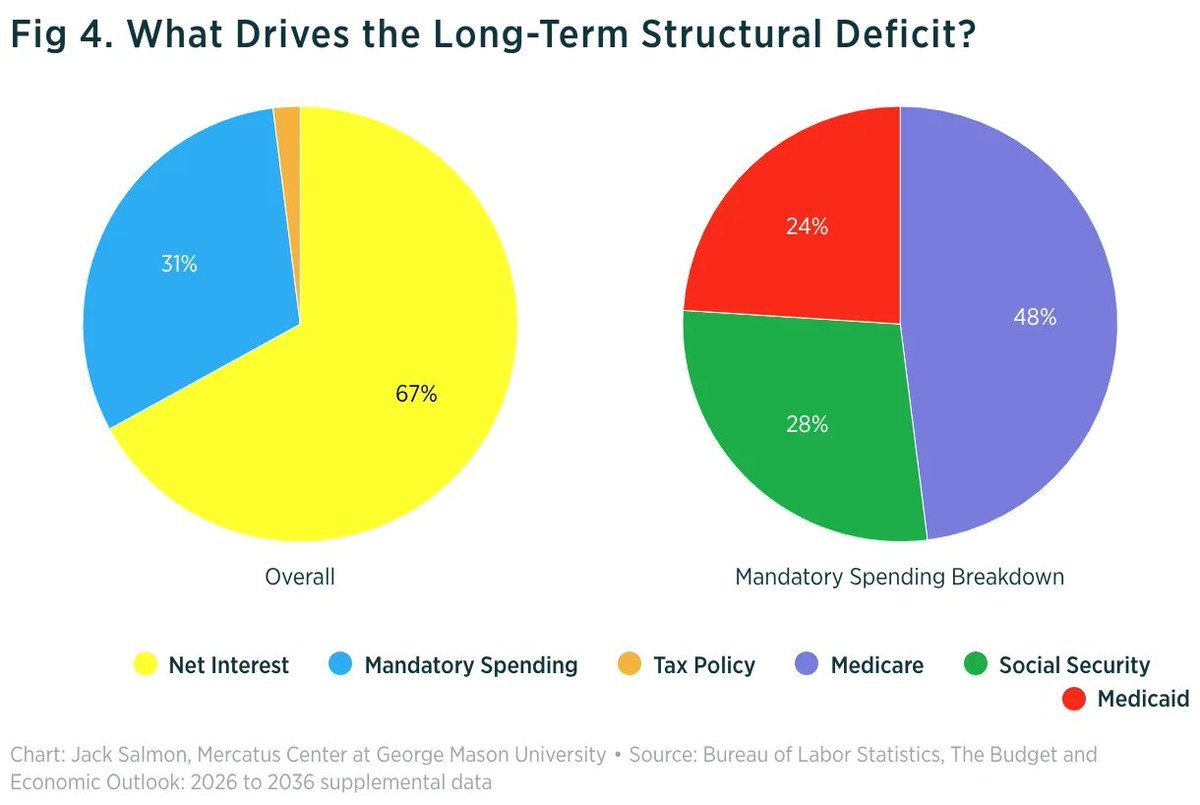
According to projections from the Congressional Budget Office, federal spending is expected to grow in coming decades due to demographic changes and rising healthcare costs.
This raises an important policy question: should revenue increase to match spending, or should spending be adjusted to align with current revenue levels?
Tax policy becomes a central tool in addressing this challenge. Decisions about tax rates, deductions, and enforcement all influence how much revenue the government ultimately collects.
What Is the Best Way to Support Economic Growth?
Another central issue is how tax policy affects economic growth.
Taxes can influence decisions made by households and businesses, including whether to work additional hours, start a business, or invest in new technologies.
Policymakers often consider whether tax rules encourage or discourage these activities.
Examples include:
- Lower tax rates on business investment intended to stimulate expansion
- Tax credits designed to encourage research and innovation
- Incentives that support workforce participation
For instance, a company considering whether to build a new manufacturing facility may evaluate how tax incentives affect the cost of that investment. If tax rules allow the company to deduct equipment costs more quickly, the project may become financially viable sooner.
Economic research often focuses on how these incentives shape long-term productivity and job creation.
How Should Tax Burdens Be Distributed?
Fairness is another key dimension of tax policy debates.
The federal income tax system is structured progressively, meaning higher-income households generally pay a larger share of their income in taxes.
However, policymakers continue to examine whether the overall tax structure distributes tax burdens appropriately across income groups.
This discussion often involves several issues:
- The taxation of investment income compared with wages
- The role of payroll taxes in funding social insurance programs
- The balance between individual and corporate taxation
For example, some analysts note that payroll taxes apply primarily to wages but not most investment income. Because of this, they play a larger role in the tax burden for many middle-income workers.
Debates about fairness often involve weighing competing goals—ensuring adequate revenue while maintaining incentives for work, saving, and investment.
How Do Corporate Taxes Affect Investment?
Corporate tax policy is another important area of economic analysis.
Businesses make long-term investment decisions based on expected returns. Taxes influence those returns by affecting the portion of profits companies keep after paying taxes.
The Tax Cuts and Jobs Act reduced the federal corporate tax rate to 21 percent. Policymakers continue to evaluate whether that rate effectively balances competitiveness with federal revenue needs.
Economic questions surrounding corporate taxation include:
- Whether lower corporate taxes encourage domestic investment
- How corporate taxes affect wages and employment
- The extent to which corporate taxes are ultimately borne by shareholders, workers, or consumers
These issues remain central to discussions about future tax reforms.
What Role Should Taxes Play in Reducing Inequality?
Economic inequality has become a major topic in policy debates over the past decade.
Some policymakers view tax policy as a tool to reduce income disparities, while others emphasize the importance of maintaining incentives for entrepreneurship and investment.
The debate often centers on how different forms of income are taxed.
Examples include:
- Capital gains taxes on investment profits
- Estate taxes on inherited wealth
- Tax credits designed to support low- and middle-income households
Researchers at organizations such as the Brookings Institution frequently study how tax policies influence economic inequality.
While opinions differ on the appropriate level of redistribution, most policymakers agree that the structure of the tax system plays a role in shaping income distribution.
How Globalization Is Influencing Tax Policy
The global economy has added new complexity to tax policy discussions.
Multinational corporations often operate across multiple countries, which raises questions about where profits should be taxed.
The Organisation for Economic Co-operation and Development has led international efforts to develop frameworks that address challenges such as profit shifting and digital economy taxation.
For policymakers in the United States, these developments raise several economic questions:
- How can tax policies remain competitive internationally?
- How should profits earned abroad be taxed?
- What role should international agreements play in shaping domestic tax law?
These questions are becoming increasingly important as global economic integration continues.
How Tax Complexity Affects the Economy
Another economic question involves the administrative complexity of the tax system.
The United States tax code includes thousands of pages of rules governing deductions, credits, and reporting requirements. While these provisions often serve specific policy goals, they can also increase compliance costs.
Small businesses and self-employed workers often rely on accountants or tax professionals to navigate complex filing requirements.
Some policymakers argue that simplifying the tax code could produce economic benefits, including:
- Lower compliance costs for businesses
- Reduced administrative burden on households
- Improved efficiency in tax administration
The Internal Revenue Service has periodically introduced modernization initiatives aimed at improving filing systems and taxpayer services.
What Role Do Tax Incentives Play in Public Policy?
Tax incentives are frequently used to promote specific economic objectives.
Rather than funding programs through direct spending, governments sometimes use tax credits or deductions to encourage desired behaviors.
Common examples include:
- Tax credits for renewable energy investments
- Deductions for charitable contributions
- Research and development tax credits for innovation
For instance, a technology startup investing heavily in product development may qualify for research tax credits that offset a portion of its expenses.
While these incentives can promote policy goals, they also raise economic questions about cost effectiveness and fairness.
Policymakers must evaluate whether tax incentives achieve their intended outcomes and whether they justify the reduction in tax revenue.
What Americans Are Asking About Tax Policy
Many taxpayers want practical answers to questions about how economic debates influence real-world tax policy.
Below are some of the most common questions people ask.
Frequently Asked Questions
Why do tax policy debates focus on economic growth?
Taxes influence investment, hiring, and consumer spending, all of which affect economic growth.
Who studies the economic impact of tax policy?
Organizations such as the Congressional Budget Office and the Tax Policy Center regularly analyze tax proposals.
How do corporate taxes affect workers?
Some economists believe corporate taxes can influence wages and employment through their impact on business investment.
Why are capital gains taxed differently?
Lower capital gains tax rates are often intended to encourage long-term investment.
What are tax incentives?
They are provisions such as credits or deductions designed to encourage specific economic activities.
How does globalization affect tax policy?
International business operations raise questions about where corporate profits should be taxed.
Why is tax simplicity important?
Simpler tax rules can reduce compliance costs and make filing easier for individuals and businesses.
Can tax policy reduce income inequality?
Some tax policies are designed to redistribute income through progressive tax rates and targeted credits.
Why are federal budget projections important in tax debates?
Budget projections help policymakers evaluate whether tax policies generate enough revenue to support government programs.
Navigating the Economic Trade-Offs
Tax policy inevitably involves trade-offs. Policies designed to raise revenue may affect economic incentives, while tax cuts aimed at stimulating growth may reduce government funding for public programs.
This balancing act is why tax policy discussions often involve detailed economic analysis.
Lawmakers must evaluate multiple factors, including:
- Economic growth projections
- Income distribution effects
- Administrative feasibility
- Long-term fiscal sustainability
For taxpayers and business leaders, understanding these trade-offs provides important context for interpreting policy debates.
The Questions That Will Shape Future Tax Policy
The economic questions driving today’s tax discussions will likely continue influencing policy for years to come.
As economic conditions evolve, policymakers will revisit issues such as globalization, technological change, demographic trends, and fiscal sustainability.
These developments will shape how the United States approaches taxation in the future.
For individuals and businesses alike, staying informed about the economic foundations of tax policy can provide valuable insight into how future reforms may unfold.
A Closer Look at the Forces Behind Tax Policy Decisions
The ongoing debate about tax policy reflects deeper questions about how governments should balance economic growth, fiscal responsibility, and fairness.
These questions do not have simple answers. Instead, they require careful evaluation of data, economic theory, and real-world outcomes.
By examining the economic forces shaping tax discussions, Americans can better understand why policymakers approach tax reform the way they do—and how those decisions may affect the broader economy.
Core Economic Themes from Today’s Tax Policy Debate
- Federal tax policy is closely tied to government revenue needs.
- Economic growth considerations influence many tax proposals.
- Corporate taxes play a key role in investment decisions.
- Globalization is reshaping international tax policy discussions.
- Tax simplicity and administrative efficiency remain important goals.