Tax reform remains one of the most consequential policy debates in the United States. As lawmakers reconsider expiring provisions and explore new revenue strategies, economists and policymakers are evaluating how reforms could influence economic growth, federal finances, and household taxes. Understanding the current proposals helps Americans better anticipate potential changes affecting investment decisions, business activity, and long-term fiscal stability.
Why Tax Reform Remains a Central Policy Issue
Tax reform periodically resurfaces as a major national policy priority because the tax system sits at the center of government funding, economic incentives, and household finances. In the United States, federal taxes fund major programs such as Social Security, defense, and infrastructure while also shaping decisions about work, saving, and investment.
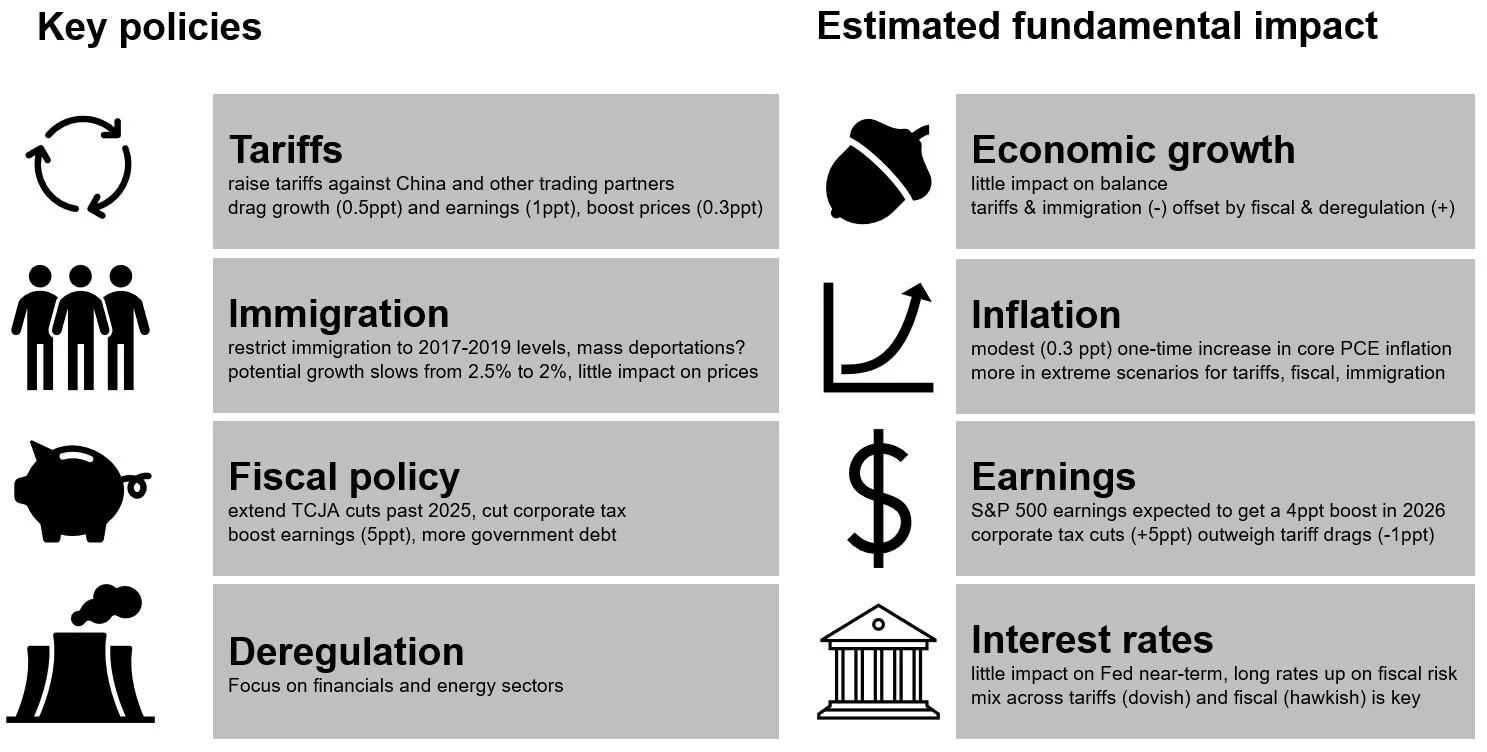
The most recent large-scale overhaul occurred with the passage of the Tax Cuts and Jobs Act. That legislation changed individual tax brackets, lowered the corporate tax rate, introduced new deductions for small businesses, and modified international taxation rules. However, many provisions affecting households and small businesses are scheduled to expire within the next few years.
This looming deadline has prompted economists, policymakers, and research organizations to analyze potential reforms that could redefine the structure of the U.S. tax system. Analysts at institutions such as the Congressional Budget Office and the Tax Foundation regularly evaluate how proposed changes might influence federal revenue and economic activity.
For households and business owners, the debate is not just theoretical. Tax policy can affect take-home income, investment returns, and the cost of doing business.
The Fiscal Pressures Driving New Reform Discussions
One reason tax reform has returned to the policy spotlight is the growing pressure on federal finances. Government spending has increased over time as the population ages and healthcare costs rise. At the same time, interest payments on federal debt are projected to consume a larger share of the federal budget.
According to projections from the Congressional Budget Office, federal debt relative to the size of the economy could continue rising over the next several decades unless fiscal policies change.
This dynamic has prompted policymakers to consider a range of tax reforms designed to strengthen government revenue while maintaining incentives for economic growth.
Common policy objectives include:
- Ensuring the tax system generates sustainable revenue
- Encouraging business investment and productivity
- Maintaining international competitiveness
- Improving fairness and simplicity in the tax code
Balancing these goals often requires trade-offs, which explains why tax reform discussions can become complex and politically sensitive.
How Tax Policy Influences Economic Growth
Economists often analyze tax reform through the lens of economic growth. Tax policies influence decisions about work, saving, entrepreneurship, and investment.
Lower marginal tax rates can increase incentives for individuals to work additional hours or start businesses. Investment incentives can encourage companies to expand operations, develop new technologies, or hire additional employees.
However, economists also emphasize that tax cuts alone do not guarantee economic expansion. Long-term growth typically depends on several factors, including productivity, workforce participation, and technological innovation.
Research in fields such as Public Economics and Macroeconomics often evaluates how tax policy interacts with these broader economic drivers.
For example, allowing companies to deduct research expenditures can encourage innovation in industries such as biotechnology or advanced manufacturing. Conversely, complex or uncertain tax rules can sometimes discourage long-term investment.
The Debate Over Corporate Tax Policy
Corporate taxation continues to be one of the most closely watched areas of tax reform.
The 2017 reform significantly reduced the federal corporate tax rate in an effort to make the United States more competitive globally. Prior to that reform, the U.S. had one of the highest statutory corporate tax rates among developed economies.
Since then, economists have debated whether the new rate strikes the right balance between attracting investment and generating sufficient revenue.
Several questions remain central to the debate:
- Should the current corporate tax rate remain unchanged?
- How should multinational corporations be taxed on foreign profits?
- What role should international agreements play in global tax coordination?
- How can policymakers reduce incentives for profit shifting across borders?
Globalization and digital business models have complicated corporate taxation because companies can operate across many jurisdictions simultaneously. As a result, policymakers are exploring updated rules that reflect modern economic realities.
The Role of Small Business Tax Provisions
Small businesses play a major role in the U.S. economy. According to data from the U.S. Small Business Administration, small firms account for a significant share of employment and business activity nationwide.
Many small businesses operate as pass-through entities, meaning profits are taxed through the owner’s individual tax return rather than a corporate tax system.
One widely discussed provision is the Qualified Business Income deduction introduced under the Tax Cuts and Jobs Act. This rule allows certain business owners to deduct up to 20 percent of eligible business income.
Economists continue to debate whether the deduction effectively encourages entrepreneurship or primarily benefits existing businesses.
Potential reforms under discussion include:
- Extending the deduction beyond its current expiration date
- Modifying eligibility rules for certain industries
- Replacing the deduction with simplified small-business tax structures
For a local restaurant owner or contractor, these changes could significantly influence expansion plans, hiring decisions, and investment strategies.
Tax Reform and Household Finances
While corporate and business taxation often dominate policy headlines, many reforms ultimately affect individual taxpayers.
Several provisions affecting households may change depending on future legislation. These include adjustments to tax brackets, standard deductions, and certain itemized deductions.
For example, families planning long-term financial strategies often pay close attention to how tax policy affects:
- Retirement savings accounts
- education-related tax credits
- homeownership deductions
- capital gains taxes on investments
Consider a household saving for retirement through tax-advantaged accounts. Changes in tax incentives can influence how much families choose to contribute each year.
Similarly, investors evaluating stock or real estate purchases may factor potential capital gains tax changes into long-term planning decisions.
The Expanding Role of Targeted Tax Credits
Another emerging trend in tax reform involves the use of targeted tax credits designed to promote specific economic activities.
These credits often aim to encourage investment in areas that policymakers consider nationally important.
Recent proposals and policy initiatives have emphasized incentives related to:
- clean energy and renewable technologies
- domestic manufacturing
- infrastructure modernization
- research and technological development
For instance, tax incentives supporting renewable energy projects can encourage private investment in solar or wind energy facilities.
Economists often evaluate the effectiveness of these incentives by studying whether they change business behavior or simply subsidize investments that would have occurred anyway.
Despite these debates, targeted credits remain a popular policy tool because they allow governments to pursue economic goals through the tax system.
Why Tax Reform Is Often Gradual Rather Than Immediate
Many Americans expect tax reform to produce rapid changes, but in reality, reforms often unfold gradually.
Major tax legislation requires extensive negotiations within Congress, followed by implementation periods that allow businesses and households to adjust.
Additionally, policymakers frequently phase in new provisions over multiple years to minimize economic disruption.
This incremental approach helps maintain stability within the broader economy while allowing policymakers to evaluate the effects of policy changes over time.
Frequently Asked Questions
1. What is tax reform?
Tax reform refers to significant changes in tax laws designed to improve economic efficiency, fairness, or government revenue.
2. Why do tax laws change over time?
Economic conditions, government spending needs, and evolving business models often require adjustments to tax policies.
3. What is the Tax Cuts and Jobs Act?
The Tax Cuts and Jobs Act was a major overhaul of the U.S. tax system enacted in 2017 that changed corporate and individual taxation.
4. Will individual tax rates change soon?
Many individual tax provisions are scheduled to expire, which means Congress may revise or extend them in future legislation.
5. How does tax policy affect economic growth?
Taxes influence incentives for work, saving, and investment, all of which contribute to economic activity.
6. Why are corporate taxes controversial?
Corporate taxes must balance revenue needs with the goal of maintaining global competitiveness for U.S. businesses.
7. What are pass-through businesses?
Pass-through businesses are entities where profits are taxed through the owner’s personal tax return rather than a corporate tax structure.
8. Why are tax credits used in policy?
Tax credits can encourage investment in sectors policymakers want to support, such as research or renewable energy.
9. How do tax reforms affect families?
Changes to deductions, credits, and tax brackets can influence household take-home income and financial planning.
10. Where can Americans track tax policy changes?
Government reports, research institutions, and congressional publications regularly publish updates on proposed reforms.
Looking Ahead: How Today’s Policy Debates May Shape Tomorrow’s Tax System
Tax reform discussions in the United States rarely focus on a single issue. Instead, policymakers must balance economic growth, fairness, revenue needs, and administrative simplicity.
The current debate reflects broader questions about how the tax system should function in a globalized, technology-driven economy. As lawmakers evaluate new proposals, the outcome will likely influence investment patterns, business decisions, and federal finances for decades to come.
For individuals and businesses alike, understanding the direction of tax policy can help inform financial planning and long-term economic strategy.
Key Signals Emerging From Today’s Tax Reform Debate
- Expiring provisions from the 2017 tax reform are driving new legislative discussions
- Policymakers are balancing revenue needs with economic growth incentives
- Corporate tax competitiveness remains a major policy consideration
- Small-business tax provisions may undergo significant revisions
- Targeted tax credits are increasingly used to guide economic investment
- Long-term federal debt projections are shaping reform priorities