Summary
Pre-market trading reveals how investors are reacting to overnight news before the regular market opens. Corporate earnings, analyst upgrades, economic reports, and geopolitical events often trigger the biggest early movers. Understanding which stocks lead pre-market activity—and why—helps traders anticipate volatility, evaluate sentiment, and identify potential opportunities before the opening bell.
Understanding Pre-Market Trading in the U.S.
Pre-market trading refers to stock market activity that occurs before the official opening of major U.S. exchanges, typically between 4:00 a.m. and 9:30 a.m. Eastern Time. During these hours, institutional investors, hedge funds, and increasingly retail traders analyze overnight developments and position themselves ahead of the regular trading session.
While liquidity is generally lower during pre-market hours, price movements can be significant. Stocks that surge or plunge early often become market movers once regular trading begins.
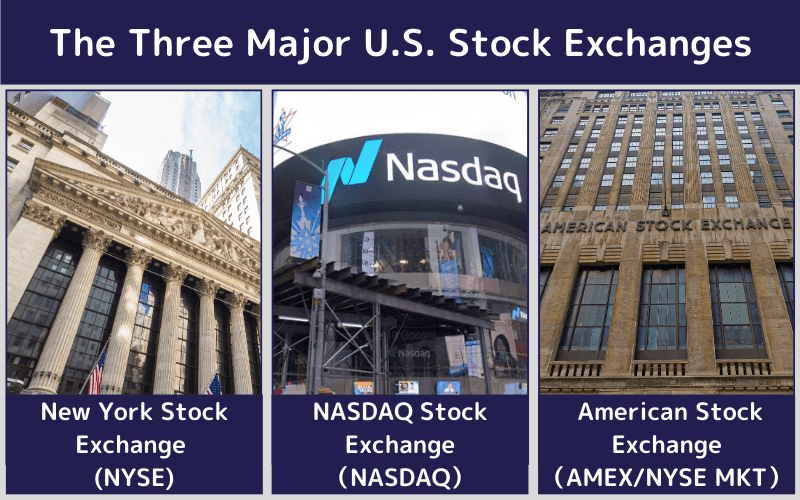
Pre-market trading takes place through electronic communication networks (ECNs) rather than traditional exchange floors. Platforms such as Nasdaq’s pre-market session allow investors to react immediately to information released after the previous day’s close.
For traders, watching pre-market activity provides an early read on:
- Investor sentiment
- Sector rotation
- Market reaction to earnings or news
- Potential volatility during the opening hour
Because overnight news can dramatically shift expectations, the stocks dominating pre-market trading often set the tone for the entire market day.

What Makes a Stock a “Market Mover” Before the Bell?
A pre-market market mover is a stock experiencing unusually large price or volume changes before 9:30 a.m. ET.
These moves typically occur when new information materially changes the outlook for a company or the broader economy.
Several catalysts frequently trigger strong early trading.
Earnings Reports Released After Market Close
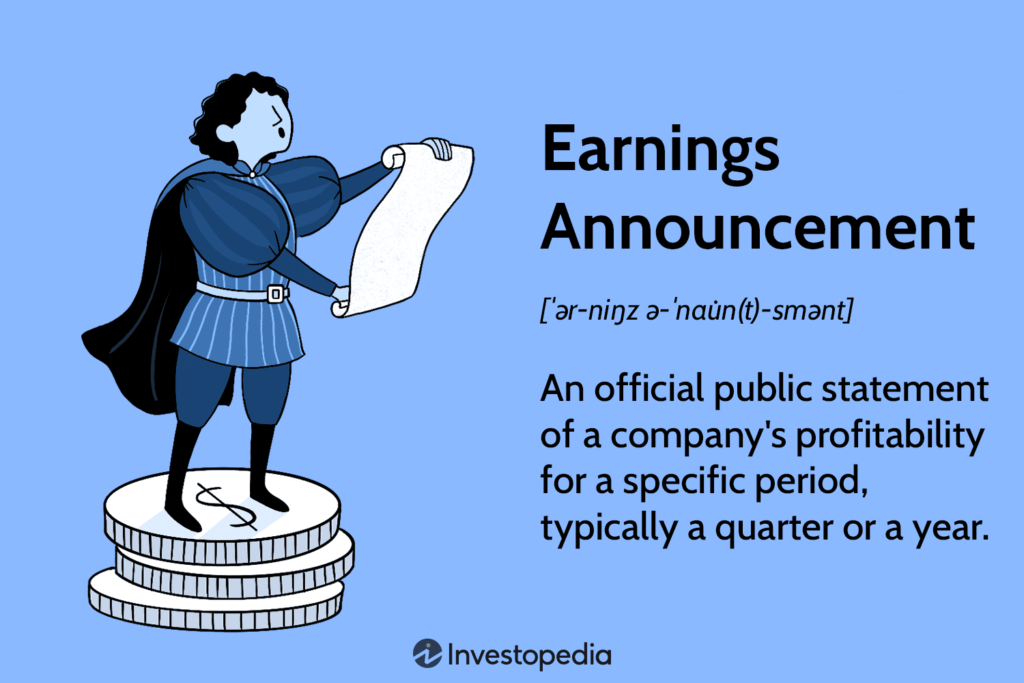
Many publicly traded companies release quarterly earnings after the market closes or before the next session begins. If the results surprise investors—either positively or negatively—the stock may move sharply during pre-market hours.
For example, when major technology companies report stronger-than-expected revenue growth, their shares can jump several percentage points before the opening bell.
Earnings calls often occur during this time as well, providing additional commentary that influences investor expectations.
Analyst Ratings and Price Target Changes
Wall Street analysts frequently publish upgrades, downgrades, and revised price targets overnight. These reports can quickly impact investor sentiment.
For instance, if a major investment bank raises its price target on a semiconductor company due to stronger demand forecasts, traders may start buying the stock before the market opens.
Economic Data Releases
Important U.S. economic reports—such as employment data, inflation readings, or GDP estimates—often release before the opening bell.
When these reports significantly diverge from expectations, they can affect multiple stocks simultaneously, particularly in interest-rate-sensitive sectors like banking and real estate.
Corporate Announcements and M&A Activity
News about mergers, acquisitions, leadership changes, product launches, or regulatory decisions frequently breaks overnight.
A confirmed acquisition offer, for example, can push a stock dramatically higher during pre-market trading as investors price in the deal premium.
Global Market Developments
Overnight movements in Asian and European markets can also influence U.S. pre-market trading.
Major geopolitical events, commodity price shifts, or central bank announcements may cause traders to reposition before the U.S. session begins.
Where Traders Track Pre-Market Market Movers
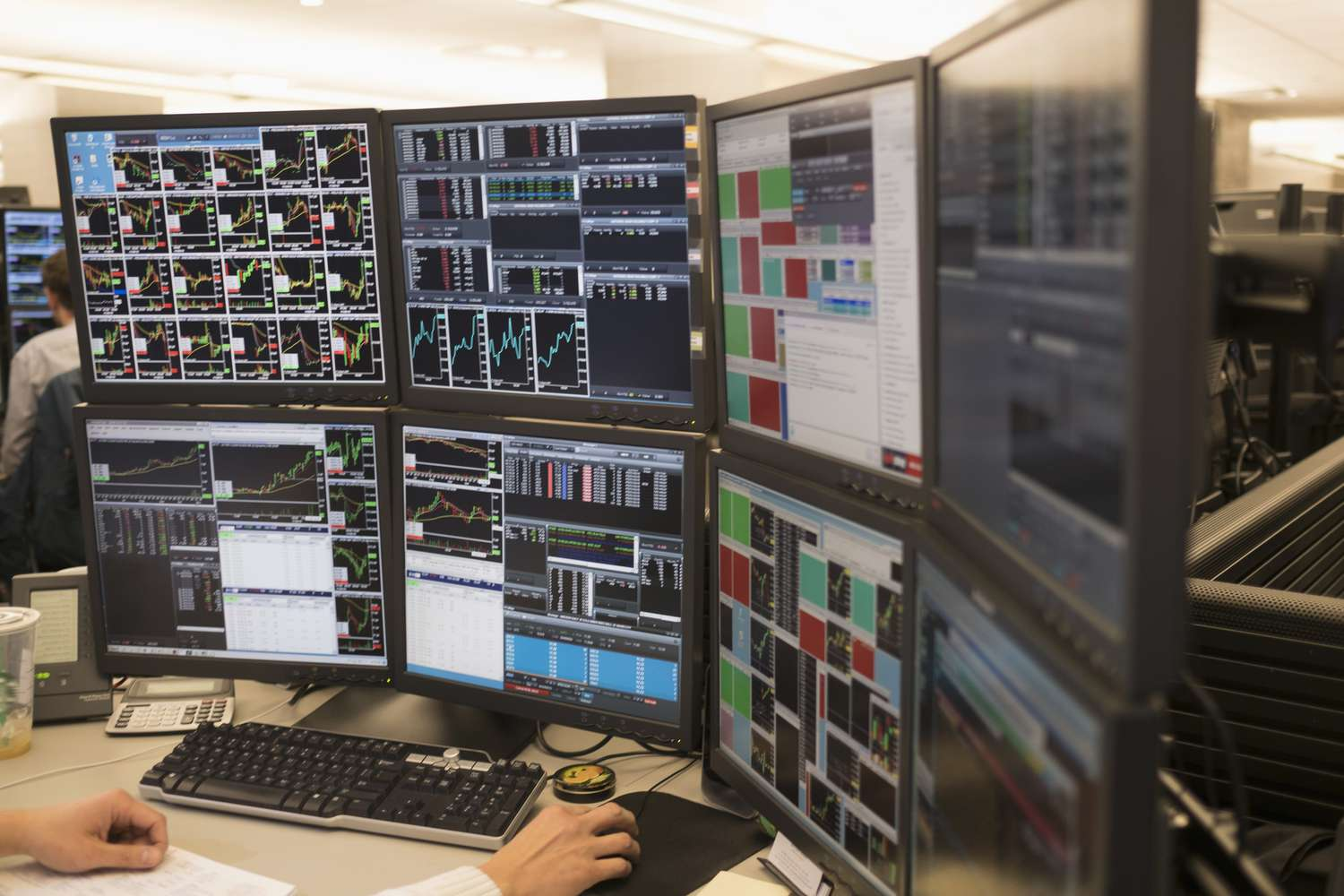
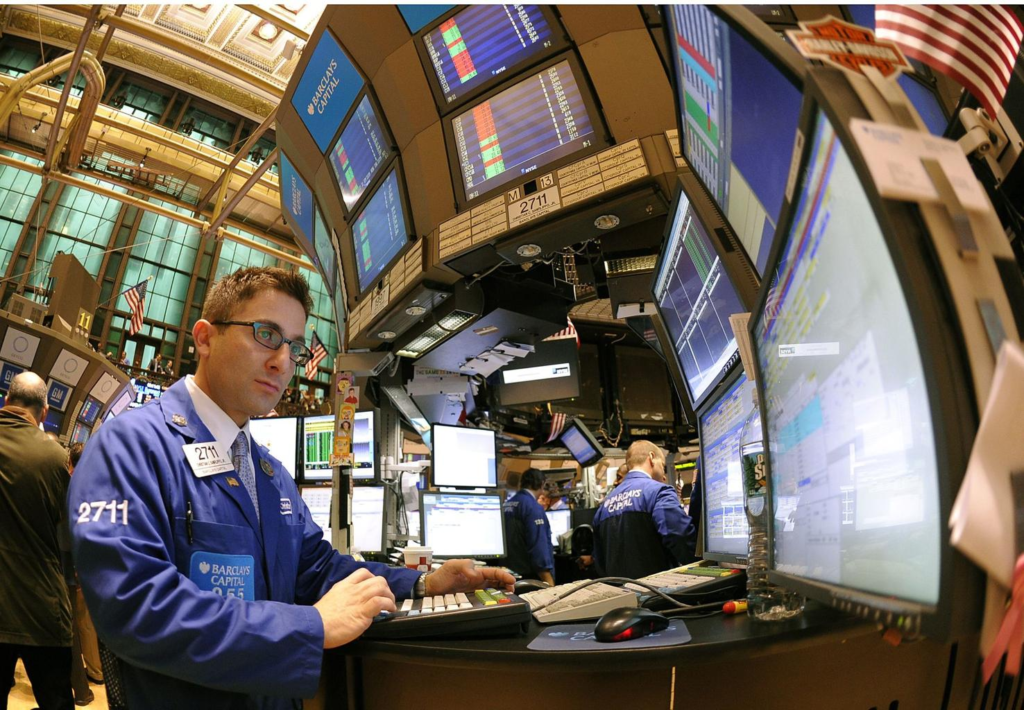
Investors rely on specialized tools and financial data platforms to monitor early trading activity.
Common sources include:
- Broker trading platforms offering extended-hours data
- Financial news sites that publish “pre-market movers” lists
- Real-time market scanners
- Stock screeners filtering by volume or percentage change
Experienced traders often focus on stocks showing both high price movement and unusually large trading volume, as this combination suggests strong market interest.
A stock moving 10% with minimal volume may not sustain momentum, while one moving 4% on heavy volume could attract significant attention at the open.
Typical Characteristics of Stocks Leading Pre-Market Activity
Stocks that dominate pre-market trading usually share several traits.
High News Sensitivity
Companies in fast-moving sectors such as technology, biotechnology, and electric vehicles often react strongly to new information.
For example, biotech companies can see large pre-market moves following clinical trial announcements or regulatory updates.
Strong Retail Interest
Stocks popular among retail traders—often discussed on financial forums or social media—can generate high pre-market activity as investors react to overnight sentiment shifts.
Earnings-Driven Volatility
Companies reporting quarterly results often experience the largest early-morning price swings.
According to Nasdaq data, earnings announcements account for a significant portion of large single-day stock moves each quarter.
High Market Capitalization Influence
Large companies sometimes dominate pre-market activity because their movements affect broader indexes such as the S&P 500 or Nasdaq Composite.
When a major technology firm posts unexpected results, its pre-market movement can influence futures and overall market sentiment.
How Pre-Market Market Movers Influence the Opening Bell
Pre-market activity doesn’t guarantee the same direction once the market opens—but it often shapes the day’s trading narrative.
Several dynamics occur when the regular session begins.
Liquidity Surge
Once the market opens, trading volume increases dramatically. Institutional investors enter the market in force, which can either reinforce or reverse early price movements.
Price Discovery
The opening minutes often reflect true price discovery, as buy and sell orders from across the market determine equilibrium pricing.
Stocks that were thinly traded pre-market may stabilize once broader participation begins.
Momentum Trading
Day traders frequently target stocks that showed strong pre-market movement.
These traders watch for:
- Breakouts above pre-market highs
- Pullbacks to support levels
- High-volume continuation patterns
This momentum trading can amplify volatility during the first hour of trading.
Risks of Trading Pre-Market Market Movers
While pre-market trading can offer early opportunities, it also carries distinct risks.
Lower liquidity and wider bid-ask spreads can make it harder to execute trades at desired prices.
Key challenges include:
- Higher volatility due to limited trading volume
- Wider spreads between buying and selling prices
- Sudden reversals when the market officially opens
- Limited participation compared with regular hours
For these reasons, many experienced investors prefer to observe pre-market movements rather than trade them directly.
Instead, they use early activity as context for decisions later in the trading day.
Strategies Traders Use When Watching Pre-Market Leaders
Professional traders often treat pre-market movers as signals rather than immediate trading opportunities.
Several practical approaches are commonly used.
Watch the Pre-Market High and Low
Many traders monitor these levels as potential support or resistance once regular trading begins.
Confirm Volume Strength
Stocks that show strong volume early tend to attract additional attention after the open.
Analyze the News Catalyst
Understanding why a stock moved is critical. Earnings surprises may create sustained trends, while rumors or speculation may fade quickly.
Wait for the Opening Range
Some traders wait for the first 15–30 minutes of trading to establish a price range before entering positions.
This approach helps filter out early volatility.
Real-World Example: Earnings Driving Pre-Market Momentum
Consider a large technology company releasing quarterly results at 4:05 p.m. Eastern.
The earnings report shows revenue growth exceeding analyst expectations by 12%. Overnight, analysts raise price targets and upgrade the stock.
By 7:30 a.m., the stock is trading 6% higher in pre-market trading on strong volume.
Institutional investors begin building positions before the opening bell. Financial media highlight the stock as a key market mover.
When the market opens at 9:30 a.m., the stock briefly surges to 8% above the previous close before settling into a steady upward trend throughout the day.
In this example, pre-market activity successfully signaled strong investor demand and set expectations for the day’s trading.
Frequently Asked Questions
What time does pre-market trading start in the United States?
Most U.S. brokers allow pre-market trading beginning at 4:00 a.m. Eastern Time, continuing until the regular market opens at 9:30 a.m.
Why do stocks move so much before the market opens?
Overnight news, earnings reports, analyst upgrades, and global market developments can dramatically change investor expectations before the regular session begins.
Can retail investors trade during pre-market hours?
Yes. Many brokerage platforms allow retail investors to trade during extended hours, though access may vary by broker.
Is pre-market trading riskier than regular trading?
It can be. Lower liquidity and wider spreads may lead to larger price swings and less predictable trade execution.
Do pre-market movers usually keep moving after the open?
Not always. Some stocks reverse direction once regular trading begins due to increased liquidity and new investor participation.
What sectors tend to dominate pre-market activity?
Technology, biotechnology, and high-growth consumer sectors often see the largest pre-market movements.
How can traders find pre-market market movers?
Most trading platforms provide scanners or watchlists showing stocks with the largest percentage changes and trading volume during extended hours.
Does pre-market activity affect the overall market?
Yes. Significant moves in large companies can influence futures markets and investor sentiment across major indexes.
Should long-term investors pay attention to pre-market trading?
Long-term investors typically use pre-market activity to understand market sentiment and news developments, rather than making immediate trades.
What’s the difference between pre-market and after-hours trading?
Pre-market trading occurs before the opening bell, while after-hours trading takes place after the market closes at 4:00 p.m. Eastern Time.
Reading the Market Before the Opening Bell
Watching which stocks lead pre-market trading offers valuable insight into how investors interpret overnight information. Earnings surprises, economic reports, and analyst updates frequently set the day’s narrative before the market officially opens.
For experienced investors, the goal is not necessarily to trade immediately during extended hours. Instead, pre-market activity provides an early signal about sentiment, sector momentum, and potential volatility.
By combining pre-market analysis with broader market context—such as macroeconomic data and sector trends—traders can approach the opening session with a clearer understanding of where opportunities and risks may emerge.
Key Insights at a Glance
- Pre-market trading runs roughly 4:00 a.m. to 9:30 a.m. Eastern Time
- Market movers are stocks showing large price or volume changes before the open
- Earnings reports are among the largest catalysts for early price movement
- Lower liquidity can lead to higher volatility during extended hours
- Pre-market highs and lows often act as important technical levels
- Institutional activity frequently drives early morning momentum
- Retail traders increasingly participate in extended-hours trading
- Not all pre-market moves continue once regular trading begins