Summary
Economic data releases often trigger immediate market reactions across stocks, bonds, and currencies. Investors closely watch indicators like inflation reports, employment data, and GDP updates because they influence interest rate expectations and economic outlooks. Understanding how markets respond to these releases helps investors interpret volatility, evaluate sector movements, and make more informed decisions during fast-moving trading sessions.
Why Economic Data Releases Move Markets
Financial markets react quickly to new information, especially when that information helps investors reassess the health of the U.S. economy. Key economic data releases—such as inflation reports, employment numbers, and retail sales—can change expectations about Federal Reserve policy, corporate earnings, and consumer demand.
When new data arrives, traders compare the results with forecasts. If the data differs significantly from expectations, prices often adjust rapidly. This process explains why certain stocks, sectors, or even entire indexes become market movers immediately after major economic announcements.
For example, when inflation data comes in higher than expected, investors may anticipate higher interest rates. That expectation often pushes bond yields higher and can lead to declines in growth stocks, particularly in the technology sector. Conversely, weaker inflation data may support equities because it suggests a more accommodative monetary environment.
Economic reports do not just influence short-term trading activity; they also shape longer-term narratives about growth, inflation, and policy.
Key Economic Reports That Drive Market Movers
Some economic indicators consistently attract more attention than others because they provide critical insights into economic momentum.
The most influential data releases typically include:
- Consumer Price Index (CPI) – Measures inflation across consumer goods and services
- Producer Price Index (PPI) – Tracks wholesale inflation
- Nonfarm Payrolls (Jobs Report) – Provides insight into employment growth
- Gross Domestic Product (GDP) – Measures overall economic output
- Retail Sales – Indicates consumer spending trends
- Federal Reserve Interest Rate Decisions – Influences borrowing costs and liquidity
- ISM Manufacturing and Services Reports – Reflect business activity and supply chain health
According to the U.S. Bureau of Labor Statistics, employment and inflation reports often generate the most immediate market reactions because they directly influence Federal Reserve policy decisions.
Similarly, GDP figures published by the U.S. Bureau of Economic Analysis provide insight into economic expansion or contraction, shaping investor expectations about corporate earnings and consumer demand.

How Investors Interpret Economic Surprises
Markets are forward-looking. Investors are less concerned with the data itself and more focused on whether the data exceeds or falls short of expectations.
A report that meets expectations often results in minimal price movement. However, unexpected data points can lead to significant volatility.
For example:
- A stronger-than-expected jobs report may push Treasury yields higher as markets anticipate tighter monetary policy.
- Lower-than-expected inflation may boost equity markets because borrowing costs may remain stable.
- Weak retail sales could lead investors to question consumer spending strength, affecting retail and discretionary sectors.
Market participants typically interpret data through the lens of monetary policy. If economic data suggests the Federal Reserve may adjust interest rates, markets often respond immediately.
Real-World Example: CPI and Market Reactions
Inflation reports provide a clear example of how economic data drives market movers.
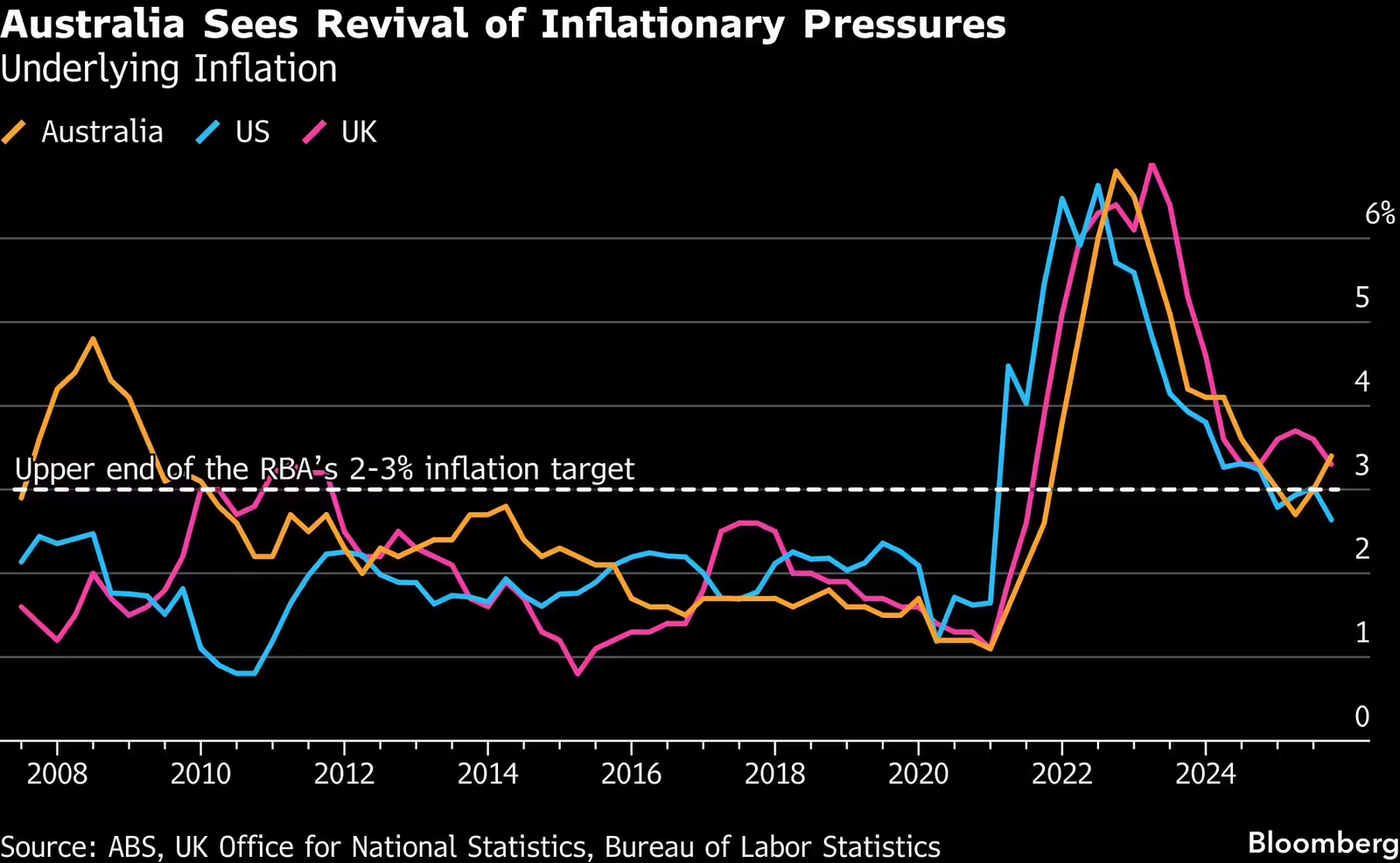
In June 2022, when CPI inflation reached 9.1% year over year, the highest level in four decades according to the U.S. Bureau of Labor Statistics, equity markets experienced heightened volatility. Investors quickly priced in the likelihood of aggressive interest rate hikes by the Federal Reserve.
The reaction was widespread:
- Treasury yields surged
- Growth stocks declined
- Energy companies gained momentum
- Defensive sectors attracted investor interest
This type of cross-market reaction is common after major economic reports.
Which Sectors Tend to Become Market Movers?
Different sectors respond differently depending on the nature of the economic data.
When inflation data is high, energy and commodity companies often outperform because rising prices can increase their revenues. Conversely, technology stocks sometimes face pressure because higher interest rates reduce the present value of future earnings.
Some typical sector reactions include:
Technology
Technology companies are sensitive to interest rate expectations. Higher rates can reduce valuations because many tech companies rely on long-term growth projections.
Financials
Banks and financial institutions may benefit from rising interest rates because lending margins can improve.
Consumer Discretionary
Retailers and consumer brands tend to react strongly to retail sales reports and employment data because these indicators reflect consumer purchasing power.
Energy
Oil and gas companies often respond to inflation trends, global demand data, and geopolitical developments.
Why Pre-Market and Post-Release Trading Matters
Many economic reports are released before the U.S. stock market opens. As a result, pre-market trading activity often provides early signals about how markets will respond during regular trading hours.
Institutional investors, hedge funds, and algorithmic trading systems quickly analyze new data and adjust positions accordingly. This rapid reaction can produce significant price gaps at the market open.
For example:
- If employment data is much stronger than expected, stock index futures may drop before the market opens as investors anticipate tighter monetary policy.
- If inflation data is lower than forecast, equity futures may rally in anticipation of a more supportive interest rate environment.
These pre-market reactions often set the tone for the day’s trading session.
The Role of Federal Reserve Expectations
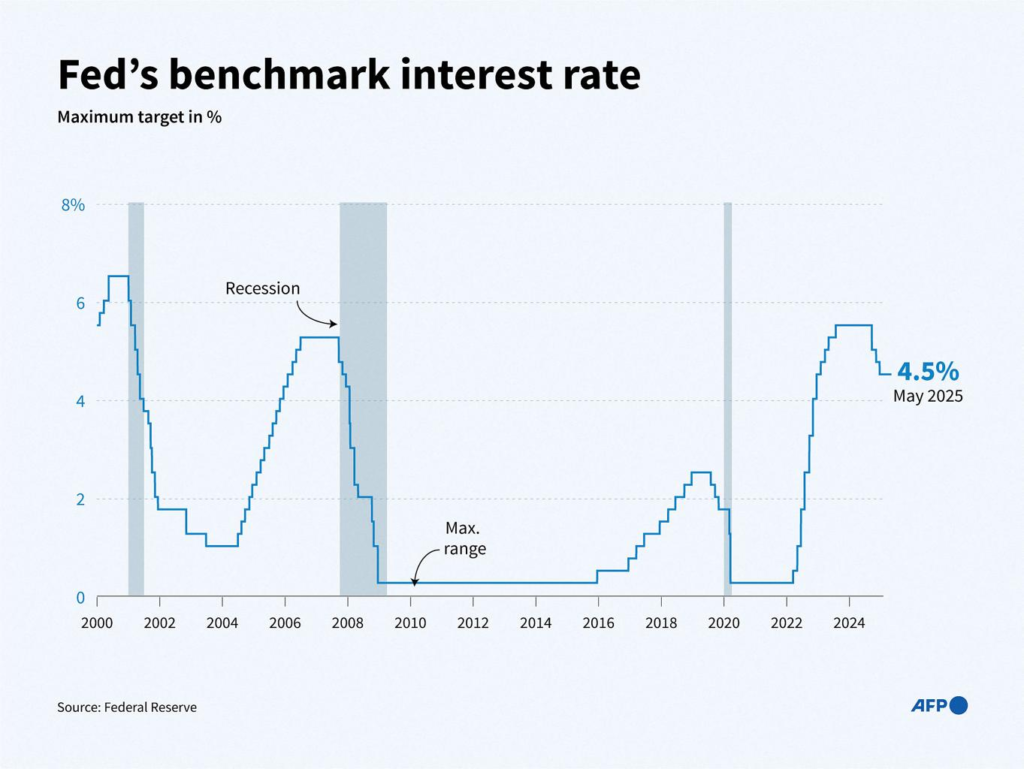
Economic data is closely tied to expectations surrounding the Federal Reserve and its interest rate policy.
The central bank’s mandate includes maintaining price stability and maximum employment. As a result, reports related to inflation and labor markets carry significant weight.
When economic data signals overheating growth or persistent inflation, markets may anticipate rate hikes. Conversely, weaker data may increase expectations of rate cuts or accommodative policy.
Interest rate expectations influence multiple asset classes:
- Stocks adjust based on earnings outlook and discount rates
- Bonds react through changes in yields
- Currencies move as global investors reposition capital
This interconnected reaction explains why economic releases can produce widespread market volatility.
How Long Do Data-Driven Market Moves Last?
Not every economic data release creates lasting market trends. In many cases, price reactions are short-lived as markets digest the broader economic picture.
Short-term traders may respond instantly to the headline numbers, but longer-term investors typically evaluate multiple reports over time.
A single strong jobs report may not change the broader economic outlook. However, a series of strong reports can reinforce expectations of continued economic expansion.
This is why investors often monitor trends across multiple data releases rather than reacting to one report in isolation.
Practical Strategies for Investors Monitoring Economic Data
While predicting market reactions perfectly is difficult, investors can improve their decision-making by understanding how economic data affects markets.
Some practical considerations include:
- Follow the economic calendar to anticipate major releases
- Compare data with forecasts rather than focusing solely on the headline number
- Monitor sector reactions to identify emerging market trends
- Avoid making decisions based on a single report
- Understand the Federal Reserve’s policy framework
Experienced investors often wait until market reactions stabilize before adjusting positions. Rapid volatility following data releases can create opportunities, but it can also lead to short-term noise.
Frequently Asked Questions
What are market movers in finance?
Market movers are stocks, sectors, or asset classes that experience significant price changes due to news, earnings reports, or economic data releases.
Which economic report moves markets the most?
Inflation reports such as the Consumer Price Index (CPI) and employment data like the Nonfarm Payrolls report typically have the strongest immediate impact.
Why do markets react to economic data?
Economic data influences expectations about growth, inflation, and interest rates, all of which affect corporate profits and asset valuations.
Do markets always move after economic reports?
Not always. If the data matches forecasts closely, markets may show minimal reaction.
How do interest rates affect stocks?
Higher interest rates increase borrowing costs and reduce the present value of future earnings, which can pressure certain sectors such as technology.
Why do bond yields move after economic data?
Strong economic data may lead investors to expect higher interest rates, pushing bond yields upward.
Should long-term investors react to economic data releases?
Long-term investors typically focus on broader trends rather than reacting to short-term volatility caused by individual reports.
What time are major economic reports released?
Many key U.S. economic reports are released at 8:30 a.m. Eastern Time, before stock markets open.
How can investors track upcoming economic releases?
Economic calendars published by financial news outlets and government agencies provide schedules for upcoming reports.
Which sectors benefit from rising inflation?
Energy, commodities, and certain financial companies sometimes perform better during periods of higher inflation.
Reading the Market’s Reaction to Economic Signals
Economic data releases act as checkpoints for investors trying to understand the direction of the U.S. economy. Each report provides another piece of information that helps markets adjust expectations for growth, inflation, and policy decisions.
Rather than focusing solely on short-term volatility, experienced investors often watch how markets respond across several data releases. Patterns in employment growth, inflation trends, and consumer spending can reveal deeper economic shifts that shape market performance over time.
By understanding how economic reports influence market movers, investors gain better context for interpreting market volatility and identifying trends that may influence investment decisions in the months ahead.
Key Insights at a Glance
- Major economic data releases frequently trigger market volatility
- Inflation and employment reports often drive the strongest reactions
- Markets respond primarily to surprises versus expectations
- Sector performance can vary widely depending on the data
- Federal Reserve policy expectations amplify market reactions
- Short-term volatility does not always indicate long-term trends
- Monitoring multiple economic reports provides better context for investors